Acting
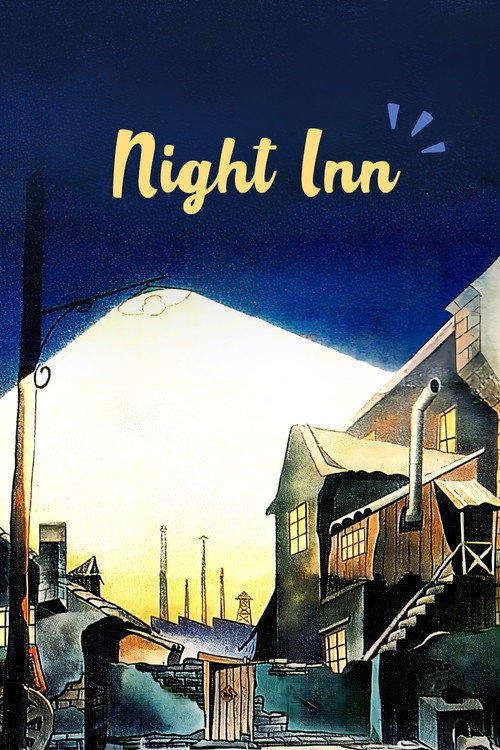
Night Inn (Chinese: 夜店; pinyin: Yè Diǎn) is a Chinese black-and-white film released in 1947, directed by Huang Zuolin and starring the popular Shanghai singer Zhou Xuan. The film is based on the Chinese theatrical adaptation of Maxim Gorky's The Lower Depths by playwright Ke Ling. The play and the film were both banned in China during the Cultural Revolution but were popular in the post-Mao period.
The Public Security Bureau intercept a telegram notifying foreign agents to retrieve the "110 secret". Shi Yan, head of the Reconnaissance Section, starts a campaign of counter-espionage, but one of his agents is soon killed on board a train.
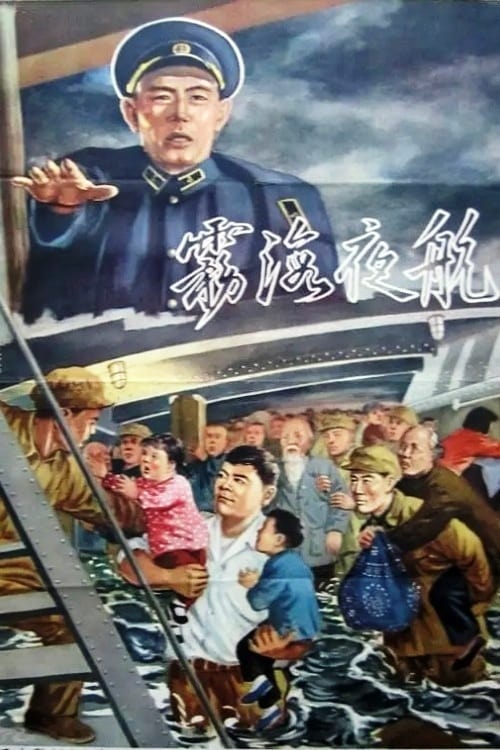
The passenger ship Haiyan, with more than a thousand people aboard, sails through a thick fog at night. Despite having the knowledge that there are reefs nearby, the captain refuses to stop or slow down.
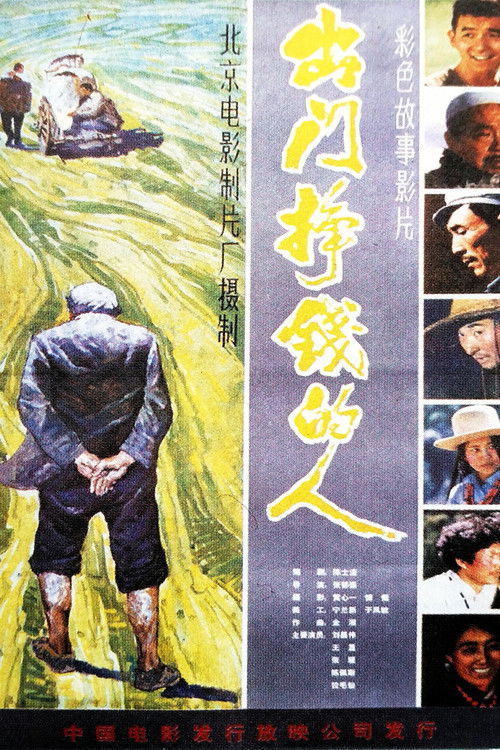
No description available.
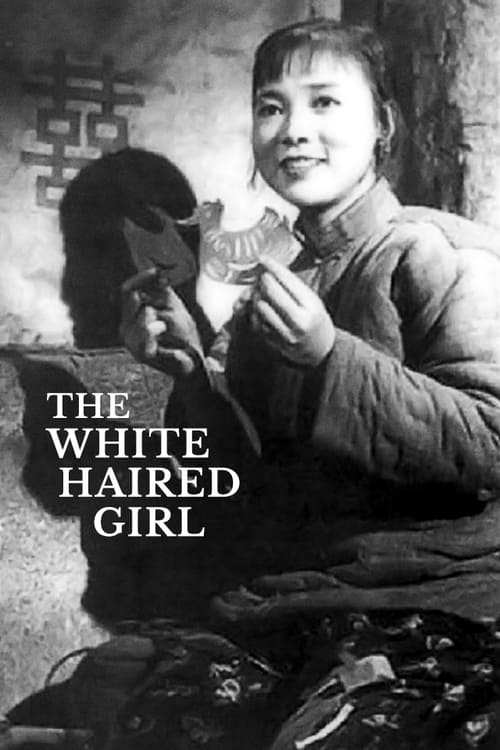
Yang Bailao, a tenant farmer, lives with his daughter Xi'er. The despotic landlord, Huang Shiren, attempts to forcibly take Xi'er for himself. On the eve of the Chinese Spring Festival, Huang forces Yang to sell his daughter as repayment of the debt Yang owes him.
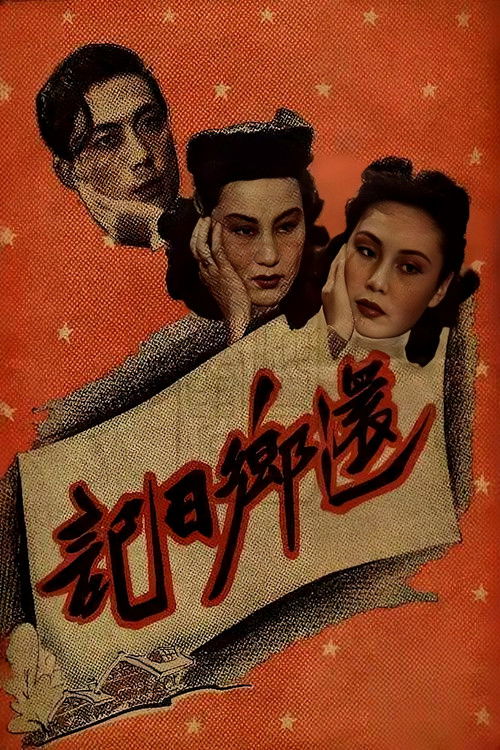
After a break-up, a college professor, Xiao, molds his maidservant, Yu, into an independent, modern woman, then marries her. However, their relationship is interrupted by the war - Yu insists on volunteering her help, while Xiao longs for a stable family life.
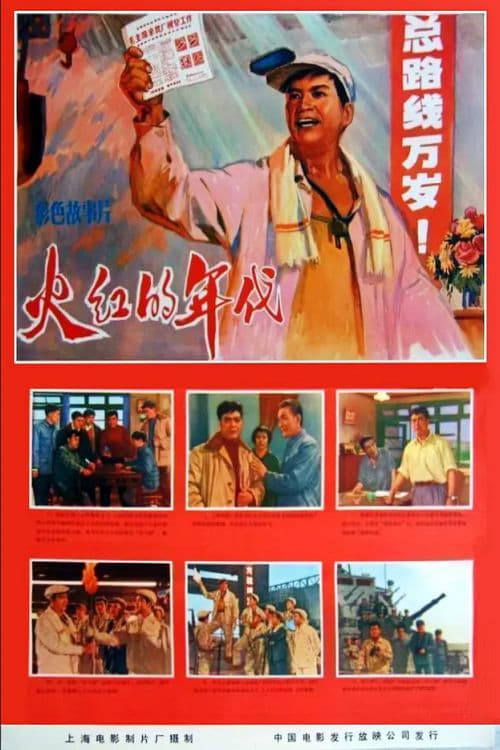
A steel plant staff is in conflict over whether to use domestic materials or continue importing from the Soviet Union after the Soviet Union adopts an anti-Chinese position in 1972.
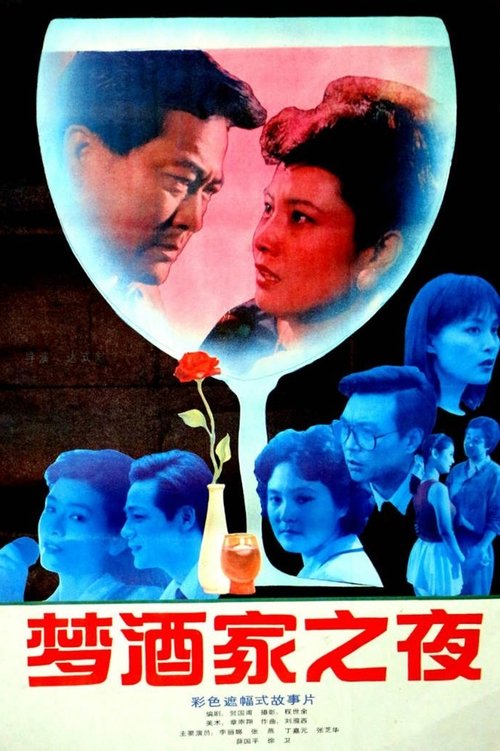
Luo Ming quits her job as an accountant and despite her husband's objections opens a bar in South China and counsels married couples.
To restore communications to the island of Hainan, the People's Army sends scouts across the Palm Grove Strait to the Leizhou Peninsula, where the detachment radio station was located.