Rasha Salti
Writing
Known For
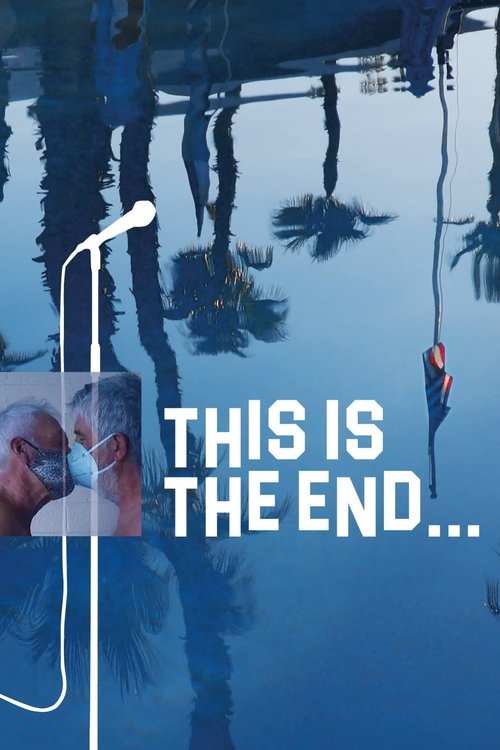
Road trips through Los Angeles, famous verses in the Poetry Lounge and love in times of the pandemic: Rendezvous with an old flame, fourty years later. After Jaurès (2012), Vincent Dieutre presents another tender autofictional piece in the Forum.
This Is the End
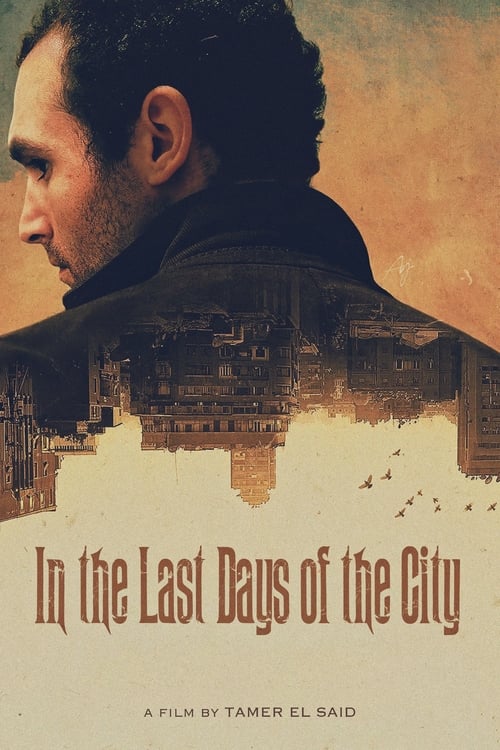
In the fading grandeur of downtown Cairo, Khalid, a 35-year-old filmmaker is struggling to make a film that captures the pulse of his city at a moment when all around him dreams as much as buildings are disintegrating. With the help of his friends who send him footage from their lives in Beirut, Baghdad and Berlin, he finds the strength to keep going through the difficulty and beauty of living IN THE LAST DAYS OF THE CITY.
In the Last Days of the City
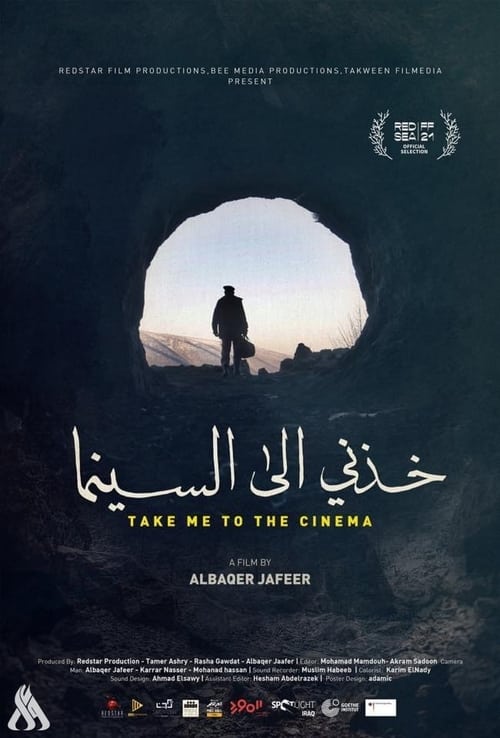
We follow the journey of former soldier Nassif, who fled the war in Iraq by hiding in dark cinemas. During this time, he used to watch his favorite film, “Papillon” (1973), starring Steve McQueen. Nowadays, he is looking for this film among the Iraqi cinemas’ ruins. The search for this lost film copy in the old and obsolete cinemas becomes the sole purpose of Nassif and his primary motivation to leave his house. “Take me to the Cinema” allows us to discover Baghdad through Nassif’s eyes as he takes us to streets that contrast with his silent and quiet world. A lot has changed in today’s Iraq. The street where cinema theaters were is now a market that sells military uniforms. It is crowded with young men, fitting military shirts and shoes. The quest for “Papillon” becomes the quest of character, who does not want to acknowledge the transformations of his city, and who wants to cling on to its luminous past through the light of cinema and his inner world.
Take Me to the Cinema
Over two days at De Appel, ‘Collective Study in Times of Emergency’ brought together texts, voices, music, films, artworks, digital images, and printed materials – creating a space where individual and collective research and archives came into dialogue. This video reflects on moments when international solidarity with the Palestinian resistance intersected with solidarity against South African apartheid. These encounters revealed the archive not just as a site of preservation, but as a living network – crossing borders of geography, time, and form. What futures do these archives hold? What kinds of solidarity will we imagine and practice in a distant future, once these materials have decomposed and become part of us? As Matter Speaks moves across different traces of the 'Collective Study' programme, summoning a space between permanence and fragility, where archives circulate endlessly.