Directing
Although they used to be a couple, time has changed everything for Alym and Salima. Seeing how happy she is without him, Alym realizes he might be a failure.
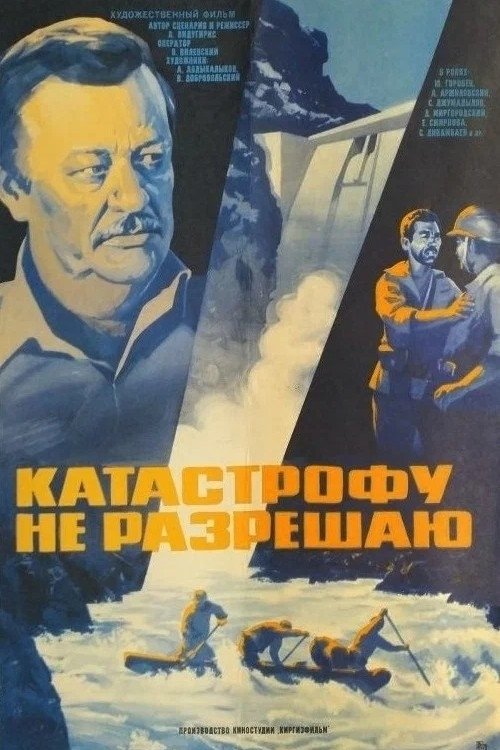
The plot is based on events that took place during the severe drought of the early 1970s at the construction of the Toktogul Hydroelectric Power Station. The commissioning of the station's first phase was complicated by the fact that the water needed to start it was also desperately needed by the parched fields. There were many debates (with both personal and professional ambitions involved), and in the end, the problem was solved purely mathematically—rather than by agricultural engineering: salty water from the Kyrgyz Sea was diverted to the fields, while clean mountain river water was directed to the first turbines.
A team of rescue workers do what they can in the desperate situation left by an earthquake in the Kyrgyz mountains.
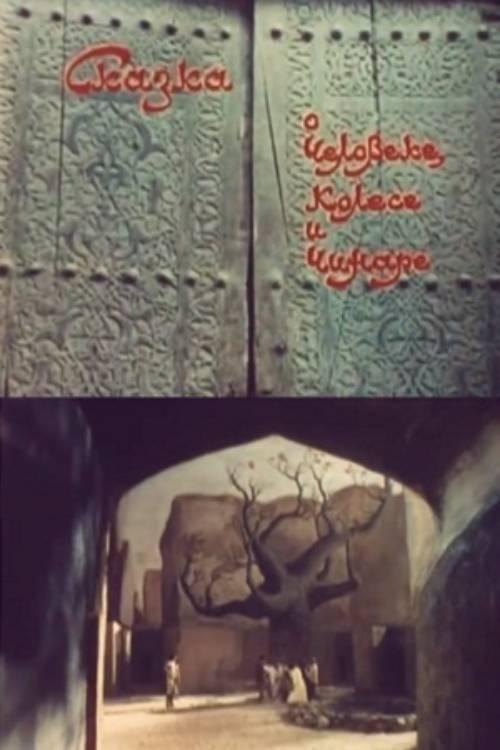
About the purpose of man on earth, about man's awareness of the need to fight for his happiness.
One of the highest achievements of the new wave of Kirghiz cinema, which emerged in the mid-1960s. This story of a boy building sandcastles on the shores of the Issyk-Kul Lake becomes a documentary parable on the tensions between an artist and society.
About an awkward and absent-minded boy Kubanyshbek, who only saw himself brave and strong in his dreams. But after spending the summer at his uncle’s place on Issyk-Kul, he grew stronger, matured, and was finally able to stand up for himself.
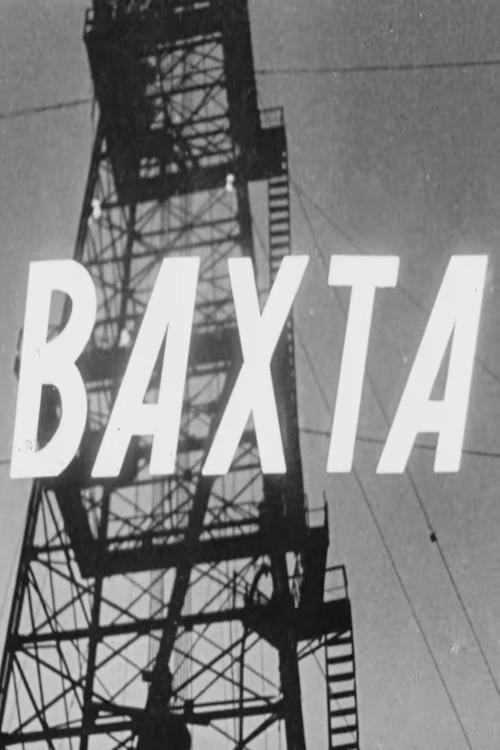
Documentary film about the construction of the Toktogul Hydroelectric Power Station.
Вахта (watch/observation, or a short working contract) was released in 1969. It received a diploma and the "Tulpar" prize for the best short documentary at the festival of Central Asia and Kazakhstan in Alma-Ata, as well as the prize of the First VKF films about the working class in Sverdlovsk in 1970.