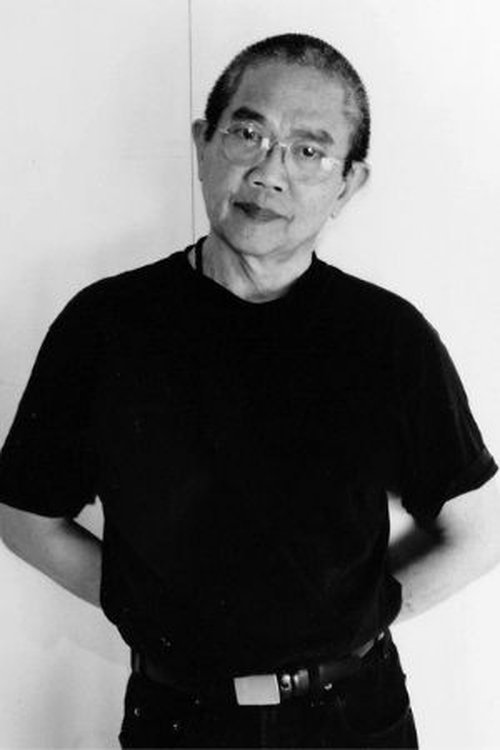
Al Wong
Directing
Biography
I am a native San Franciscan artist and have spent the past 45 years making art in a variety of mediums. Painting has always been a central element in my work because of the direct nature of working with the materials. My career has developed from my early years as a student at the San Francisco Art Institute where I earned my Master of Fine Arts degree, to serving as an Art Professor for over 30 years at several universities and colleges including the San Francisco Art Institute, the California State University system and Mills College. I have shown at exhibition venues such as the New York Museum of Modern Art, the Whitney Museum of American Art, the San Francisco Museum of Modern Art and the UC Berkeley Museum & Pacific Film Archive. My work has toured nationally and internationally including Europe, South America and Japan. In addition, I have received several awards and honors including an NEA Grant in 1983, a Guggenheim Fellowship in 1986, and a Flintridge Foundation Visual Artist Award in 1997.
Known For
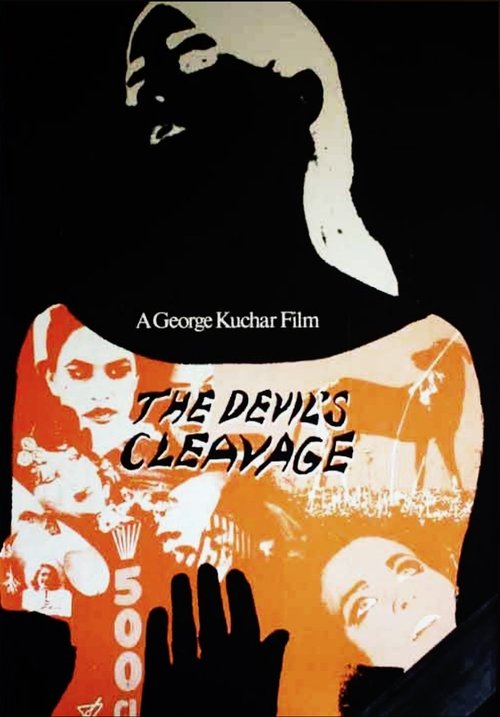
A shady motel manager becomes obsessed with a neglected wife.
The Devil's Cleavage

Developing a new friend sometimes comes with discovering surprises. In this film, I experience when a personality changes so quickly that it appears to be two personalities.
69 cents a pound
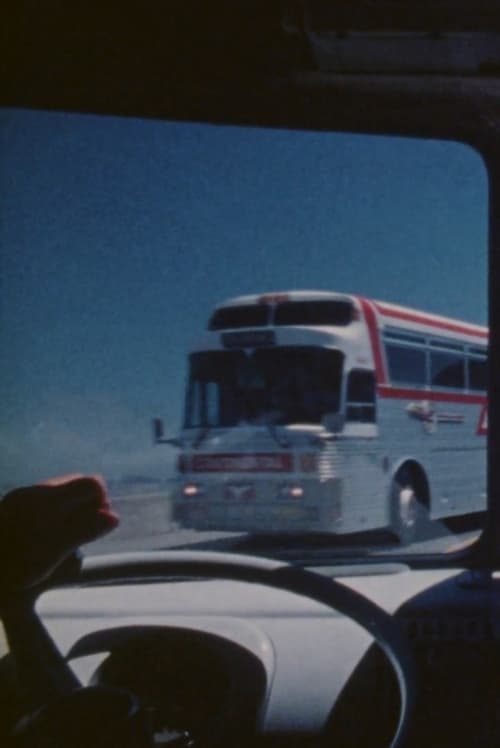
Shot over the course of an entire year, the film is a 50-minute structural journey centered on the Twin Peaks hills in San Francisco. Wong mounted a 16mm camera inside his van and repeatedly drove the "infinity loop" road that winds around the peaks at a steady 15 miles per hour.
Twin Peaks
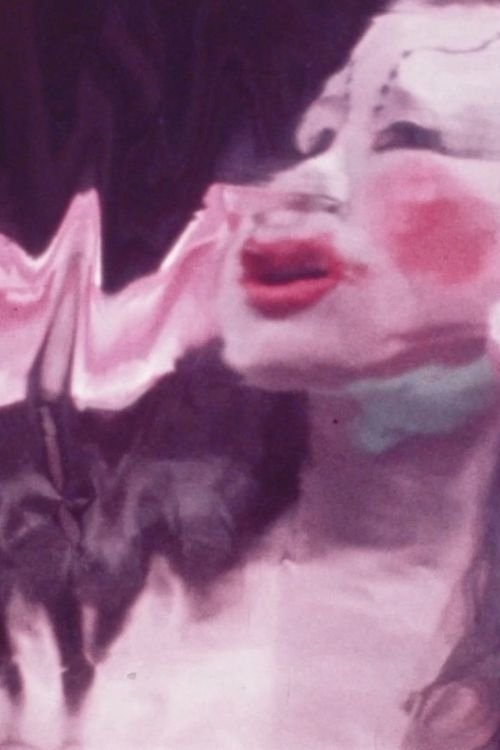
This film depicts a man in search of a relationship. However, after experiencing a number of situations, he realizes that the true relationship is with himself.
Discount House
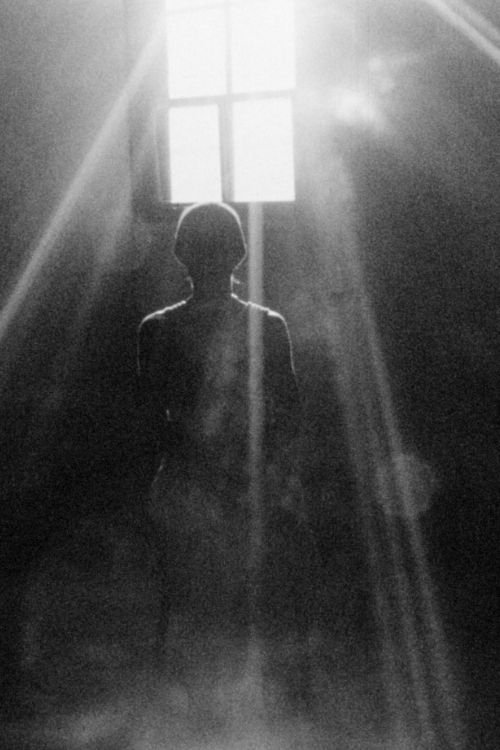
This film is still a close part of me. I don’t think I could make another one like this again. It deals with space on many levels within a single movement, a movement that has a circular form that involves each viewer within the film itself.
Moving Still
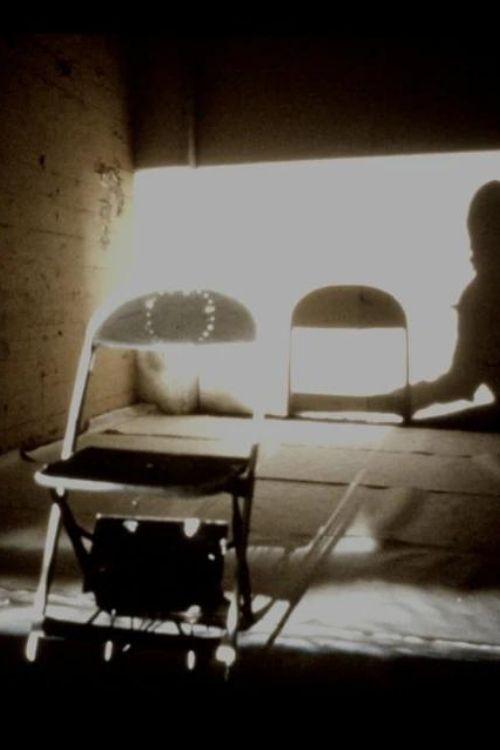
Black and White Video Installation | Silent
Shadow and Chair
16mm Film by Al Wong.
Environment
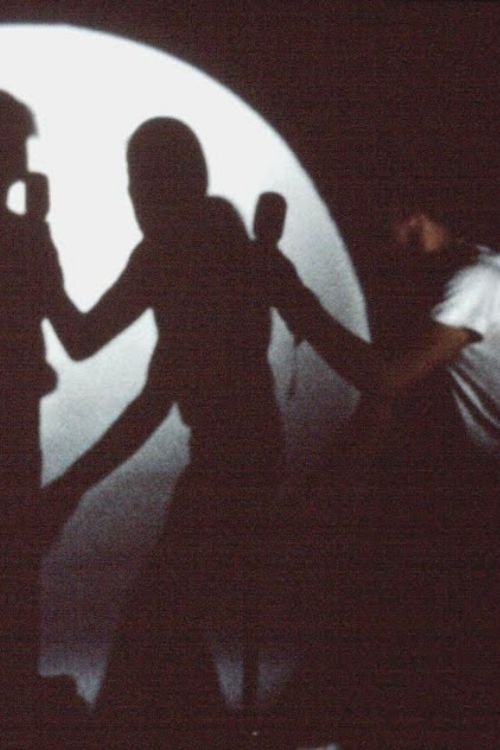
Black and White Video Installation | Sound
Moon Stand
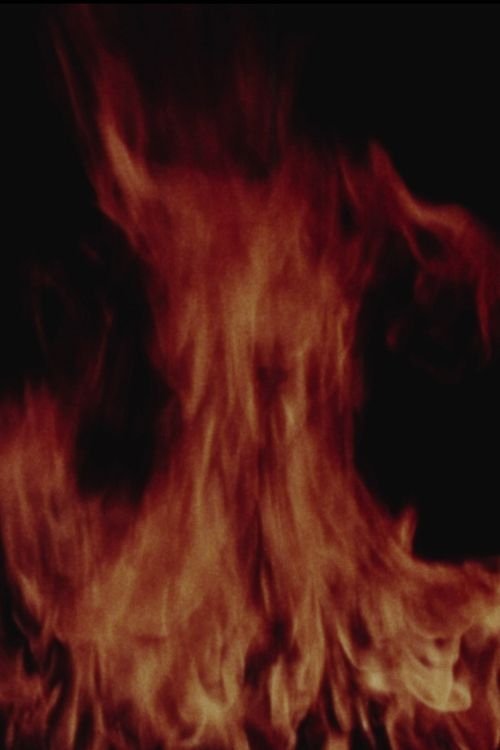
This film deals with filming (taking) and (giving) projecting into the same space of present and past.
Screen, Projector & Film
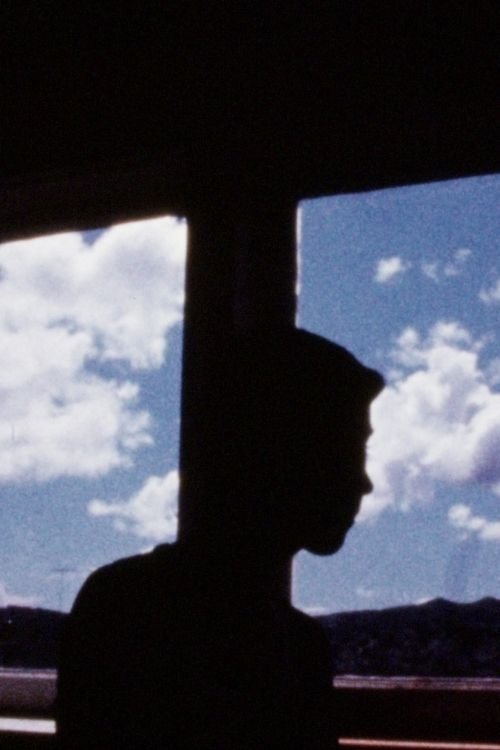
Al Wong’s Same Difference was composed over the course of a year, a 16mm camera set up on a tripod in the artist’s kitchen capturing views of the San Francisco hills through a large double window. Artist Ursula Schneider sits on a chair underneath the window, her presence and stillness an essential part of the work. With Schneider’s body in the centre of the frame, Wong shot freely at different times of day and night, cloudy or empty skies, and experimented with in-camera effects and editing to compose complicated choreographies of light, clouds and atmosphere.
Same Difference
16mm Film by Al Wong.
U.S. Choice
16mm Film by Al Wong.
Yo Yo Paradise
16mm Film by Al Wong.
I Loved Her
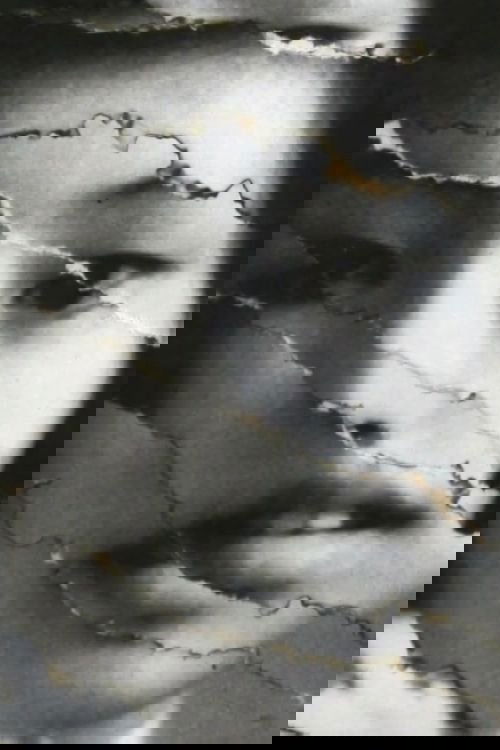
This work is a response to the Chinese Exclusion Act which was in enacted in the U.S. during the years of 1882-1943. This prohibited immigration on the basis of race. One of the only ways for families to come across was to become "paper" relatives of those who had legal status. This video montage expresses the emotions and turmoil these individuals endured.
Paper Sister
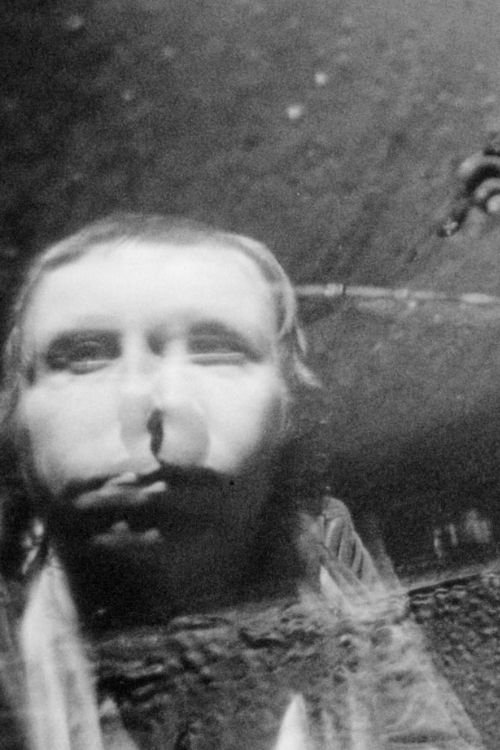
This film depicts the cycle of the City of San Francisco, as one proceeds through a day of work.
Working Class
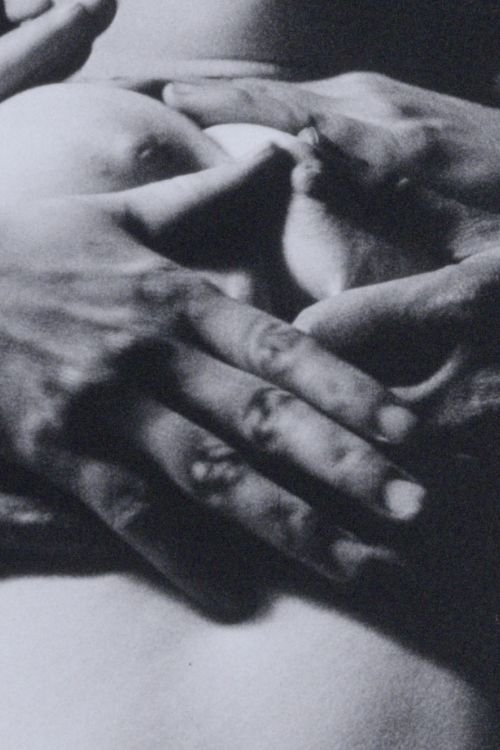
The objective is to show myself visiting myself, and then showing the frustration of loneliness, by trying to be with myself. –Al Wong
Tea for Two
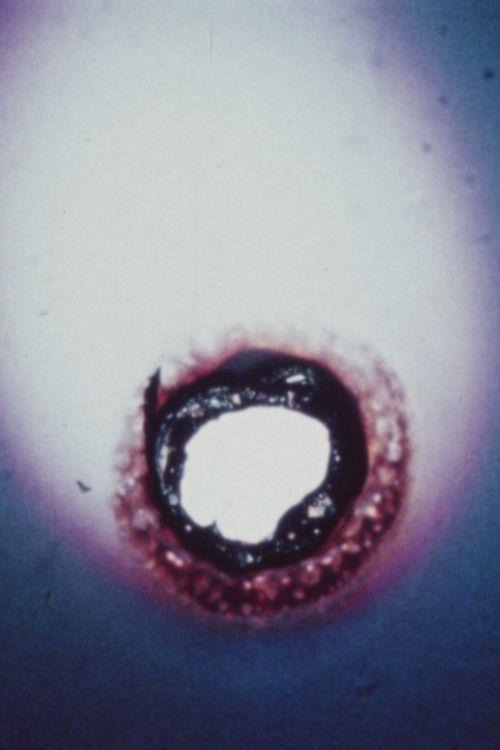
I first started by taking a black 16mm film leader and holding a magnifying glass above the film. I then used the sunlight to burn each frame in the film leader. At the same time that I was burning the film leader, I was also filming the process of burning each frame. After developing the film, I then physically burned each frame with a soldiering iron in the exact same area that it was burned by the sunlight. The result was that when projected, one would see the filming of the burn at the same time one sees a single frame action of the physical burning of the film, followed by other concepts dealing with 24 frames. 24 frames make one second and this gives the illusion of smoothness. However, because each frame was burned, it gives an animated impression together with the smoothness of 24 frames.
24 Frames per Second
16mm Film by Al Wong.
Portrait of Ivan Majdrakoff
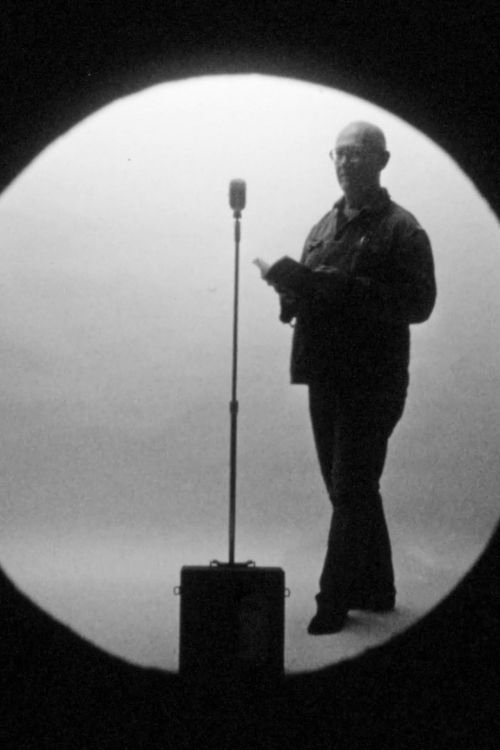
This film portrays my friend Philip Whalen, a Zen Buddhist monk and poet, reading from his book The Art of Literature. There is a play of spotlight and shadow in this work which emphasizes the elusiveness of truth in poetry.
Philip Whalen
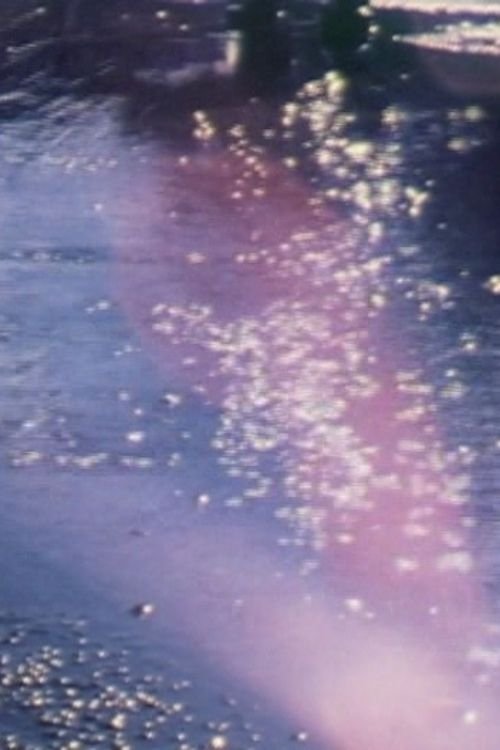
The concern here is to try to make the space between the wall and the puddle to be connected. The image of the person on the wall picking up pebbles and tossing it to the area of the puddle having ringlets of water appearing.