Directing
No description available.
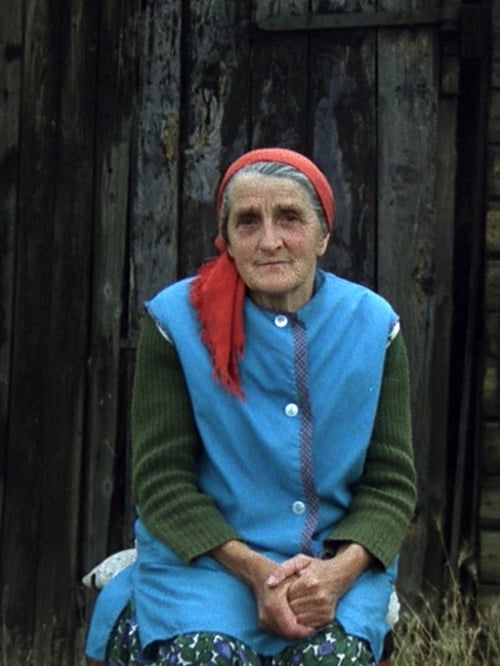
A portrait of a 74-year-old woman who lives in modest circumstances in a village in Brandenburg and tells her story on camera: born in 1904 in Rastenburg (East Prussia), Wolters Trude moves to Berlin at an early age with her parents and five siblings. At the age of nine, after the death of her mother, she was placed in an orphanage. In 1918, at the age of 14, she was placed with a family, working in their restaurant. She married in 1929; her husband turned out to be an alcoholic; she had eight children, six of whom survived, and whom she raised practically on her own.
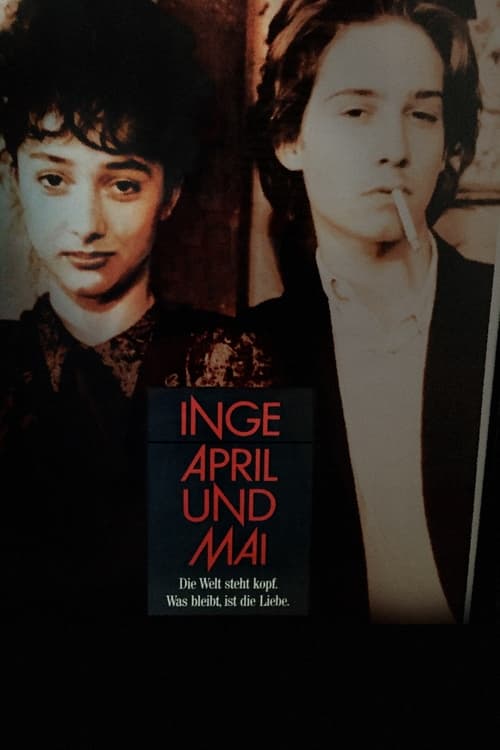
While everything is in ruins in Berlin in the spring of 1945, the British bombers are flying overhead and the Red Army is not far away, 15-year-old Kalle is not particularly interested in doom or final victory - because he has kissed Inge Kaliska and he knows that he loves her. At this moment in world history, nothing carries as much weight as this first love.
Six directors, one film: in episodes, they recall their experiences at the end of the GDR and the fate of a family under National Socialism. They talk about making films despite censorship, about the search for opportunities. They tell of losses, of leaving, of staying and of love in exile. A film about the longing for home and the endurance of friendships.
An intensive interview with the young protagonist Rainer about his non-conformist life is combined with scenes from his everyday life. The documentary fiction Orangemond by Gabriele Denecke was created in 1979/80 as part of her master's student studies with Frank Beyer at what was then the GDR University of Film and Television in Potsdam-Babelsberg. The film was not completed. After viewing the raw material, the university decided that there would be no editing for the film. Eventually Gabriele Denecke was only able to put the film together in the sequence of scenes.
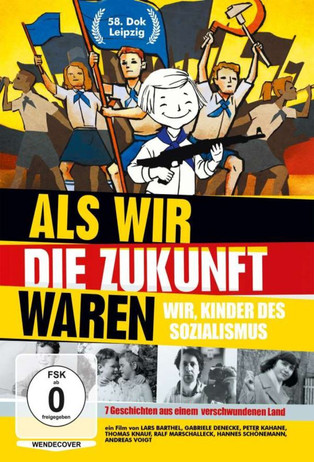
Seven directors remember their childhood and youth; to the 50s and 60s in the GDR. They appear to be curious, vulnerable children and teenagers who also want to be cool (even though the word doesn't exist for them yet). They live in well-adjusted or resistant families. Some only in half because their father left for the West. Depending on their family background, they want or should help build the new, better Germany.
A handful of quarrymen in the Reinhardtsdorf open cast mine near Bad Schandau dig out the coveted Elbe natural stone. Gabriele Denecke’s approach to the men, who are of different ages, is almost trance-like, the movement to and from the stones marks the transition to another world. We hear about the merciless working conditions of the past, about alcohol, people worn out before their time. Today, digging out the massive rocks in the midst of nature also constitutes a degree of freedom. Open cast miners share a special mindset. And: Once you’ve worn out your first pair of wooden shoes, you’ll stay – probably forever.