Dieter Meichsner
Production
Biography
Dieter Meichsner was a German film director, screenwriter and film producer.
Known For
Annual awarding of the Grimme Awards.
Grimme Award

Crime series about Hamburg customs investigator Hans Zaluskowski, who joins forces with his colleagues to take on smugglers and fraudsters. In doing so, he not only has to contend with opaque EU customs regulations, but also solve tricky cases with international implications.
Schwarz Rot Gold
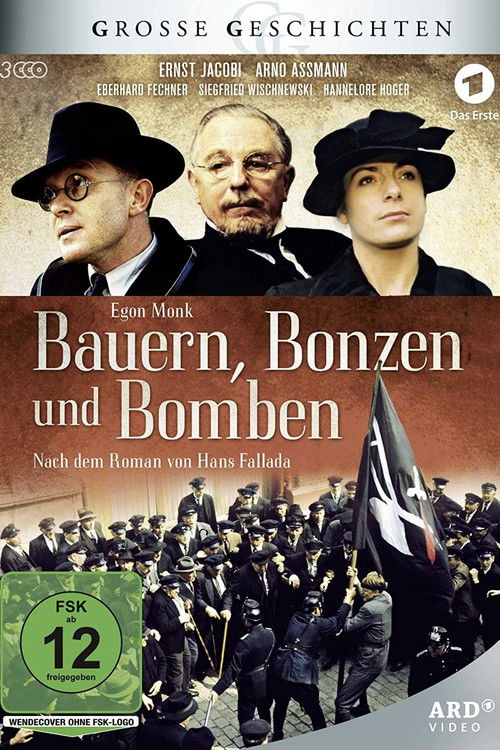
The tax officials Thiel and Kalübbe try to confiscate two oxen, but are prevented from doing so by protesting farmers led by the community leader Reimers. The assistant editor Tredup, who takes photos of the incident, is also in the thick of things.
Farmers, Politics and Bombs
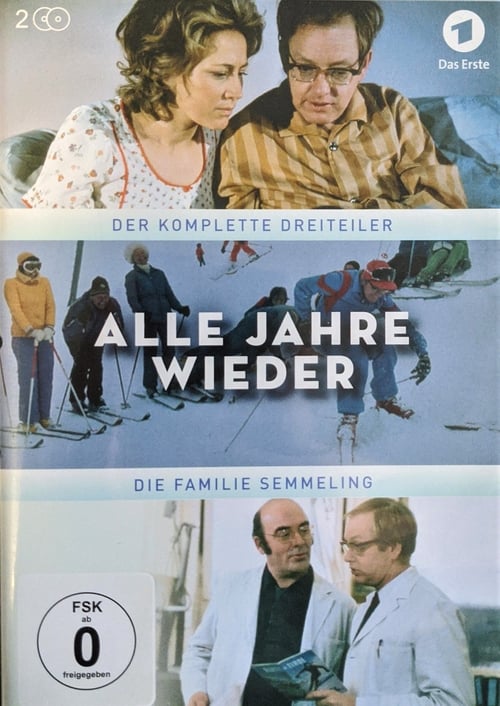
After building their own home, the Semmeling family wants to go on vacation. However, this leads to a few problems.
Alle Jahre wieder – Die Familie Semmeling
In this two-part documentary, Eberhard Fechner reconstructs the story of a class of pupils who passed their A-levels at Berlin's Lessing-Gymnasium in 1937. The starting point for the research is the class photo that gives the film its title. The conversations with the men, which revolve around their lives, bring back memories. However, it becomes clear how many of them have repressed the events of the Nazi era. Apologies, excuses and trivialization of the violence and crimes come out of many mouths.
Klassenphoto
At the end of the 19th century, the Brandenburg nobleman Dubslav von Stechlin dominated a small town of the same name in the county of Ruppin.
Der Stechlin
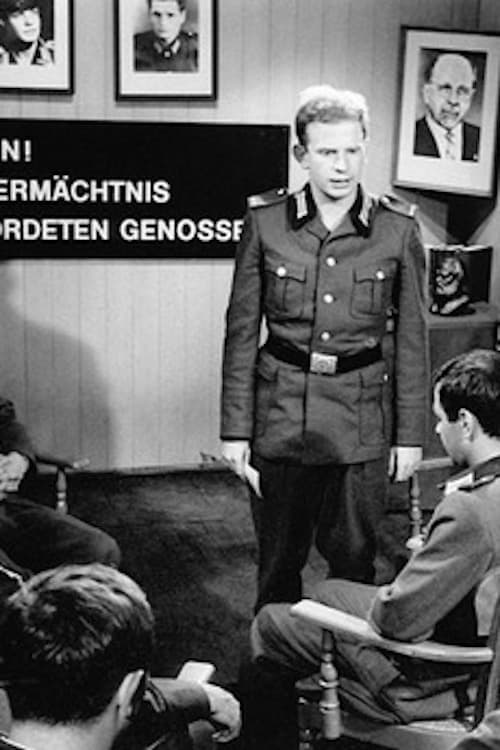
24 hours on the border between East and West Germany. In an outlying West Berlin district, police officers chat about their personal lives, take care of petty offence and at most, warn the odd rubbernecker away from the border to the “Soviet zone”. Meanwhile their East German counterparts are under enormous pressure. The day begins with disciplinary action after one of the border guards was found sleeping on duty. The supervisors demand utmost vigilance and a solid ideological bent, and suspicion and mistrust are the rule within the ranks of these soldiers of the National People’s Army (NVA). Unnoticed by the soldiers, four East Berlin students are preparing to flee to the west. But in the morning mists, only their accomplice, an NVA private, succeeds …
Preis der Freiheit
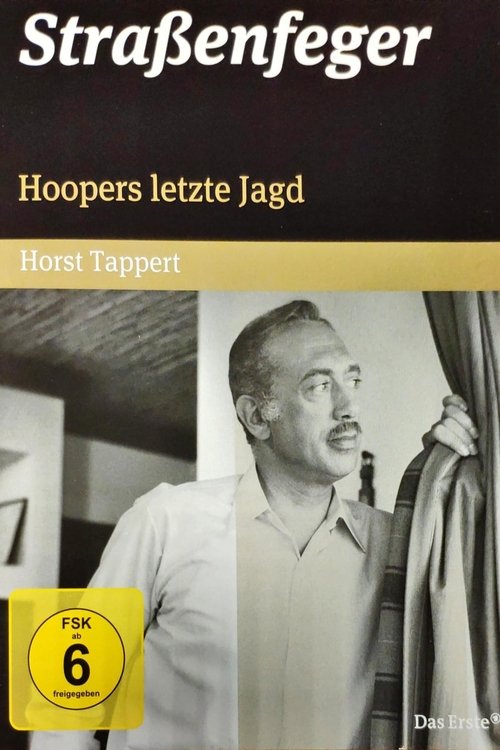
For years, Chief Superintendent Hooper has been hunting down the leader of the legendary gang of mail robbers.
Hoopers letzte Jagd
In this two-part documentary, Eberhard Fechner reconstructs the story of a class of pupils who passed their A-levels at Berlin's Lessing-Gymnasium in 1937. The starting point for the research is the class photo that gives the film its title. The conversations with the men, which revolve around their lives, bring back memories. However, it becomes clear how many of them have repressed the events of the Nazi era. Apologies, excuses and trivialization of the violence and crimes come out of many mouths.
Klassenphoto
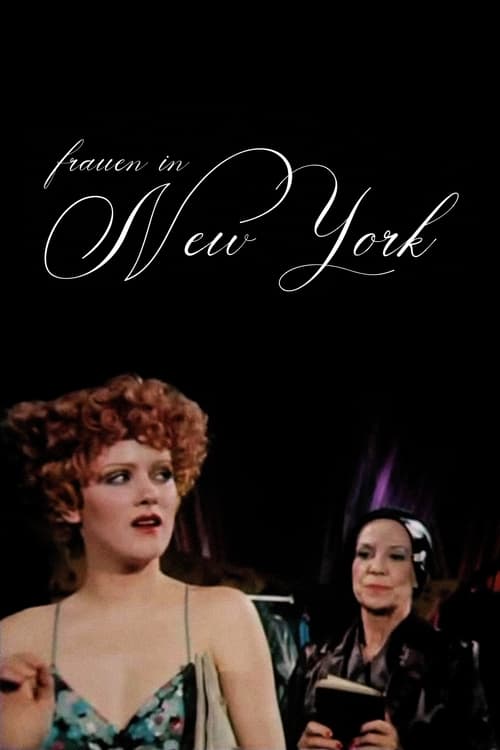
In 1930s New York, a group of bored wealthy women convene in social situations and converse about their husbands and/or lovers.
Women in New York
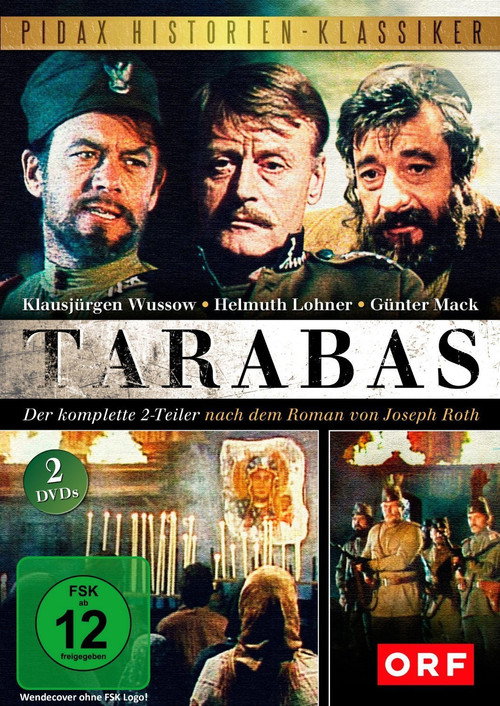
On the eve of WWI, Russian landowner’s son Nicholas Tarabas, a Catholic sympathizer turned assassin exiled to America, returns as a ruthless soldier dubbed “the Terrible.” Yet when anti-Jewish violence erupts, his conscience awakens for the first time.
Tarabas

In war-torn Galicia, devout Jew Mendel Singer’s family faces hardship: his eldest sons are conscripted - one flees to Austria, then America - while their frail newborn Menuchim is deemed unfit to emigrate. Torn between love and survival, Mendel must choose who goes to the New World.
Hiob
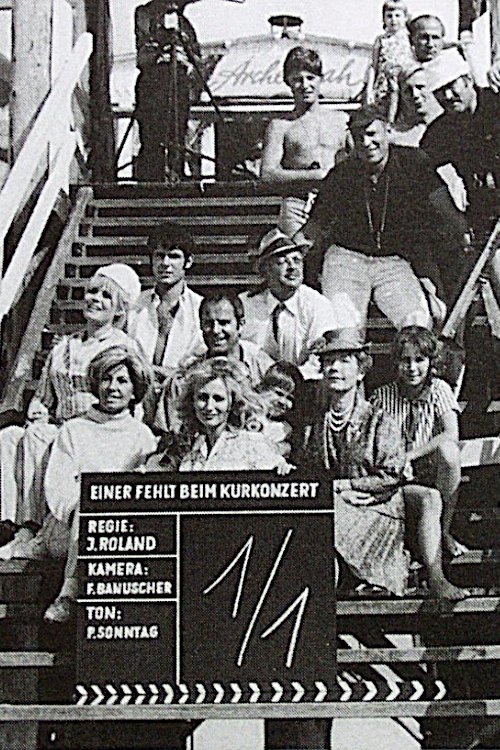
No description available.
Einer fehlt beim Kurkonzert
A young officer suffers under his ambitious wife, who is determined to make a captain out of him. Meanwhile, ship's cook Andresen becomes a father and, for the sake of his wife, becomes an innkeeper ashore, but he is still driven by wanderlust.
Gezeiten
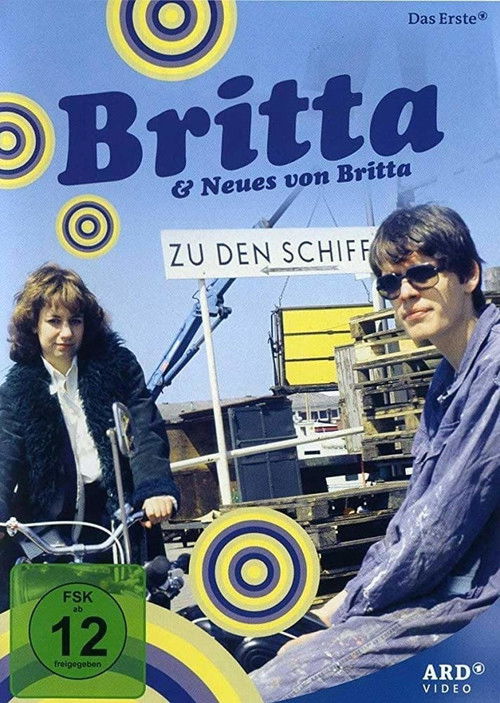
19-year old Britta from northern Germany falls in love with Boris. But when she gets pregnant, Boris doesn't want to have anything to do with her.
Britta
No description available.
Zwei ganze Tage
No description available.
Nachruf auf Jürgen Trahnke
No description available.
Heidi Kabel - Zwei neue Stücke zum 80. Geburtstag und ein bißchen mehr
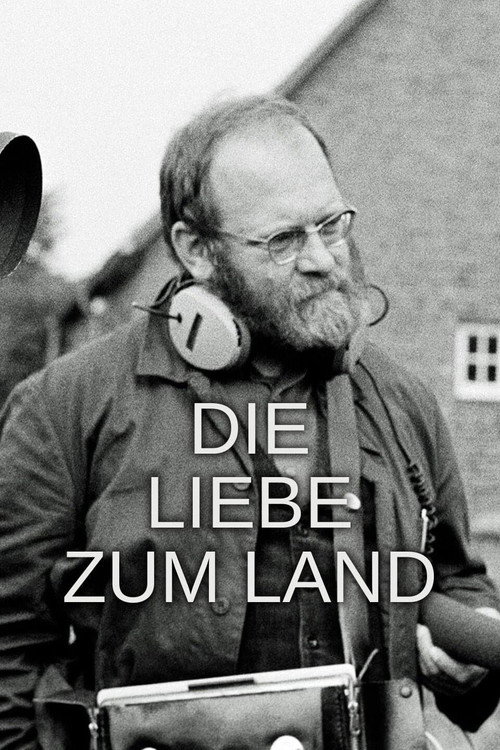
The two-part documentary introduced people in the villages and less populated areas of the Federal Republic. The prevailing structures, worries, hardships and hopes were shown - a portrait of the 1970s.
Die Liebe zum Land
The production of a film requires recording equipment and financial resources, if nothing else. Hellmuth Costard places these basic prerequisites at the centre of his film: using a Super 8 camera system he developed, he films himself as he tries to raise funding for his film project. This creates an unconventional experimental setup, which reveals how the economics, politics, technology, and aesthetics of filmmaking relate to each other – with the ‘great’ Godard being called up as a kind of chief witness.