Camera
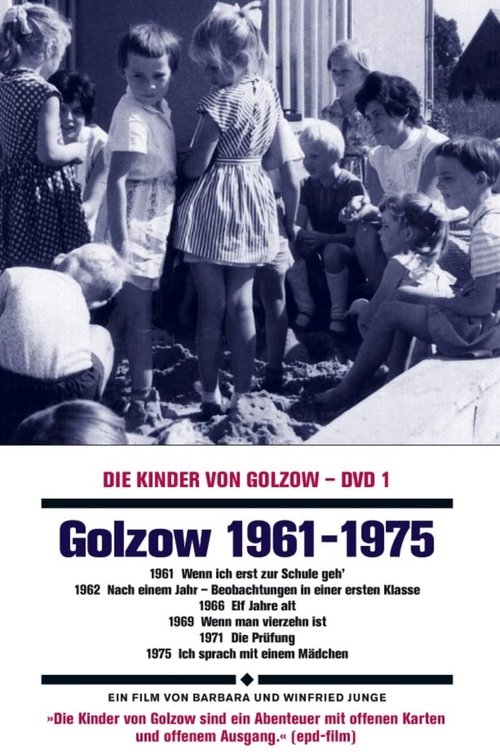
How the class community is formed. The children's environment and the experiences and discoveries that the school gives them. They are reflected in the lessons. At the end of the school year they receive their first report card and are "Young Pioneers".
The final exam of sixteen and seventeen year olds at the end of the 10th grade. The individual in the minutes in which he is supposed to show what he can do and who he is. A last class party before the community ends and one goes apart.
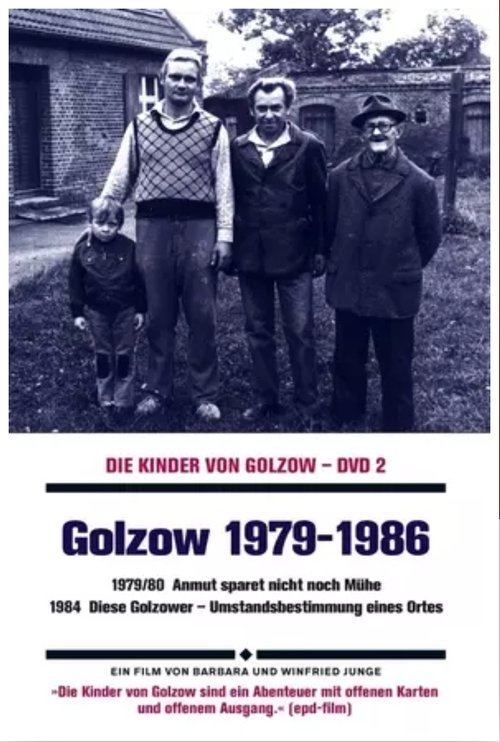
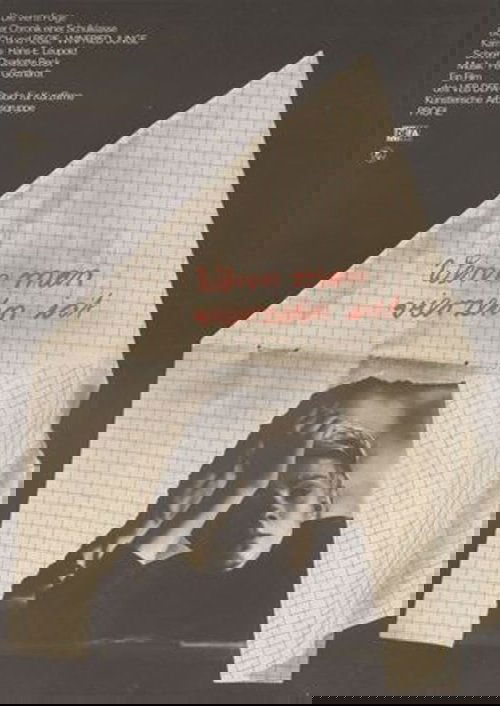
The first summarizing film about the path of the class and the common stations in life. But also about the different paths in the profession, in love, marriage and family. As well as a soldier. A group chronicle, viewed from the historical distance of the 35th year of the end of the 2nd World War and after 18 years of shooting in peace, which ensured everyone the first human right: they were allowed to live.
The documentary tells the story of Anke, Birgit and Katrin, who are training to become cattle breeders and graduate from high school. During this time, they live in a boarding school. The three girls talk about their everyday lives and reflect on their future.
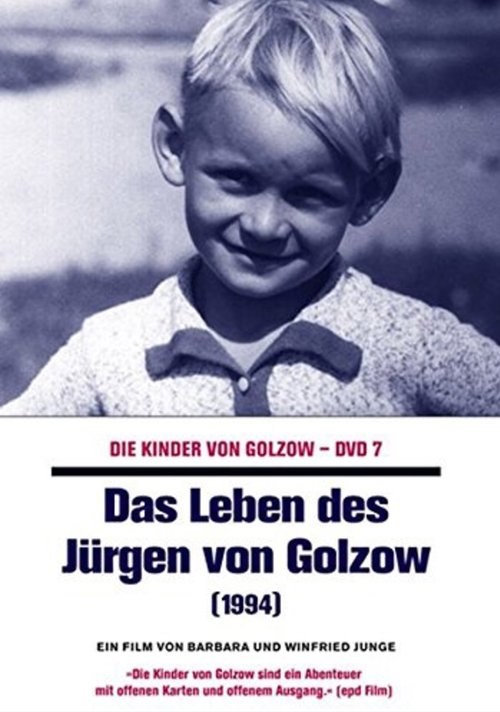
The first life story of one of the "children of Golzow", continued beyond the "Wende" as an independent feature-length film, which tells of the career of the first hero of our first film, using the rich material available from Jürgen, who became a painter and upholsterer, and "his" Golzow, where he still lived at the time.
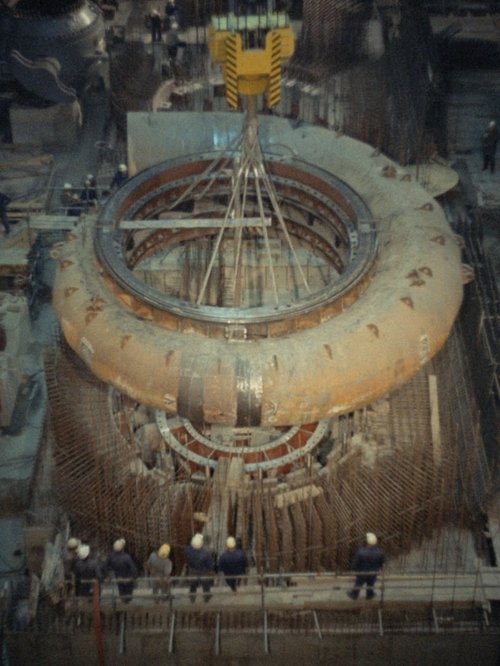
Documentary short about the construction of the Markersbach Pumped Storage Power Plant in East Germany.
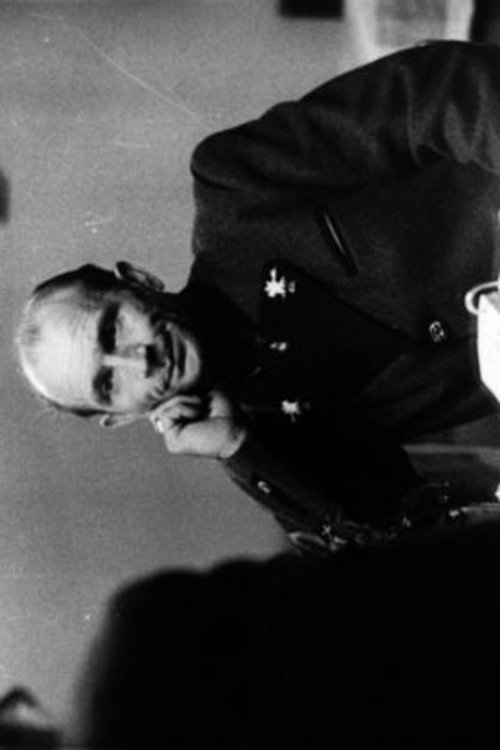
The film’s subtitle identifies it as a “study of the constructive discontent of a composer”. It is a portrait of the pugnacious musician Paul Dessau (1894 – 1979), who was controversial in East Germany, as a teacher. It follows the composer as he rehearses the “Bach Variations” with the Berlin state opera orchestra, as well during classes at the Polytechnic School I in Zeuthen, where he strives to teach the students a critical attitude. In an interview, Dessau bemoans the simplification of artistic media and elucidates the meaning and necessity of “hard sounds in an era that is not soft”. As we see when he works, “pleasure requires effort” … “art is never comfortable. Building socialism is not comfortable at all. That’s why I’m in favour of the uncomfortable”.
The unemployed businesswoman Elke in Golzow, the geriatric nurse Karin in Wuppertal, the first teacher of the class, Marlies Teike, and Gudrun, the former mayor of Genschmar, as well as their father, the long-time LPG chairman of Golzow. In the fourth part of the irrevocably last film about the children of Golzow: the agricultural machine fitters Bernhard and Eckhard and Dr. Manfred Großkopf, managing director of the Landwirtschafts-GmbH Golzow, which emerged from the LPG. His epilogue recalls once again a reunion of some of the former pupils at the kindergarten's Buddelkasten on the eve of the 1st anniversary of German reunification. Accompanied by a song from the Golzow school, which wants to call itself "School of the Children of Golzow" in the future, the camera leaves the village and reaches the Oder River with aerial shots, which flows through the wide plain of the fracture towards the sea.
Fontane's stories are set in 18th-century Prussia. The Knesebeck family lives on Lake Ruppin, though their wealth is only temporary.
The first two parts of the 19th film are about five former pupils. Two of them already made themselves known through the "CVs" of 1980: Ilona, the electronics worker and later youth functionary in Frankfurt (Oder), and Winfried, the graduate engineer for electronic device construction, who was then also commander of the combat group of his company, the Gröditz (Saxony) pulp mill, and now lives temporarily unemployed in Augsburg. In addition to Ilona and Winfried, who were politically active, the new film portrays Jürgen, Petra and Christian. Their cinematic lives are shorter, because the documentarians had long lost track of them. Now, over 50 years old, Jürgen, initially trained as a painter and upholsterer and now a transport and warehouse worker in Manschnow (Oderbruch), and Christian, an agricultural machinery fitter and now an in-house technician at the Kreditanstalt für Wiederaufbau in Berlin, were willing to be filmed once again.
A class reunion of the twenty-somethings in the old school. What one remembers, what the individual has new to tell. One of them: Marieluise. Her love, her work, her demands on herself and the world into which she is coming of age.
They are now no longer children. Young citizens distinguish themselves. The time before the Jugendweihe and its celebration. They visit Weimar, the former Sachsenhausen concentration camp, the Schwedt petrochemical combine, and decide to go into business after the eighth grade, stay until the tenth, or take the Abitur in the district town.
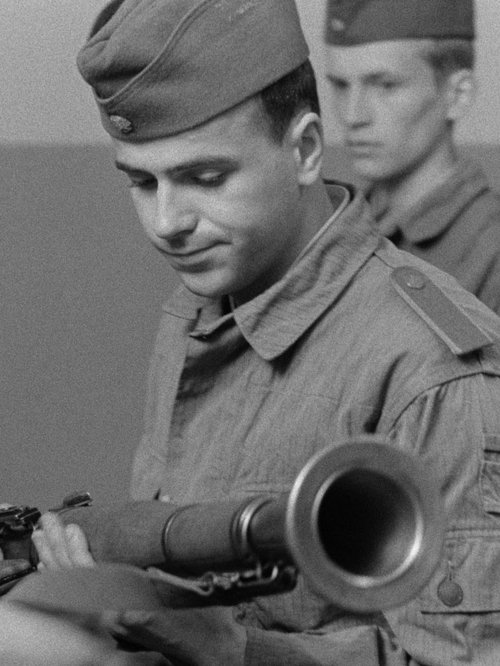
Young East German men starting their compulsary 18-month military service at a Rostock garrison.
In two chapters the film shows men in divided Germany willing to leave their country. In the first chapter, East-Germans are shown who leave their wives and children behind in order to live in the Federal Republic of Germany. In the second chapter, unmarried West-Germans try to move to the German Democratic Republic.
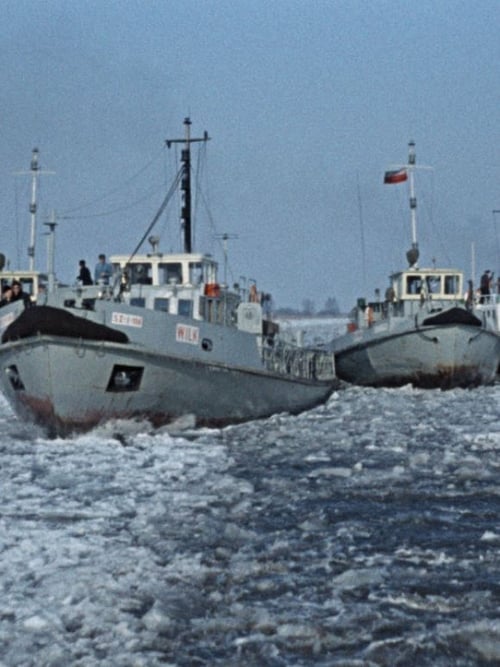
Documentary reports on the annual icing of the Oder in the 160-kilometer border area between the GDR and the People's Republic of Poland. Icebreakers from both countries with experienced skippers join forces to make the international waterway between Frankfurt and Szczecin navigable again. Everyone works hard as a team and even a broken-down ship cannot stop them from achieving their goal. A look back at the winter of 1947 with its flooding shows what the freezing of the river and the subsequent thaw can do if the ice floes are not drained into the Baltic Sea via Lake Dammsch in good time. The skippers from both countries have known each other for years and trust each other; the camaraderie that has developed on the Oder unites the people, they control the river in winter for the common benefit of all.
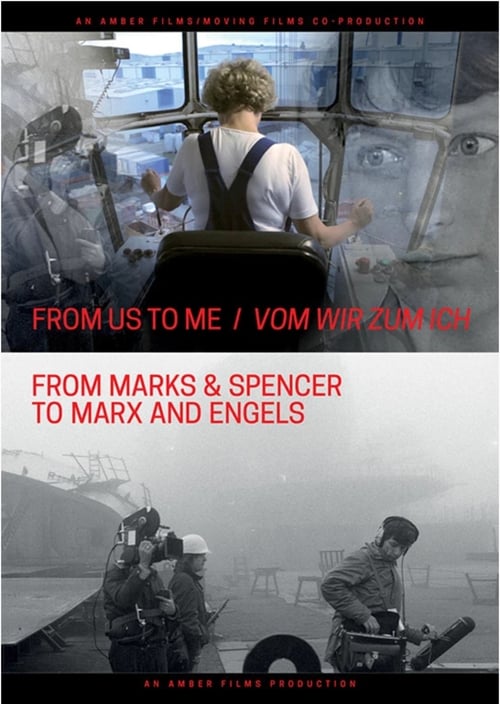
This first co-production between the GDR and Great Britain is intended to contribute to an understanding of the situation and attitudes of millions of working people in opposing social orders. Using the example of shipyard workers, fishermen, the brigade and family of a trade union active cook and unemployed person of various ages and professions in Newcastle on the one hand and a brigade of crane operators of the Warnowwerft and fishermen of the Warnemünde cooperative on the other hand, insights into the way of life and attitudes of people of our time are to be conveyed.
A film about the Germany meeting at Pentecost 1964. It focuses on questions and answers from young Germans from East and West during a club discussion.
The age group in a group portrait of the fifth grade. They make suggestions for filming at school, in their free time and at home. Growing challenges through the lessons that bring knowledge and new questions and broaden their horizons.
A village in the Republic celebrated its traditional clover festival in the summer of 1976. In the form of a political feuilleton, the film conveys to the viewer the new attitude to life of the people in the countryside.
The epilogue to the film "The Laughing Man" (1966), which alternates between objectivity and anger, exposes the involvement of the West German mercenary Siegfried Müller in the war against the Congolese government Lumumba. In the sequel, new witnesses against Major Müller have their say, including a former school friend and a French paratrooper colonel. GDR lawyer Kaul reports on the status of the criminal proceedings against Müller, while the final images show the war criminal feeding the ducks in South Africa.