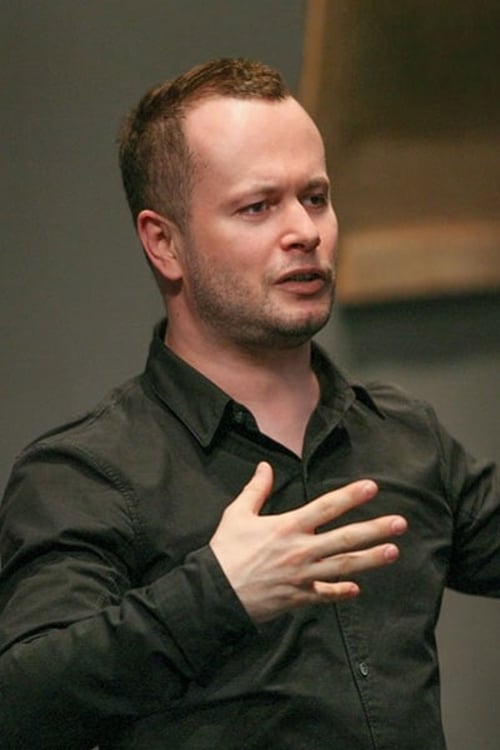
Dmitri Tcherniakov
Directing
Known For
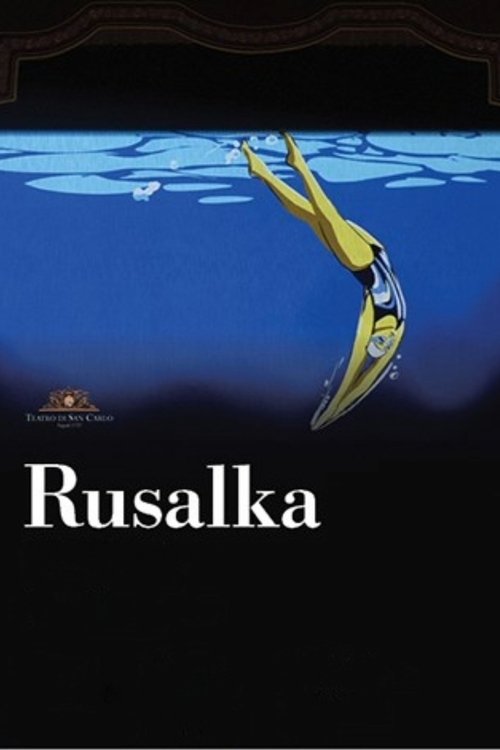
Captured live from Naples’ splendid San Carlo Theatre – the world’s oldest continuously running public opera venue – where it opened the company’s theatrical season, acclaimed director Dmitri Tcherniakov stages a new production of Dvořák’s beautiful, supremely romantic opera about a water sprite Rusalka who longs to find love.
Teatro Di San Carlo: Rusalka
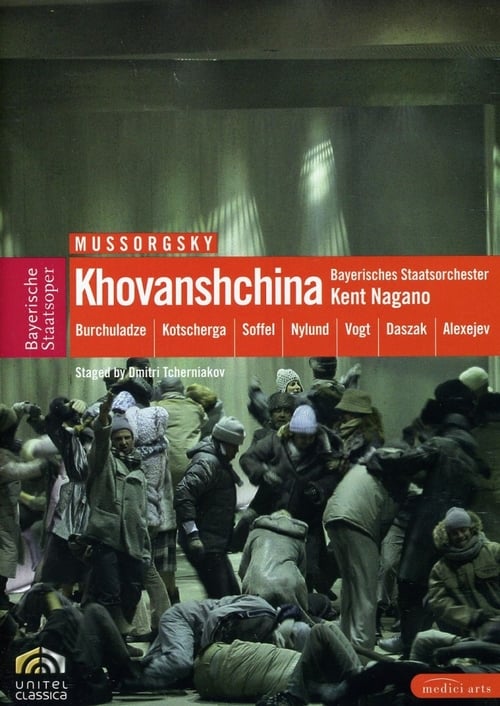
Kent Nagano superbly masters the challenges presented by this score, shapes the dynamics with subtle intensity, and casts the score in a mellow glow. As Marfa, the spurned lover of Ivan Khovansky‘s son Andrei, Doris Soffel unfolds such a rich palette of sonorities, from the pathos of the lower ranges to shaded discant heights, that “one is tempted to speak of a Russian mezzo”. The final chorus, which Mussorgsky did not compose, is played in the orchestrally transparent version of Igor Stravinsky – the third great Russian composer who contributed to making “Khovanshchina“ a timeless, gripping stage work. With his stripped-down sets and historicising costumes, director Dmitri Tcherniakov, one of the new voices of contemporary Russian theatre, builds a bridge to the political present. A lesson in history and music!
Mussorgsky: Khovanshchina
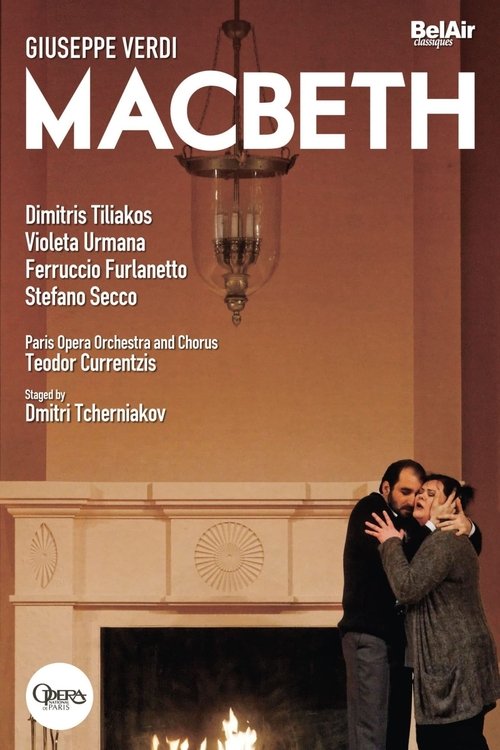
Coproduced with Siberia’s Novosibirsk Opera, this new Macbeth uses cutting-edge multimedia technology to give the viewer a fresh perspective on the work. Google Earth satellite images plunge us into the heart of the action: a gloomy square surrounded by soulless buildings, and the interior of an aristocratic residence. Witches are no more a part of Tcherniakov’s Macbeth that the duel was of Onegin, but once again the atmosphere is one of brooding claustrophobia. Tcherniakov has chosen a great cast, beginning with the marvellous Lithuanian soprano Violeta Urmana as Lady Macbeth. Greek baritone Dimitris Tiliakos is a powerful presence as Macbeth, while the Italians Ferruccio Furlanetto (bass) and Stefano Secco (tenor) are sumptuous as, respectively, Banquo and Macduff. In this, his second production at the Paris Opera, Teodor Currentzis, music director of the Novosibirsk Opera and Ballet Theatre conducts with verve and a splendid theatrical sense.
Macbeth: Opéra National de Paris
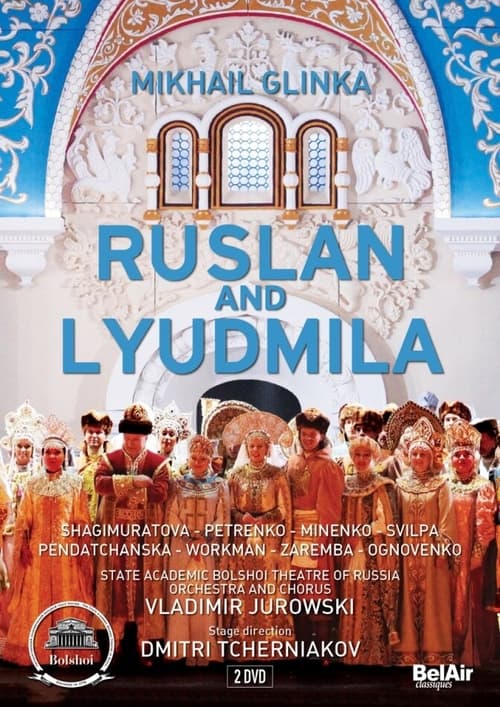
The reopening show of the historical stage of the Bolshoi Theatre by Jurowski and Tcherniakov. "Ruslan and Lyudmila", opera by Mikhail Glinka, has particular relation with the Bolshoï Theater, it held more than 700 representations throughout the history and nine different productions. Logically the fable of Mikhail Glinka (from a poem of Pushkin), symbol of the Russian opera, opened the season 2011-2012 of the majestic Moscow s opera, after its long renovation. This reopening inspired the director Dmitri Tcherniakov, who signed the direction of this new production. The new devices of the Bolshoi Theatre and its two giant screens are fully exploited in a spectacular staging. Tcherniakov transposes Glinka s opera at the 21th century with contemporary ambitions because of the "modernity of the subject", trying there to put forward "the deep feelings of the characters , exposing the protagonists to very modern temptations: a "harem" for Ruslan, a Thai massage for Lyudmila.
Glinka: Ruslan and Lyudmila

No description available.
Richard Wagner: Götterdämmerung - Aus der Staatsoper Unter den Linden, Berlin
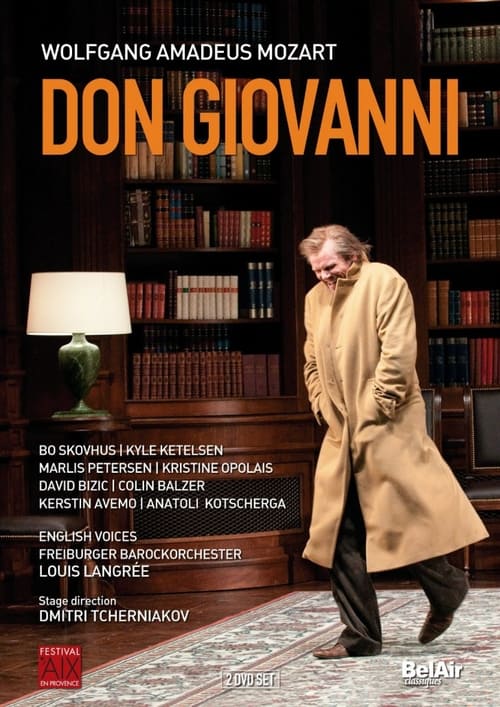
More than two centuries after its creation, the emotional pull of this supreme opera remains absolutely intact. Dmitri Tcherniakov duly revisits the myth and makes the seducer of Seville a ‘man without qualities’, a cipher whose words have a hypnotic power over women. His words will disrupt the proprieties ruling the Commandatore’s family. His words are also what makes Don Juan such a subversive figure and the embodiment of one of the most powerful modern European myths. Leading the Freiburg Baroque Orchestra is one of the best Mozart conductors, Louis Langrée. Bo Skovhus portrays a dispirited Don Giovanni, old playboy and anti-hero. Kyle Ketelsen is his servant Leporello, currently a shoe-in for this rôle. The superb female trio is composed of Marlis Petersen (Donna Anna), Kristine Opolais (Elvira) and Kerstin Avemo (Zerlina).
Mozart: Don Giovanni

After the success of Rigoletto, Verdi called on librettist Salvadore Cammarano in 1851 for his new opera Il Trovatore, based on the eponymous play by Spanish playwright Antonio García Gutiérrez. Verdi takes us to 15th century northern Spain to witness the tragic destiny of those under the control of the gypsy Azucena, who seeks to avenge the death of his mother. The first percussion notes are solemn, setting the tone for Verdi’s masterpiece, whose main themes include abandonment, passion, power, love for one’s parents and vengeance. The music is sometimes tender and sensuous, with exceptional energy and force, revealing daring and mastery in its musical and vocal language. This production marked the debut of Russian stage director Dmitri Tcherniakov at La Monnaie and the first Verdi interpretation by Marc Minkowski.
Verdi: Il Trovatore
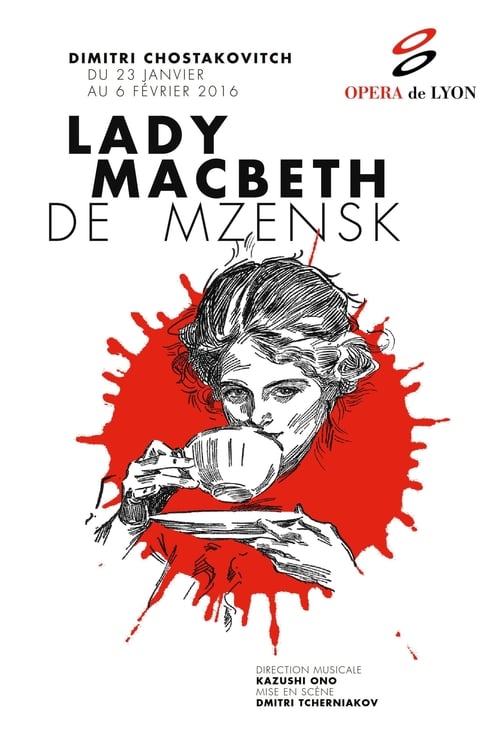
Lady Macbeth of Mtsensk is a powerful work of raw emotional intensity. With themes of adultery and murder, the story follows the downfall of a bored provincial merchant’s wife who seeks solace and excitement in an extra-marital affair. With a bold and contemporary setting, the staging provides the perfect backdrop to this 20th-century opera’s unflinching approach to sex and violence.
Chostakovitch: Lady Macbeth de Mzensk
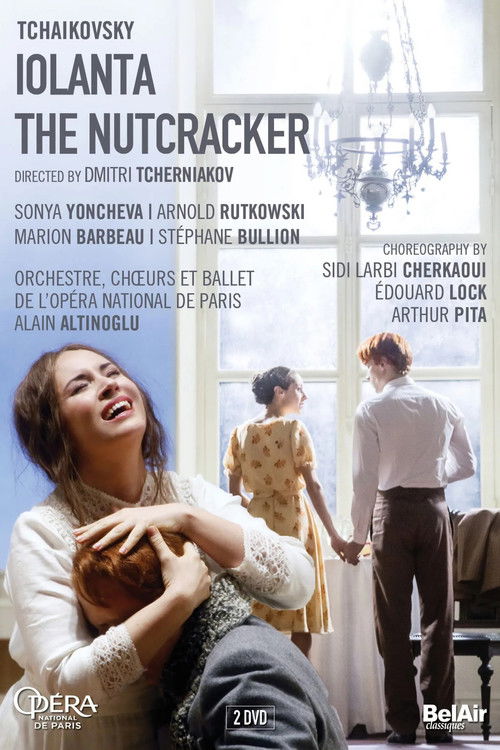
To bring together again, for the first time since their premiere on a December evening in Moscow, Tchaikovsky’s opera Iolanta and ballet The Nutcracker, was the audacious challenge that Russian stage director Dmitri Tcherniakov accepted for the Palais Garnier in Paris in March 2016 : a revolutionary production, which was to become one of the key events of the Paris Opera season.
Tchaikovsky: Iolanta / The Nutcracker
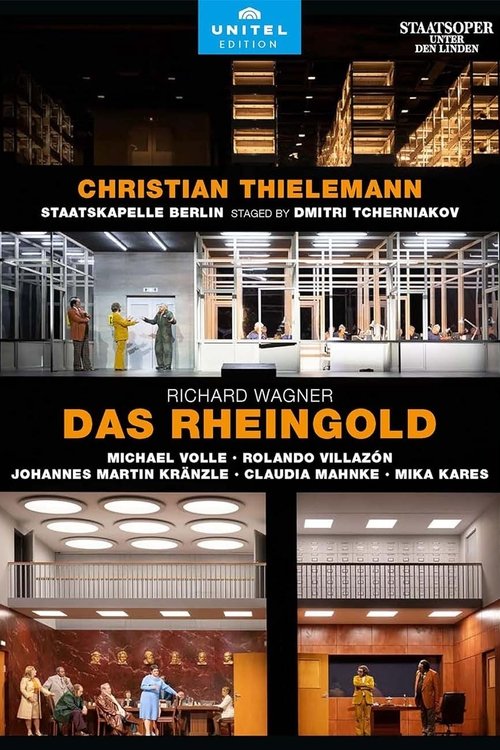
A myth, a heroic epic, a family saga - perhaps all of these together – make up Richard Wagner’s Ring tetralogy. This epic production of the Staatsoper Unter den Linden sees a remarkable collaboration between Christian Thielemann, one of the most distinguished Wagner conductors of our time, and Dmitri Tcherniakov, one of the great, internationally celebrated opera directors of our time.
Richard Wagner: Das Rheingold - Aus der Staatsoper Unter den Linden, Berlin
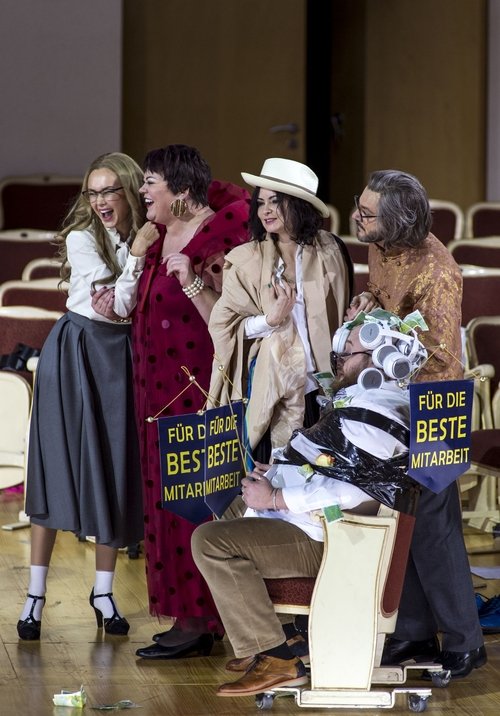
The support group for opera addicts is in session, and its participants perform Prokofiev's Betrothal in a Monastery. Rarely performed outside Russia, and consigned to oblivion by Andrei Zhdanov's anti-formalist policies after the Second World War, the work is transformed by Dmitri Tcherniakov's extravagant staging. Under the baton of Daniel Barenboim, an all-star cast featuring Aida Garifullina and Violeta Urmana bring the characters to life on stage at Berlin's Staatsoper Unter den Linden.
Betrothal in a Monastery
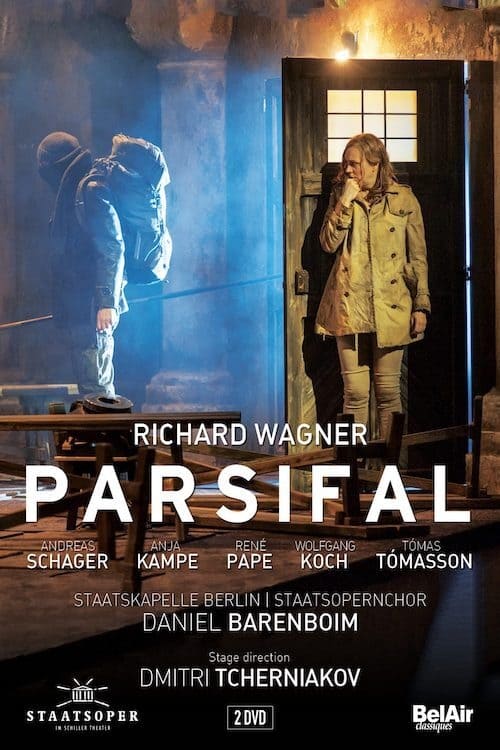
Wagner’s mystic masterpiece Parsifal at the Staatsoper Berlin, staged by Dmitri Tcherniakov and conducted by Daniel Barenboim. Wagner’s last opera, Parsifal is a medieval epic story marked by Christian, Buddhist and esoteric references. It is about redemption and renewal, but this new production by Russian director Dmitri Tcherniakov adds a jarring note : revenge. This “Festival Play for the Consecration of the Stage” is similar to a Medieval epic, a blend of metaphysical dreams and esoteric battles with constant spiritual references. This new production is directed by Dmitri Tcherniakov, conducted by Daniel Barenboim and sung by an international cast of excellent singers: Andreas Schager, Anja Kampe, Wolfgang Koch, René Pape, Tomas Tómasson and Matthias Hölle.
Parsifal
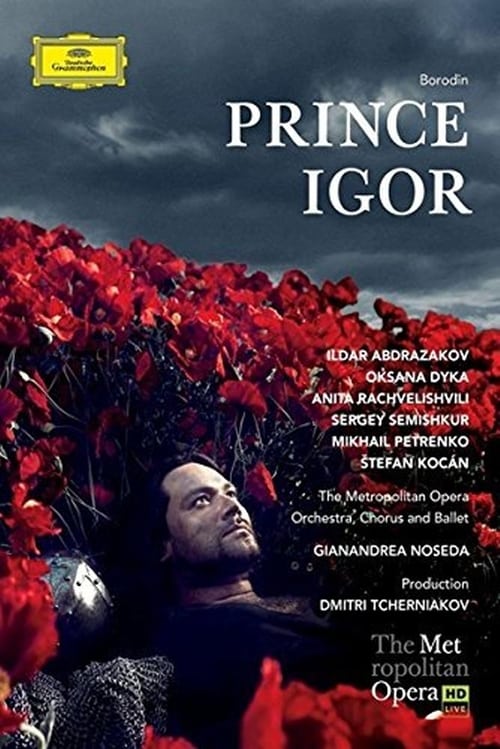
Live performance from the Metropolitan Opera, March 1, 2014. Absent from the Met stage since 1917, Borodin’s masterwork about an introspective prince’s military campaign against the invading Polovtsians returned in 2014 with a first-rate cast and an astonishing production by Dmitri Tcherniakov. Well worth the wait, the sets feature visually striking projections interlaced with lush flowering fields, and the first act delivers one of opera’s most exciting dance medleys, a portion of which went mainstream in the 1950s when Tony Bennett recorded “Stranger in Paradise.”
Prince Igor
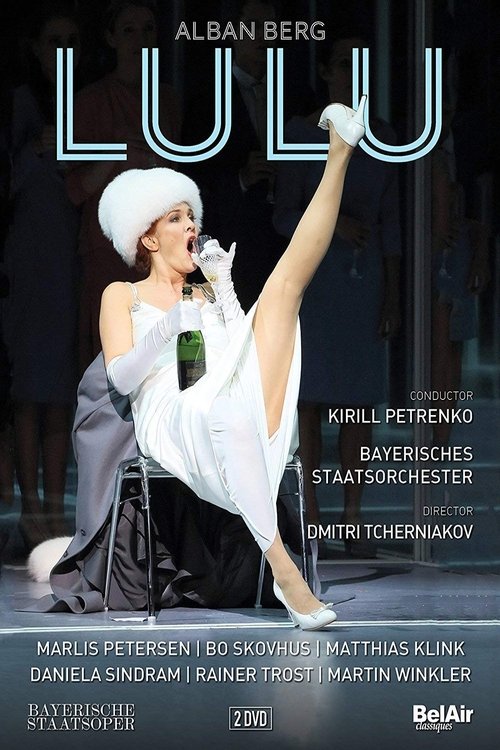
At the Bayerische Staatsoper in Munich, Kirill Petrenko conducts this new production of Alban Berg's Lulu, directed for stage by Dmitri Tcherniakov and starring the soprano Marlis Petersen (Lulu).
Lulu
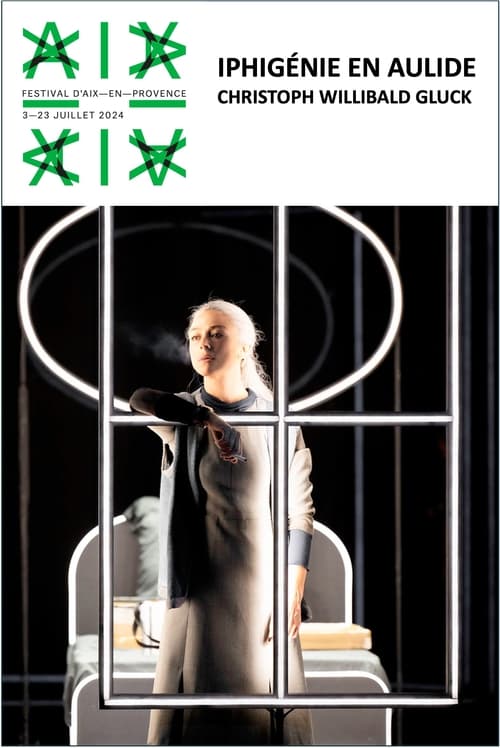
A decade before the French Revolution, in a country riven with bitter polemics, Gluck throws the history of opera into confusion by raising it to an unheard-of peak of tragic intensity. Experiencing his two Iphigenias in a single evening goes beyond the norms of operatic life: it is to enter the very heart of the curse on the family of King Atreus of Mycenae, to follow a logical destiny through a cycle of endless violence. How does the victim of Aulis become the murderess of Tauris? That is the burning question that Dmitri Tcherniakov must adress, plunging the spectator into the midst of a household haunted by the dead and setting in train an implacable process of dehumanization, with parallels to our world today. Conducting Le Concert d’Astrée, Emmanuelle Haïm drives this dual tragedy to the summit of its expressive power, leaving humanity to be translated through arias of the utmost poignancy.
Iphigenie en Aulide / Iphigénie en Tauride @ Festival d'Aix-en-Provence 2024
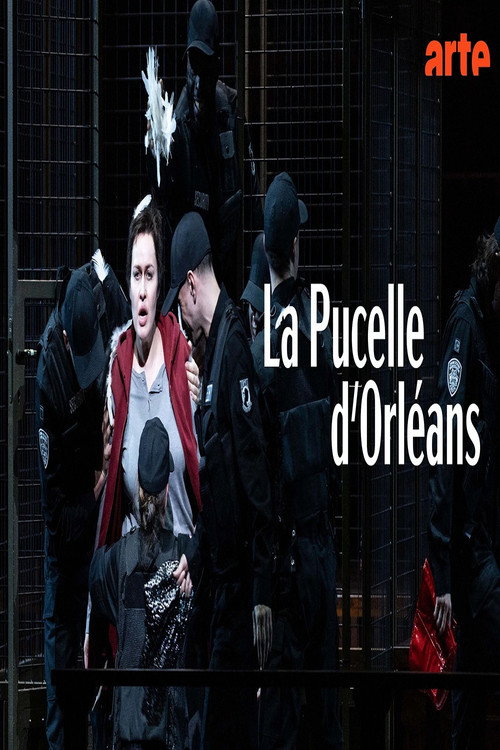
In a court trial, Joan of Arc is charged with high treason ... Dmitri Cherniakov presents a modern reinterpretation of Tchaikovsky’s least frequently performed opera, set entirely in a courtroom, with soprano Elena Stikhina in the title role.
Dutch National Opera: The Maid of Orleans
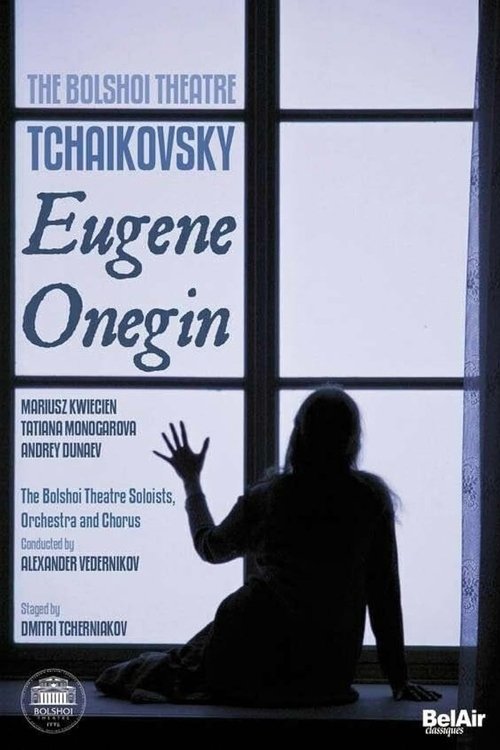
Live performance by the Bolshoi Theatre at the Palais Garnier, Opéra National de Paris, 2008.
Eugene Onegin
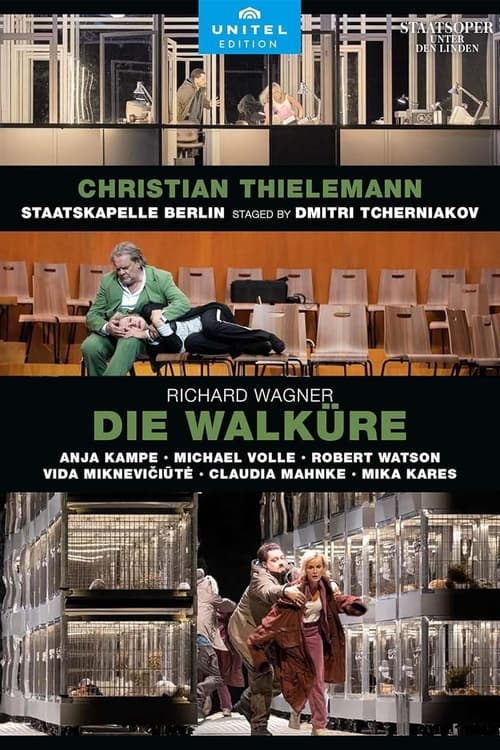
Christian Thielemann conducts "Walküre", the second part of the "Ring des Nibelungen", at the Staatsoper Unter den Linden. Having paid the giants for building Valhalla with the ring stolen from Alberich, Wotan is determined to get it back. For if he fell into Alberich's hands again, the fate of the gods would be sealed. But since he himself, as the father of the gods, is not allowed to break contracts, his children Siegmund and Sieglinde are to take care of that...
Richard Wagner: Die Walküre - Aus der Staatsoper Unter den Linden, Berlin
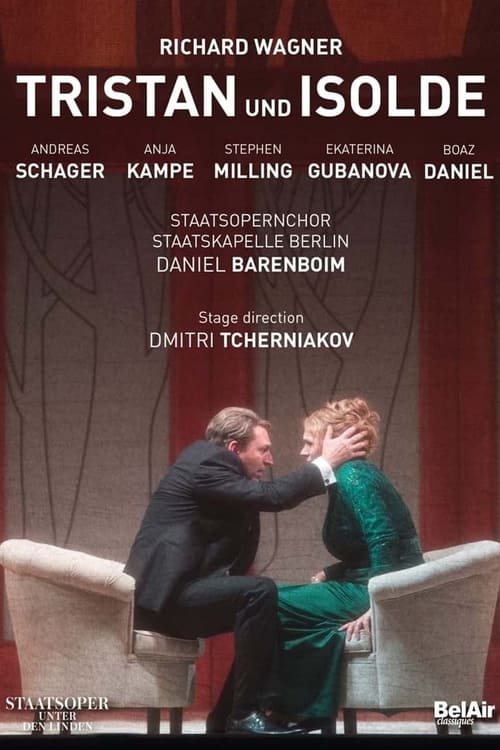
Rediscover one of the world’s most famous operas with Dmitri Tcherniakov’s modern staging at the Staatsoper Berlin. Performed repeatedly at the opera, the story of Tristan and Isolde is known far and wide—a love potion, a challenge to the king, a tragic destiny—its themes have become staples of the musical repertoire.
Wagner: Tristan und Isolde

Sergei S. Prokofiev's monumental setting of Leo N. Tolstoy's epic novel, War and Peace. The composer and his wife Mira compressed the plot, set during Napoleon's Russian campaign, into a powerful sequence of scenes in which the love story between Natasha Rostova and Andrei Bolkonsky and the description of the Russian army's fight against the French invasion alternate in rich contrast, and at the same time are closely interwoven. All is related by the music in its fullness of splendid themes and touchingly quiet moments. Prokofiev's musical-dramatic masterpiece combines social drama and historical chronicle in its 13 scenes to form an exuberant panorama. In this production by Dmitri Tcherniakov, the opera is performed in in Munich for the first time ever.