Directing
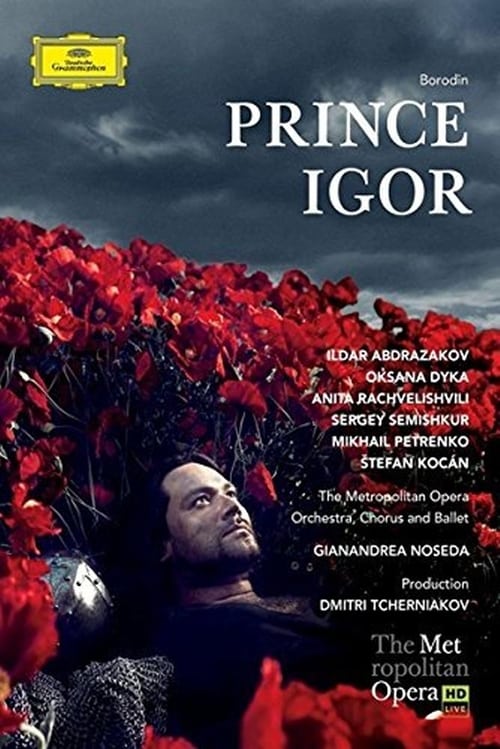
Live performance from the Metropolitan Opera, March 1, 2014. Absent from the Met stage since 1917, Borodin’s masterwork about an introspective prince’s military campaign against the invading Polovtsians returned in 2014 with a first-rate cast and an astonishing production by Dmitri Tcherniakov. Well worth the wait, the sets feature visually striking projections interlaced with lush flowering fields, and the first act delivers one of opera’s most exciting dance medleys, a portion of which went mainstream in the 1950s when Tony Bennett recorded “Stranger in Paradise.”
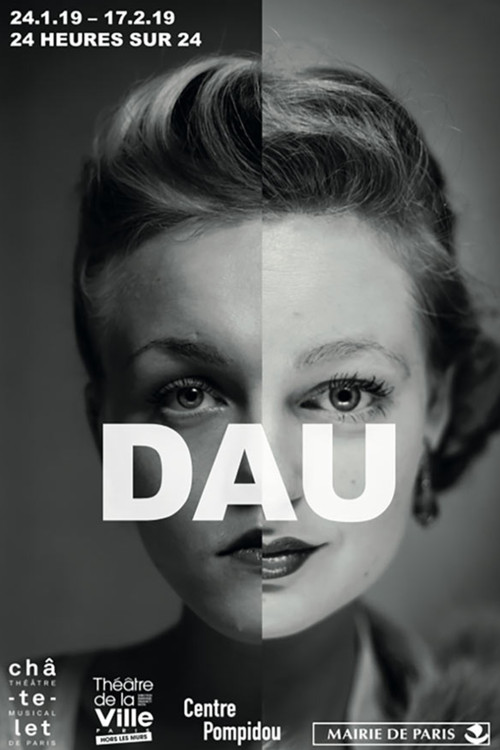
Inspired by the life of Soviet physicists who created the atomic bomb, DAU tells the story of a brilliant Greek-born physicist living in the USSR from 1928 to 1968. Driven to understand the laws of the universe, Dau is soon forced to use his genius in service of the state and help create the deadliest weapon in history. In a secret research institute, everyday life is shaped by scientific dominance, power, surveillance and privilege. Increasingly stripped of his autonomy, Dau attempts to find freedom and happiness outside his marriage through an endless succession of affairs, ultimately losing both himself and his ability to love. Spanning four transformative decades, DAU is both an intimate portrait of one man and a monumental fresco of a society shaped by violence and ideology. It is a saga about the search for happiness, the price of freedom, and the countless everyday compromises that quietly shape both a human destiny and the course of history.
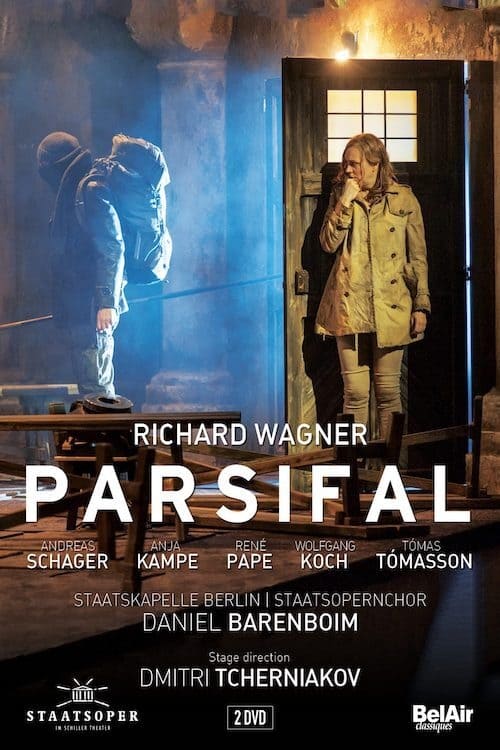
Wagner’s mystic masterpiece Parsifal at the Staatsoper Berlin, staged by Dmitri Tcherniakov and conducted by Daniel Barenboim. Wagner’s last opera, Parsifal is a medieval epic story marked by Christian, Buddhist and esoteric references. It is about redemption and renewal, but this new production by Russian director Dmitri Tcherniakov adds a jarring note : revenge. This “Festival Play for the Consecration of the Stage” is similar to a Medieval epic, a blend of metaphysical dreams and esoteric battles with constant spiritual references. This new production is directed by Dmitri Tcherniakov, conducted by Daniel Barenboim and sung by an international cast of excellent singers: Andreas Schager, Anja Kampe, Wolfgang Koch, René Pape, Tomas Tómasson and Matthias Hölle.
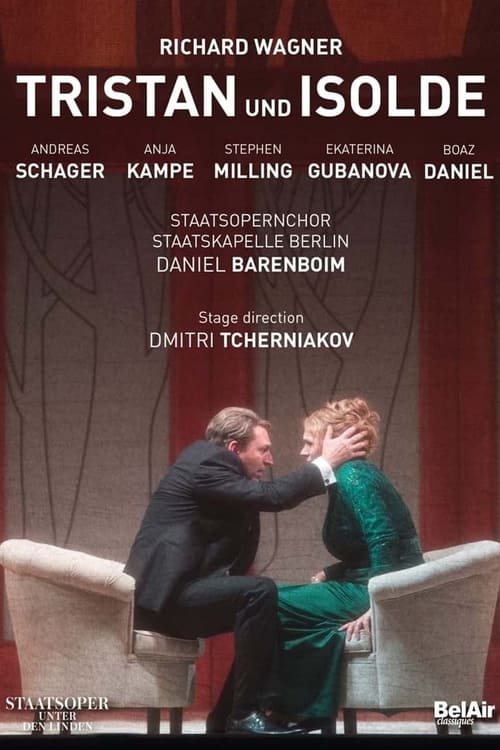
Rediscover one of the world’s most famous operas with Dmitri Tcherniakov’s modern staging at the Staatsoper Berlin. Performed repeatedly at the opera, the story of Tristan and Isolde is known far and wide—a love potion, a challenge to the king, a tragic destiny—its themes have become staples of the musical repertoire.
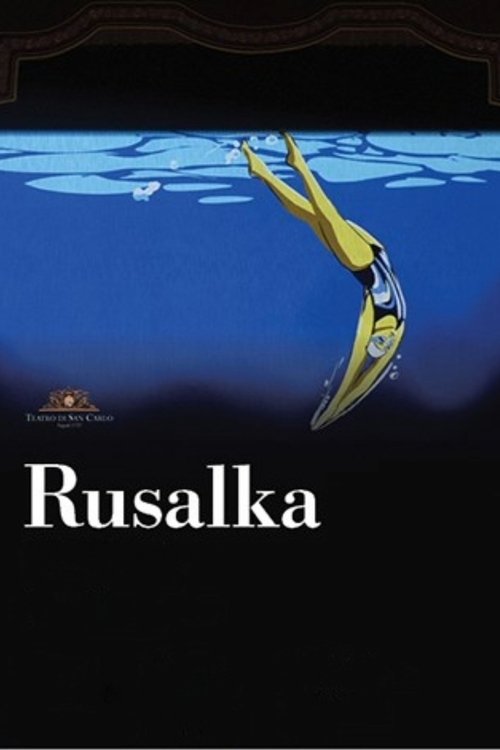
Captured live from Naples’ splendid San Carlo Theatre – the world’s oldest continuously running public opera venue – where it opened the company’s theatrical season, acclaimed director Dmitri Tcherniakov stages a new production of Dvořák’s beautiful, supremely romantic opera about a water sprite Rusalka who longs to find love.
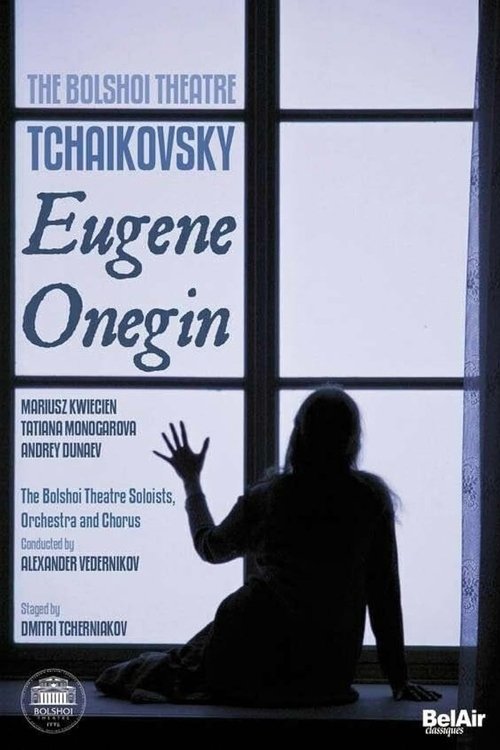
Live performance by the Bolshoi Theatre at the Palais Garnier, Opéra National de Paris, 2008.
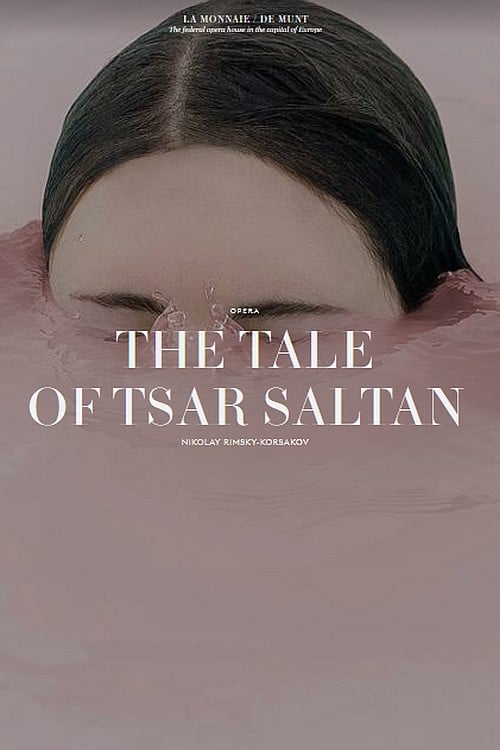
Tsar Saltan marries the youngest of three sisters, having heard that it is her dearest wish to present him with a heroic son and heir. Her jealous sisters and the old Aunt Barbaricha cannot bear this situation to persist and by trickery see to it that the Tsaritsa and her newborn son Gvidon are thrown into the sea. In their barrel they are washed ashore on an enchanted island where the rapidly growing tsar’s son saves a swan from the clutches of a wizard. In gratitude, the swan helps Gvidon to visit his native country once again in the guise of a bumblebee. Three wishes, three miracles and three bee-stings later, father and son are finally able to get to know each other.
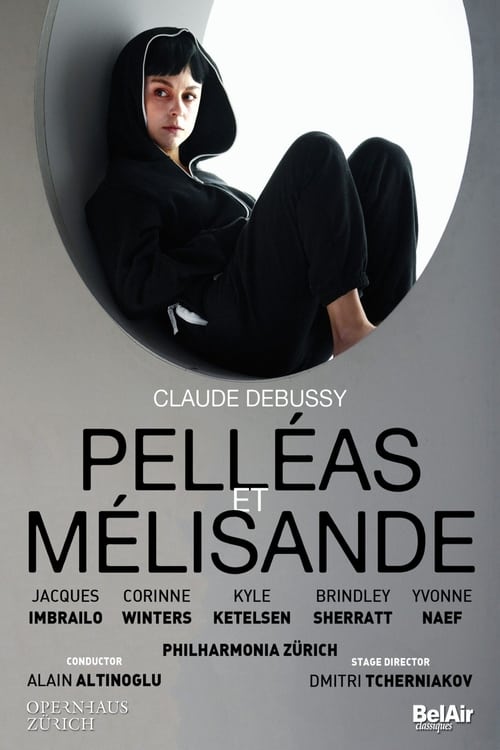
In this strikingly modern 2016 production from the Zurich Opera House, Tcherniakov transposes the opera’s intrigue from forest and castle to living room and psychiatric office. The love story of the original work remains riveting, but Tcherniakov brings an unexpected psychological element to his mise en scène, with Prince Golaud as a psychiatrist and Mélisande as a young woman suffering from PTSD. You’ve never seen Pelléas like this!
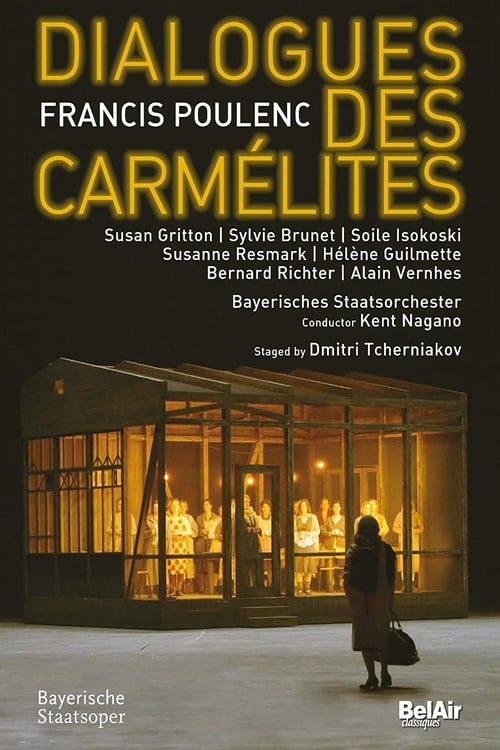
The first ever performances in Munich, this production was entrusted to Dmitri Tcherniakov, whose worldwide reputation is underpinned by productions like Eugene Onegin and Macbeth at the Paris Opera and Don Giovanni at Aix-en- Provence. The superb international cast includes a fine Blanche de la Force in Susan Gritton and an excellent Madame de Croissy by Sylvie Brunet, who was favourably compared to Rita Gorr in the press.
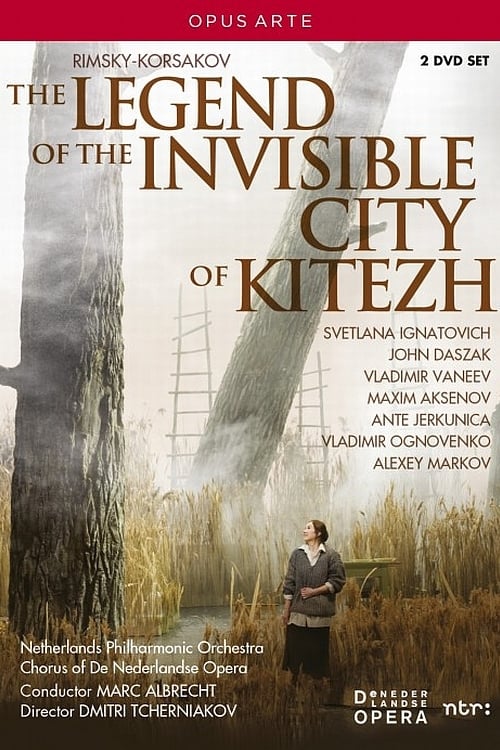
Opera lies at the heart of Rimsky-Korsakov's colourful idiom, but performances are few and far between; this realisation of his penultimate and grandest stage work is a very rare and special experience. Kitezh is known as "the Russian Parsifal", which encapsulates its mystical flavour and steady unfolding of a legend of redemption
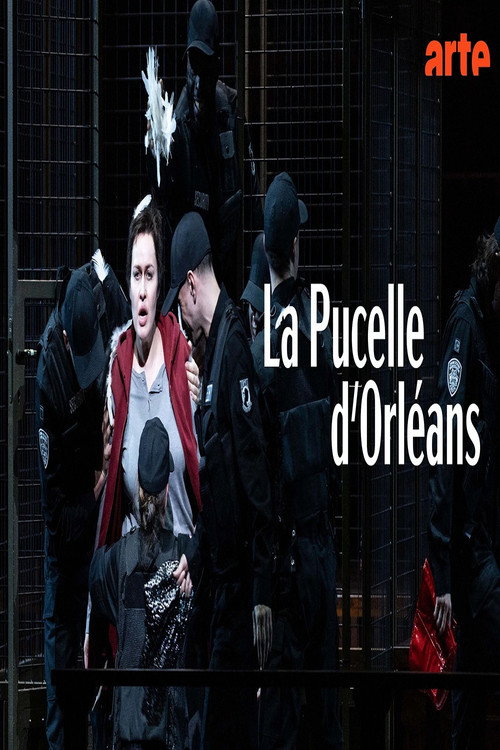
In a court trial, Joan of Arc is charged with high treason ... Dmitri Cherniakov presents a modern reinterpretation of Tchaikovsky’s least frequently performed opera, set entirely in a courtroom, with soprano Elena Stikhina in the title role.
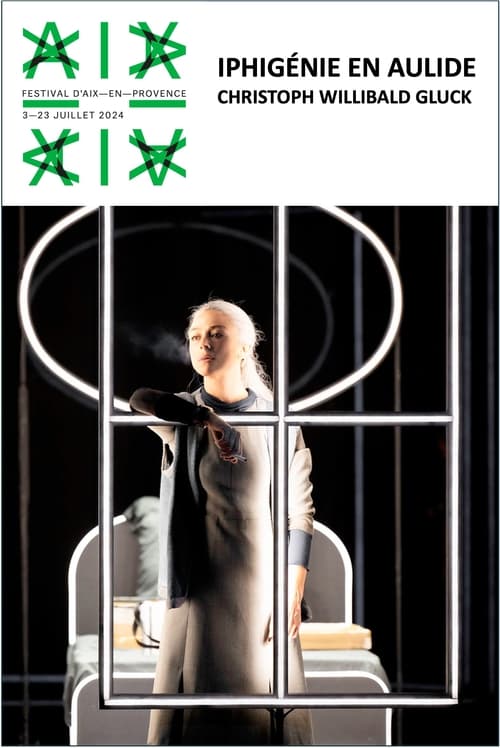
A decade before the French Revolution, in a country riven with bitter polemics, Gluck throws the history of opera into confusion by raising it to an unheard-of peak of tragic intensity. Experiencing his two Iphigenias in a single evening goes beyond the norms of operatic life: it is to enter the very heart of the curse on the family of King Atreus of Mycenae, to follow a logical destiny through a cycle of endless violence. How does the victim of Aulis become the murderess of Tauris? That is the burning question that Dmitri Tcherniakov must adress, plunging the spectator into the midst of a household haunted by the dead and setting in train an implacable process of dehumanization, with parallels to our world today. Conducting Le Concert d’Astrée, Emmanuelle Haïm drives this dual tragedy to the summit of its expressive power, leaving humanity to be translated through arias of the utmost poignancy.
Three hundred years old and as timely as ever, Handel's monumental Giulio Cesare in Egitto (Julius Caesar in Egypt) arrives at the 2025 Salzburg Festival in a new staging by the audacious, award-winning Dmitri Tcherniakov! When Caesar (Christophe Dumaux) comes to Egypt on the hunt for his enemy Pompey, he discovers that the pharaoh Ptolemy (Yuriy Mynenko) has beaten him to the punch, setting Pompey's son Sextus (Federico Fiorio) on a mission for vengeance — all while Ptolemy's sister Cleopatra (Olga Kulchynska) schemes to take the throne for herself, leading her directly into the path of Caesar… This tale of uncompromising rivalries and the corrupting thrall of political power is animated by one of Handel's finest scores, majestic in the hands of expert Baroque ensemble Le Concert d'Astrée under their celebrated founder Emmanuelle Haïm.
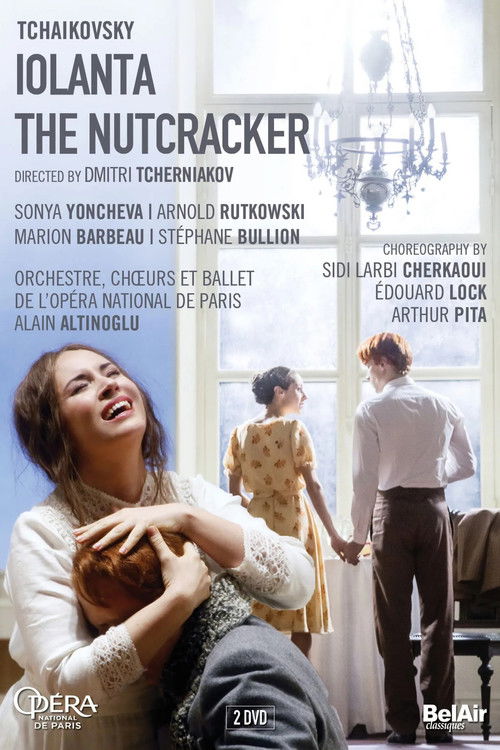
To bring together again, for the first time since their premiere on a December evening in Moscow, Tchaikovsky’s opera Iolanta and ballet The Nutcracker, was the audacious challenge that Russian stage director Dmitri Tcherniakov accepted for the Palais Garnier in Paris in March 2016 : a revolutionary production, which was to become one of the key events of the Paris Opera season.
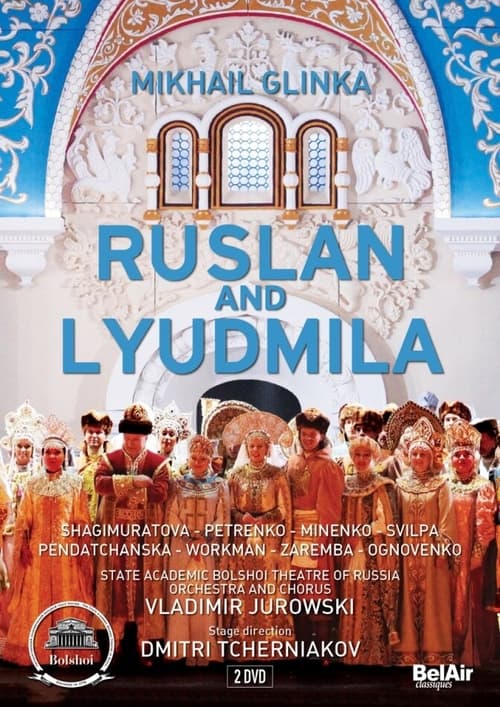
The reopening show of the historical stage of the Bolshoi Theatre by Jurowski and Tcherniakov. "Ruslan and Lyudmila", opera by Mikhail Glinka, has particular relation with the Bolshoï Theater, it held more than 700 representations throughout the history and nine different productions. Logically the fable of Mikhail Glinka (from a poem of Pushkin), symbol of the Russian opera, opened the season 2011-2012 of the majestic Moscow s opera, after its long renovation. This reopening inspired the director Dmitri Tcherniakov, who signed the direction of this new production. The new devices of the Bolshoi Theatre and its two giant screens are fully exploited in a spectacular staging. Tcherniakov transposes Glinka s opera at the 21th century with contemporary ambitions because of the "modernity of the subject", trying there to put forward "the deep feelings of the characters , exposing the protagonists to very modern temptations: a "harem" for Ruslan, a Thai massage for Lyudmila.
After the success of Rigoletto, Verdi called on librettist Salvadore Cammarano in 1851 for his new opera Il Trovatore, based on the eponymous play by Spanish playwright Antonio García Gutiérrez. Verdi takes us to 15th century northern Spain to witness the tragic destiny of those under the control of the gypsy Azucena, who seeks to avenge the death of his mother. The first percussion notes are solemn, setting the tone for Verdi’s masterpiece, whose main themes include abandonment, passion, power, love for one’s parents and vengeance. The music is sometimes tender and sensuous, with exceptional energy and force, revealing daring and mastery in its musical and vocal language. This production marked the debut of Russian stage director Dmitri Tcherniakov at La Monnaie and the first Verdi interpretation by Marc Minkowski.
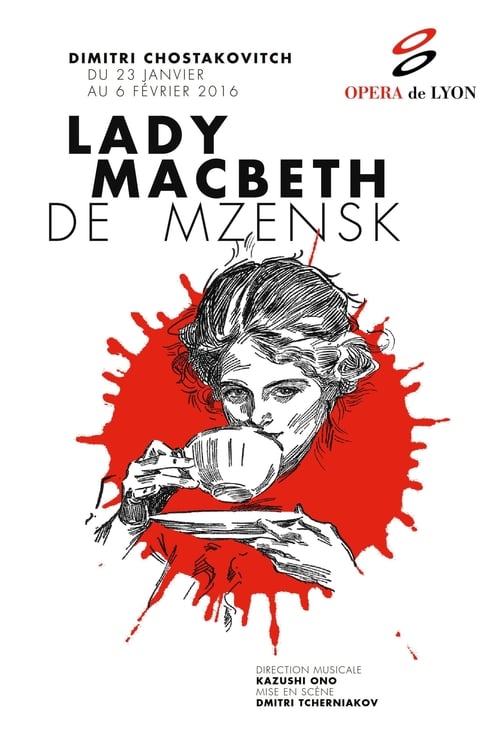
Lady Macbeth of Mtsensk is a powerful work of raw emotional intensity. With themes of adultery and murder, the story follows the downfall of a bored provincial merchant’s wife who seeks solace and excitement in an extra-marital affair. With a bold and contemporary setting, the staging provides the perfect backdrop to this 20th-century opera’s unflinching approach to sex and violence.
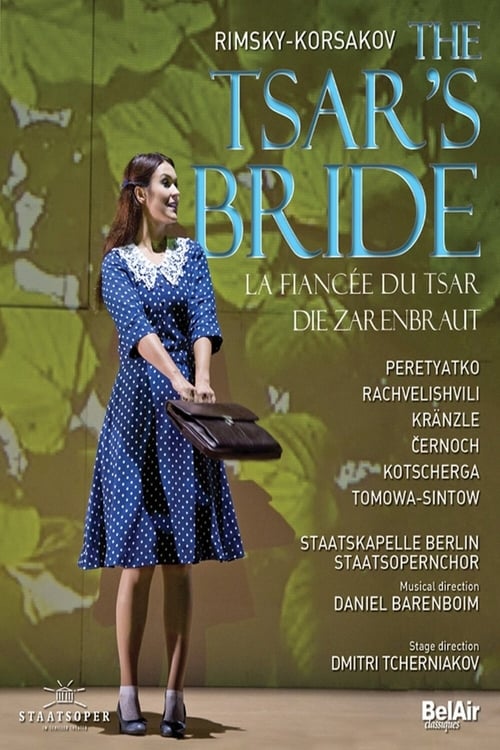
The argument is based on an historical case. In the suburbs of Moscow, reigned around 1571 Tsar Ivan IV, 'the Terrible'. Widowed, he is looking for a new wife for the third time. He chooses the young Marfa; she loves another man but bends to the will of the Tsar and renounces her love. From this starting plot, the Russian director Dmitri Tcherniakov retains only the frame. A live competition is organised for a virtual monarch like in a reality show called «Joe Millionaire » where competitors attempt to marry a rich man. Here, the characters become the various players of the audiovisual industry bringing an acerbic criticism of contemporary TV. Daniel Barenboim conducts the Staatskapelle Berlin, with Olga Peretyatko, Anita Rachvelishvili and Johannes Martin Kränzle. Recorded at Staatsoper, Im Schiller Theater Berlin, in October 2013.
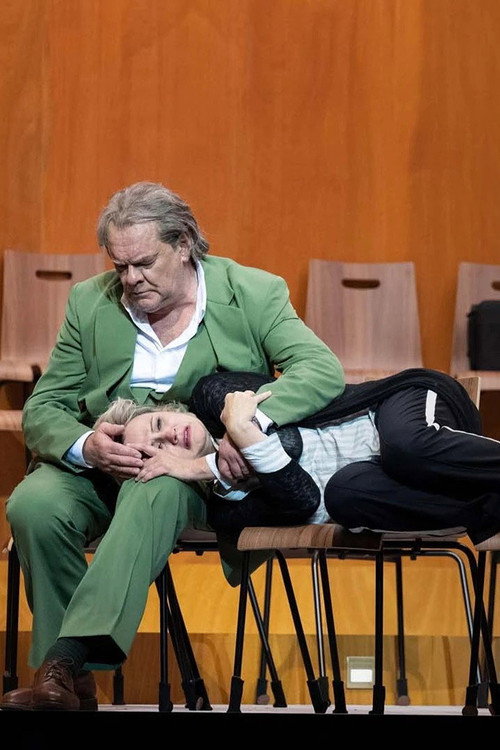
The second part of Richard Wagner’s monumental tetralogy in Dimitri Tcherniakov’s new production. He has thoroughly modernised the material and set the action in a research institute in the 1970s. Christian Thielemann is conducting *Der Ring des Nibelungen* at the Berlin State Opera, standing in for the house conductor Daniel Barenboim, who is unwell.
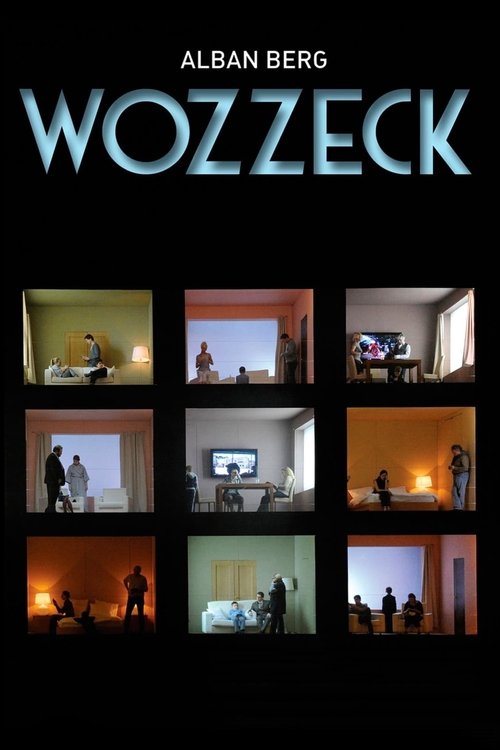
In 2010, for the first time in its history, the Bolshoi Opera presented Alban Berg’s masterpiece Wozzeck conducted by Teodor Currentzis. Dmitri Cherniakov’s aim with this bold, sensitive transposition was “to highlight the hidden sorrows of a late twentieth-century man dwelling in a megalopolis.”