Sound
A man's bathroom routine triggers a miraculous vision in a nearby church.
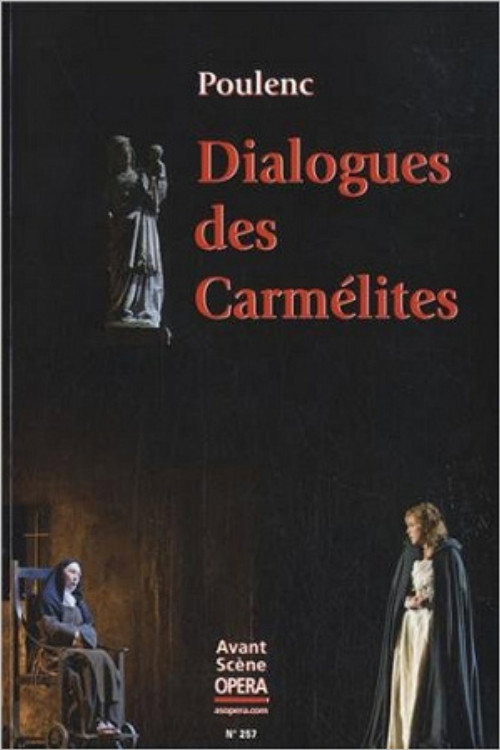
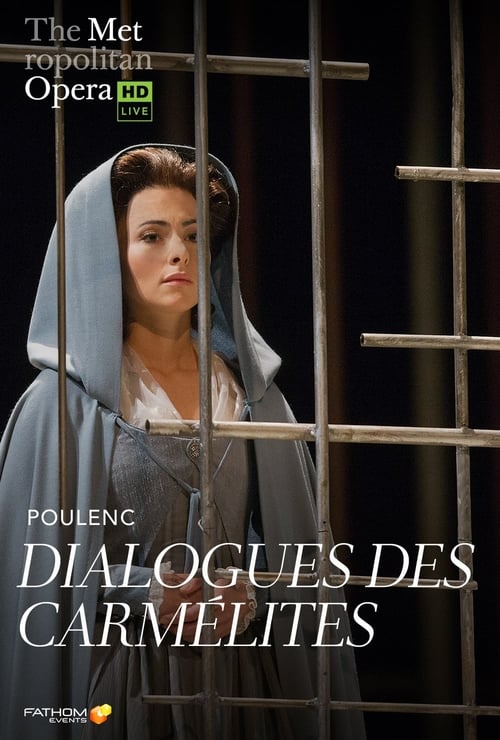
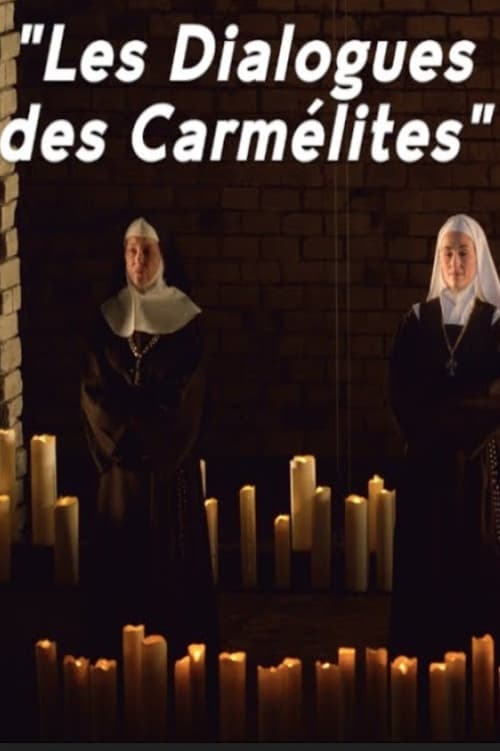
Performed at the Théâtre Graslin in Nantes in 2013. Francis Poulenc (1899-1963): Dialogues des Carmélites, opera in 3 acts and 12 scenes from a libretto by Emmet Lavery.
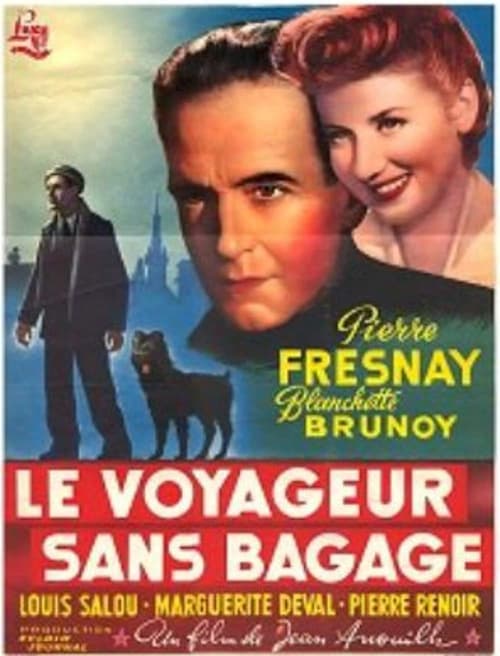
Having lost his memory due to serving in World War I, Gaston has spent the past 15 years in a psychiatric hospital. Due to his large disability pension fund, several families claim him as their missing son. Gaston is introduced to the Renaud family by the Duchess Dupont-Dufort and her lawyer. The Renaud family attempt to revive Gaston's memory with stories of his past, but he is apalled by some of the things he hears and dislikes the man he is supposed to be.
A brief record of the insects and arachnids that visited my house during a very hot summer in Buenos Aires.
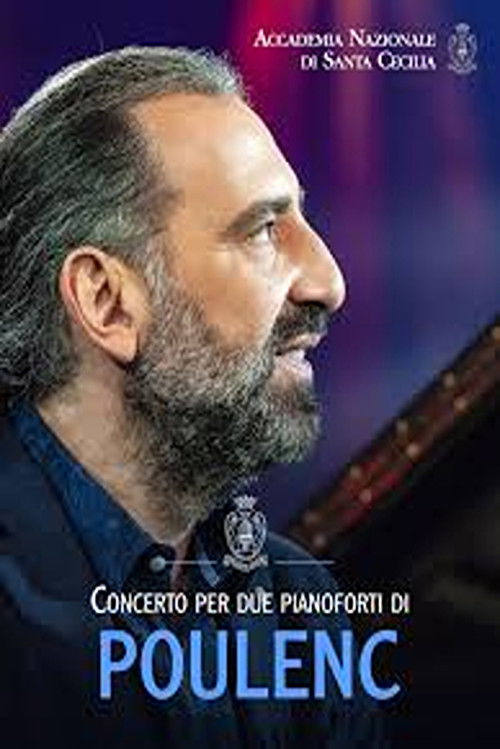
Lionel Bringuier conducts the Orchestra and Choir of the Accademia Nazionale di Santa Cecilia, with Stefano Bollani and Hyung-ki Joo at the piano, and Piero Monti as choirmaster. The program features: Francis Poulenc, Concerto for Two Pianos; Maurice Ravel, Daphnis et Chloé, choreographic symphony.
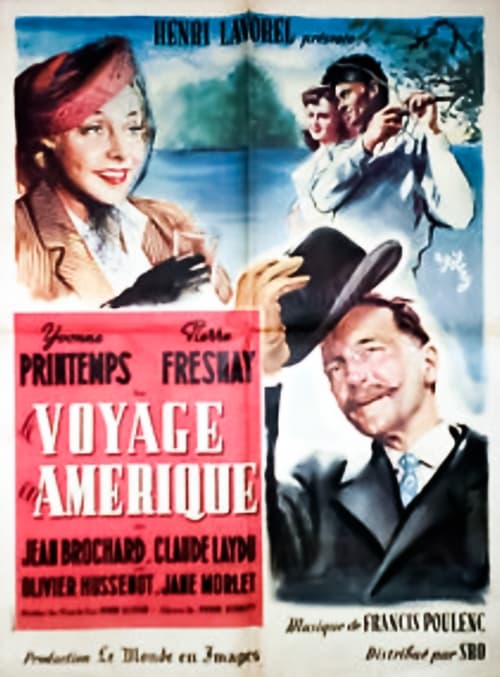
As part of the fascination in post World War II France with American culture, a young French couple here travel to the US to see for themselves the prosperity they have heard about.
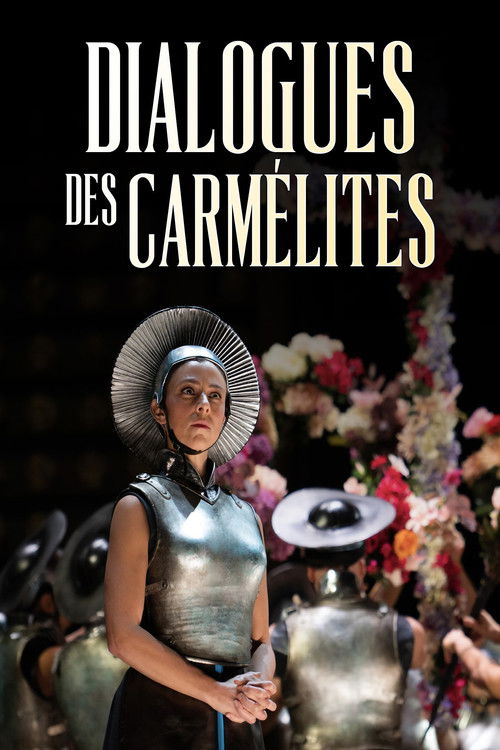
Dialogues of the Carmelites. Opera in three acts and twelve scenes by Francis Poulenc, based on the play by Georges Bernanos. Orchestra and Chorus of the Teatro dell'Opera di Roma conducted by Michele Mariotti, directed by Emma Dante.
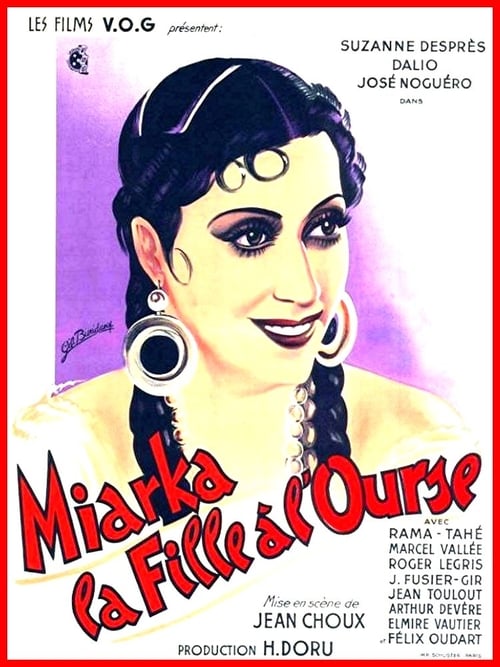
Cattion d'Urville takes in a gypsy, Sarah, and her granddaughter Miarka, in an outbuilding of her chateau. Miarka, while growing up, attracts the attention of Luigi, Cattion's nephew who, little by little, falls in love with her. Sarah raised her daughter in the tradition of gypsies who curse anyone who marries a man who is not a gypsy. Miarka ends up loving Luigi and he wants to marry her. The law of race opposes it. Fortunately, a well-conducted genealogical investigation will discover that Luigi is of the gypsy race. They will marry.
No description available.
The Maîtrise de Radio takes us on a journey through three hundred years of choral music. From Bach to Jean-Benoît Dunkel, including a world premiere by Fabien Waksman, this richly varied concert is punctuated by the dance-infused collaboration of the Théâtre de Chaillot
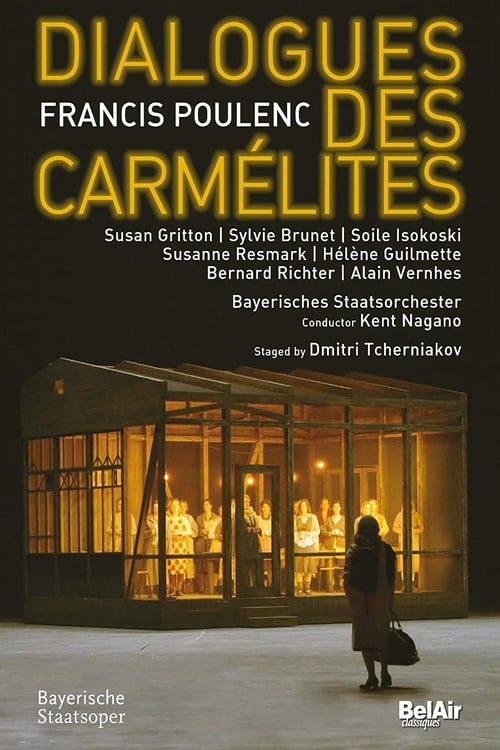
The first ever performances in Munich, this production was entrusted to Dmitri Tcherniakov, whose worldwide reputation is underpinned by productions like Eugene Onegin and Macbeth at the Paris Opera and Don Giovanni at Aix-en- Provence. The superb international cast includes a fine Blanche de la Force in Susan Gritton and an excellent Madame de Croissy by Sylvie Brunet, who was favourably compared to Rita Gorr in the press.
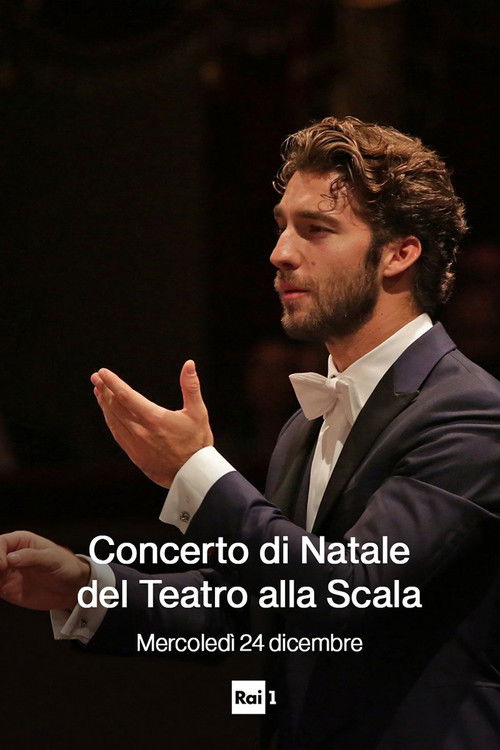
From Milan's Teatro alla Scala, the traditional Christmas Concert. The program includes Francis Poulenc's “Les Animaux modèles” suite for orchestra and Charles Gounod's “Messe solennelle de Sainte-Cécile” for soloists, choir, orchestra, and obbligato organ.
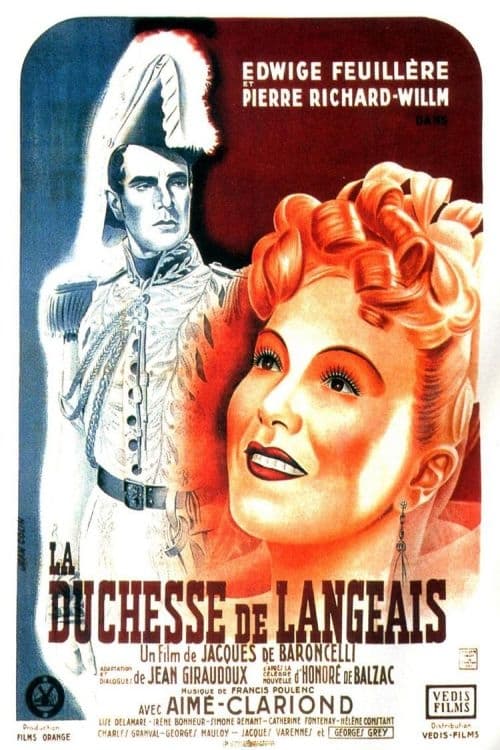
Edwige Feuillère and Pierre Richard-Willm star in director Jacques de Baroncelli's adaptation of the Balzac novella The Duchesse de Langeais, which tells the tale of a Parisian socialite who is romantically pursued by a Napoleonic war hero. With a screenplay by Jean Giraudoux.
On the banks of the Seine and in the metro, Édith Stockhausen performs a poem by Jean Cocteau.
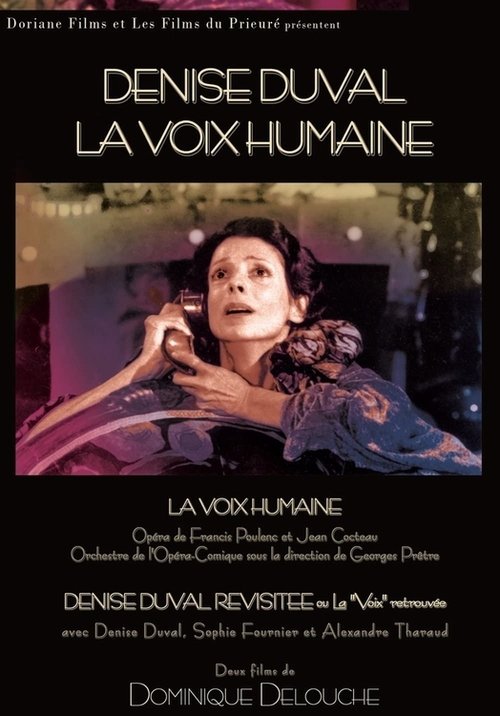
An elegant young woman in her messy room answers the phone call from her lover. This one, who intends to leave her, tries to make her understand what he is up to without hurting her too much, hypersensitive as she is. All means are good: big words, cajolery, denial, lies. As for the woman, who senses that this is the end, she desperately tries to win him back, passing from tenderness to passion, from the threat of attempted suicide to calm, from regret to outbursts of violence.
The two parts of the evening showcase two opposite extremes of emotion. Firstly, Poulenc’s powerful La voix humaine (The Human Voice) tells the touching story of an abandoned woman. The opera monologue of approximately 45 minutes is performed in melodramatic film noir style. After the interval the atmosphere changes dramatically, turning into a raucous show of musical classics and popular repertoire. Directed by Jussi Nikkilä and conducted by Dalia Stasevska, this event has been put together specifically to showcase the great artistry of Karita Mattila.
Aufführung vom 11.05.2019 in der Metropolitan Oper. Yannick Nézet-Séguin leads the classic John Dexter production of Poulenc’s devastating story of faith and martyrdom. Mezzo-soprano Isabel Leonard sings the touching role of Blanche and soprano Karita Mattila, a legend in her own time, returns to the Met as the Prioress.
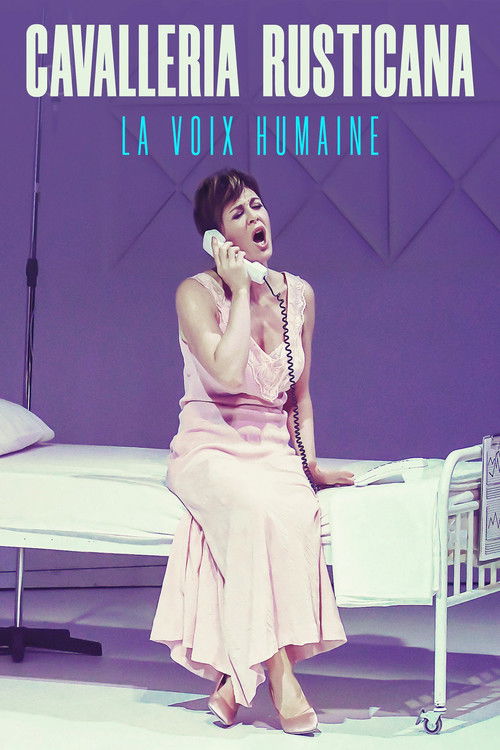
Two one-act operas adapted by Emma Dante, conducted by Michele Mariotti. Two ways of understanding love and exploring the boundaries between reason and madness. The protagonists embody the pain of abandonment and the driving force behind the tragedy: for love, people commit extreme acts, just as the theatrical gesture within a grand opera is extreme.
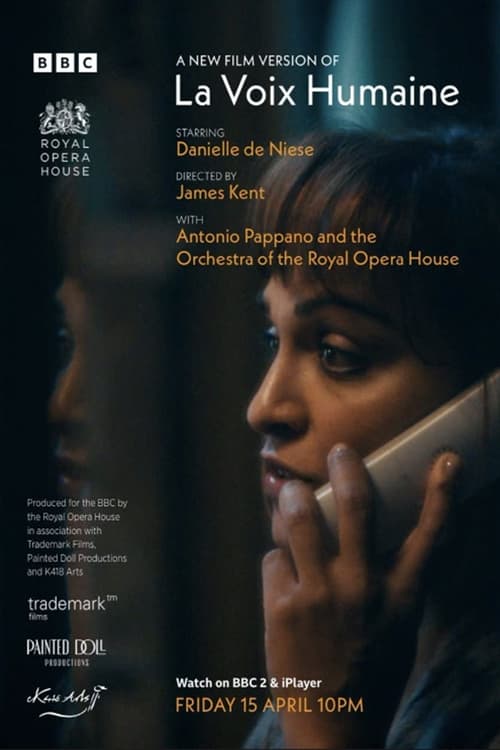
The Orchestra of the Royal Opera House presents a new production of Poulenc's short opera La Voix Humaine, featuring soprano Danielle de Niese and shot on location in Paris and London.
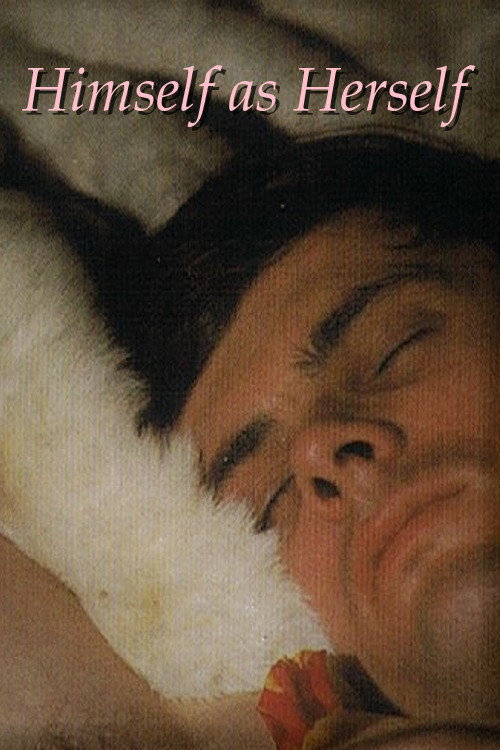
The young hero seems the essence of maleness, yet he's troubled by vaguely feminine objects. Soon his masculine and feminine selves are intercut, as each of his identities appears to look and gesture at the other. The film, at once melancholy and transcendent, consists of a shimmering, nearly plotless evocation of gender identity in flux through haunting, densely interlaced images.
![Home [Entomological Suite]](https://image.tmdb.org/t/p/w500/gYbwKQ90XuiIcsyu8sFoAhDprlW.jpg)