Acting
Day 3 of the Ring Cycle. DVD release June 2009.
Performance of Schoenberg's Gurrelieder by SBR, conducted by Mariss Jansons
The World Orchestra for Peace, conducted by Sir Georg Solti, performs pieces by Rossini, Bartók, and Beethoven in Victoria Hall, Geneva in July 1995 in celebration of the fiftieth anniversary of United Nations.
The second part of the Wagner's Der Ring des Nibelungen in the shortened version, prepared by Cord Garben. Staged at the Teatro Colon, Buenos Aires, 2012
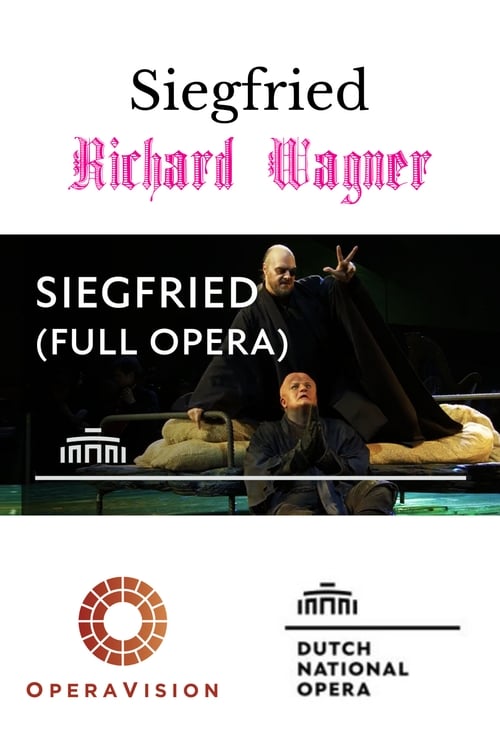
This is the Ring cycle of the Dutch National Opera, directed by Pierre Audi. Alberich's brother Mime raises the orphan Siegfried, hoping that Siegfried will kill Fafner and enable Mime to gain the ring. Mime attempts unsuccessfully to reforge the Nothung. Fulfilling prophecy, Siegfried reforges the sword himself and kills Fafner, who has the form of a dragon. When he accidentally tastes the dragon's blood spilt on his hands, Siegfried understands the song of a woodbird, who instructs him to take the Ring from Fafner. Reading Mime's thoughts of betrayal, Siegfried kills the dwarf as well. The woodbird also informs Siegfried of a mysterious woman asleep in the midst of fire, and Siegfried sets off to find her. After defeating a disguised Wotan and breaking his spear, Siegfried successfully awakes Brünnhilde, and the two fall in love.
Day 2 of the Ring Cycle. DVD release June 2009.
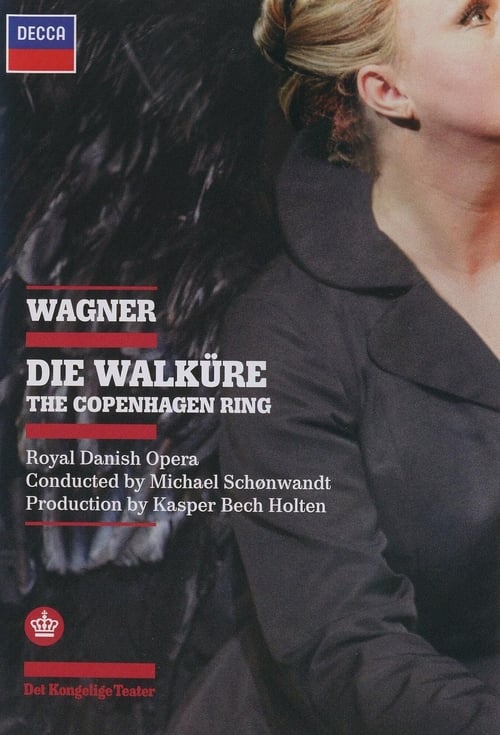
Die Walküre (The Valkyrie), WWV 86B, is an opera in three acts by Richard Wagner with a German libretto by the composer. It is the second of the four operas that form Wagner's cycle Der Ring des Nibelungen (The Ring of the Nibelung). The story of the opera is based on the Norse mythology told in the Volsunga Saga and the Poetic Edda.[1][2] In Norse mythology, a valkyrie is one in a group of female figures who decide which soldiers die in battle and which live. Die Walküre's best-known excerpt is the "Ride of the Valkyries". DVD release June 2009.
No description available.