Lynda Benglis
Directing
Biography
Lynda Benglis (born October 25, 1941) is an American sculptor and visual artist known especially for her wax paintings and poured latex sculptures.
Known For
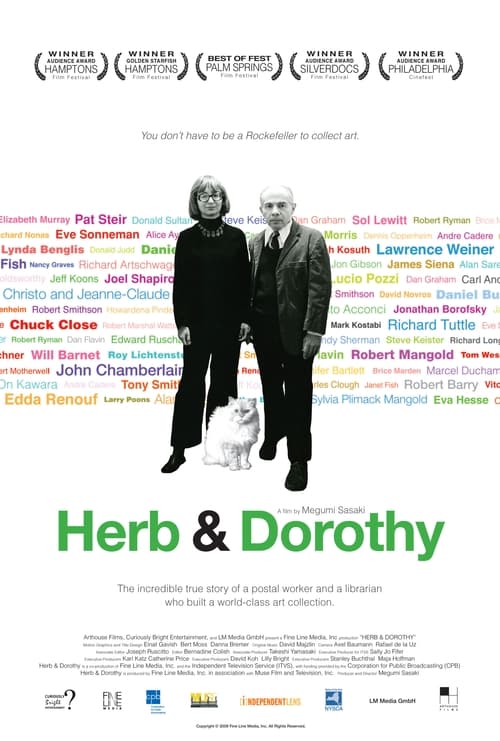
He was a postal clerk. She was a librarian. With their modest means, the couple managed to build one of the most important contemporary art collections in history. Meet Herb and Dorothy Vogel, whose shared passion and disciplines and defied stereotypes and redefined what it means to be an art collector.
Herb & Dorothy
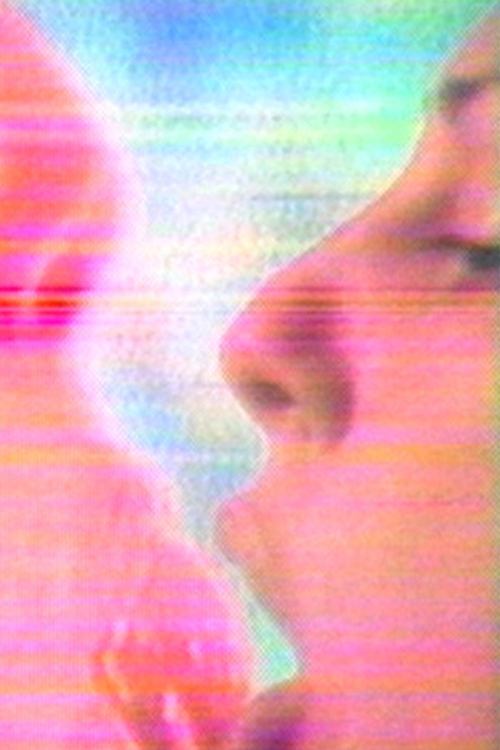
Now takes on video's claims to immediacy and authenticity, as Benglis juxtaposes live performance with her own prerecorded image. The soundtrack features phrases such as "now!" and "start recording," commands that usually ground us in the present, but here serve to deepen the confusion between live signals and mediation. Repeated takes and acidic color processing heighten this challenge to video's power of "liveness."
Now
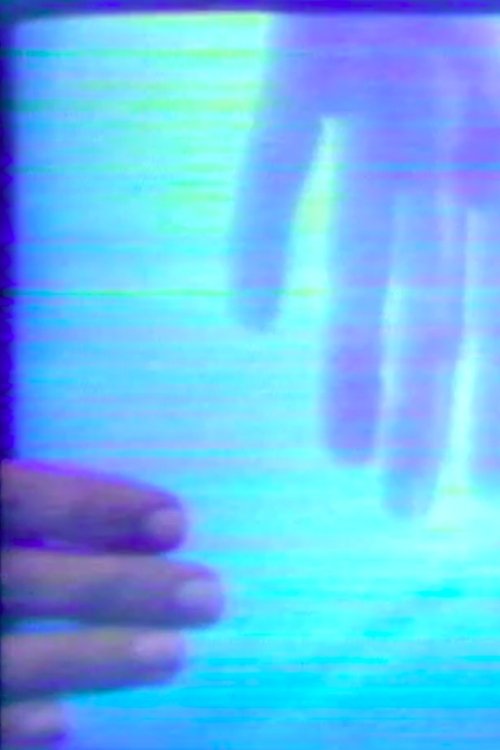
Perhaps more than with other examples of Lynda Benglis's "Collage" explores the effects of sound distortion and audio loss across generations of video tape. Tape hiss dominates a limited color palette where images of hands, oranges, and a profile of Benglis peeling an orange with her mouth revolve and seem to replicate as the sound grows less audible.
Collage
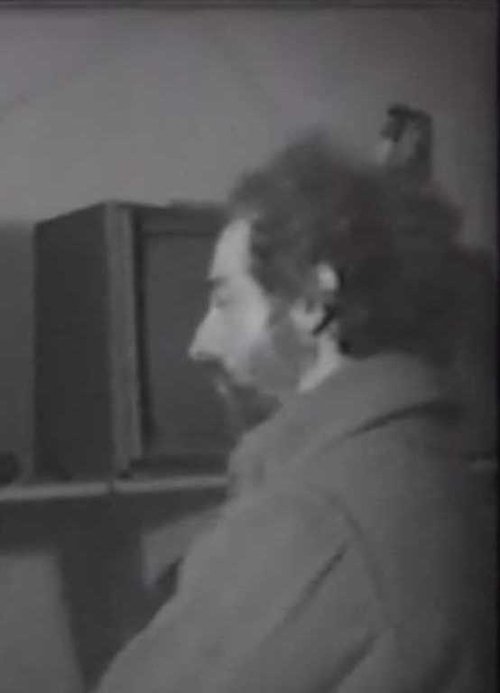
In 1972, Robert Morris and Lynda Benglis agreed to exchange videos in order to develop a dialogue between each other’s work. Morris’s video, Exchange, is a part of that process—a response to Benglis’s Mumble.
Exchange
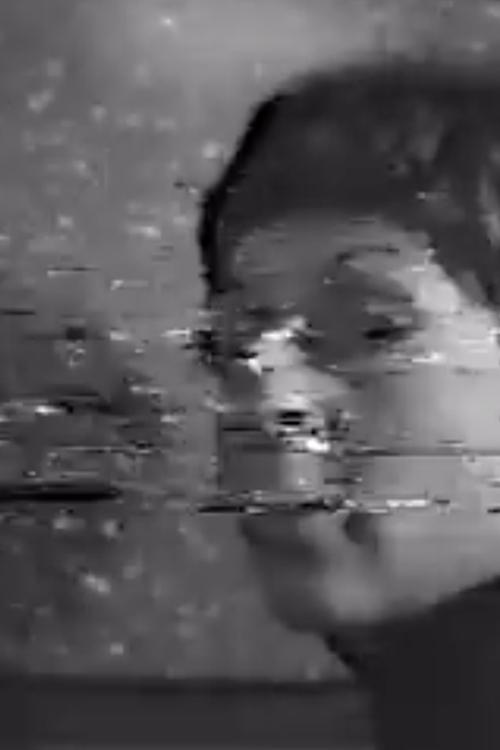
Two disembodied male colleagues direct Lynda Benglis, who sits between a monitor and a camera lens loudly exclaiming her vision for the video we’re watching. Playing with the idea of originality and how the reproduction of images troubles fine art categories, Benglis affixes a double portrait of herself to the monitor screen and draws moustaches on both likenesses. Document ends with Benglis writing the video’s title and “copyright, Dec. 1972” directly on the monitor underneath the photograph, validating this video accomplishment as an original artwork.
Document
NOISE calls attention to the assemblage element of video by allowing the image to disintegrate into static between edits. Benglis also plays back several generations of image and soundtrack to introduce increasing amounts of distortion. Conversation is reduced to unintelligible noise, resulting in the disassociation of sound and image that to some extent characterizes her later work.
NOISE

Analog video was not only an alternative to more expensive motion picture film for artists. It was also a viable new medium with specific attributes all its own. In On Screen, characteristics such as video snow and audio static become more pronounced and distorted with each subsequent version of the artist within the “TV” frame. As Lynda Benglis performs a sequence of pulling faces for the camera in triplicate, we become aware that the performance is based on memory, sometimes faulty—a kind of symbiotic conflation of artist and machine.
On Screen
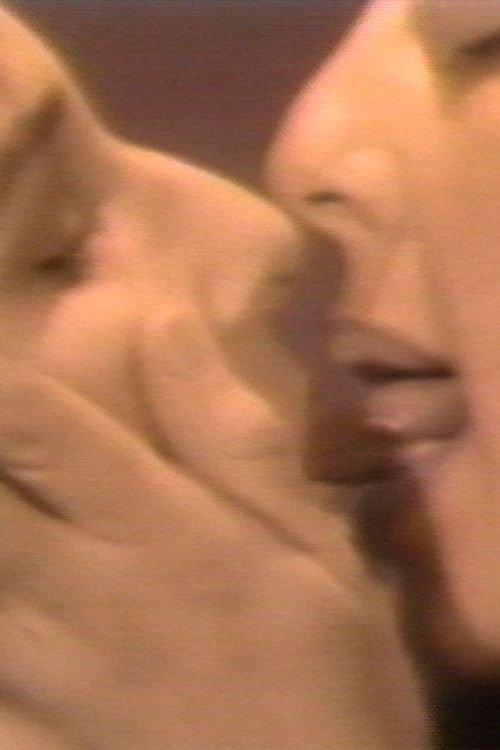
As two heavily made-up women take turns directing each other and submitting to each other's kisses and caresses, it becomes increasingly obvious that the camera is their main point of focus. Read against feminist film theory of the "male gaze", the action becomes a highly charged statement of the sexual politics of viewing and role-playing; and, as such, is a crucial text in the development of early feminist video.