Directing
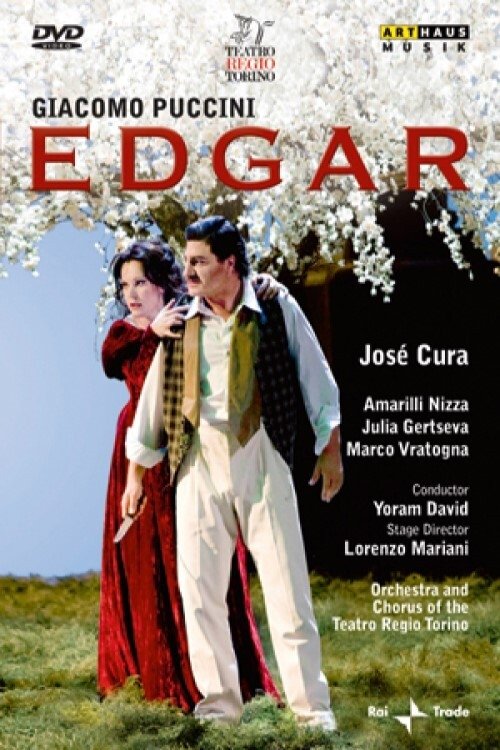
Puccini’s operas are among the most beloved and best-known works in the classical repertoire, but Edgar may be unknown even to aficionados, at least as it is presented here. This original four-act version of Edgar, first performed in 1889, was believed lost for over a century when Puccini’s granddaughter Simonetta discovered the score fully intact in 2008. In addition to the third act’s funeral music, which Arturo Toscanini conducted at Puccini’s funeral in 1924, listeners may recognize the duet from the now-restored fourth act, cut by Puccini in subsequent revisions of the work: it bears more than a passing similarity to the third-act duet in Tosca.
Macheath (Mack the Knife), notorious bandit and womanizer, runs afoul of Jonathan Peachum when he marries Peachum's daughter Polly in a ceremony of doubtful legality. Peachum's resolve to have Mack sent to the gallows is complicated by the fact that Mack's old army buddy is the chief of police, Tiger Brown. Peachum and his wife commence a series of strategems to ensnare Mack: bribing prostitutes to turn him in, exercising their influence over the police, and ultimately threatening to ruin the coronation of Queen Victoria by having all the beggars in London (whom Peachum controls) line the parade route. Mack is imprisoned, escapes, and is imprisoned again. When his hour of execution arrives, however, a mounted messenger appears with the Queen's reprieve, which includes a baronetcy and an annual pension of 10,000 pounds.
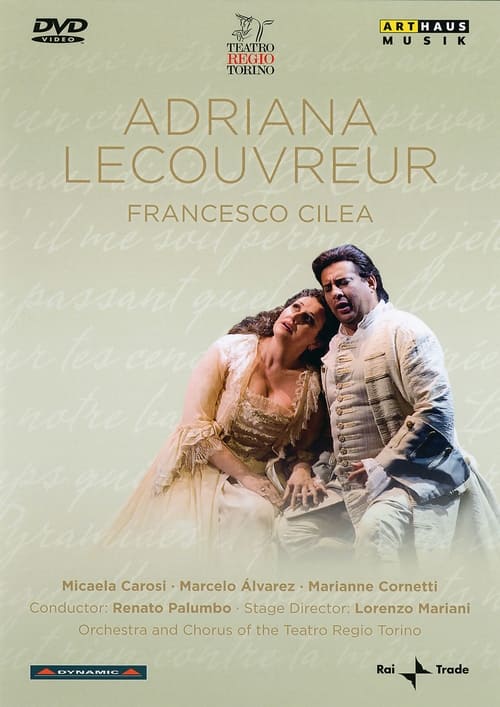
In the present stylised production by Lorenzo Mariani the 'violet-perfumed murderess' is taken by mezzo-soprano Marianne Cornetti, one of the most in-demand representatives of her vocal category. Opposite her, in the role of Adriana, is a soprano who as a Verdi and verismo specialist also appears regularly at all the major international opera houses, Micaela Carosi. The 'cock-of-the-walk' role is sung by the world-class tenor Marcelo Álvarez. His timbre, velvety smooth yet robustly virile, is ideally suited to a vocal characterisation of the idolised Maurizio. Conductor Renato Palumbo is very much at home with Cilea's operatic masterpiece, since the Italian Romantic and verismo periods are at the core of his extensive repertoire.
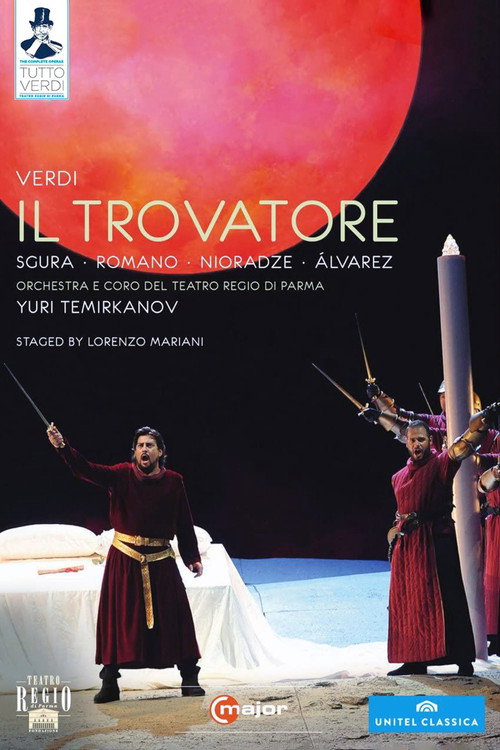
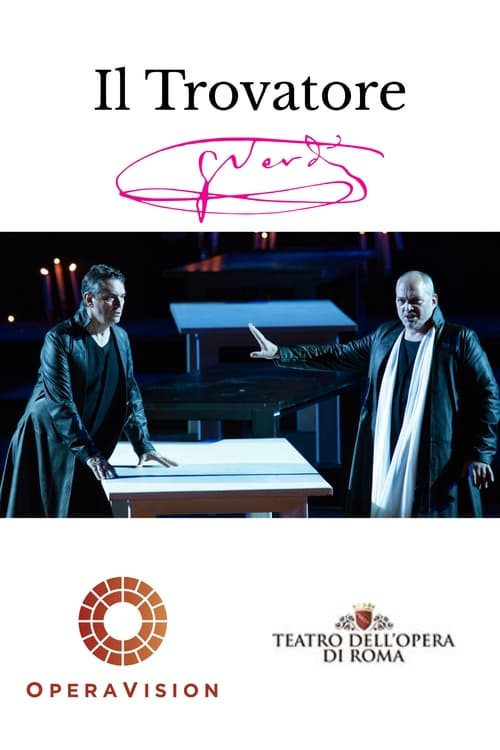
In medieval Spain, the gypsy Azucena abducted the son of the Count of Luna to avenge her mother, whom the old count had sent to the stake. She raised him as her own son, under the name of Manrico. In the service of Urgel and banished by the King of Aragon, Manrico nevertheless falls in love with Leonora, the Queen’s lady-in-waiting. ‘Il trovatore’ is an opera in four acts by Giuseppe Verdi, with a libretto by Salvatore Cammarano and Leone Emanuele Bardare, based on the Spanish drama ‘El Trovador’ (1836) by Antonio García Gutiérrez. It premiered on 19 January 1853 at the Teatro Apollo in Rome, and was subsequently performed in Paris, at the Théâtre-Italien, in its original version, on 23 December 1854. From the box set “Tutto Verdi”, featuring 27 of Verdi’s operas. Recorded live at the Teatro Regio in Parma on 5 and 9 October 2010.
No description available.
As Aragon descends into unrest, a count jealously fights for a noble lady's heart. But she has already given it to a passionate troubadour whose mother holds a terrible secret.