Fred Coe
Production
Biography
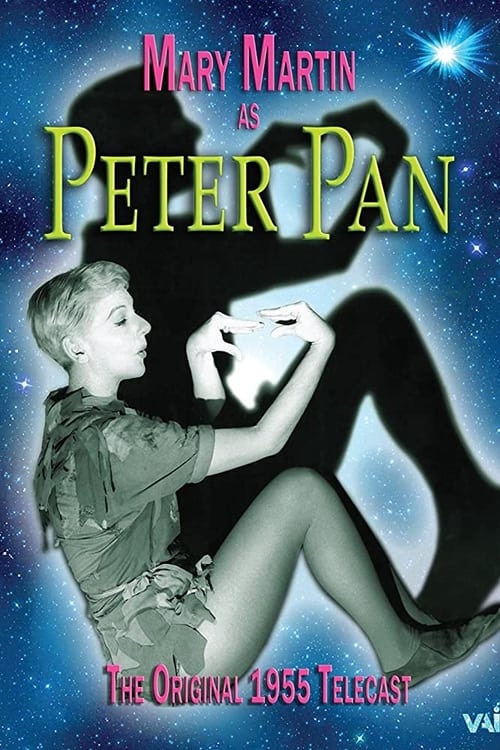
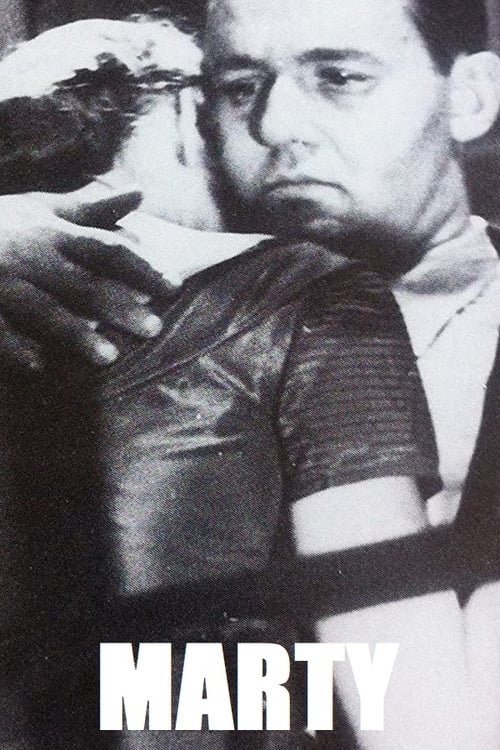
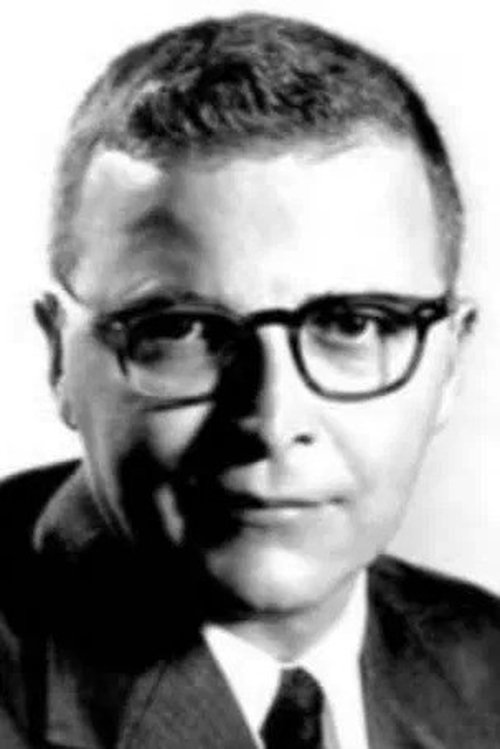
Frederick Hayden Hughs Coe (December 23, 1914 – April 29, 1979) was an American television producer and director most famous for The Goodyear Television Playhouse/The Philco Television Playhouse in 1948-1955 and Playhouse 90 from 1957 to 1959. Among the live TV dramas he produced were Marty and The Trip to Bountiful for Goodyear/Philco, Peter Pan for Producers' Showcase, and Days of Wine and Roses for Playhouse 90.
Known For

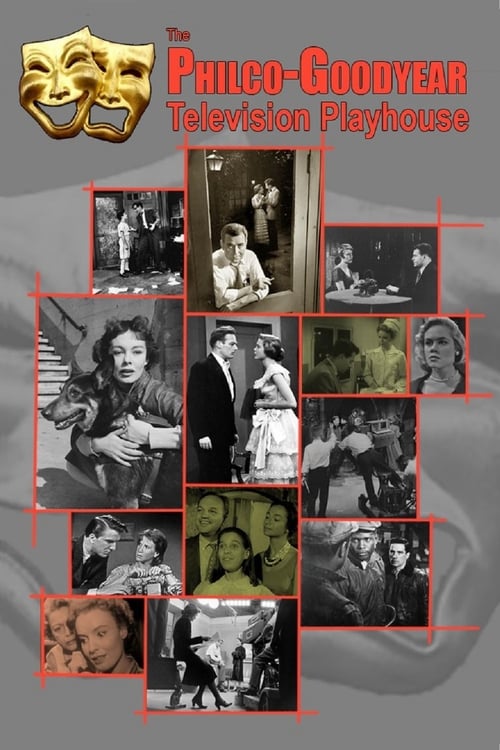
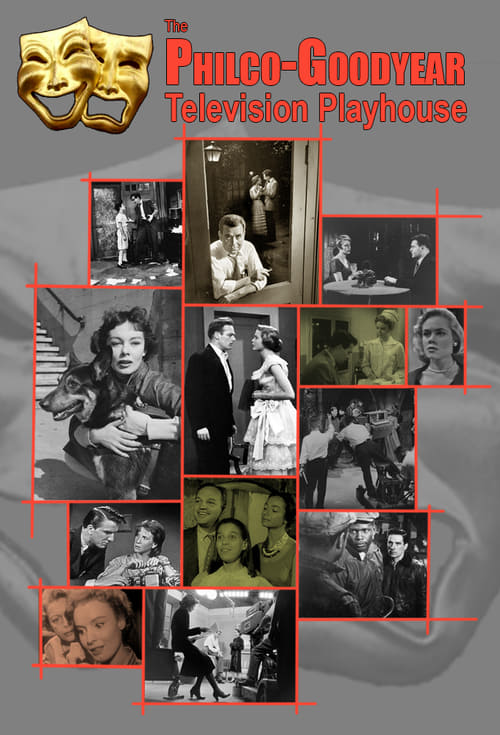
The Philco Television Playhouse is an American anthology series that was broadcast live on NBC from 1948 to 1955. Produced by Fred Coe, the series was sponsored by Philco. It was one of the most respected dramatic shows of the Golden Age of Television, winning a 1954 Peabody Award and receiving eight Emmy nominations between 1951 and 1956.
The Philco Television Playhouse

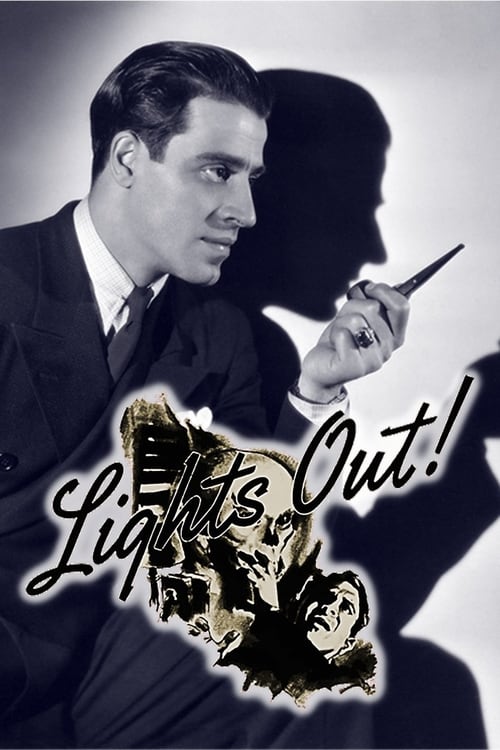
Lights Out was an extremely popular American old-time radio program, an early example of a network series devoted mostly to horror and the supernatural, predating Suspense and Inner Sanctum. Versions of Lights Out aired on different networks, at various times, from January 1934 to the summer of 1947 and the series eventually made the transition to television. In 1946, NBC Television brought Lights Out to TV in a series of four specials, broadcast live and produced by Fred Coe, who also contributed three of the scripts. NBC asked Cooper to write the script for the premiere, "First Person Singular", which is told entirely from the point of view of an unseen murderer who kills his obnoxious wife and winds up being executed. Variety gave this first episode a rave review ("undoubtedly one of the best dramatic shows yet seen on a television screen"), but Lights Out did not become a regular NBC-TV series until 1949.
Lights Out
CBS Playhouse is an American anthology drama series that aired on CBS from 1967 to 1970. Airing twelve plays over the course of its run, the series was nominated for a number of awards and featured many noteworthy actors and playwrights.
CBS Playhouse

The Goodyear Television Playhouse is an American anthology series that was telecast live on NBC from 1951 to 1957 during the "Golden Age of Television". Sponsored by Goodyear, Goodyear alternated sponsorship with Philco, and the Philco Television Playhouse was seen on alternate weeks. In 1955, the title was shortened to The Goodyear Playhouse and it aired on alternate weeks with The Alcoa Hour. The three series were essentially the same, with the only real difference being the name of the sponsor. Producer Fred Coe nurtured and encouraged a group of young, mostly unknown writers that included Robert Alan Aurthur, George Baxt, Paddy Chayefsky, Horton Foote, Howard Richardson, Tad Mosel and Gore Vidal. Notable productions included Chayefsky's Marty starring Rod Steiger, Chayefsky's The Bachelor Party, Vidal's Visit to a Small Planet, Richardson's Ark of Safety and Foote's The Trip to Bountiful. From 1957 to 1960, it became a taped, half-hour series titled Goodyear Theater, seen on Mondays at 9:30pm.
Goodyear Television Playhouse
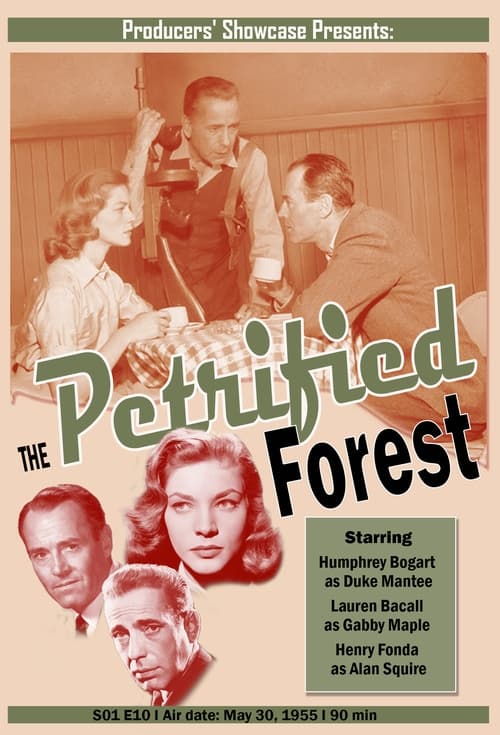
Producers' Showcase is an American anthology television series that was telecast live during the 1950s in compatible color by NBC. With top talent, the 90-minute episodes, covering a wide variety of genres, aired under the title every fourth Monday at 8 p.m. ET for three seasons, beginning October 18, 1954. The final episode, the last of 37, was broadcast May 27, 1957. Showcase Productions, Inc., packaged and produced the series, which received seven Emmy Awards, including the 1956 award for Best Dramatic Series.
Producers' Showcase

DuPont Show of the Month is an acclaimed 90-minute television anthology series that aired monthly on CBS from 1957 to 1961. The DuPont Company also sponsored a weekly half-hour anthology drama series hosted by June Allyson, The DuPont Show with June Allyson. During the Golden Age of Television, DuPont Show of the Month was one of numerous anthology series telecast between 1949 and 1962. Superficially, it resembled Playhouse 90 and other anthologies, but DuPont Show of the Month focused less on contemporary dramas and more on adaptations of literary classics, including Oliver Twist, The Prince and the Pauper, Billy Budd, The Prisoner of Zenda, A Tale of Two Cities and The Count of Monte Cristo.
DuPont Show of the Month

Long-running anthology program sponsored by Hallmark Cards. Beginning in 1951 and continuing into 2019, the series received 80 Emmy Awards, 24 Christopher Awards, 11 Peabody Awards, 9 Golden Globes, and 4 Humanitas Prizes. Early seasons were a weekly live drama, eventually transitioning to videotaped and then filmed productions broadcast as occasional specials.
Hallmark Hall of Fame

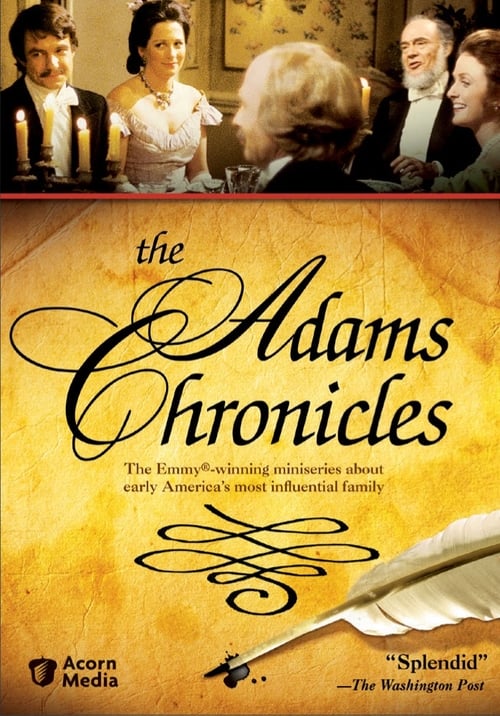
Chronicles the story of the Adams political family over a 150-year span, including John Adams (drafter and signer of the Declaration, accomplished diplomat, and the 2nd President of the U.S.), his wife Abigail Adams, his son John Quincy Adams (acclaimed Secretary of State, the 6th President, and prominent abolitionist Congressman), grandson Charles Francis Adams, Congressman and Ambassador to Great Britain during the Civil War, and much-heralded members of the fourth generation Henry Brooks Adams, the historian and author of the novel Democracy, and Charles Francis Adams II, the industrialist.
The Adams Chronicles

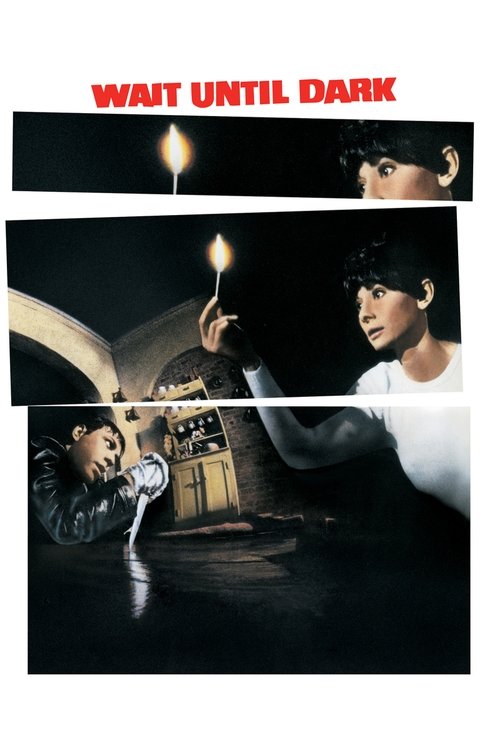
After a flight back home, Sam Hendrix returns with a doll he innocently acquired along the way. As it turns out, the doll is actually stuffed with heroin, and a group of criminals led by the ruthless Roat has followed Hendrix back to his place to retrieve it. When Hendrix leaves for business, the crooks make their move -- and find his blind wife, Susy, alone in the apartment. Soon, a life-threatening game begins between Susy and the thugs.
Wait Until Dark

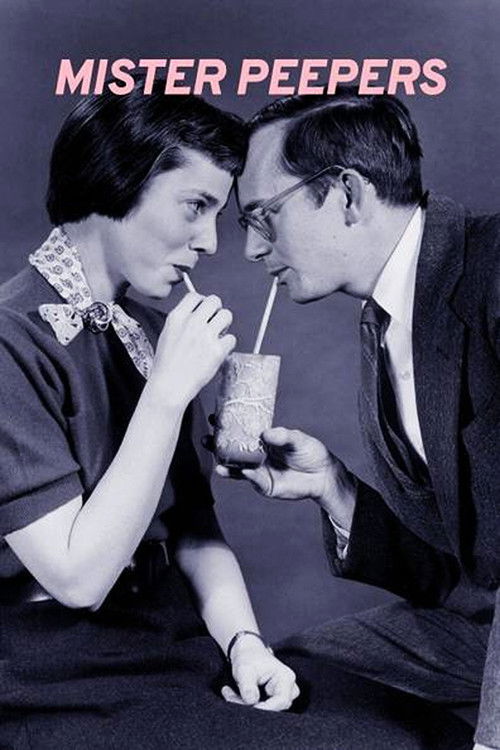
Mr. Peepers is a shy science teacher at Jefferson Junior High. He is always faced with problems but is never outwitted.
Mister Peepers

Since she was a child, Natalie Miller has always thought she was an ugly ducking. Despite her mother's encouragement that she will grow up to be pretty, Natalie has never believed it will happen. She runs away to Greenwich Village to find herself and discovers a vibrant bohemian counterculture.
Me, Natalie

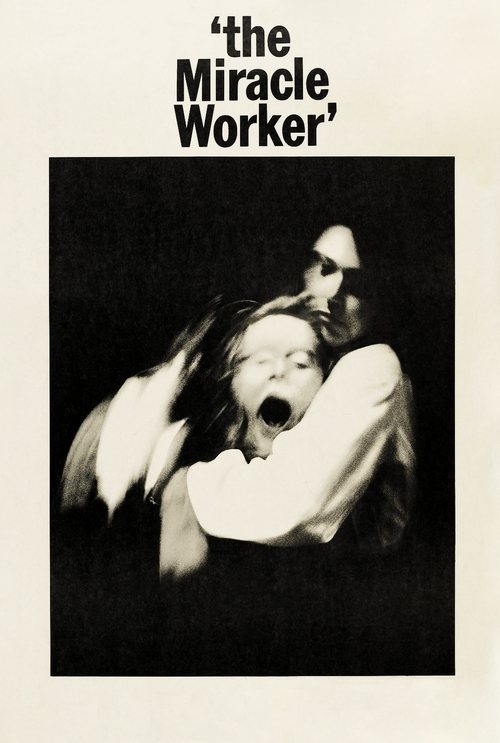
The true story of the frightening, lonely world of silence and darkness of 7-year-old Helen Keller who, since infancy, has never seen the sky, heard her mother's voice or expressed her innermost feelings. Then Annie Sullivan, a 20-year-old teacher from Boston, arrives. Having just recently regained her own sight, the no-nonsense Annie reaches out to Helen through the power of touch, the only tool they have in common, and leads her bold pupil on a miraculous journey from fear and isolation to happiness and light.
The Miracle Worker

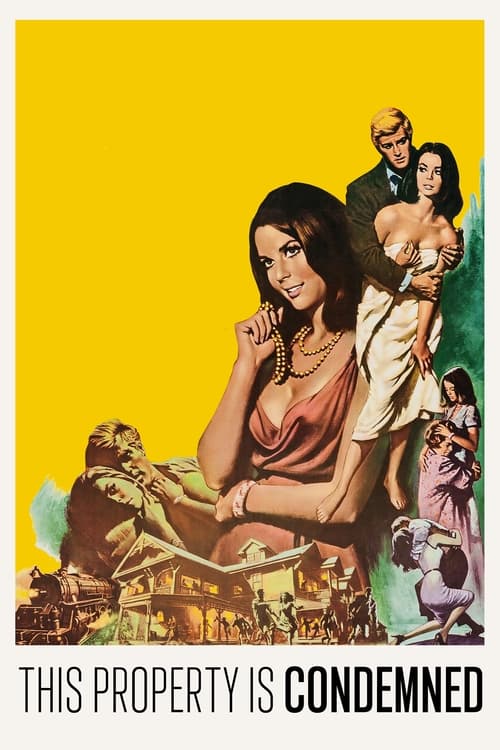
Owen Legate, a railroad official, comes to Dodson, Mississippi to shut down the local railway - the town's main income. But Owen unexpectedly finds love with Dodson's flirt and main attraction, Alva Starr.
This Property Is Condemned

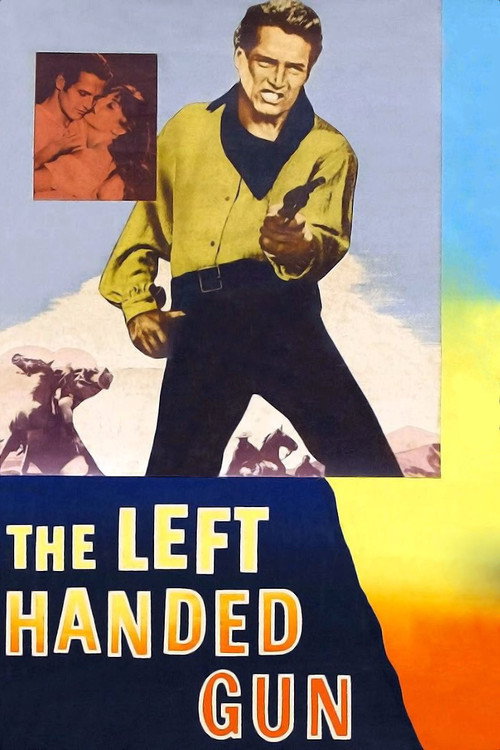
When a crooked sheriff murders his employer, William "Billy the Kid" Bonney decides to avenge the death by killing the man responsible, throwing the lives of everyone around him into turmoil, and endangering the General Amnesty set up by Governor Wallace to bring peace to the New Mexico Territory.
The Left Handed Gun

Change comes slowly to a small New Hampshire town in the early 20th century. People grow up, get married, live, and die. Milk and the newspaper get delivered every morning, and nobody locks their front doors. This musicalization of Thornton Wilder's classic play stars Frank Sinatra, who introduces the song, "Love and Marriage," which would go on to be immortalized as the theme song to the sitcom "Married with Children."
Our Town

A trading company manager travels up an African river to find a missing outpost head and discovers the depth of evil in humanity's soul.
Heart of Darkness

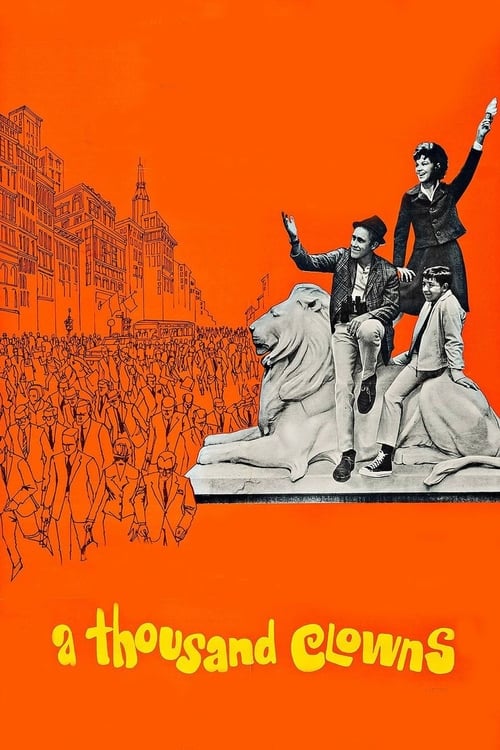
Twelve-year-old Nick lives with his Uncle Murray, a Mr.Micawber-like Dickensian character who keeps hoping something won't turn up. What turns up is a social worker, who falls in love with Murray and a bit in love with Nick. As the child welfare people try to force Murray to become a conventional man (as the price they demand for allowing him to keep Nick), the nephew, who until now has gloried in his Uncle's iconoclastic approach to life, tries to play mediator. But when he succeeds, he is alarmed by the uncle's willingness to cave in to society in order to save the relationship.
A Thousand Clowns

In the South, convicts get a temporary release to help during a flood.
Old Man

In late 1952, an aging and increasingly paranoid Stalin puts in motion a purge against his doctors, with antisemitic overtones. His lackeys, including Khrushchev, Molotov and Beria, fear it will spread to the Politburo, and plan to strike first.
The Plot to Kill Stalin

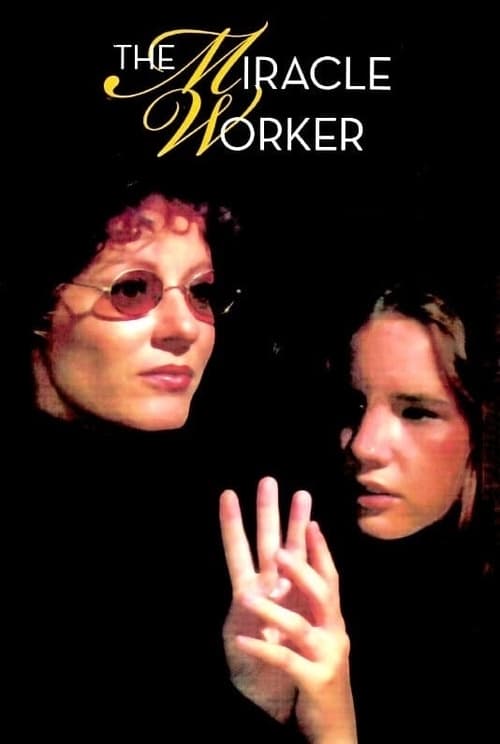
The true story of Helen Keller and Annie Sullivan, a gripping battle to overcome impossible obstacles and the struggle to communicate. As a young girl, Helen Keller is stricken with scarlet fever. The illness leaves her blind, mute, and deaf. Sealed off from the world, Helen cannot communicate with anyone, nor anyone with her. Often frustrated and desperate, Helen flies into uncontrollable rages and tantrums that terrify her hopeless family. The gifted teacher Annie Sullivan is summoned by the family to help the girl understand the world from which she is isolated, freeing Helen Keller from her internal prison forever. Television remake of the 1962 film which also starred Patty Duke in the role of Helen Keller.