
Khalid Shamis
Writing
Known For
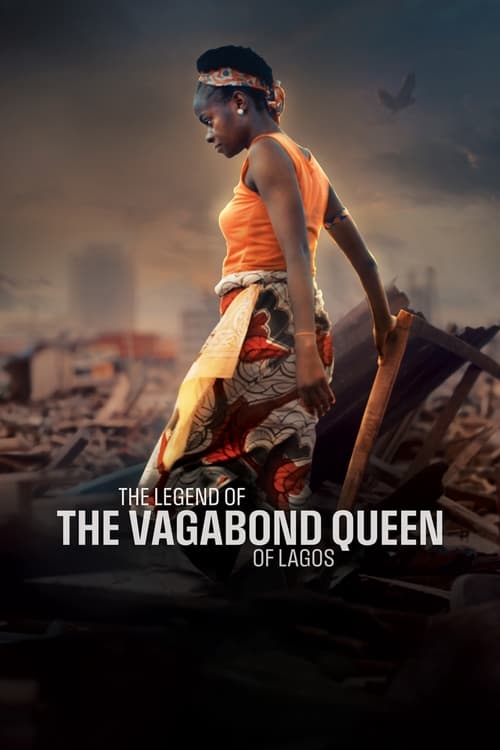
Jawu bears the mark of a warrior king but lives humbly, selling swallows at the local market, saving up for the better future she’s determined to build for herself and her son. The pair reside in the Agbojedo community, a floating slum planted in the lagoon that gives Lagos its name. Just as rumours begin circulating regarding government plans for new developments that would raze their homes, Jawu spies a corrupt politician burying a nest egg of cash. Struck by her good fortune, she takes the money for herself, thinking this might be her way out. Jawu doesn’t know that she is destined for a bigger battle that is yet to come.
The Legend of the Vagabond Queen of Lagos
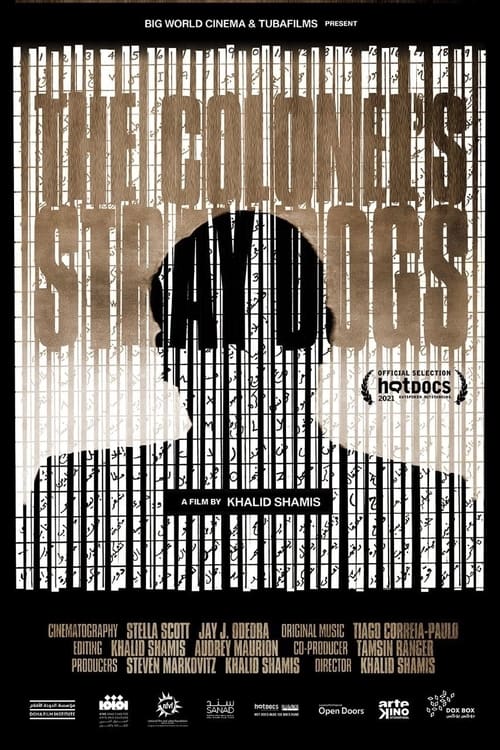
In 1981, seven Libyan exiles formed the core opposition group to Colonel Muammar Gaddafi. Thirty years later, they are back to their country only to inherit the mess he left. The film is an intricate blend of rare first-hand accounts, propaganda archival material turned on its head, evocative cinematography and an untold history of a country.
The Colonel's Stray Dogs
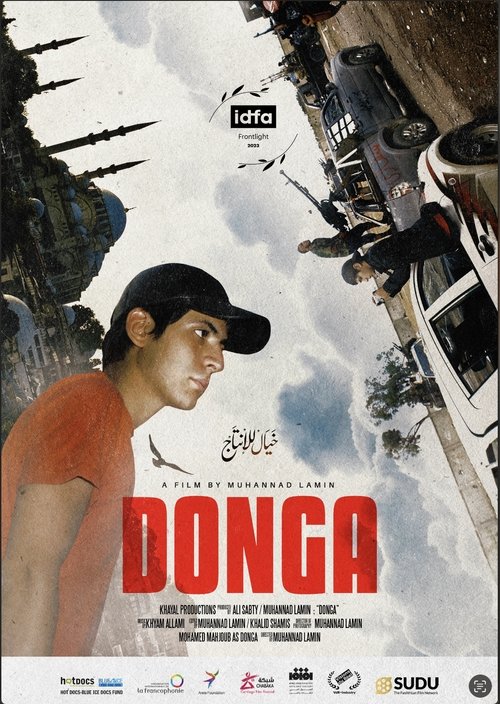
“There was excitement in the air,” says Donga, now in his late twenties, describing his feelings when the uprising against Muammar Gaddafi’s rule broke out in 2011. He was 19, living in Misrata, and boldly went to film the fighting with a friend. A decade later, in a hotel in Istanbul, where he has been living since he was wounded in battle, he looks back on the past ten years through excerpts from his videos. And he reflects on how that period has affected him.
Donga
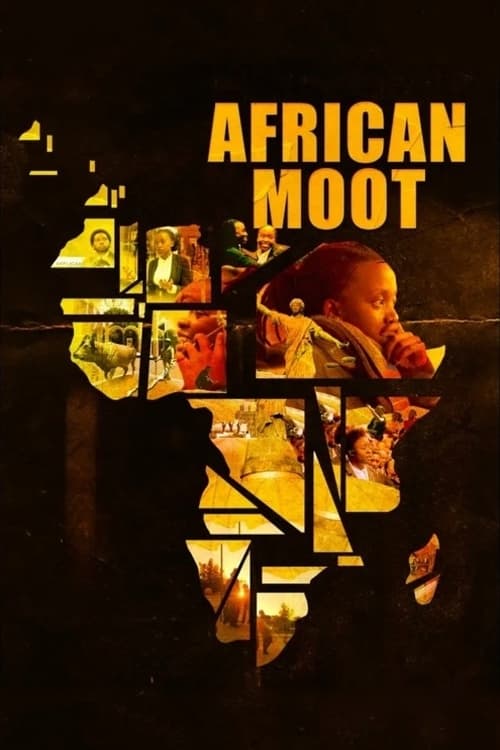
For one week in Gaborone, Botswana, a collection of aspiring lawyers gathers for the annual African Human Rights Moot Court Competition. Competitors represent the top law schools from their respective nations as they debate a new issue each year. This time around, the focus is on the rights of refugees. Developing arguments that will be judged by practicing lawyers, the next generation discovers what policy should look like in the African continent and where advancements can be made across the region. While you may come for the competition in African Moot, you stay for the rising stars learning on the ground what it means to fight for their cause, country and continent as one.
African Moot
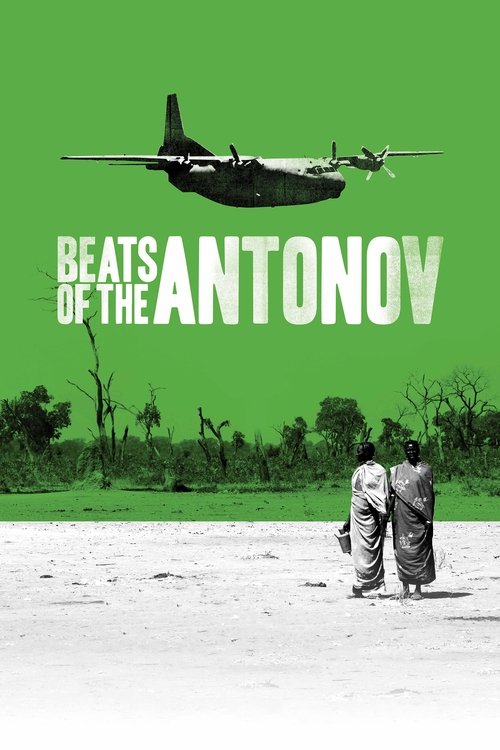
The story of the people of the Blue Nile and Nuba Mountains in Sudan, showing how they deal with civil war. Traditionally music has always been part of daily life in these areas, but now, it has a new role in a society challenge by war.
Beats of the Antonov
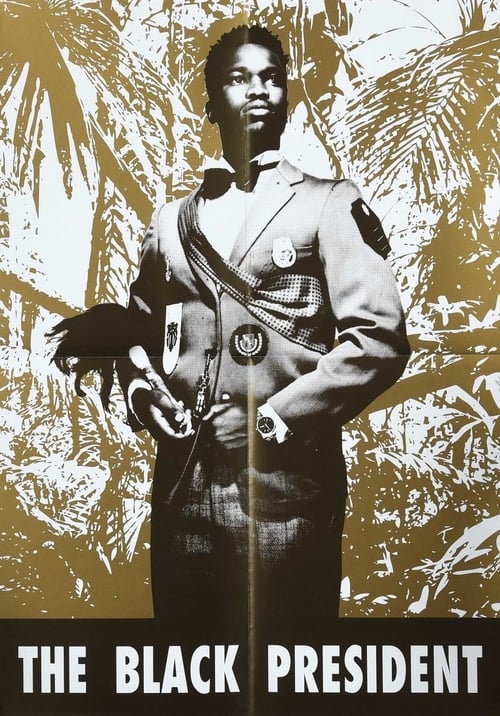
Exiled, yet internationally celebrated Zimbabwean artist Kudzanai Chiurai's demons come to life as he tries to flee South Africa following increasingly fractious experiences on the Johannesburg art scene. His greatest demon “Black Guilt” is one he can never shake off, this burden of having to speak for his people. But Is this responsibility really a burden at all, or is it actually a superpower? Either way, will Kudzi ever be President of His Own State of Being?
Black President
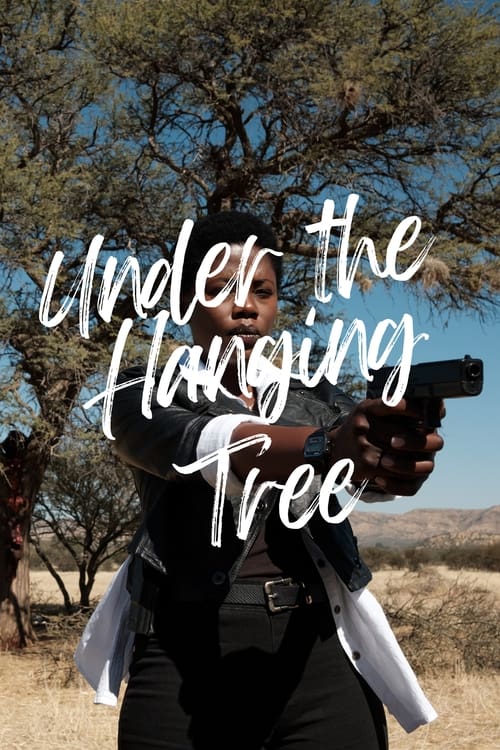
Christina Mureti, an impetuous police officer from the city, is transferred to a small desert town in Namibia where she uncovers a series of grizzly animal sacrifices. Then a German farmer is found hung on the same tree where Christina’s ancestors were hung a century ago during Germany’s colonial war with the Herero. Only when Christina begins to learn about her people’s history and embraces some of its cultural wisdom is she able to solve the case.
Under the Hanging Tree
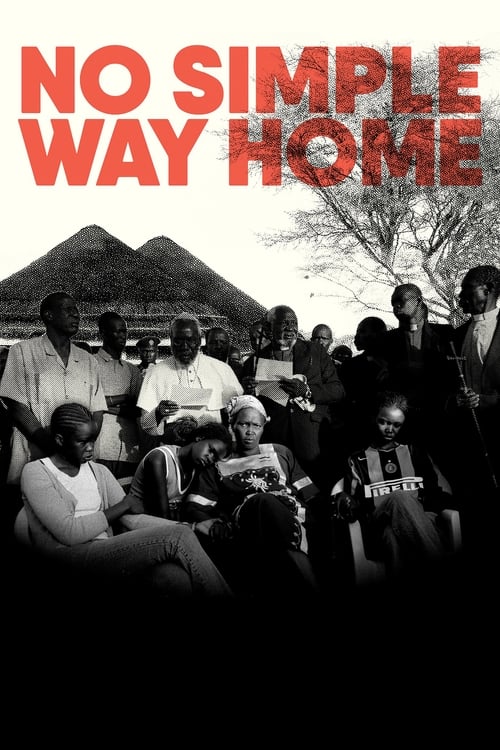
Akuol de Mabior is the daughter of a martyr of the revolution in South Sudan. As her mother is sworn in as vice president, the young woman tries to find out if this country torn by civil war can ever become her home.
No Simple Way Home

Filmed over six years, Mother City follows the David versus Goliath battle as activists and domestic workers take on property power and politics in Cape Town – a city still disfigured by spatial apartheid 30 years into democracy. The story begins when the government sells a school, meant for affordable housing, to a private developer. Set against the backdrop of one of the most beautiful cities in the world, this intimate and at times funny narrative documentary charts Nkosikhona (Face) Swartbooi leading a defiant war against government and property developers – on the streets, in the supreme court and in parliament.
Mother City
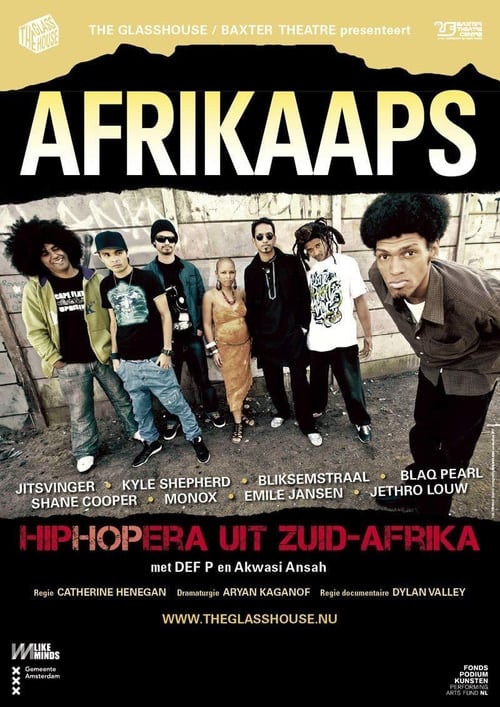
In his debut documentary, Dylan Valley explores the untold Creole history of Afrikaans, using what he knows best: HipHop, humour and personal perspective. The film follows a group of local artists creating the stage production (or 'hip-hopera'), AFRIKAAPS, as they trace the true roots of Afrikaans to slaves in the Cape. The play, and the film, reclaims and liberates Afrikaans from its reputation as the language of the oppressor, taking it back to the people who own it. Features music from Jitsvinger, Kyle Shepard, Emile (black noise), Moenier Parker, Shane Cooper, Blaq Pearl, the powerhouse bboy, Bliksemstraal, and the poetic genius of Jethro Louw.
Afrikaaps
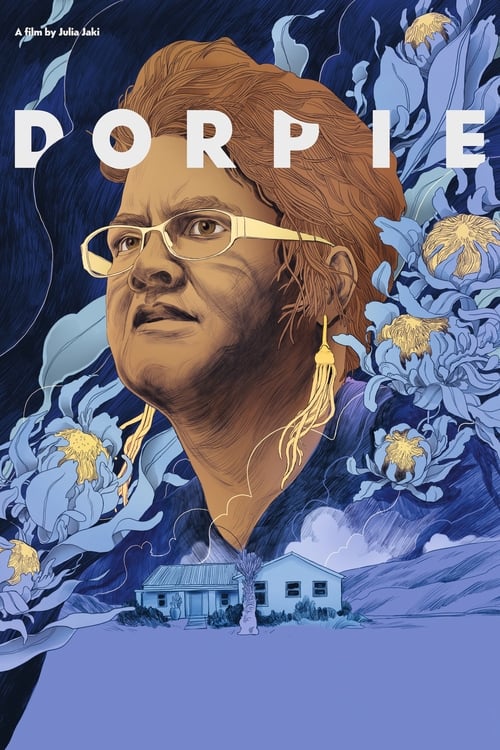
Koekie, Fluksie, Sanna and Jo-Marie live together in a safehouse in Bredasdorp, a small town in South Africa. This community of around 15,000 has been shaken by a series of rapes and murders of women. Community worker Lana O’Neill felt compelled to create a safe place for the most vulnerable women, so that what happened to Anene, Kayde, Sulnita and Jodene doesn’t happen to them too.
Dorpie
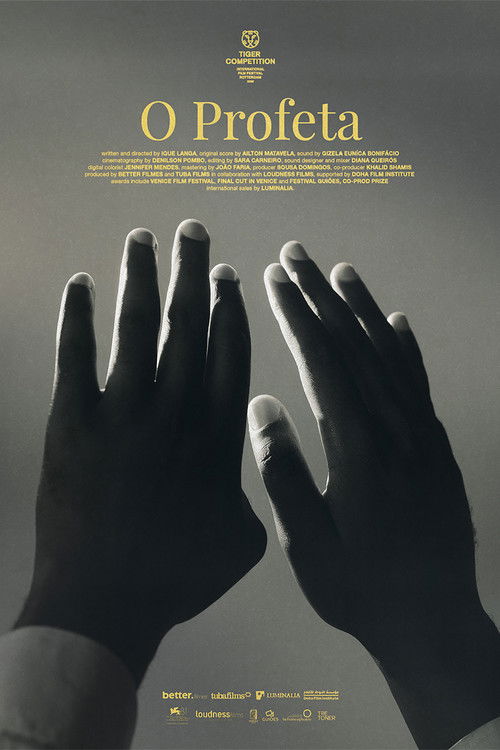
Helder, a kind hearted evangelical pastor living in the village of Manjacaze, Mozambique . He struggles with his own faith in God as he fails to engage and grow his congregation through his sermons. In secret he seeks for a solution in witchcraft. From there on things seem to go well until they don’t.
The Prophet
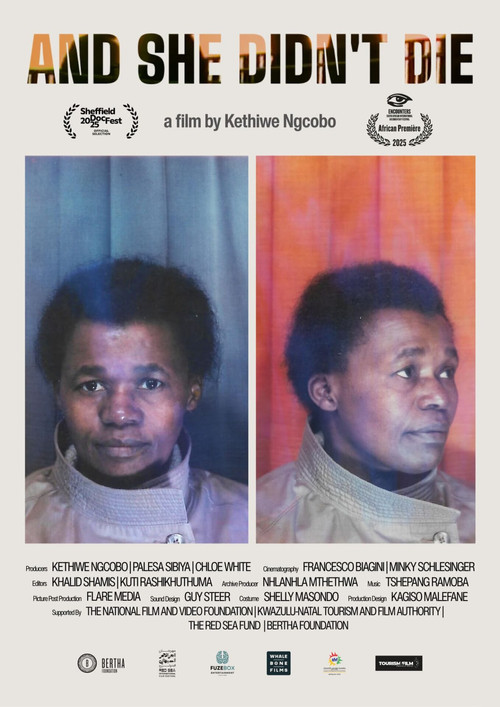
A daughter uncovers her mother's radical journey from rural South Africa to exile, and how storytelling can become a weapon of resistance and a tool of healing.
And She Didn't Die
In 1969, Imam Abdullah Haron was incarcerated and killed in detention in Cape Town, South Africa. A much loved community leader, he was active within an inactive community in raising awareness of the plight of his compatriots living under apartheid. During the 60s, Imam Haron became more active and began travelling abroad to raise funds for impoverished families back home. Mixing animation, documentary and stock footage, this short film looks at the last few years of the Imam's life and death.[3] It is told by his grandson, the filmmaker Khalid Shamis, through the eyes of a child
The Killing of the Imam

Drawing from the legends of the Dia!kwain in the Southern African San language |xam, the film interprets the tale of three crows sent by |xam women to search for their lost husbands, only to learn they’ve been slain by a Dutch commander.
The Sending of the Crows
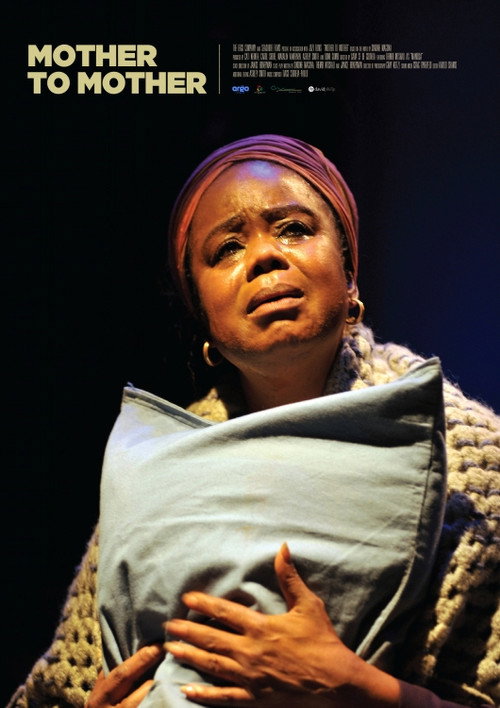
Dramatisation of the novel of the same name written by Sindiwe Magona about Amy Biehl, an American journalist murdered in Cape Town in 1993, and the 2012 play based on it. Based on the intimate one-woman play staged by singer, actress and playwright, Thembi Mtshali, the film seeks an understanding from the mother as she explains the direct consequences of apartheid, which influenced her son's actions.