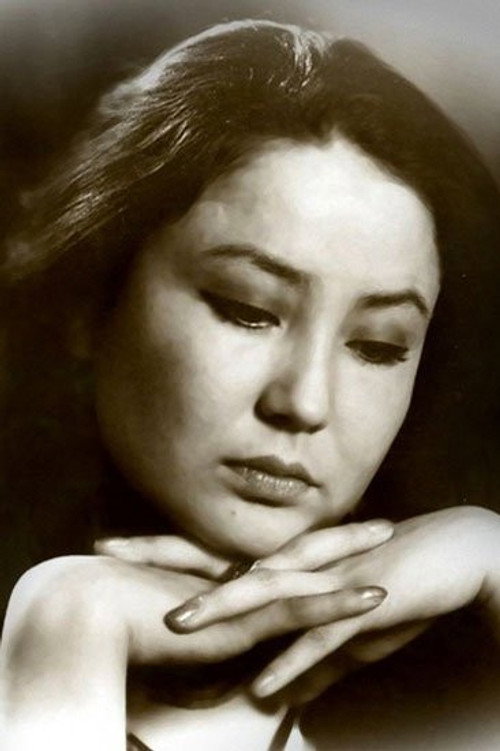
Tattybyubyu Tursunbayeva
Acting
Biography
Tattybubu Tursunbaeva (July 12, 1944 – December 21, 1981) was a legendary Kyrgyz theater and film actress, widely revered as the "Pearl of Kyrgyz Cinema" for her breathtaking beauty and profound dramatic talent. She was honored with the title of Honored Artist of the Kirghiz SSR. Born in the village of Chaek in the Naryn Region, she graduated from the acting department of the Tashkent Theater and Art Institute. She became a leading actress at the Kyrgyz State Academic Drama Theater, portraying iconic characters from both world classics and national literature. In cinema, Tursunbaeva became a central figure of the "Kyrgyz Miracle" cinematic wave. She delivered unforgettable performances in masterpieces such as "Ak Moor" (1969), where she played the tragic titular heroine, "Bow to the Fire" (1971) as the revolutionary Urkuya Salieva, and "The Red Apple" (1975), based on Chingiz Aitmatov's story. Despite her tragic and premature passing at the age of 37, Tursunbaeva left an indelible mark on Central Asian art and remains an eternal icon of Kyrgyz culture.
Known For
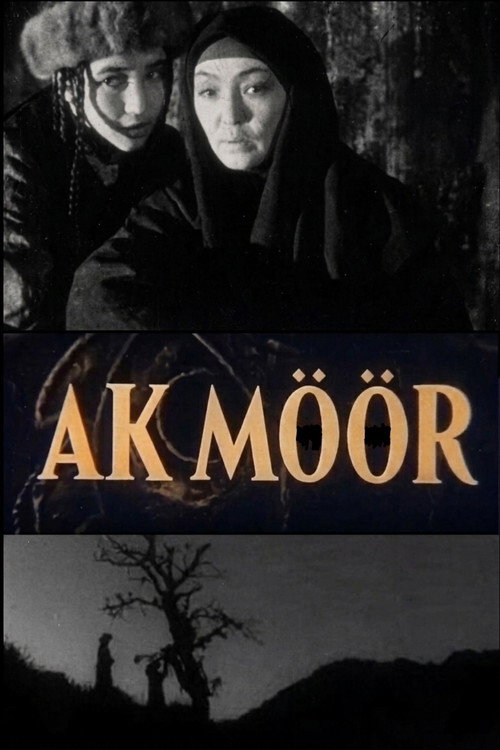
A poetic cinematic legend based on an ancient Kyrgyz folk tale. The film tells the tragic story of the all-conquering love between the beautiful Ak Moor and a simple young man named Bolot, who dared to challenge cruel feudal customs, social injustice, and the will of a wealthy nobleman.
Ak Möör
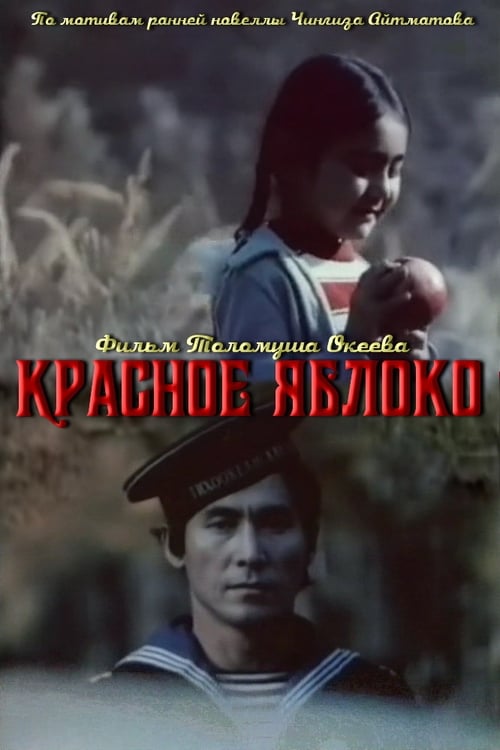
A chronicle of a few days in a small family, a story about the difficulties of human contacts, the complexity of love. The image of red apples - strong and clear, profound and lucid. Okeyev's "apple" bears a special meaning. Juices of the earth and sun, it is a lyrical symbol of happiness and harmony.
The Red Apple
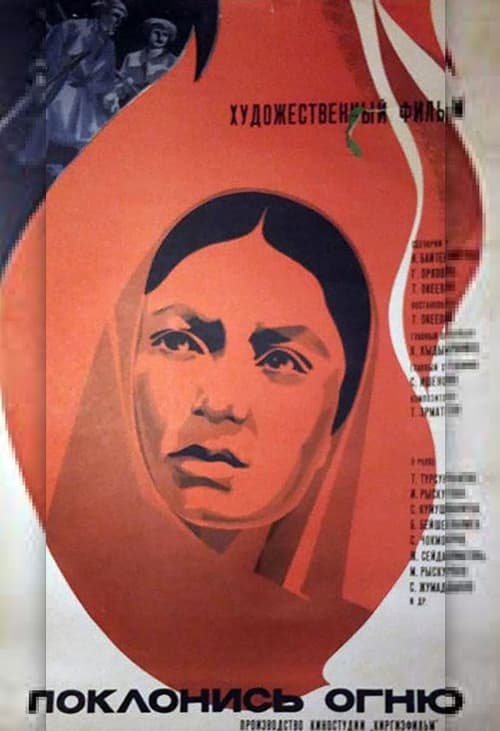
Kyrgyzstan, the 1920s. In a remote mountain village, against the will of the local elites and in defiance of centuries-old traditions, a woman—Urkuya Salieva—is elected chair of the agricultural cooperative. Salieva is determined to build a new life with an uncompromising resolve against anyone who would obstruct the poor, a stance unusual for a woman.
Worship the Fire
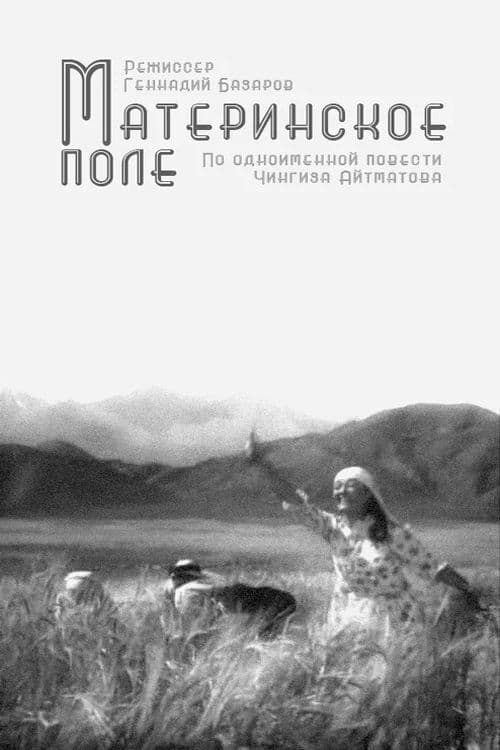
In a remote Kyrgyz village, a mother navigates daily life as her family is drawn into the upheaval of World War II. Left behind to tend the land and hold her household together, she clings to hope amid growing uncertainty. As seasons pass, the quiet weight of absence and memory shapes her world. A deeply personal story of endurance, Mother’s Field captures the emotional cost of war from the perspective of those who wait.
Mother's Field
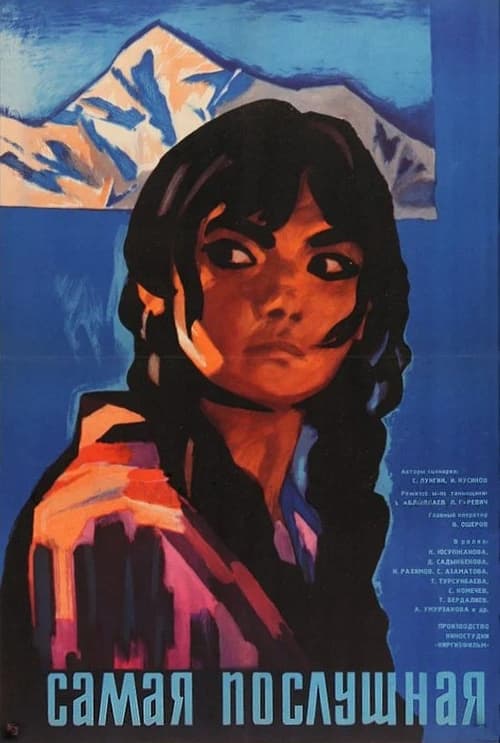
The life of a thoughtful eighteen year old girl in a rural Kirghiz village.
The Most Obedient
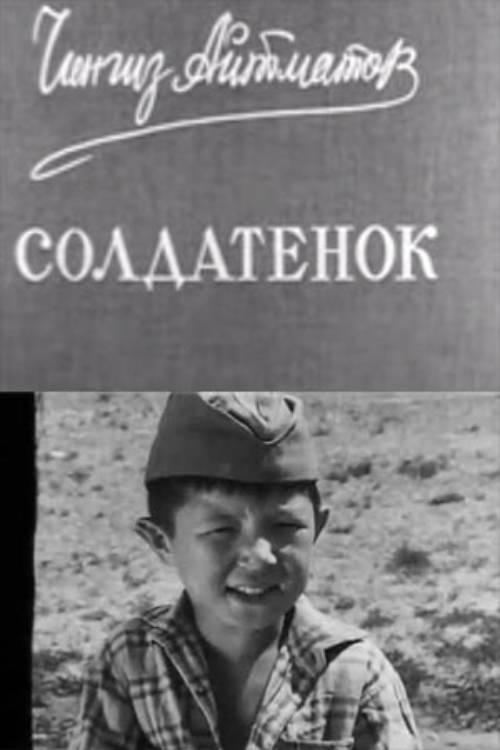
Once in a war movie, Avalbek "recognized" his father in a soldier walking with a grenade at a fascist tank. And no one dared to disabuse the boy of this.
Little Soldier
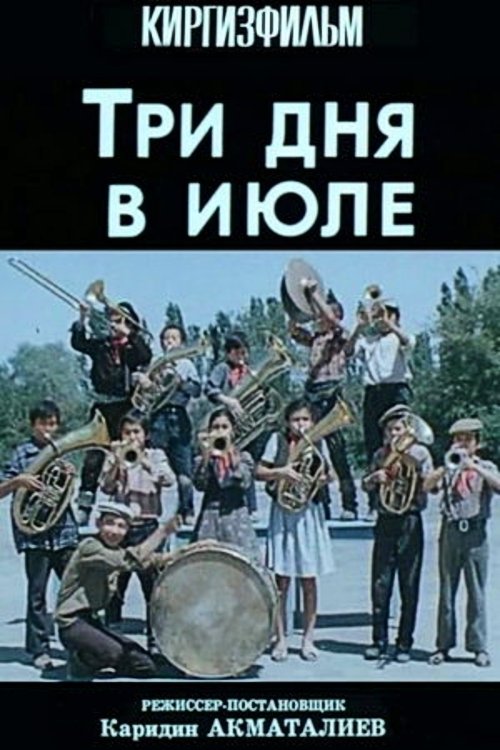
Although they used to be a couple, time has changed everything for Alym and Salima. Seeing how happy she is without him, Alym realizes he might be a failure.
Three Days in July

Teenager Mukai spends most of the year in a remote Kyrgyz village with his grandmother while his parents work in a secluded mountain area. At thirteen, he is considered an adult by local standards. Mukai helps adults with logging, visits his father in the mountains, takes his grandmother to Lake Issyk-Kul where she first met Mukai's grandfather, herds horses to the dock, and interacts with city visitors at the lake.
Swans Arrive Here
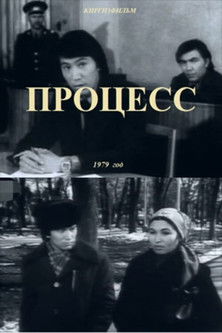
Adyl Sultanov is accused of involvement in a department store robbery case. The hero, confident in his innocence, nevertheless does not immediately trust the young lawyer and for some time loses hope, but soon begins to understand that he is under the protection of a principled professional who will certainly restore justice.
The Trial
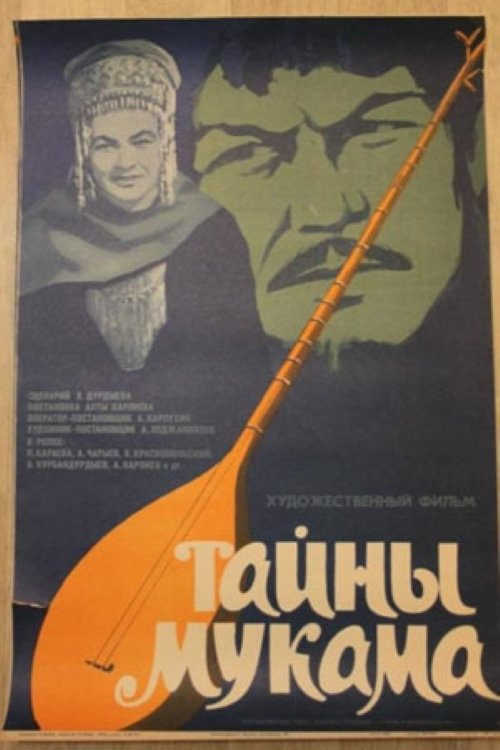
No description available.
Secrets of Mukam
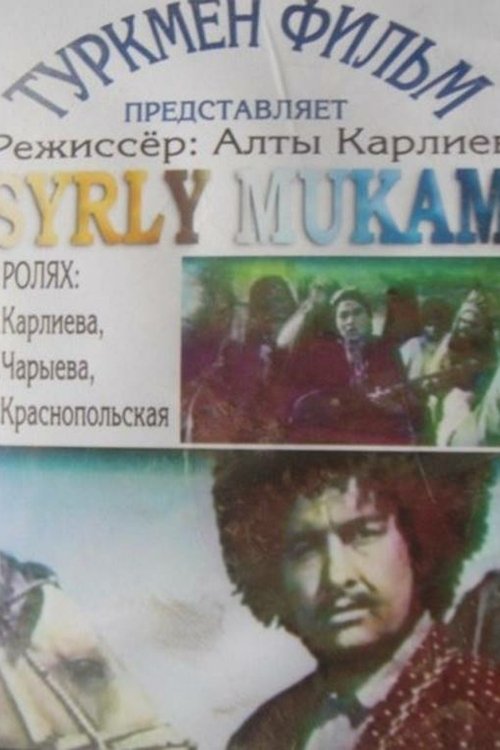
Musician and Scientist from the Soviet Russia goes to Türkmenistan to explore and learn about Turkmen National Music. Whilst drifitng through the desert and writing down the music he learns, he comes the across the son of the legend: Karkara.
Secret of the Music

Russian horse breeder Krasin arrives to 30s Kyrgyzstan to open the first Soviet stud farm here and breed a new breed of horses by crossing Don Argamaks and local Karabairs.