George S. Patton
Acting
Biography
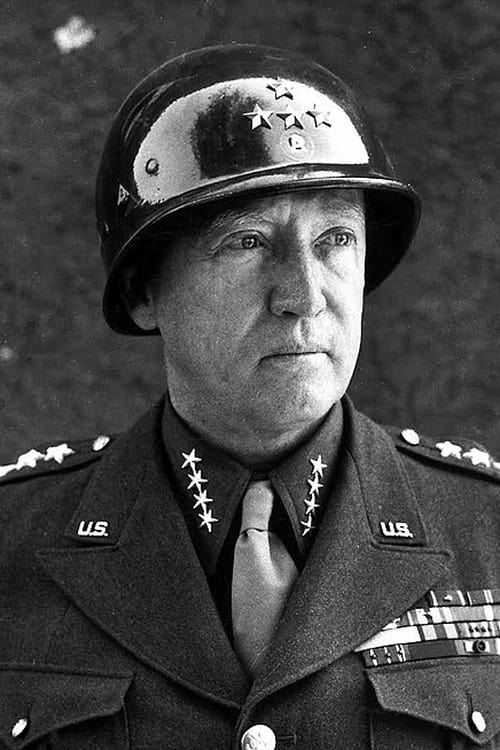
George Smith Patton Jr. (November 11, 1885 – December 21, 1945) was a general in the United States Army who commanded the Seventh United States Army in the Mediterranean Theater of World War II, and the Third United States Army in France and Germany after the Allied invasion of Normandy in June 1944.
Known For

Oliver Stone's re-examination of under-reported events in American history.
Oliver Stone's Untold History of the United States

No description available.
Crusade in Europe

Have you ever wondered what goes on behind the scenes of the most legendary monuments and powerful organizations in the United States? America’s Book of Secrets lifts the veil of mystery, giving you unparalleled access to historical narratives and insider information previously hidden from the public. Through in-depth research and exclusive channels, this series delves into a variety of familiar but enigmatic American institutions, from the FBI and the Pentagon to Fort Knox and Area 51. Go beyond the locked doors and security checkpoints of government agencies, famous landmarks and stealthy societies to glimpse the hidden worlds you were never intended to see.
America's Book of Secrets

Using highly advanced colourisation techniques, critical moments from World War II, from Stalingrad to The Battle of Britain, are shown in a whole new light.
Greatest Events of World War II in Colour

Myth Hunters reveals true stories of quests seeking legendary objects – hordes of lost Spanish gold, the Temple of Solomon, the body of King Arthur, the relics of Joan of Arc; objects that offer their finder either unlimited power or wealth - or both
Myth Hunters

History vs. Hollywood is a television show on the History Channel in the United States. On the show, experts are interviewed on the historical accuracy of a film that is based on a historical event. For example the movie The Last Samurai was featured in one episode in which military historian Geoffrey Wawro, professor of history at the University of North Texas, and director of the university's Barsanti center for military-history, compared the movie with the actual events. On the show the expert guests discuss the factual accuracy of the film as well as the everyday objects that a person of the particular time period would have seen. In some episodes an expert or the host will go on a journey to the actual historical sites depicted in the film, or interview someone who witnessed the event firsthand. In each of the more than dozen episodes both expert guests and filmmakers will discuss the historical accuracy of the film dramatized. The series was first released in 1999, and had been produced on a semi-regular basis continuing through at least 2005. The program was conceived and created by producer Steven Jack who also directed a majority of the episodes. Although the hour long programs were made for television most episodes were shot on 35mm film which heightened its authentic looking recreations and aided in earning critical praise for its efforts to both entertain and educate.
History vs. Hollywood

The life and career of Erwin Rommel and his involvement in the plot to assassinate Hitler.
The Desert Fox: The Story of Rommel

The First World War - carnage on a scale never-before seen. But how did it all start? And how did some key figures of WWII fare in the earlier war?
Doomsday: World War I

Battlefield is a documentary series initially shown in 1994 that explores the most important battles fought primarily during the Second World War but also the Vietnam War. The series employs a novel approach in which history is described by detailed accounts of major battles together with background and contextual information.
Battlefield

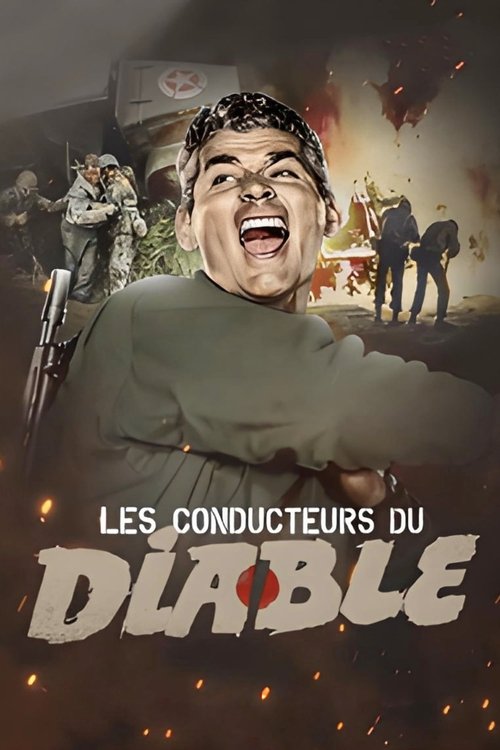
August 1944: proceeding with the invasion of France, Patton's Third Army has advanced so far toward Paris that it cannot be supplied. To keep up the momentum, Allied HQ establishes an elite military truck route.
The Red Ball Express

Produced and presented as evidence at the Nuremberg war crimes trial of Hermann Göring and twenty other Nazi leaders, this film consists primarily of dead and surviving prisoners and of facilities used to kill and torture during the World War II.
Nazi Concentration Camps

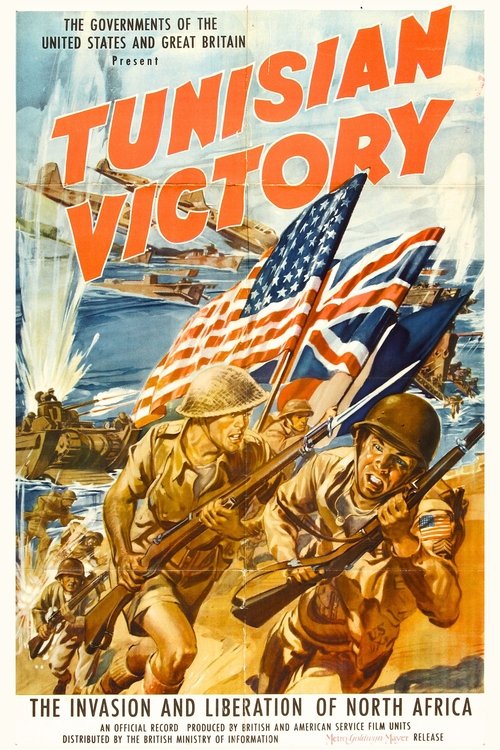
Documentary made by the U.S. Army Signal Corps after the North African campaign.
Tunisian Victory

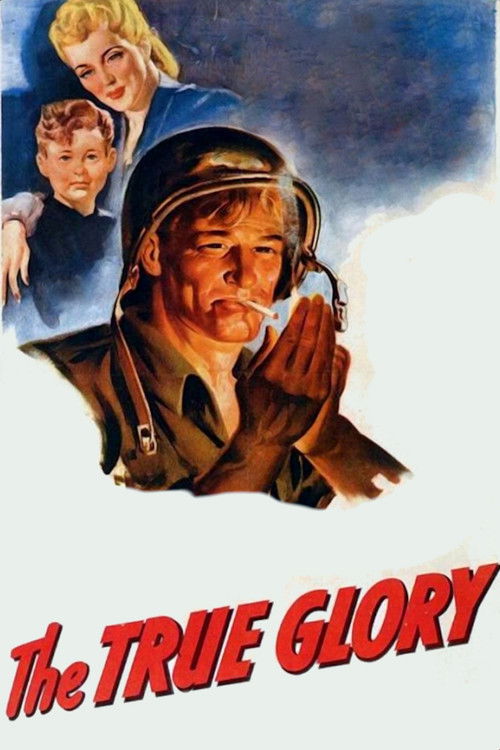
A documentary account of the allied invasion of Europe during World War II compiled from the footage shot by nearly 1400 cameramen. It opens as the assembled allied forces plan and train for the D-Day invasion at bases in Great Britain and covers all the major events of the war in Europe from the Normandy landings to the fall of Berlin.
The True Glory

Chronicles the last days of WWII with original footage of the Allied advance in Europe, the final battles, and the after-effects of peace such as the Nuremberg Trials and the beginnings of the Cold War.
The Last Days of World War II

Former inmates and American soldiers remember the cruel conditions in Buchenwald concentration camp.
"KZ Buchenwald. Aushalten. Wir eilen euch zur Hilfe"

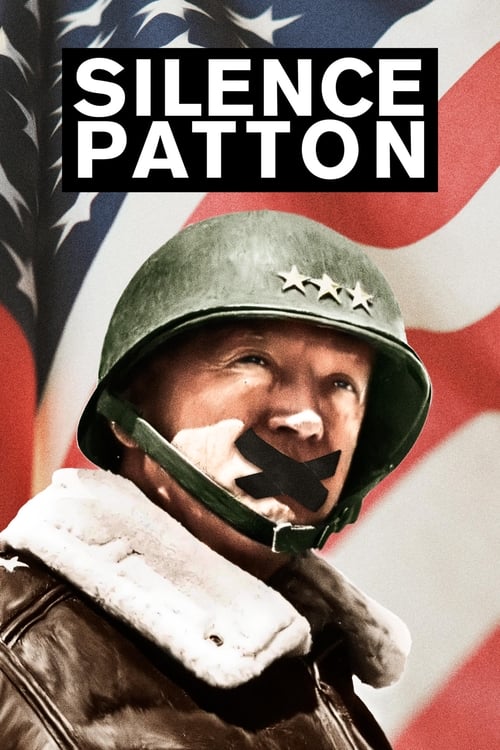
Silence Patton asks the question: Why was General Patton silenced during his service in World War II? Prevented from receiving needed supplies that would have ended the war nine months earlier, freed the death camps, and prevented Russian invasion of the Eastern Bloc, and Stalin's murderous rampage. Why was he fired as General of the Third Army and relegated to a governorship of post-war Bavaria? Who were his enemies? Was he a threat to Eisenhower, Montgomery, Churchill, and Bradley? And is it possible as some say that the General's freakish collision with an Army truck, on the day before his departure for US, was not really an accident? Or was Patton not only dismissed by his peers, but the victim of an assassin's bullet at their behest? Was his personal silence necessary?
Silence Patton

No description available.