Writing
An anthology series of television plays which aired on BBC1 from October 1964 to May 1970. The plays were usually written for television, although adaptations from other sources also featured.
ITV Playhouse is a British comedy-drama TV series that ran from 1967 to 1983, which featured contributions from playwrights such as Dennis Potter, Rhys Adrian and Alan Sharp. The series began in black and white, but was later shot in colour and was produced by various companies for the ITV network, a format that would inspire Dramarama. Actors appearing in the series included Leslie Anderson, Gwen Nelson, Ricky Alleyne, Pat Heywood, Michael Elphick, Ian Hendry, Edward Woodward, Margaret Lockwood, Jessie Matthews and Lloyd Peters.
Theatre 625 is a British television drama anthology series, produced by the BBC and transmitted on BBC2 from 1964 to 1968. It was one of the first regular programmes in the line-up of the channel, and the title referred to its production and transmission being in the higher-definition 625-line format, which only BBC2 used at the time.
An anthology of short plays shown on BBC Television between 1965 and 1973, used in part at least as a training ground for new writers, on account of its short length, and which therefore attracted many writers who later became well known.
Six of Britain's top television playwrights were given the opportunity to write the plays they had always wanted to write.
The drifter has a name - Lenny Jacobsen" - An outsider is chased to his death. The case remains uncertain, while what otherwise interests at best incidentally, the sensitivities of the victims and the perpetrators, to seemingly trivial expressions, gestures, sentences becomes the main thing.
The eternal triangle can change shape but always has three sides.
A waiting room, with eight chairs, a table with magazines on it, and a picture on the wall. Sitting on the eight chairs - eight men. One by one they go into the interview room. But not one ever comes out
Through psychological warfare, a man manages to outdo his former wife's second husband and return to her.
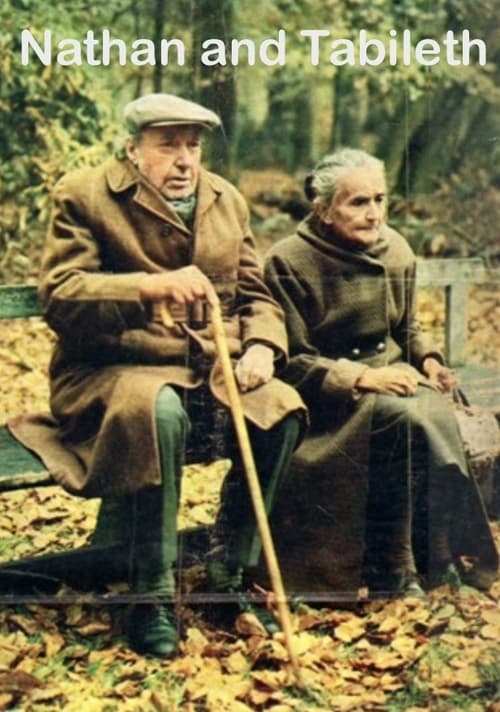
A portrait of two old people whose dialogue is echoed by internal monologue. A visitor, possibly their nephew, disrupts the routine of their day.