Acting
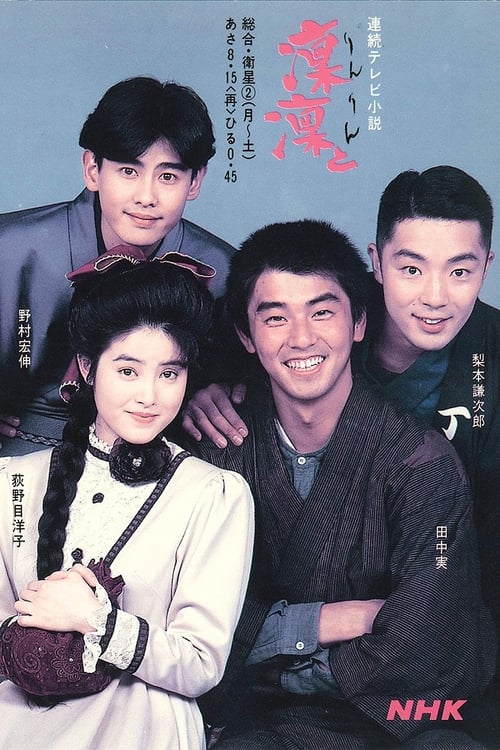
The 44th NHK Asadora about a man who developed an early television system.
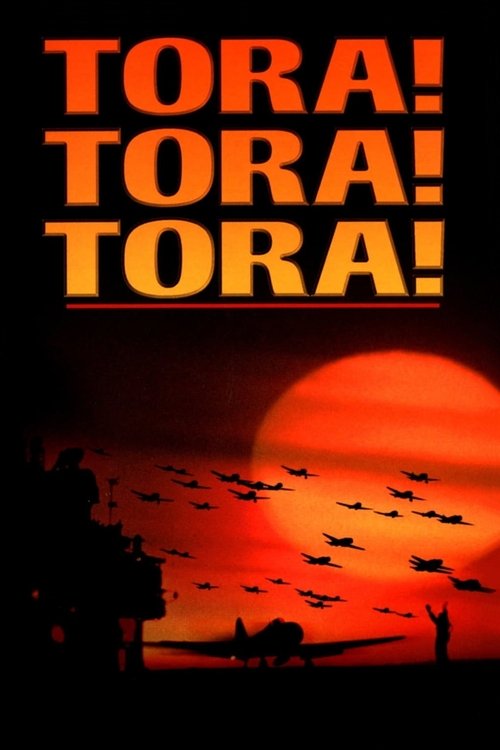
In the summer of 1941, the United States and Japan seem on the brink of war after constant embargos and failed diplomacy come to no end. "Tora! Tora! Tora!", named after the code words used by the lead Japanese pilot to indicate they had surprised the Americans, covers the days leading up to the attack on Pearl Harbor, which plunged America into the Second World War.
No description available.
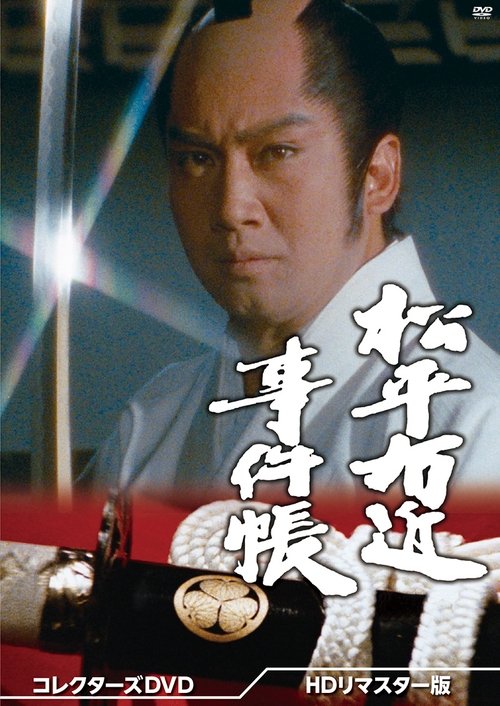
In this gripping period drama, Matsudaira Ukon, the younger brother of the 11th Tokugawa Shogun Ienari, lives in the city as Yabutaro, a doctor in the Ukiyo Koji district, while fighting the evil that has infested the city of Edo.
The 16th "Ekimae" feature.
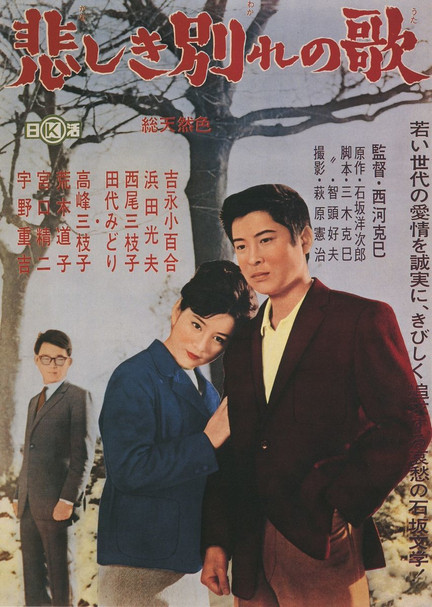
After her mother's funeral, Yuriko, dressed in mourning clothes, sees off her lover Shintaro as he leaves in the powdery snow, and resolves to part ways with him forever. However, in Yuriko's heart... Pure love duo Yoshinaga and Hamada rigorously pursue a life of sincerity and love of the younger generation, and love but parting, in this lyrical and melancholy touching story of Ishizaka literature.
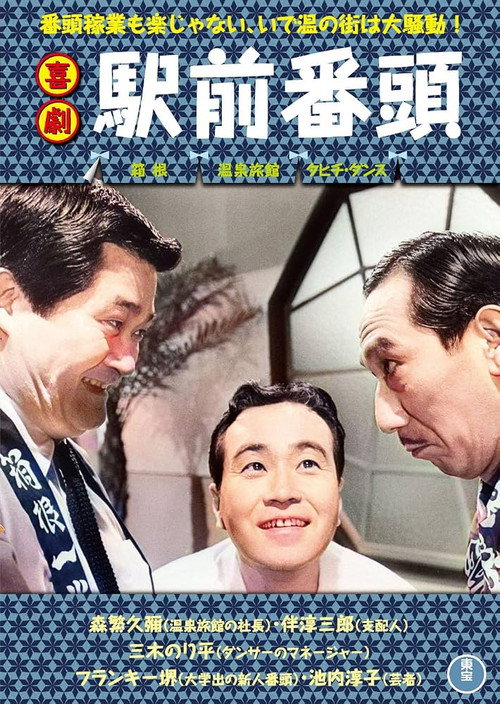
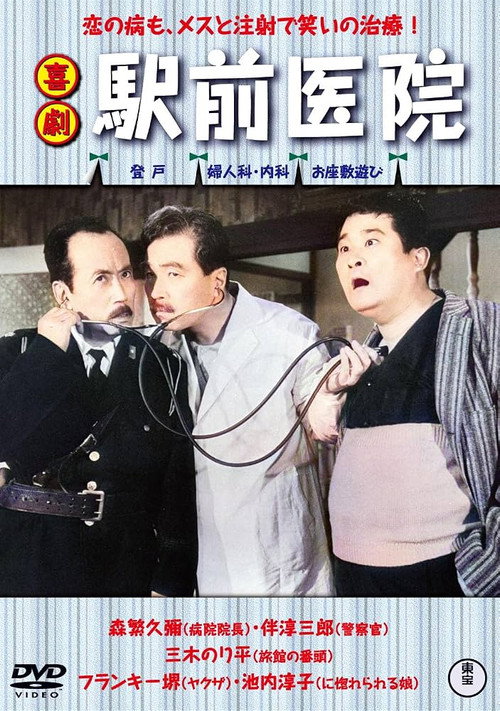
The 9th "Ekimae" feature.
The 11th "Ekimae" feature.
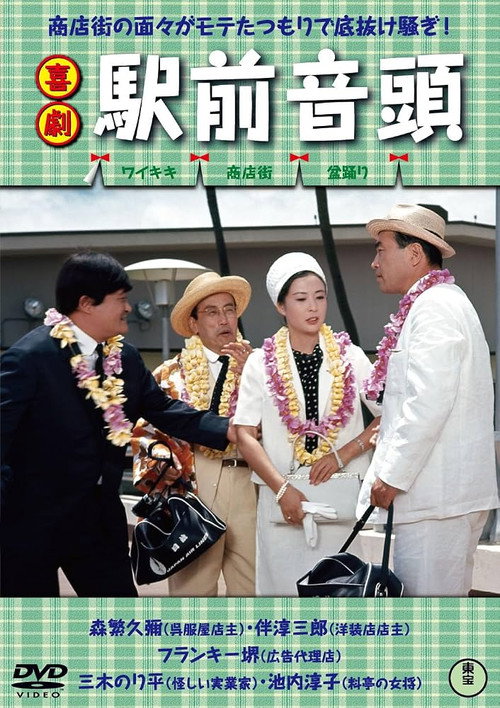
The 17th "Ekimae" feature.
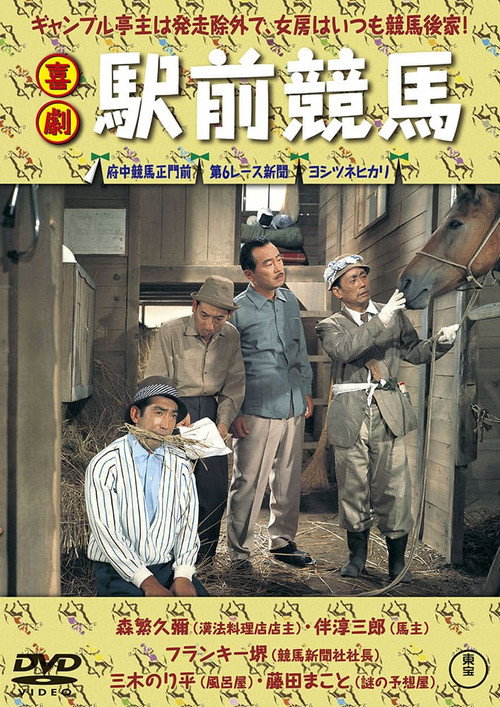
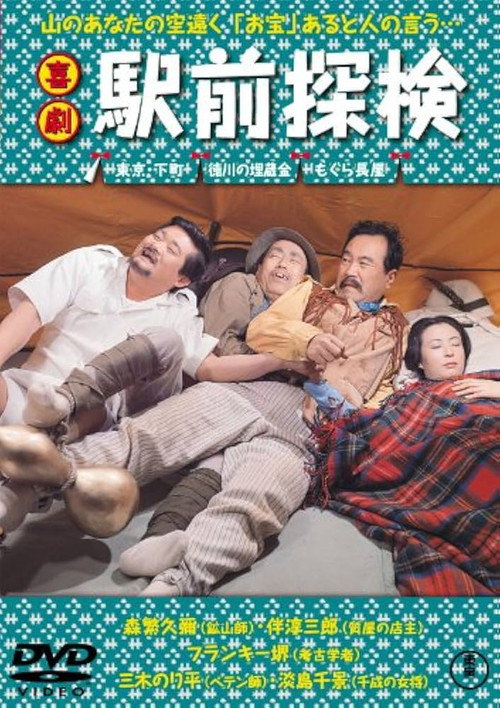
Late entry "Ekimae" feature, about the hunt for lost treasure.
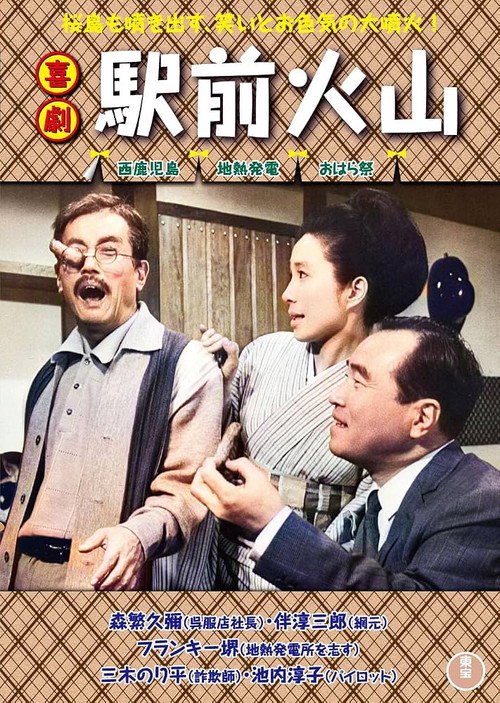
Penultimate 23rd "Ekimae" comedy is about oil-field exploration.
The 18th "Ekimae" feature.
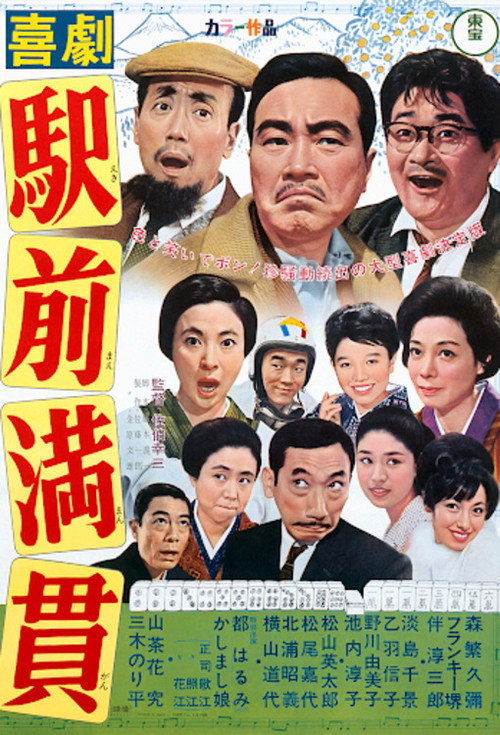
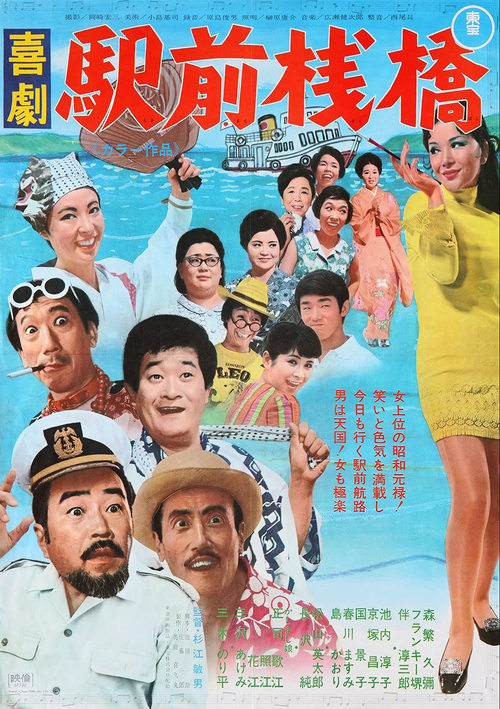
The 24th and final entry in the Ekimae series, set at Takamatsu Station in Kagawa Prefecture, formerly known for its ferry service to the Seto Inland Sea.
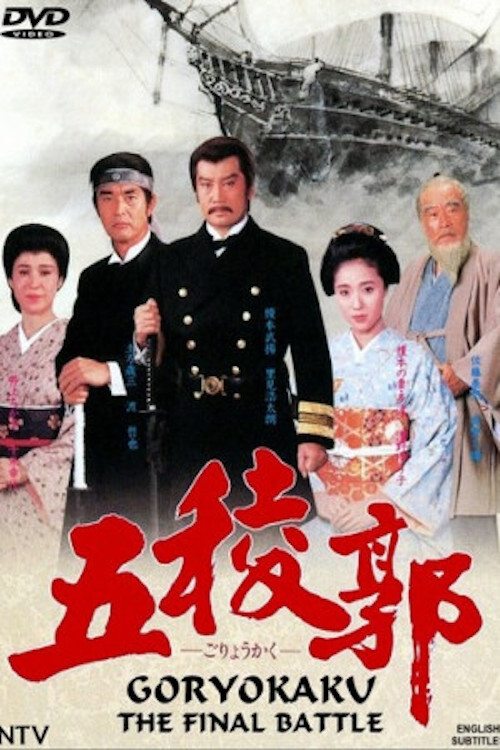
After the fall of the Tokugawa Shogunate, there was a series of battles fought while the former supporters of the Tokugawa shogunate retreated to the north where they actually started a sovereign nation that was recognized by more than one European country. Survivors of the Shinsengumi were among the followers of Enomoto Takeaki who took them to the northernmost island of Ezo where they fought their final battle at the star shaped fort, Goryokaku. The Japanese Civil Wars fought in the name of the emperor signaled the complete end of the feudal system and Japan’s entry into the modern world as those brave samurai tried to halt progress and learned that the age of modern warfare and weaponry had passed them by. Swords were no match for rifles and cannons, nor was any man a match for the power of the imperial flag. Japanese loyalty to the emperor has long defined the nation and culture despite the changing times.
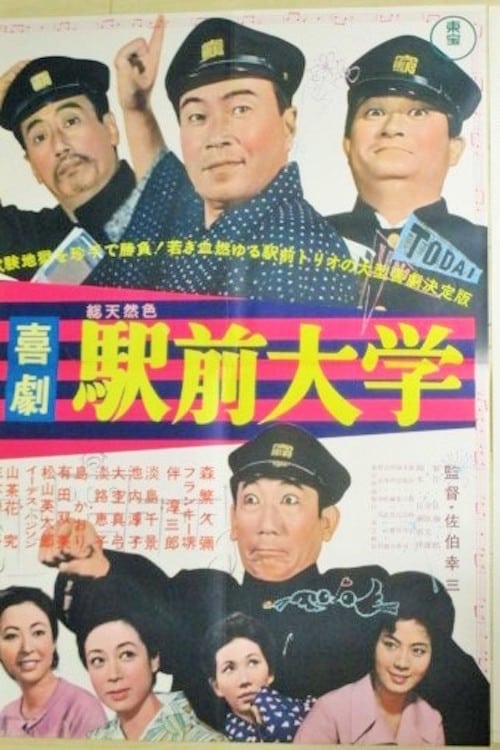
#13 in the Ekimae series of films. Set at Todai University, Professor Sakai (played by Frankie Sakai) mentors a group of university hopefuls. Cut to 25 years later, the students have each settled into their careers and cross paths with Professor Sakai's son, a P.E. teacher (also played by Sakai).
1967 Japanese movie
Shinkichi, a peasant employed as a cloth-dyer, has a dream: in the midst of the civil war which ravages Japan, he hopes to revive the long-banned custom of the Kyoto Gion Festival, and by doing so, bring together the warring clans and rampaging brigands in peaceful celebration.
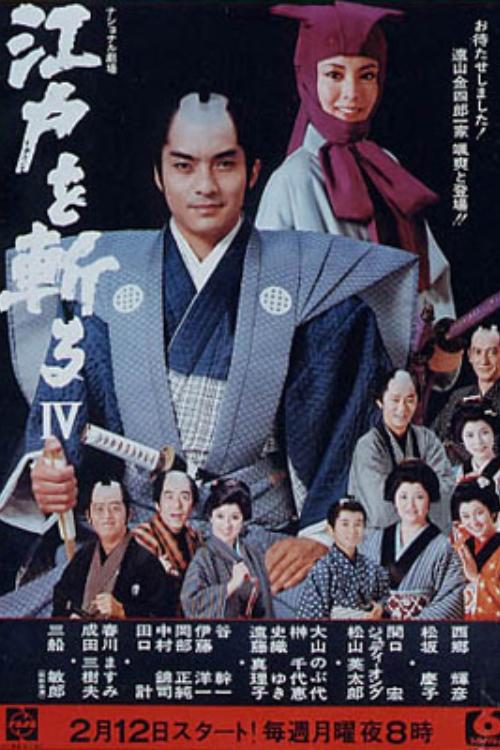
Edo wo Kiru (江戸を斬る) was a popular jidaigeki on Japan's TBS. It lasted through eight series, with several casts and settings.
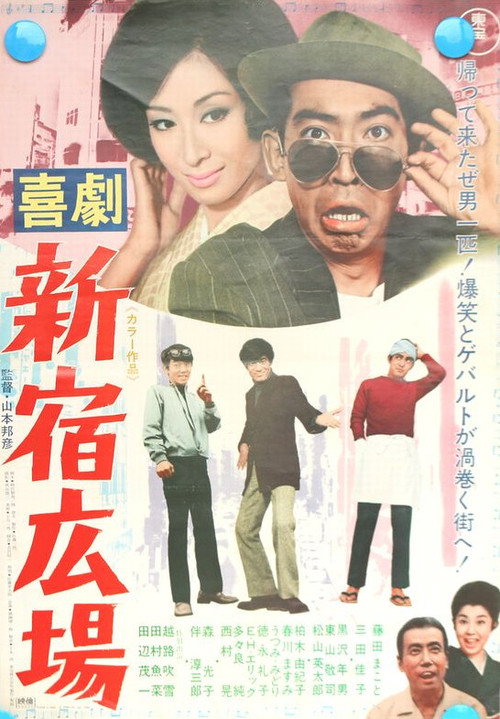
Comedy about residents of Shinjuku.
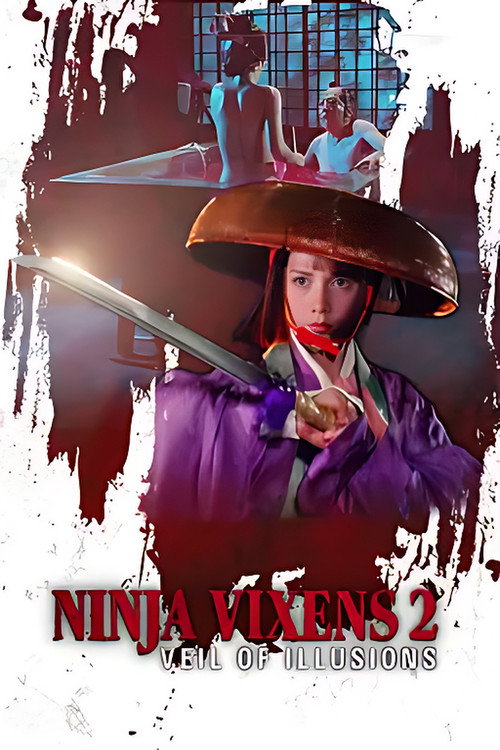
Kagero, the leader of the female ninja serving Kasuga no Tsubone in the Ōoku, rescues a young woman who is being attacked by samurai. This incident leads to the discovery of a smuggling scandal in the Echizen Maruoka Domain. Without hesitation, Kagero and the female ninjas set out for Maruoka to investigate and take action.