FEEL IT.STREAM
Aleksandre Jorjoliani

Aleksandre Jorjoliani

Acting

Known For

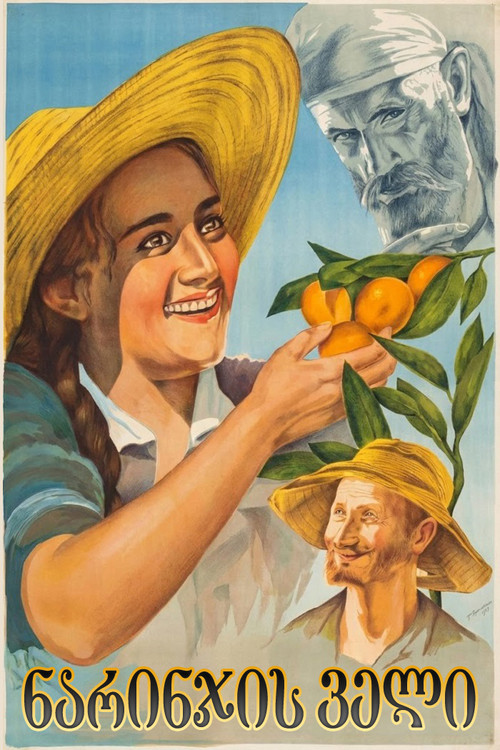
The Lights of Kolchis
7.0

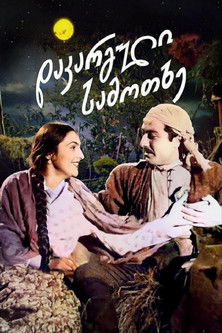
During the meeting in the Kolkhidmsheni division, they will decide to strengthen the work in the highway area, headed by Taras Japaridze, before the rains begin, and transfer Archil Tsanava's brigade here as well. Archil considers this decision to be unfair. But his fiancee, engineer Nani Tophuria, also opposes him. upset Archil leaves the meeting and the construction as well. Autumn rains begin. The overflowing Rion threatens to tear down the entire construction.

The Lights of Kolchis

1941
Manana
5.4

The film tells the story of the adventures of the usual mischievous girl, full of tricks, which will promote the love of a blind elderly grandmother and grandfather, lies misled those around you. But naturally kind and intelligent child soon he realizes that would be to all people and has promised that from now on will become a model pupil

Manana

1958
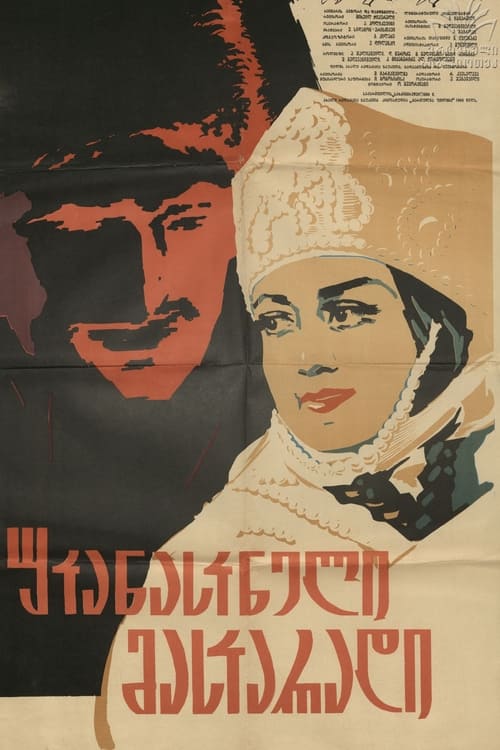
Eliso
5.6

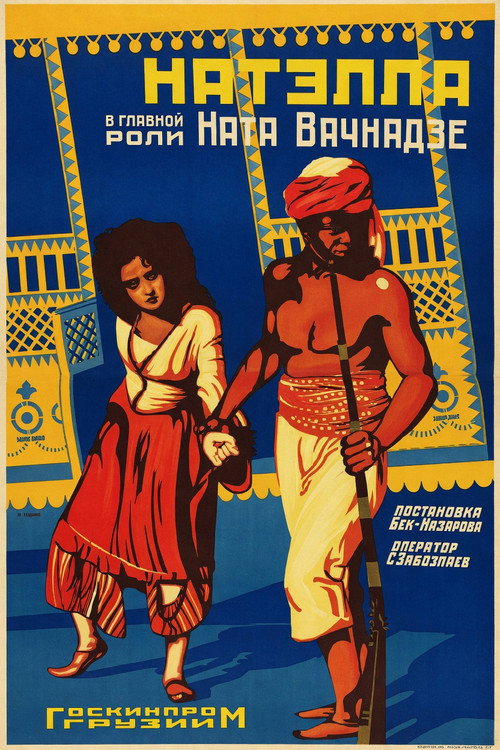
Georgia, 1864. The Tsarist regime is using Cossacks to forcibly resettle Muslim Georgians to Turkey in order to steal their land. Meanwhile a Muslim girl falls in love with a Christian from the next village.

Eliso

1929
Chrichina
6.8

A young, funny, lovely, kind girl from country-side is named Marine but she is nicknamed as Chrichina (Dragonfly). She is very popular in her village because of her happy-go-lucky temperament and singing songs. She lost a chance to study at University, fell in love with handsome, intelligent architect from the city. She must prove to everyone that she is useful for something, and not only for singing "aba deli dela..." every day. Everyone realizes that they are not very suitable for each other, but the young architect can't get her out of his head.

Chrichina

1954
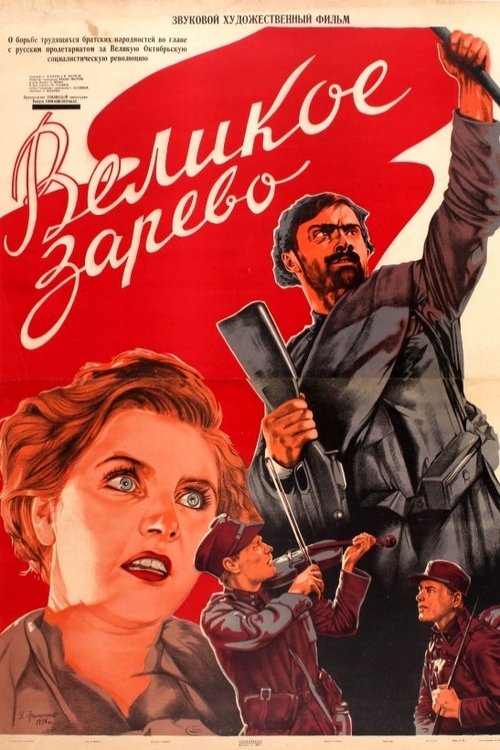
The Great Dawn
5.8

In 1917, the people of the Russian Empire are no longer willing to fight Germany, but the bourgeois government of Alexander Kerensky is unwilling to defy its imperialist allies and stop the war. Only Vladimir Lenin's Bolshevik Party is resolute in calling for peace. In the front, the soldiers of one battalion elect three delegates to travel to St. Petersburg with donations the troops collected for the Pravda newspaper: Gudushauri, Panasiuk and Ershov. The three arrive in the capital and describe the horrendous conditions in which the soldiers live to Joseph Stalin, Lenin's trusted aid and colleague. They join the Bolsheviks and take part in the storming of the Winter Palace, led by Stalin and Lenin. Stalin announces that the great dawn of revolution has broken.

The Great Dawn

1938
Keto and Kote
4.5

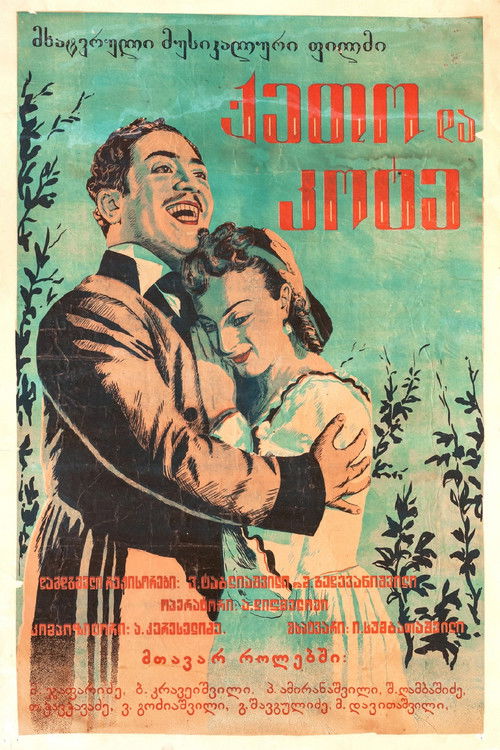
Using a marriage broker, a Prince in dire financial straits plans to marry the wealthy daughter of a merchant, The girl is in love with the nephew of the prince. Forced by her father into the unwelcome match, she finds a friend in another matchmaker. They arrange it so that the prince will not like the girl when he meets her.

Keto and Kote

1948
The Dolls Are Laughing
5.2

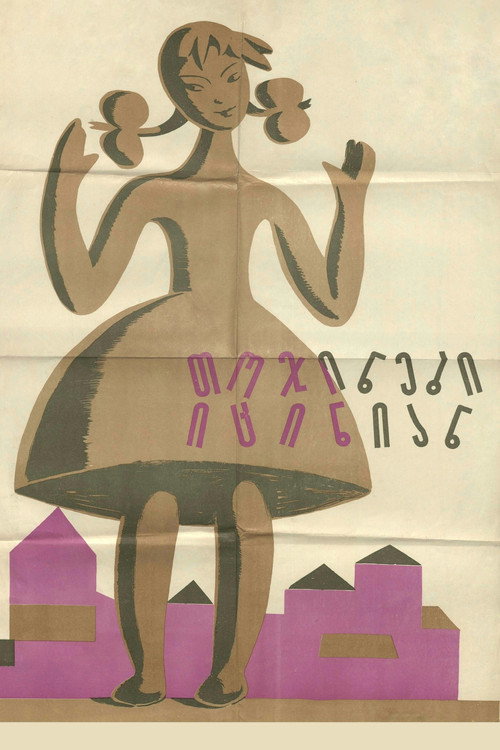
Meliton Beltadze only son Reziko opera singer, has neither the talent nor the desire, but for the sake of the mother's grandmother and studied at the Conservatoire. Reziko first test of the household could not steal a father and son reveals. Melitoni troubled his friend, the director complained to the toy factory and asks the child to receive a temporary work. Factory Reziko true talent is revealed, its currently outstanding dolls quickly attracts attention. Factory accidentally found his calling with the young man that finds here first.

The Dolls Are Laughing

1963
Setting Sun
9.7

A sad story about a day in the life of an old captain, now retired. The sadness of this story is softened by a noble dose of humor. It is built on the discrepancy between a quiet life with its small, retirement joys, worries, and the inertia of the old captain's still vivid imagination. Each collision of dream and reality evokes both a slight pain and a smile of understanding. With the help of subtle, unobtrusive details, the director has managed to create the impression of a life that is passing away, sailing away, saying goodbye.

Setting Sun

1970
The Last Masquerade
5.8

The revolutionary struggle of the Georgian proletariat is the central theme of this story. The narrative follows the life and fate of a young revolutionary named Mito. After the Mensheviks disrupt a railway strike, Mito is sentenced to three years in prison, and his father is executed. During his time in prison, Mito shares a cell with an old Bolshevik, which transforms the hot-headed and unstable young man into a conscious Bolshevik. Soon, World War I begins, and Mito, who has just been released from prison, is sent to war.

The Last Masquerade

1934
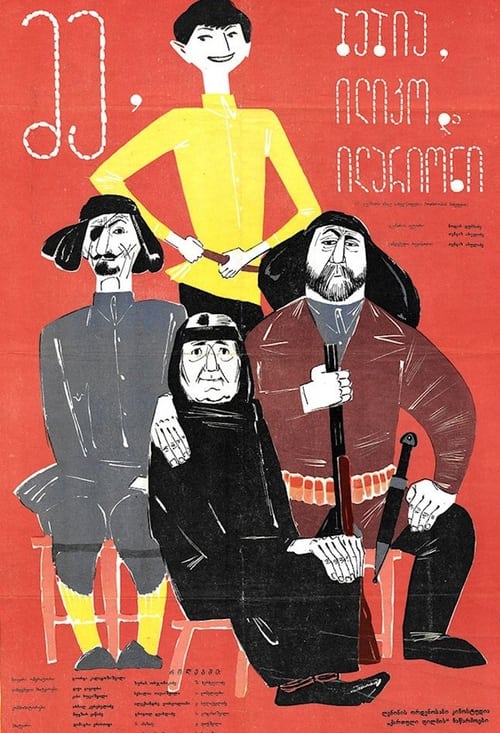
Me, Grandma, Iliko and Ilarion
6.2

The residents of a Georgian village bungle their way through war, peace, life and death.

Me, Grandma, Iliko and Ilarion

1962
Lost Paradise
5.3

A Soviet drama about class differences in a rural farm town

Lost Paradise

1937
I See the Sun
5.9

In Georgia during WWII Zurikela, an orphan boy, meets Khatia, a blind girl, and vows to help her to see again.

I See the Sun

1965
Farewell
8.0

The action of the film takes place in 1905-07. The main characters are a revolutionary who escaped from Metekhi prison and two brothers who hate each other.

Farewell

1935
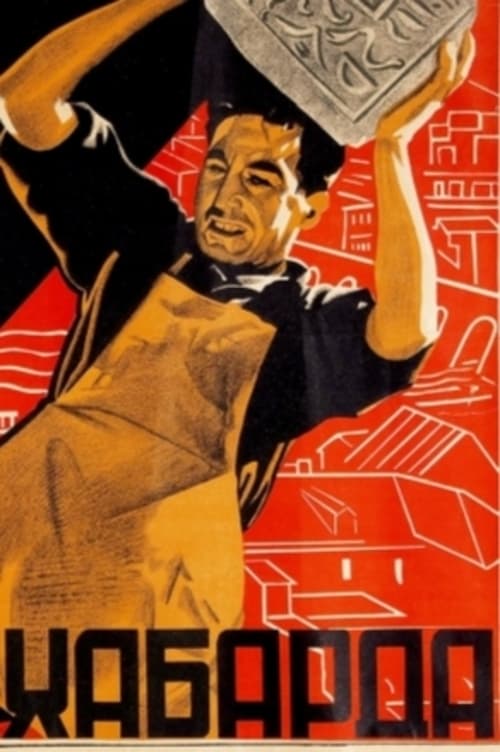
Out of the Way!
10.0

When the communists decide to renovate the city and try to demolish a badly positioned church, the religious citizens decide to fight for what is holy to them.

Out of the Way!

1931
Spring in Sakeni
8.0

The film depicts the life of a Georgian village after the Second World War. Kesou Mirba, appointed as a brigadier in Saken, wants to get a bountiful harvest of corn on the scarce land of the highland village, he is sure that valuable mineral fertilizer will be found there. Kesou's plans are opposed by farmers who do not want to change their old way of life. One of them will replace the soil samples to be sent to the laboratory.

Spring in Sakeni

1951
No image
9.0

A Georgian warrior witnesses the heroic death of a local communist girl in the battle for one of the Russian villages. The wounded warrior returns to his native village, but thinking about the girl does not give him rest, and his photography becomes the cause of misunderstanding with his bride.

He Will Come Back Again

1943
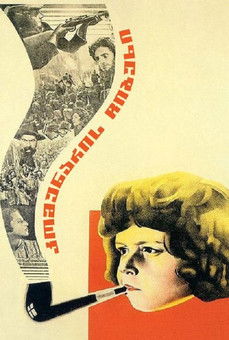
The Communard's Pipe
5.1

Home alone, little Jules starves while the people rise up and uphold their commune in the streets of Paris. His father joins the revolutionaries, taking his son, whose enthusiasm and pipe are quickly noticed by both his comrades and his enemies, which leads to an appalling ending.

The Communard's Pipe

1929
Dariko
10.0

Dariko's family has been opressed by the wealthy farmer Droidze. He made the goverment send Dariko's husband, Simona to the gulag and after that took their land.For killing Droidze's son, who intended to insult a woman who was left alone, Dariko is also threatened with imprisonment, but she escapes imprisonment, runs away and becomes the leader of squad who defend the oppressed people.

Dariko

1937
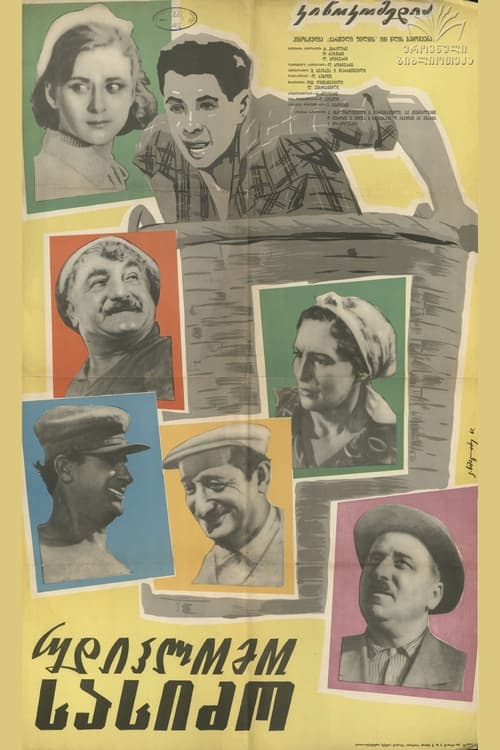
Son-in-law without Diploma
5.0

Bichiko experiencing strong mother that her son throughout the village serves as a care-free claims. Bichiko studies and do not care about his girlfriend Nani prefers. Nani's father, did not want to hear vardens udiplomo fiancรฉe, the daughter of suitable bridegrooms agronomist Nicholas presumption. Nani decides Bichiko abduction, but by the hands of his father will be forgiven. The case in favor of Bichiko is up, as it turns out it was a misunderstanding under vardenis sole protector. Varden will understand that people are Bichiko Charming and grooms will not reject.

Son-in-law without Diploma

1961
Papa Gigia
8.0

In order to increase yield in the collective farm, the process of renewal of grape varieties is underway, this process also applies to homestead vineyards. Pioneers also help elders. Papa Gigia understands the importance of the process, but he does not want to cut a vineyard on his homestead because of the memories of his youth. His grandson, Dato, who doesn't want to lag behind his comrades, starts pruning the vineyard arbitrarily, for which Papa severely punishes him. But when Dato's behavior becomes the object of criticism by the pioneers, Papa forgives his grandson and cuts the remaining vine himself.

Papa Gigia

1960