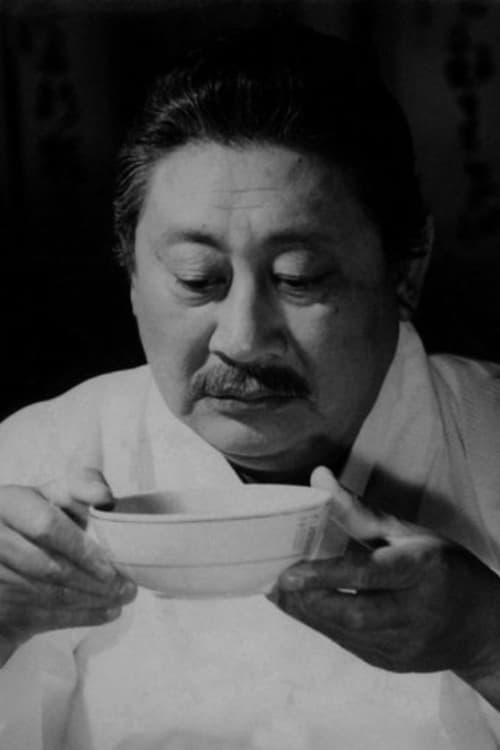
Ju Seon-tae
Acting
Known For
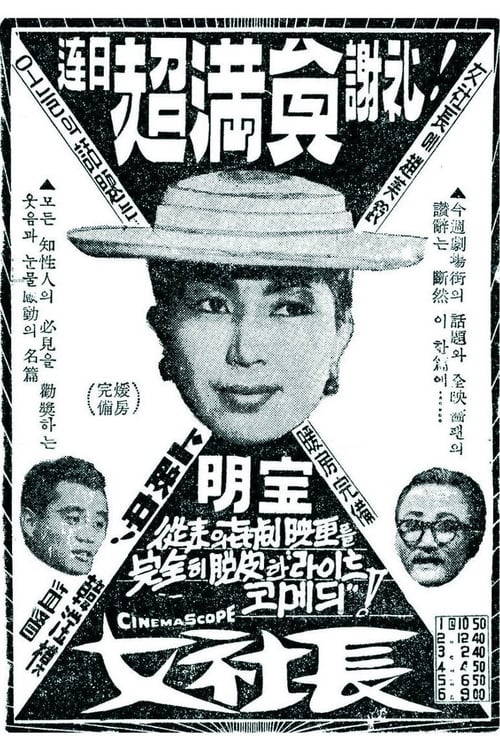
Would-be feminist Yoanna, running her own company, is insulted in a phone booth by a stranger named Yong-ho. While searching for a job, Yong-ho applies to a magazine named 'The Modern Woman,' not knowing that the company's boss is in fact Yoanna. She hires him with the intention of paying back the humiliation she received. But his masculine attitude captivates her and she ends up marrying him. She resigns her post and becomes a housekeeper, handing over the company to her husband.
A Female Boss
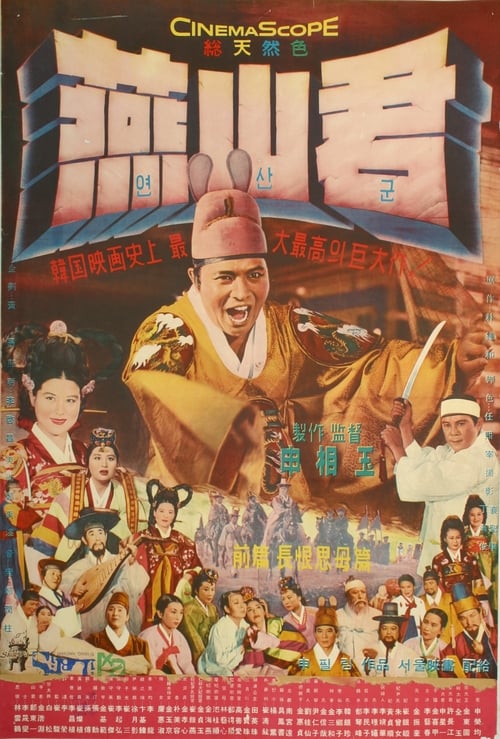
A historical drama about Prince Yeon-san of Joseon as a prince trying to restore the status of his mother, the deposed and executed Queen Yun.
Prince Yeonsan
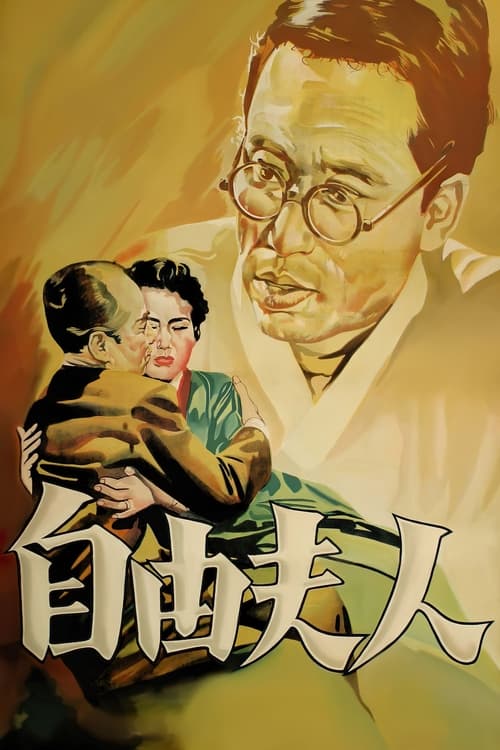
Oh starts working at a boutique to help her make a living. Professor Jang begins dating the typist Miss Park, but decides to break up with her to protect her family. Han's wife anonymously sends a letter to Jang to reveal Oh's affair.
Madame Freedom
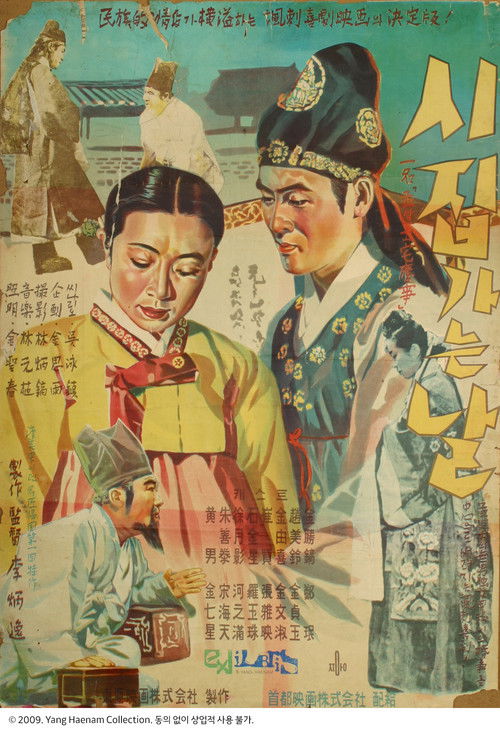
Master Maeng is very proud that an influential family will soon be his esteemed in-laws when his loving daughter, Mi-yeon, marries their son. A few days before the wedding Maeng hears a rumor that his future son-in-law has a cripple leg. Regretting that he can't give his lovely daughter to a cripple, he decides to marry his maid to him instead. Unexpectedly the future son-in-law shows up at the wedding hall and he is not a cripple, but a healthy and handsome youth. Feeling embarrassed, there is no way but to wed the maid to him. The Wedding Day is a recreation of A Happy Day of Jinsa Maeng, a comical play by Oh Yeong Jin. The first Korean film to win an international film award, the Best Comedy Award at the 1957 edition of the Asian Film Festival (now Asia Pacific Film Festival).
The Wedding Day
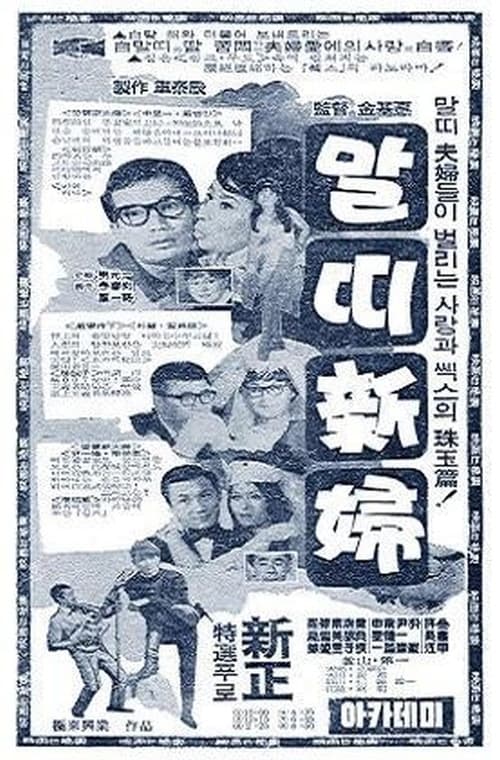
It is the year of the white horse that arrives every sixty years. Three women avoid sleeping with their husbands so they won't conceive girls on the year of the horse. However, young and healthy husbands fall into great dilemma.
Horse-year Bride
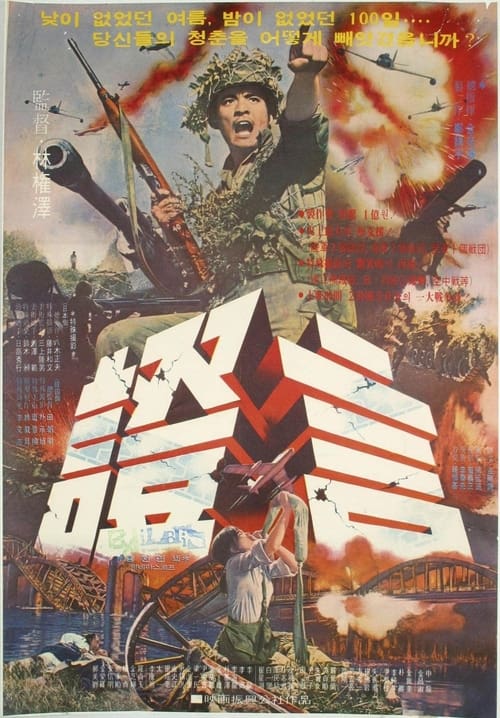
June 25, 1950. When second lieutenant Jang has a date with his girl friend during weekend, numerous North Korean jet fighters make sudden air raids to the skies of Seoul. It is the beginning of Korean War. In spite of Korean Army's brave defense, North Korean army reddens South Korea with their state-of-the-art weapons. This movie describes the progress of war from the invasion in June 25, 1950 to the reclamation of territory on the basis of Sun-A's personal experience. Also this film reminds hard lessons from tragic history.
The Testimony
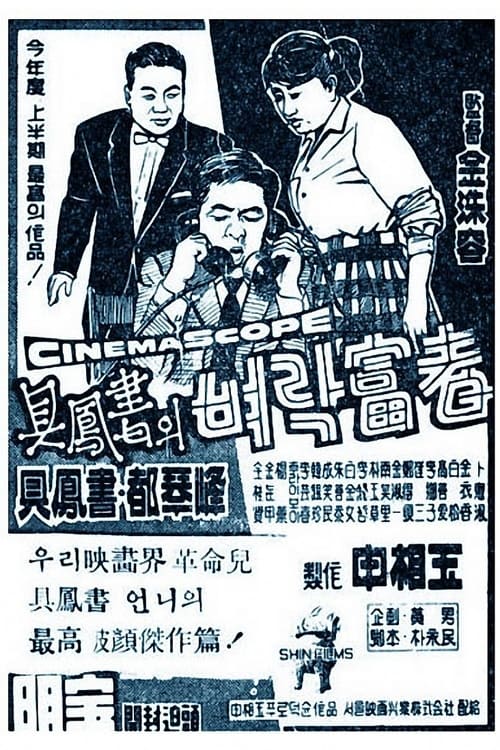
A poor boarder inherits 30 million dollars from an American soldier whose life he saved during the Korean War. The stingy landlady instantly turns into a completely different person, women swarm around him, and charities ask him for donations. Gangsters come forward and try to kill him...
An Upstart
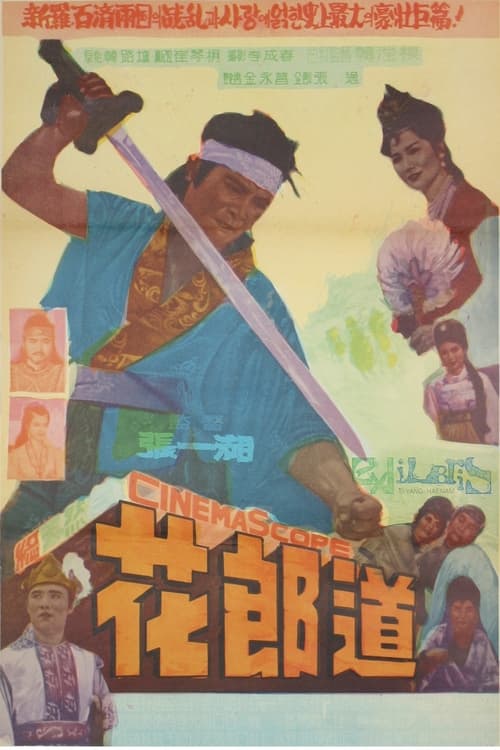
His parents captured by the Baekje armies, prince Eo-jin infiltrates the enemy castle alone to seek revenge. His plot is ruined when he falls in love with a princess there and is forced to choose between betraying his parents and nation or the woman he loves.
The Way of Hwarang
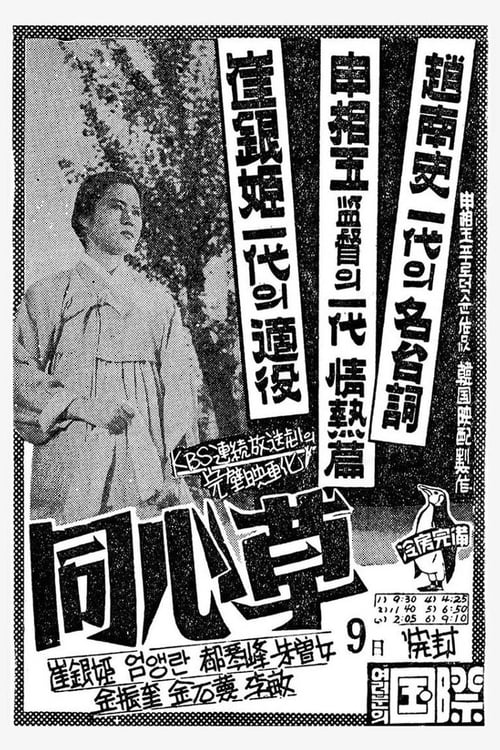
Lee Suk-hui (Choe Eun-hui) lost her husband to the Korean War eight years ago. She runs a dressmaking shop that has fallen into debt. When Kim Sang-gyu (Kim Jin-gyu), the executive director of a publishing company, helps her pay off debts, she falls in love with him. He, however, is engaged to the daughter of his boss, Ok-ju (Do Geum-bong). His sister (Ju Jeung-nyeo) pushes him to marry the boss's daughter, hoping that will bring him rapid success. Meanwhile, Suk-hui's grown-up daughter Gyeong-hui, wanting her mother to be happy, urges her mother to marry Sang-gyu, but Suk-hui vacillates between social mores and her own happiness. Even though she and Sang-gyu truly love each other, she decides to leave him and heads for her country home after selling her house in Seoul. Hearing the news, he who is ill in bed hurries to Seoul station, but it is too late. All he can do is just to stand on the platform and to watch her train pulling away.
Dongsimcho
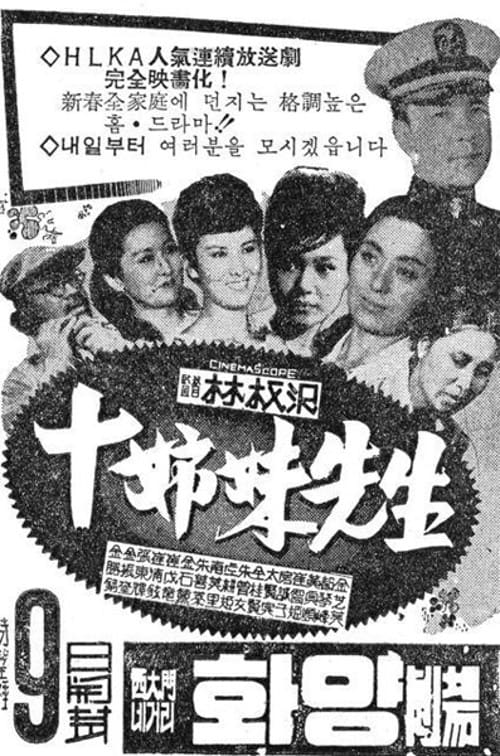
No description available.
The Teacher with Ten Daughters
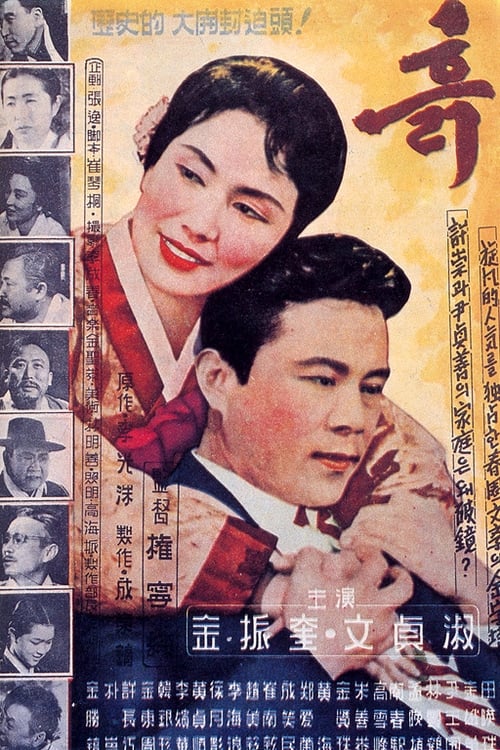
Heo Seung, who states that he was “born from soil, will live in soil, and die in soil”, becomes a lawyer in Seoul. However when villagers in his hometown are imprisoned for protesting against Japanese oppression, he decides to return to his village and rediscovers the true way to help his country.
Soil

No description available.
King Dongmyeong
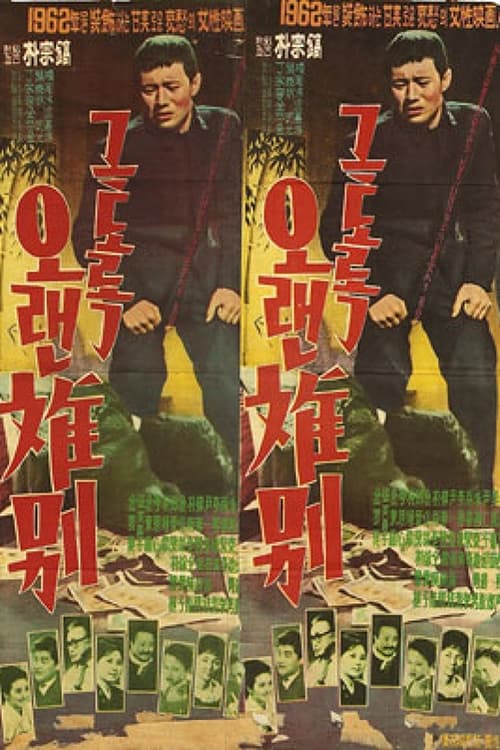
"A Long Goodbye" - Taken in by an elderly woman and raised as her own, a boy spends all his days dreaming of the time when he can be reunited with his lost parents.
In So Long
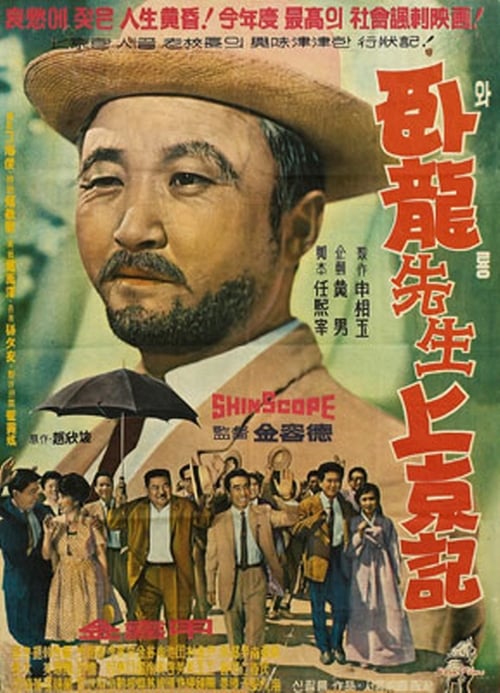
Teacher Waryong retires after 37 years of teaching. He sets out to visit his former students living in Seoul. While those who establish themselves successfully show only indifference to him, those who are poor but honest heartily welcome him. Teacher Waryong helps the less fortunate former students.
Teacher Waryong's Trip to Seoul
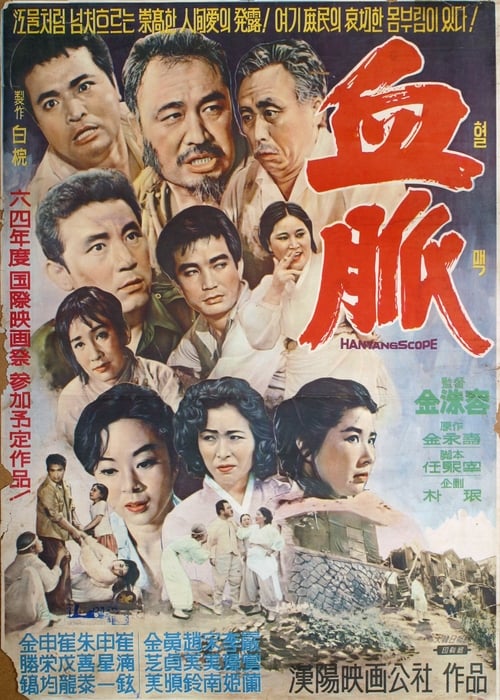
The story takes place on a mountain slope where defectors from North Korea live. These families sell cheap things such as socks and pens to make a living and there is a serious gap between the parents and their children. A widower Kim Deok-sam nags his son Geo-buk to join the American army. Ok-Mae who lives next door teaches her daughter Bok-soon traditional Korean folksongs and forces her to become a gisaeng.
Kinship
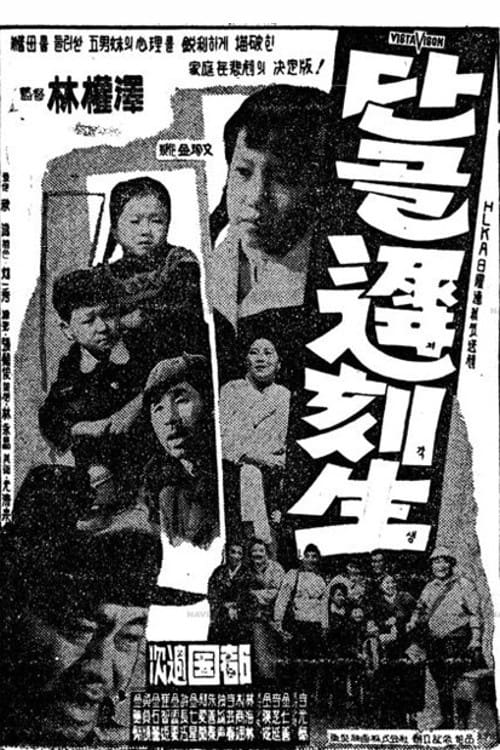
No description available.
The Regular Tardy Student
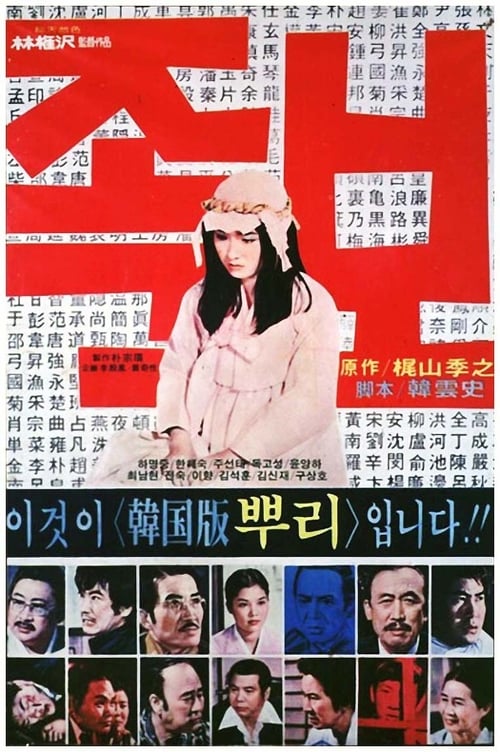
During the Japanese occupation of South Korea, a Japanese bureaucrat is ordered to persuade an influential Korean patriarch into obeying the law of changing his Korean surname to a Japanese one.
Genealogy
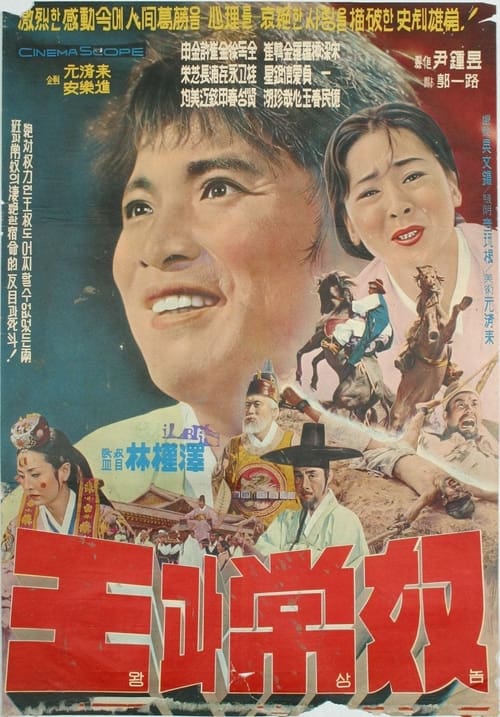
No description available.
The King and the Servant Boy
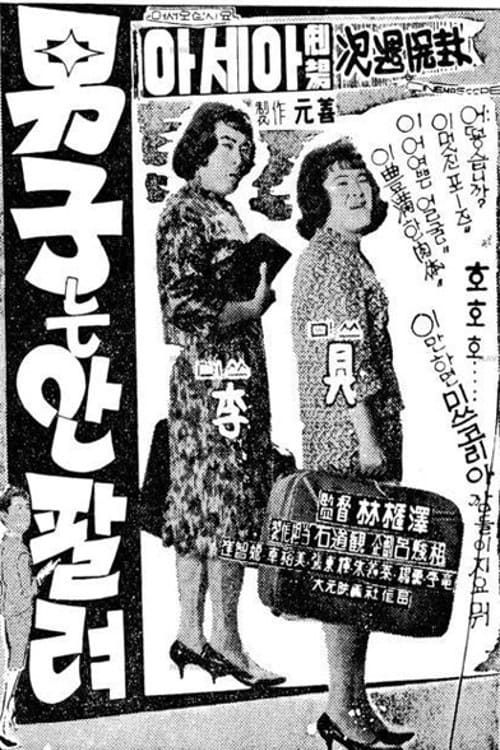
No description available.
Man Is Not Popular
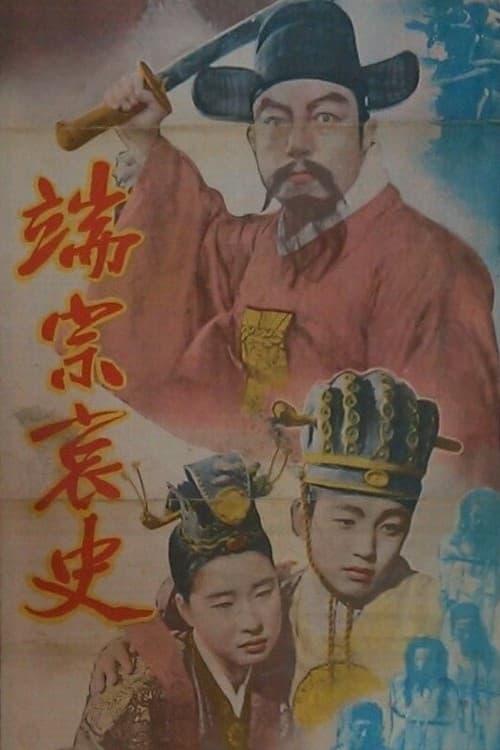
No description available.