Franklyn Barrett
Directing
Known For
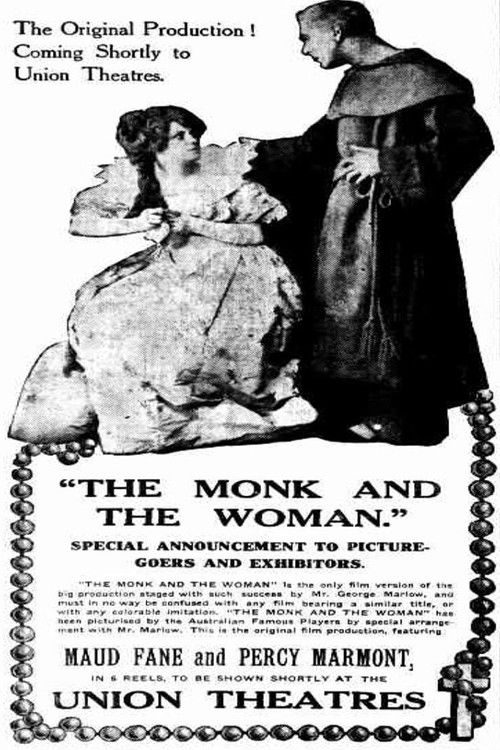
In eighteenth century France, the evil Prince de Montrale falls in love with Liane, but she runs away from him and seeks refuge in a monastery. The prince finds her and orders the abbot to keep her in custody. A young novice, Brother Paul, is placed in charge of Liane and falls in love with her, despite having just taken his vows of celibacy.
The Monk and the Woman
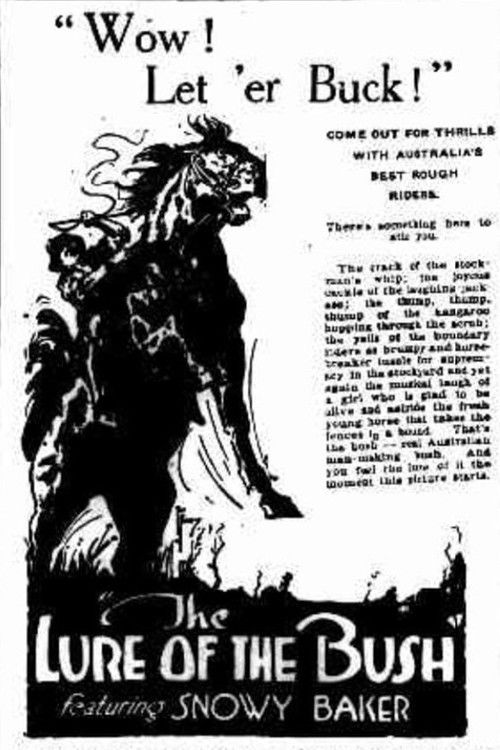
Hugh Mostyn is sent from his family station to England for an education and returns to Australia years later as a "gentleman", complete with a white suit and monocle. He seeks work as a jackeroo and is teased by station hands who pretend to hold him up as bushrangers.
The Lure of the Bush
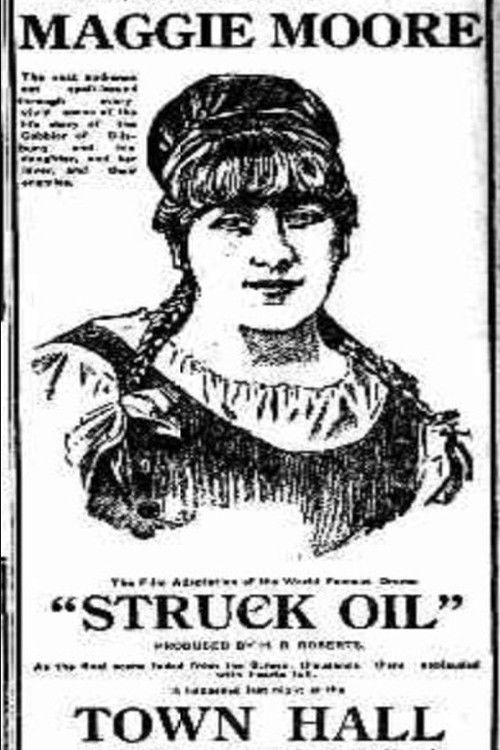
John Stofel goes off to fight in the Civil War, in the place of a deacon who gives him the title deed of a farm. John returns from the war wounded and insane. Oil is discovered on the farm and the deacon tries to take the land back.
Struck Oil
A young Englishman leaves his actress girlfriend to seek an experience in Australia. He works as a jackeroo on a property and falls in love with the daughter of a wealthy squatter. They are happy until the actress arrives and joins forces with an evil overseer.
The Life of a Jackeroo
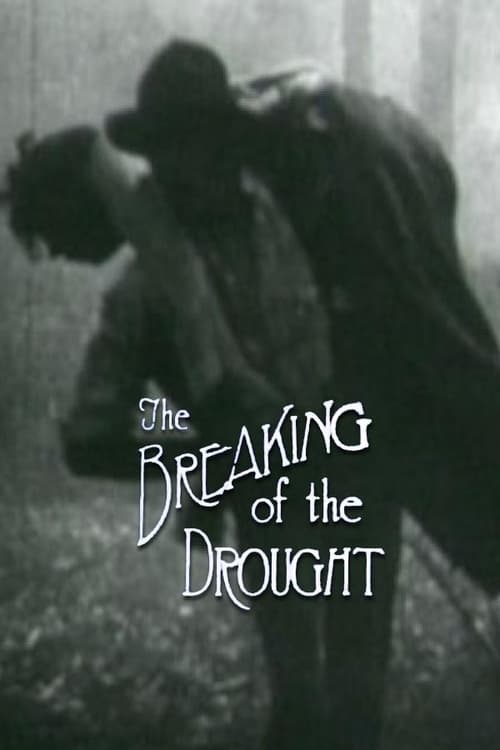
Wallaby Station in the outback is devastated by drought. The sheep are starving, but Jo Galloway (Charles Beetham) and his wife (Nan Taylor) battle on. Their son Gilbert (Rawdon Blandford) falls in with the wrong crowd while studying medicine in Sydney: conman Varsy Lyddleton (John Faulkner) and the seductress Olive Lorette (Marie La Varre). Gilbert forges his mother’s cheques to pay for Olive’s favours, ruining the family. A bank takes ‘friendly possession’ of Wallaby Station. Gilbert’s sister Marjorie (Trilby Clark) keeps her brother out of jail, but he becomes a tramp, after Lyddleton murders Olive and kills himself. Marjorie’s suitor Tom Wattleby (Dunstan Webb) saves Gilbert from a bushfire, just as the drought breaks, restoring the family’s fortunes. Marjorie and Tom can now wed, as the sheep and cattle fatten on rich pasture.
The Breaking of the Drought
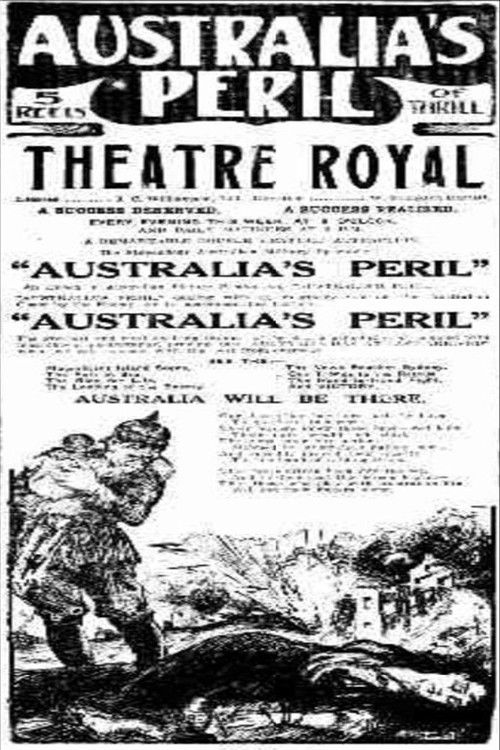
Two German cruisers escape to the Pacific and begin to raid the Australian coast. They sink one merchant marine ship, leaving a sole survivor, Jack Rawson.
Australia's Peril
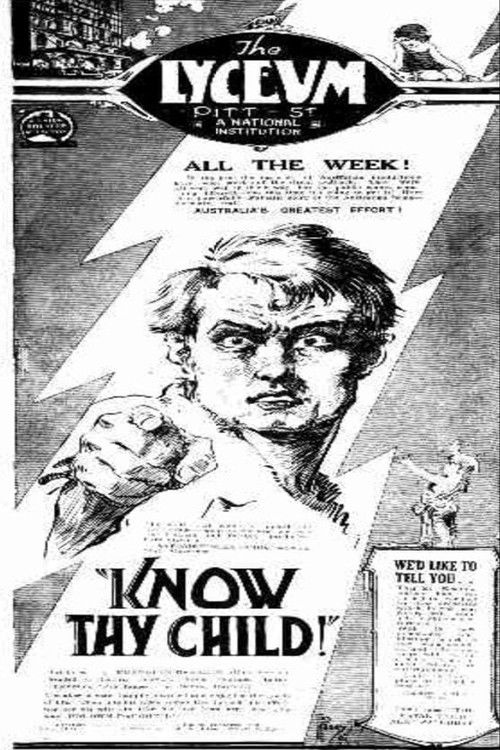
A travelling salesman, Ray Standford seduces country girl Sadie McClure, but forgets about her when she returns to the city and marries Dorothy Graham, daughter of his boss.
Know Thy Child
When New Zealand’s longest-serving prime minister, Richard John Seddon, suddenly took ill and died during his voyage home from a diplomatic trip to Australia, the country went into mourning. A national hero, Seddon had presided over New Zealand’s decision not to join the Australian Federation in 1901, was responsible for the institution of old-age pensions, and was a champion of miners and the native Maori people. Thousands lined the streets of Wellington for his funeral cortège on 21 June 1906. Led by a brass band playing a specially composed funeral march, the horse-drawn carriage was followed by Seddon’s family, along with various dignitaries and government officials, as it made its way through the capital to St. Paul’s Cathedral.
Funeral Procession of New Zealand Premier R.J. Seddon
This exquisitely coloured film shows how tourists travelled around New Zealand in the early years of this century - by boat, horse and trap, and on foot through bush walks and onto a glacier.
The Sea Coasts of New Zealand
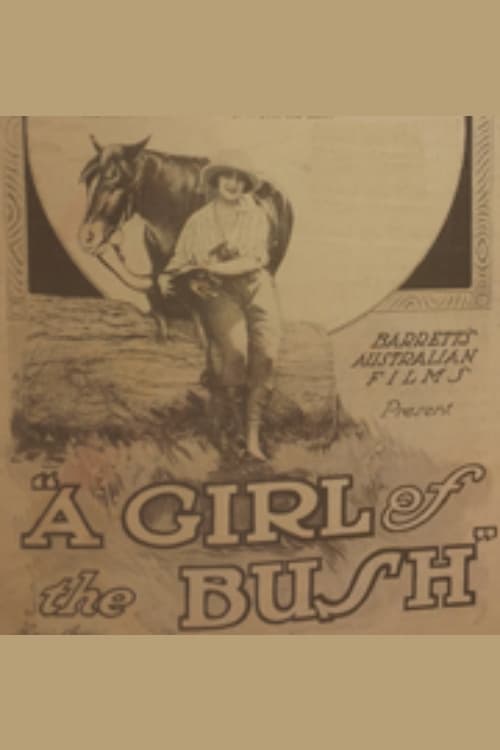
Lorna Denver is the wealthy manager of Kangaroo Flat sheep station. Rivalry arises when two men seek her hand in marriage. A melodramatic tale of romance with elements of social comment and some atmospheric outback locations.
A Girl of the Bush
This travelogue was made by the French company Pathé Frères. An article in The Dominion newspaper in February 1910 reported that “through the medium of the kinematograph the public now know many people, cities, and scenic spots ‘by sight’ that they would not otherwise have known”.” Across the Mountain Passes of New Zealand was coloured using Pathécolor – the best of early colour processes. The process utilised a multitude of female colourists, who cut stencils for each colour in each frame of film and then laboriously hand-coloured each frame.