Claude Mauriac
Writing
Biography
Claude Mauriac (25 April 1914 – 22 March 1996) was a French author and journalist. He was born in Paris, the eldest son of the author François Mauriac. Mauriac was the personal secretary of Charles de Gaulle from 1944 to 1949, before becoming a cinema critic and arts person of Le Figaro. He was the author of several novels and essays, and co-scripted the movie adaptation of his father's novel Thérèse Desqueyroux. He also wrote a study of the novelist Marcel Proust, his wife's great-uncle. Mauriac was also a close friend of French philosopher Michel Foucault. Source: Article "Claude Mauriac" from Wikipedia in English, licensed under CC-BY-SA 3.0.
Known For

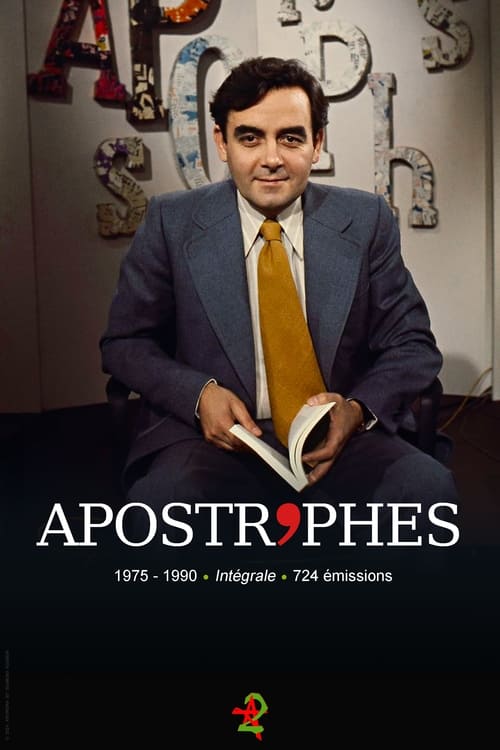
Apostrophes was a live, weekly, literary, prime-time, talk show on French television created and hosted by Bernard Pivot. It ran for fifteen years (724 episodes) from January 10, 1975, to June 22, 1990, and was one of the most watched shows on French television (around 6 million regular viewers). It was broadcast on Friday nights on the channel France 2 (which was called "Antenne 2" from 1975 to 1992). The hourlong show was devoted to books, authors and literature. The format varied between one-on-one interviews with a single author and open discussions between four or five authors.
Apostrophes

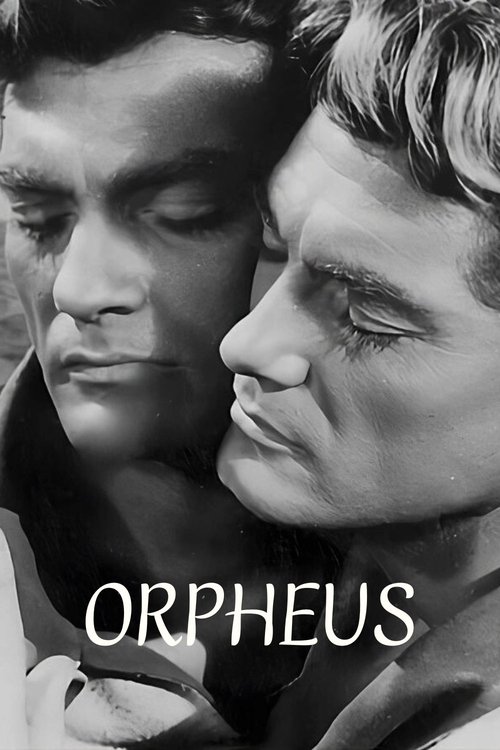
A famous poet in postwar Paris, scorned by the Left Bank youth, is in love with both his wife Eurydice and a mysterious princess. Seeking inspiration, the poet becomes obsessed and follows the princess from the world of the living to the land of the dead.
Orpheus

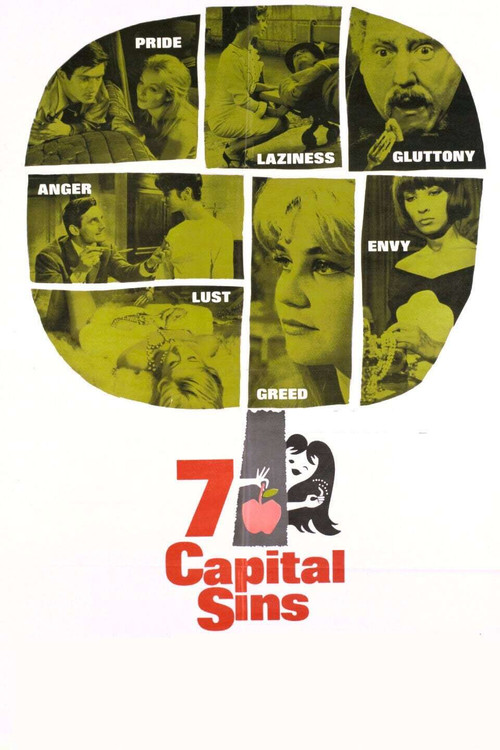
Seven directors each dramatize one of the seven deadly sins in a short film. In "Anger," a domestic argument over a fly in the Sunday soup escalates into nuclear war. In "Sloth," a movie star would rather pay someone to tie his shoe than bend over to do it himself, and he can't be bothered to accept a starlet's sexual favors. In "Gluttony," a peasant family on its way to the funeral of a relative who died from indigestion stops regularly to eat and drink en route, arriving in time to eat some more. In "Greed," a high-class prostitute refunds the price of a cadet's lottery ticket. In "Pride," an unfaithful wife finds reason to reform. And so on through lust and envy.
The Seven Deadly Sins

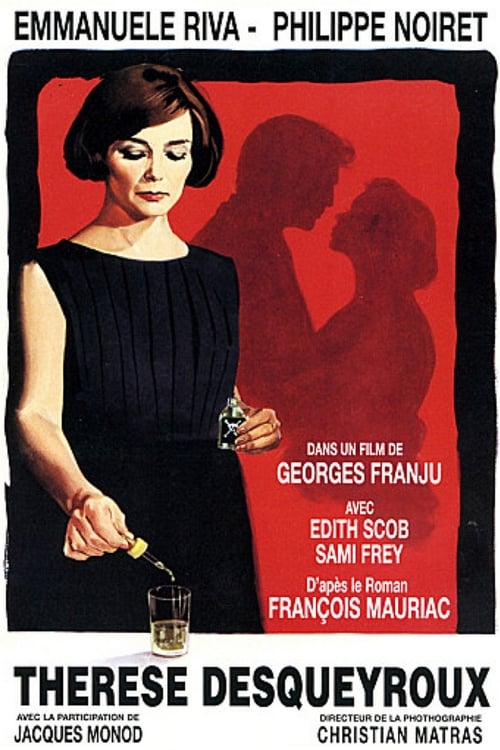
Thérèse is living in a provincial town, unhappily married to Bernard, a dull, pompous man whose only interest is preserving his family name and property. They live in an isolated country mansion surrounded by servants. Early in her marriage her only comforts are her fondness for Bernard's pine-tree forest, which was her primary reason for marrying him, and her love for her sister-in-law and Bernard's half-sister, Anne. The movie recounts in flashback the circumstances that led to her being charged with poisoning her husband.
Therese

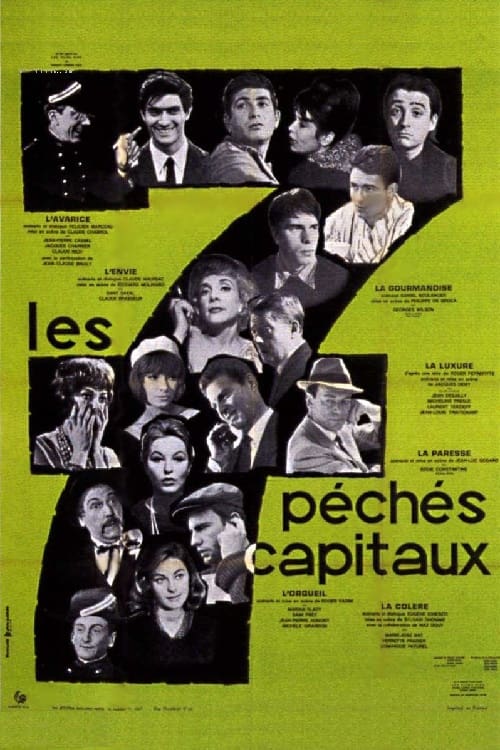
Envious of a movie star who is staying at the hotel where she works, the waitress Rosette does everything she can to seduce the actress's lover. Some time later, after having realized her ambition, she returns to the hotel as a client. (Segment of "Les sept pêches capitaux")