FEEL IT.STREAM
?

Titus Vibe-Müller

Editing

Known For

Operation Swallow: The Battle for Heavy Water
5.4

A factual reconstruction of the sabotage events which took place to prevent Hitler's Germany from getting the heavy water needed to make an atomic bomb during the Second World War.

Operation Swallow: The Battle for Heavy Water

1948
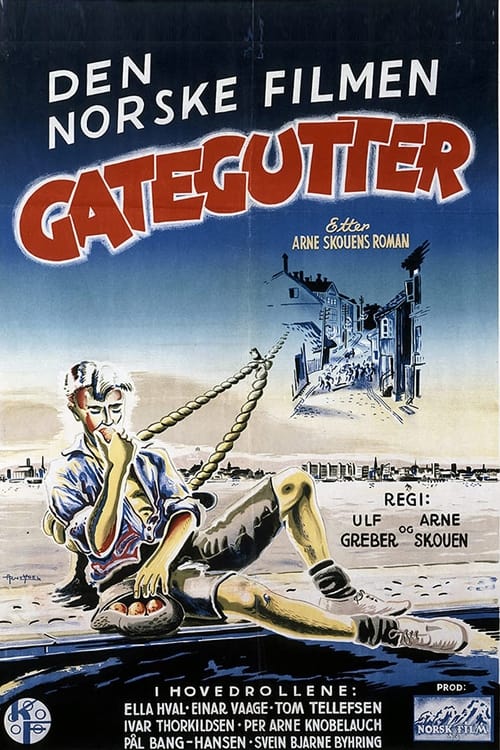
Boys from the Streets
7.4

The movie takes place on Oslo's east side sometime during the twenties. It depicts the workers' environment by traditional elements like unemployment, strike, poverty, alcoholism, absent fathers, wise and tired mothers, the dream of a better life and the friendship between the boys in the street.

Boys from the Streets

1949
Gullfjellet
5.7

The city boy Rolf gets a job on a big farm, and soon lies about finding gold. We see the rise of gold fever while the corn rots away.

Gullfjellet

1941
No image
8.0

The Whalers (original title: Valfangare) is a filmed record of the final whaling expedition in the Arctic before the outbreak of WW2. Only partly a documentary, the film is able to accommodate a dramatic throughline, concerning the redemption of wastrelly millionaire's son Allan Blom (Allan Bohlin). Pressed into service on the expedition, Allan shows he's a true son of Scandanavia through his courageous actions on the high seas, and even wins the hand of heroine Sonja (Tutta Rolf) in the bargain. While the whaling scenes are both exciting and exhillarating, the sequence in which a whale carcass is stripped and gutted may not appeal to everyone in the audience. Originally filmed in 1939 in Swedish and Norwegian, The Whalers was helpfully fitted out with English subtitles for its 1942 American run.

Whalers

1939
No image
9.0

Trysil-Knut is a Norwegian film from 1942. Directed by veteran Rasmus Breistein and is a ski themed melodrama about the legendary skier Trysil-Knut from Trysil. He is a powerful patriot, who in the early 1800s prevent that a war breaks out between Norway and Sweden using his skiing skills. While that goes on Knut is also preparing a court case of fraud to determine the ownership of his fathers old farm.

Trysil-Knut

1942
Den nye lægen
7.0

When a popular doctor, leading the job to get a hospital to town, celebrates his 60th birthday there's a big party. But a new doctor discovers malpractice. But when the doctor is ill with a bad appendix, the tables are turned.

Den nye lægen

1943
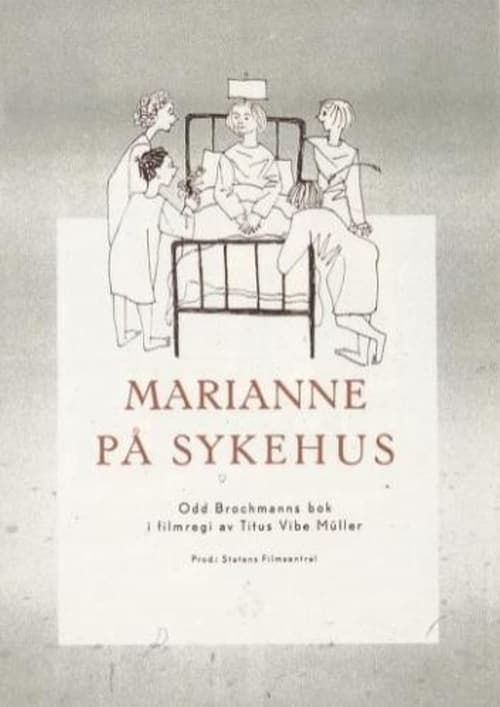
Marianne på sykehus
9.0

Little Marianne swallows a needle with her porridge and is sent to the big hospital in Oslo to take an x-ray and operated. She finds going to the hospital is nothing to be worried about.

Marianne på sykehus

1950
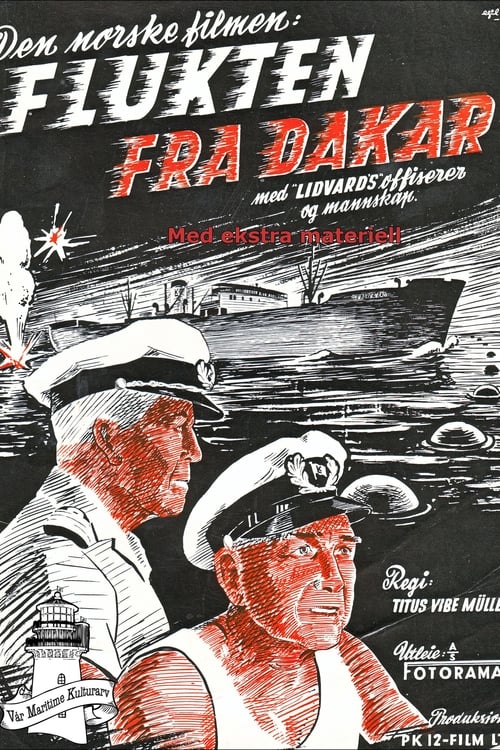
Flukten fra Dakar
6.0

MS Lidvard was shipping corn from Vietnam, arriving in Dakar, Senegal May 30th 1940. The ship was immediately held back by the government, together with eight other norwegian ships. After a year, July 27th 1941, the ship fled from Dakar, to the British in Freetown, Sierra Leone.

Flukten fra Dakar

1951
Hu Dagmar
3.3

The soldier Sjur brings home Dagmar, a city girl, with whom he is engaged to be married. Sjur's old girlfriend hates this and finds Dagmar flirting with others. One day Dagmar is offered money to leave Sjur.

Hu Dagmar

1939
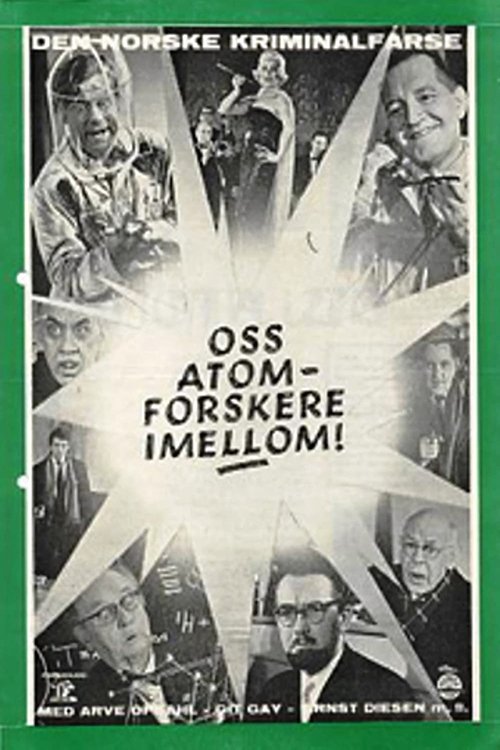
Oss atomforskere i mellom
8.0

Mopedersen and Claus Grønn is starting as assistants of a professor who researchers in the use of atomic dust when a gang steals the formula and kidnaps the researchers.

Oss atomforskere i mellom

1961
Rikard Nordraak
8.0

A film biography of Rikard Nordraak, composer of the Norwegian national anthem.

Rikard Nordraak

1945
Godvakker-Maren
10.0

Two young girls go to the big city to work in a food store. The owner's wife believes she's sick, and the owner is more than interested in the two girls. Based on Oscar Braathen's Novel.

Godvakker-Maren

1940
No image
9.0

Knut Storlien walks over the mountain on his way home to his parents' farm after several years in South America. He does not quite remember the road and gets help from Inga, who lives on a farm nearby. They witness how Inga's brother kills a man who owes money.

Brudekronen

1944
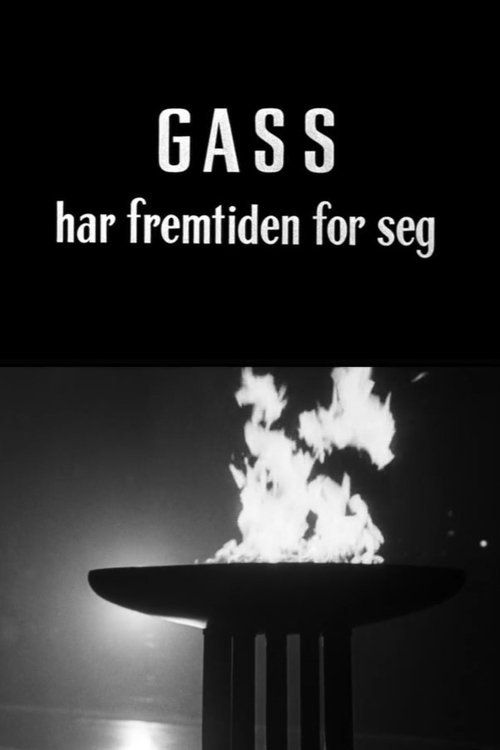
Oslofilm: Gass har framtiden for seg - Oslo Gassverk
N/A

In the mid-1950s, Oslo imported 27,000 tons of coal annually, which was converted into coke, gas, and tar. This production took place at the Oslo Gasworks at Ankertorget. The gas was used both in private households and by industry. ***** Oslofilm was a series of public information films about life in and around Oslo, produced between 1940 and 1980. Funded by the state, the films offer valuable insight into postwar Norwegian society. A wide range of Norwegian filmmakers contributed to the productions, resulting in a rich variety of styles and expressions. Several of the films also possess notable cinematic qualities, standing out as more than just informational material. The Oslofilms represent a unique and important chapter in Norwegian film history.

Oslofilm: Gass har framtiden for seg - Oslo Gassverk

1956
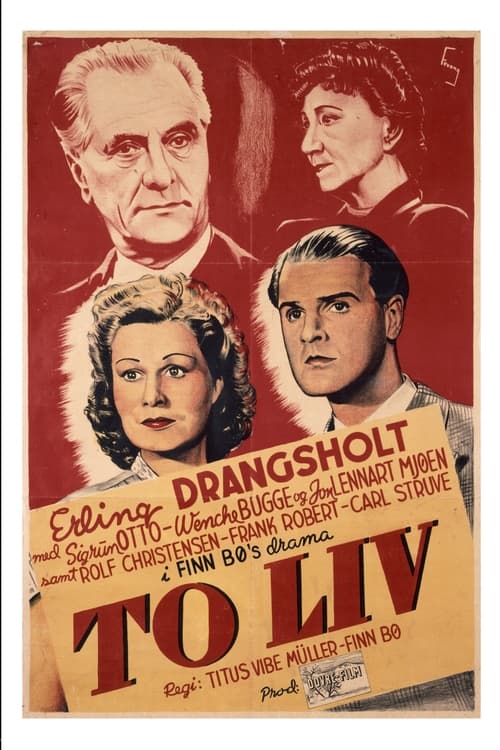
Two Lives
10.0

During the occupation, informer Klaus Thun insinuates himself into the life of lawyer Nordgård and his happy family. He informs on Nordgård's son Lars and seduces his daughter Eva. Then the children's mother takes matters into her own hands.

Two Lives

1946
Haakon VII – Norges konge i krig og fred
6.0

The documentary is a cavalcade of King Haakon VII's life from his arrival in Christiania in the autumn of 1905 until May 17, 1952, the year he turned 80.

Haakon VII – Norges konge i krig og fred

1952
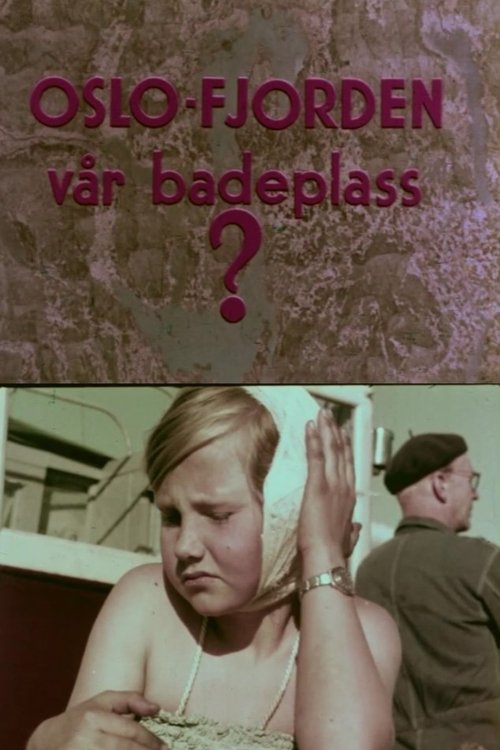
Oslofilm: Oslofjorden vår badeplass?
N/A

In the 1950s, the Oslofjord was heavily polluted by sewage, industrial discharges, and oil spills. This film shows the consequences these emissions have for users of the fjord, and the measures that must be taken for the fjord to once again be used as a bathing and recreational area for the city’s residents and tourists. ***** Oslofilm was a series of public information films about life in and around Oslo, produced between 1940 and 1980. Funded by the state, the films offer valuable insight into postwar Norwegian society. A wide range of Norwegian filmmakers contributed to the productions, resulting in a rich variety of styles and expressions. Several of the films also possess notable cinematic qualities, standing out as more than just informational material. The Oslofilms represent a unique and important chapter in Norwegian film history.

Oslofilm: Oslofjorden vår badeplass?

1958
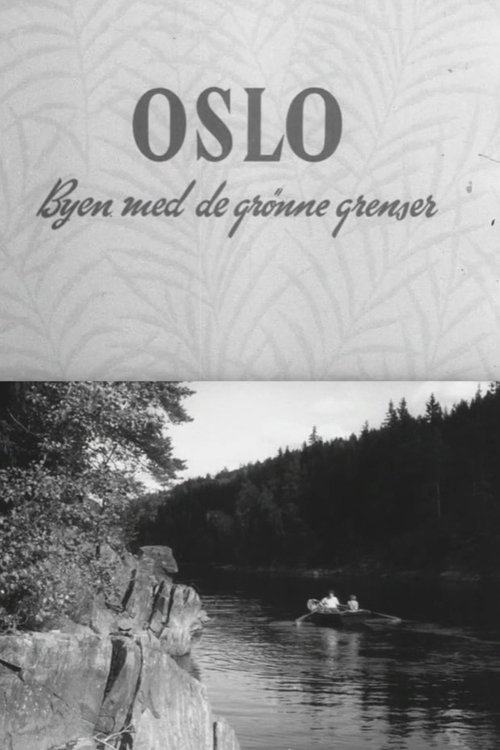
Oslofilm: Oslo: Byen med de grønne grenser
N/A

We follow the green city boundary from Ljan on the east side of the Oslofjord, up through Østmarka, Nordmarka and back down to the fjord. On the road we meet people and animals, railways, farms, agriculture and forestry. ***** Oslofilm was a series of public information films about life in and around Oslo, produced between 1940 and 1980. Funded by the state, the films offer valuable insight into postwar Norwegian society. A wide range of Norwegian filmmakers contributed to the productions, resulting in a rich variety of styles and expressions. Several of the films also possess notable cinematic qualities, standing out as more than just informational material. The Oslofilms represent a unique and important chapter in Norwegian film history.

Oslofilm: Oslo: Byen med de grønne grenser

1953
No image
7.0

A trip into the everyday life of the modern Sami population in Scandinavia.

Same Ællin

1971
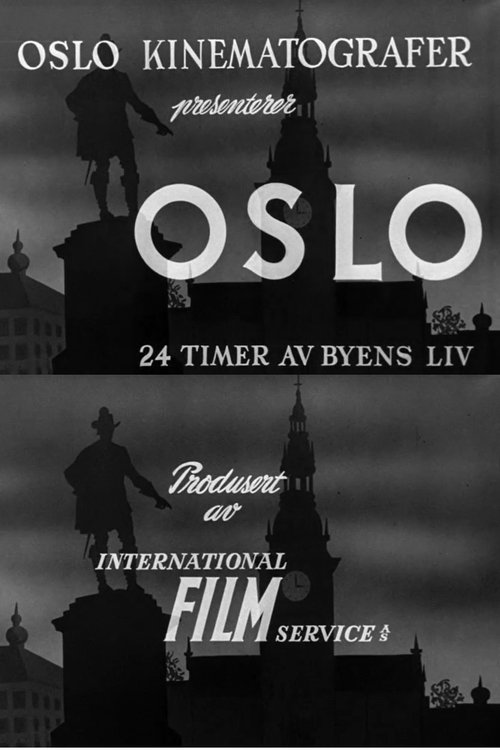
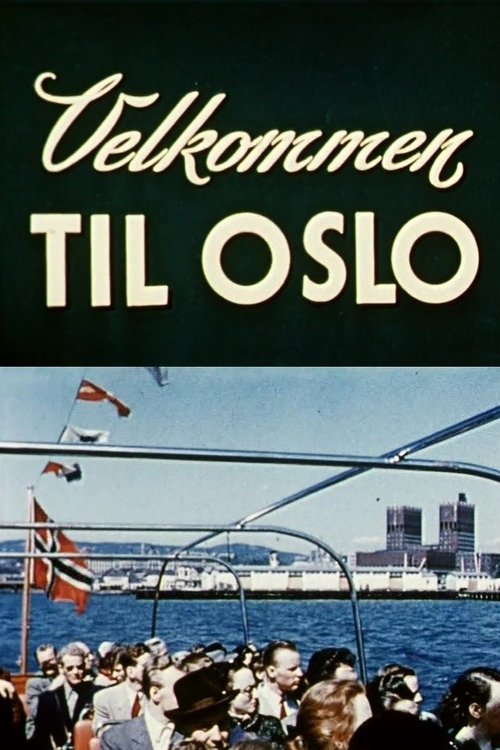
Oslofilm: Oslo: 24 timer av byens liv
N/A

A day's life and work in Oslo is told in a lyrical way. Occasionally, a dramatized red thread appears. ***** Oslofilm was a series of public information films about life in and around Oslo, produced between 1940 and 1980. Funded by the state, the films offer valuable insight into postwar Norwegian society. A wide range of Norwegian filmmakers contributed to the productions, resulting in a rich variety of styles and expressions. Several of the films also possess notable cinematic qualities, standing out as more than just informational material. The Oslofilms represent a unique and important chapter in Norwegian film history.

Oslofilm: Oslo: 24 timer av byens liv

1950