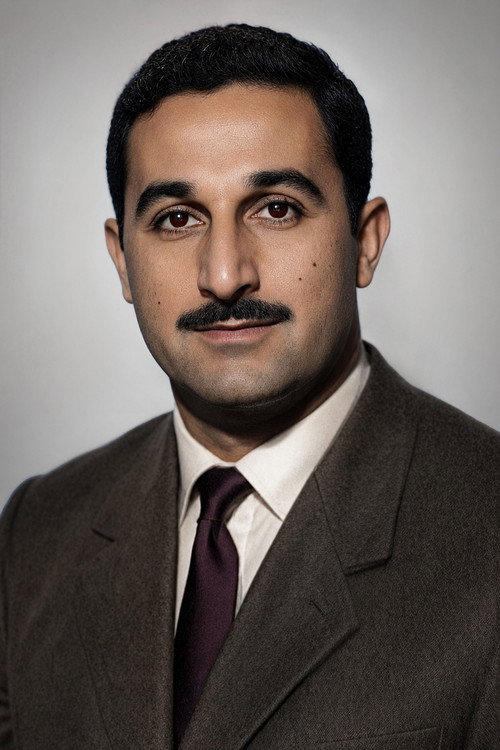
Rachid Mekhloufi
Acting
Biography
Rachid Mekhloufi (Arabic: رشيد مخلوفي), born August 12, 1936 in Sétif, Algeria and died November 8, 2024, is a French and Algerian footballer playing as a striker who later became a coach. Rachid Mekhloufi made his debut in 1952 at the USM Sétif club, formerly Union Sportive Musulmane de Sétif. In 1954, at the age of 18, and recommended by Jean Snella, AS Saint-Étienne recruiters came to get him to sign his first professional contract. Recognized as one of the best prospects in French football, in 1957, he was French Champion with AS Saint-Étienne, for whom he scored 25 goals that season. An undisputed starter at ASSE, he wore the jersey of the French A team four times between 1956 and 1957. On July 14, 1957, in Buenos Aires, he was also crowned world champion with the French military team. During the spring of 1958, his career took a totally unexpected turn. Indeed, on April 14, in the company of players Mokhtar Arribi (ex-Lensois) and Abdelhamid Kermali (Olympique Lyonnais), he joined Tunisia via Switzerland in order to participate in the creation of the FLN team. The desire to peacefully promote the creation of an independent Algerian state during the Algerian War united many Algerian players who played in the French championship. With the FLN team, Rachid played gala matches around the world in order to help the Algerian cause. He then played between 1961 and 1962 at Servette de Genève and then, once Algeria was liberated, he returned to Saint-Étienne from 1963 to 1968. He then became player-coach at SEC Bastia until 1970 before being several times coach of the Algerian team in the 1970s and early 1980s. Second best scorer of AS Saint-Etienne, he is considered one of the best Algerian players to have played in the French football championship. At the international level, he played with the French team in 1956, before joining the FLN team in 1958 and then the Algerian team. He had four selections for the French team between 1956 and 1957, forty selections for the FLN team between 1958 and 1962, and eleven selections for the Algerian team between 1962 and 1968. Rachid Mekhloufi led several initiatives for the development of football in Africa, particularly in Algeria. As the first leader of the FLN Foundation, he launched a major project to create several football schools since 2010. In 2022, So Foot magazine ranked him in the top 1000 best players in the French championship, in 25th place. He spent his last years between Tunisia and France and died on November 8, 2024.
Known For

Five stories that tell how a handful of football stars took the risk of losing everything and put their fate in the balance to make a difference by becoming the symbol of a fight.
Football Rebels
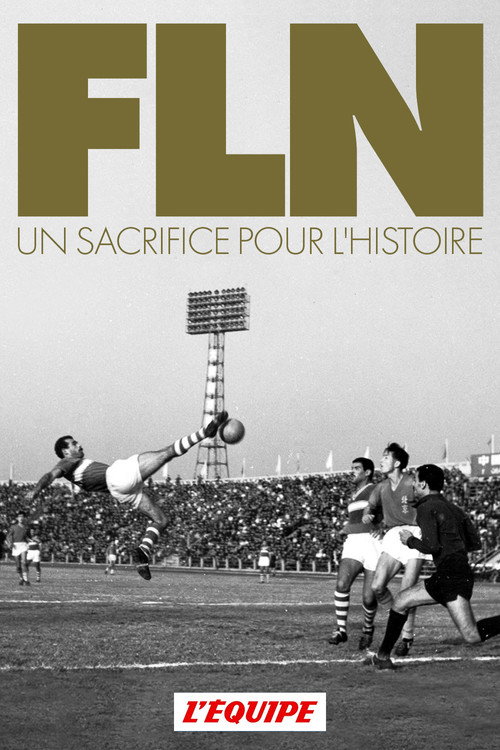
In 1958, in the midst of the Algerian War and two months before the World Cup, the French Football Federation (FFF) discovered on April 15th that nine of its players of Algerian origin had secretly left France to join the headquarters of the National Liberation Front (FLN) in Tunis, where the Provisional Government of the Algerian Republic (GPRA) was based. They chose to leave everything behind—careers, fame, money—to support the FLN cause: the independence of the Algerian people. Their daring escape was worthy of a thriller and made headlines across the international press. For four years, the FLN team toured the world and became the standard-bearer for a people. FIFA refused to recognize the team and threatened federations that played against it with sanctions. Nevertheless, the team made a lasting impression with 57 wins, 14 draws, and 12 losses in 83 matches. Ferhat Abbas, president of the GPRA, told them, "You have gained ten years for the cause of independent Algeria."
FLN, A Sacrifice for History
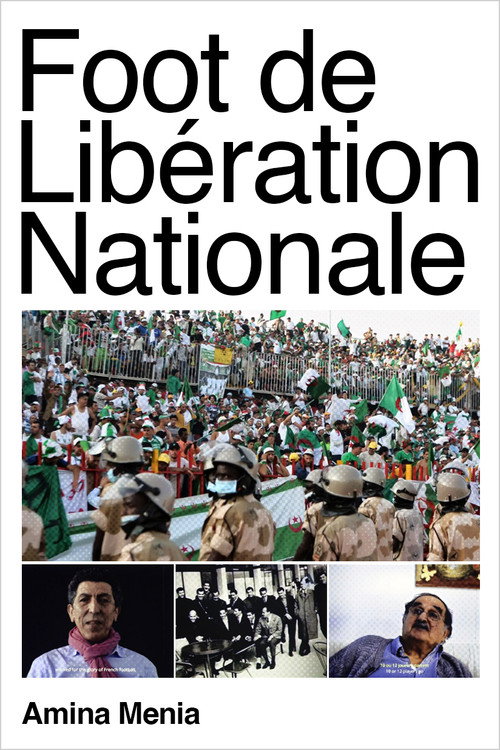
In 2009, the Algerian team won their match against Egypt, thus qualifying for the 2010 World Cup, after significant tensions during the first leg, which included the stoning of the Algerian players' bus. The artist Amina Menia recalls that the collective euphoria of these celebrations seemed almost disproportionate and unreal, reminiscent of the popular jubilation surrounding Algeria's independence in 1962. She draws a parallel between political and sporting history through the use of archival footage and two interviews, one with Rachid Mekhloufi, star of AS Saint-Étienne and an emblematic figure of Algerian football. In the second interview, Slimane Zeghidour, a writer and journalist, offers a detached and critical perspective on the impact of football on the masses. By tracing these links, she examines the relationships between national representation, sense of belonging, fervor and the destiny of a community.