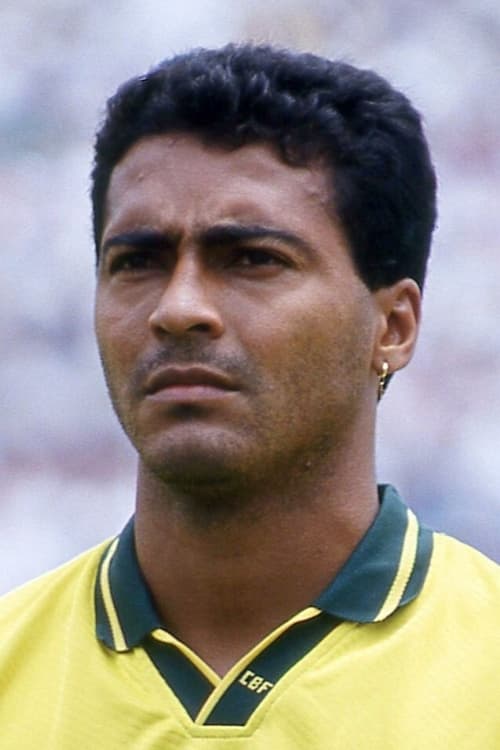
Romário
Acting
Biography
Romário de Souza Faria (born 29 January 1966), known simply as Romário, is a Brazilian politician who previously achieved worldwide fame as a professional footballer. A prolific striker renowned for his clinical finishing, having scored over 1,000 goals, he is considered one of the greatest players of all time. Romário starred for Brazil in their 1994 FIFA World Cup triumph, receiving the Golden Ball as player of the tournament. He was named FIFA World Player of the Year the same year. He came fifth in the FIFA Player of the Century internet poll in 1999, was elected to the FIFA World Cup Dream Team in 2002, and was named in the FIFA 100 list of the world's greatest living players in 2004. At club level, after developing his early career in Brazil, Romário moved to PSV Eindhoven in the Netherlands in 1988. During his five seasons at PSV the club became Eredivisie champions three times, and he scored a total of 165 goals in 167 games. In 1993, he moved to FC Barcelona and became part of Johan Cruyff's "Dream Team", forming an exceptional strike partnership with Hristo Stoichkov. He won La Liga in his first season and finished as the top goalscorer with 30 goals in 33 matches. During the second half of his career Romário played for clubs within the city of Rio de Janeiro in Brazil. He won the Brazilian league title with CR Vasco da Gama in 2000 and was top scorer three times in the league. At the end of his career he also played briefly in Qatar, the United States and Australia. Considered a master of the confined space of the penalty area, his rapid speed over short distances (aided by his low centre of gravity) took him away from defenders, and he was renowned for his trademark toe poke finish. With 55 goals in 70 appearances, Romário is the fourth-highest goalscorer for the Brazil national team, behind Pelé, Neymar and Ronaldo. He is third on the all-time list of Brazilian league's top scorers with 155 goals. He is the seventh-highest goalscorer in the history of football with 780 goals in 1000 official games. Romario started his political career in 2010, when he was elected deputy for the Brazilian Socialist Party. He was then elected senator in 2014. In 2017, he switched parties for Podemos, another left-wing party. From Wikipedia, The Free Encyclopedia.
Known For
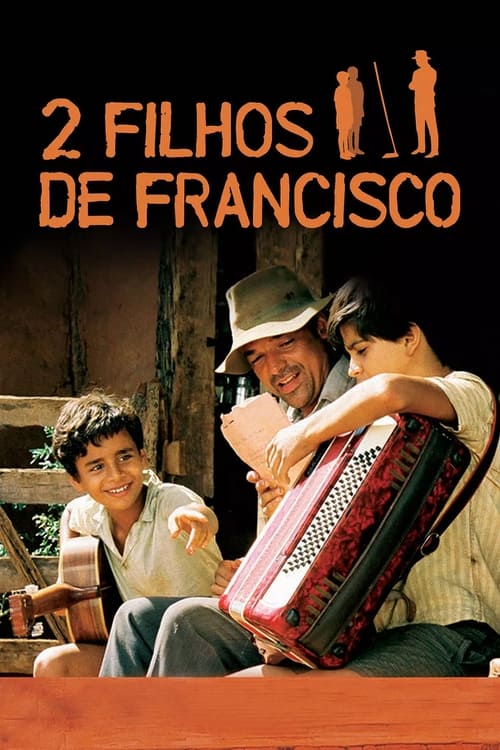
The story of Francisco, a very simple and poor man whose dream was to see his children become country music stars, and who made all the efforts to make it happen.
Two Sons of Francisco
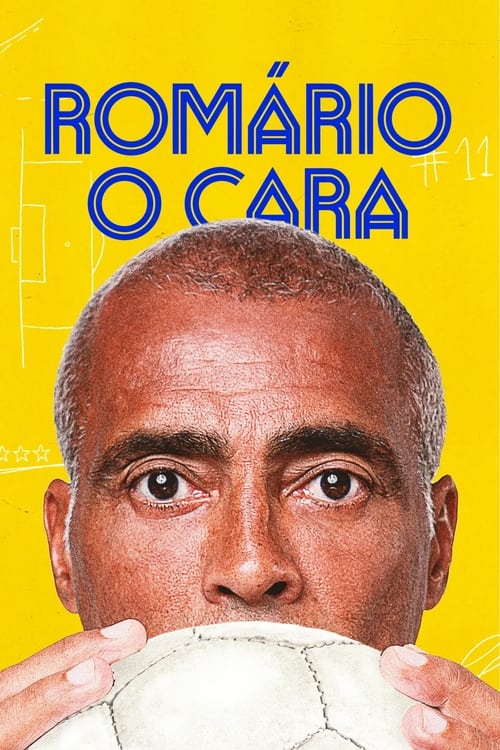
The career of Brazilian soccer's most controversial player. From the slums of Rio de Janeiro to world stardom, Romário became one of the greatest strikers of all time.
Romário, o Cara

A feast for football fans keen to watch the greatest games, the best goals and the leading players to have appeared at FIFA's many tournaments.
Gold Stars: The Story of the FIFA World Cup Tournaments
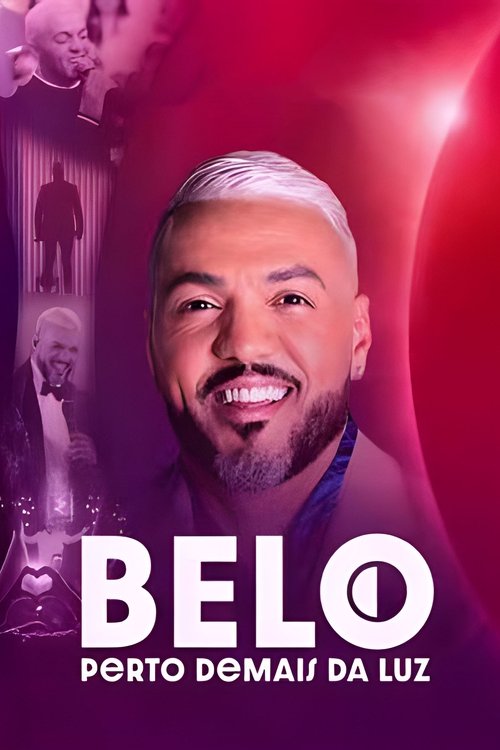
No description available.
Belo: Perto Demais da Luz
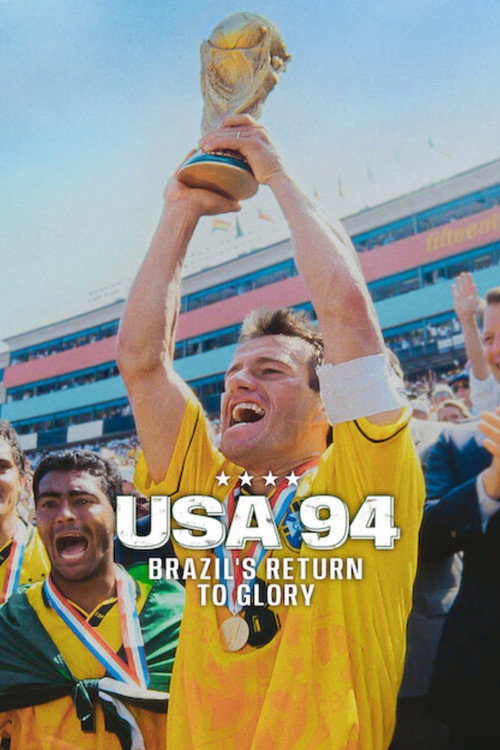
Follows Brazil's journey to winning its fourth World Cup in 1994, featuring interviews with players and unseen behind-the-scenes footage from the tournament.
USA 94: Brazil's Return to Glory
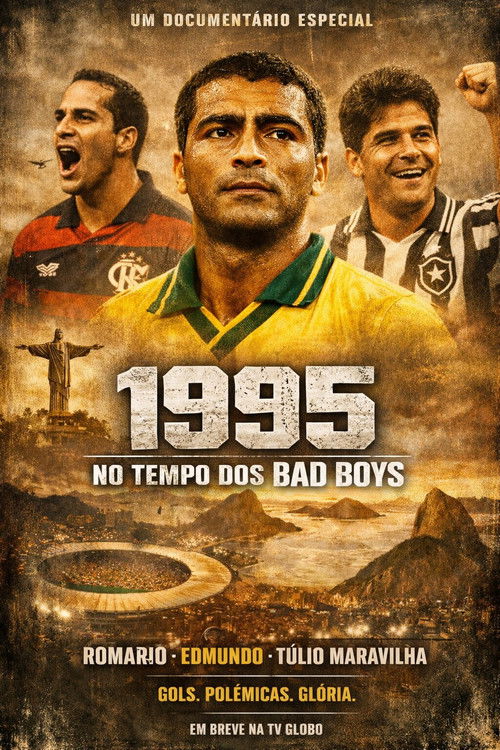
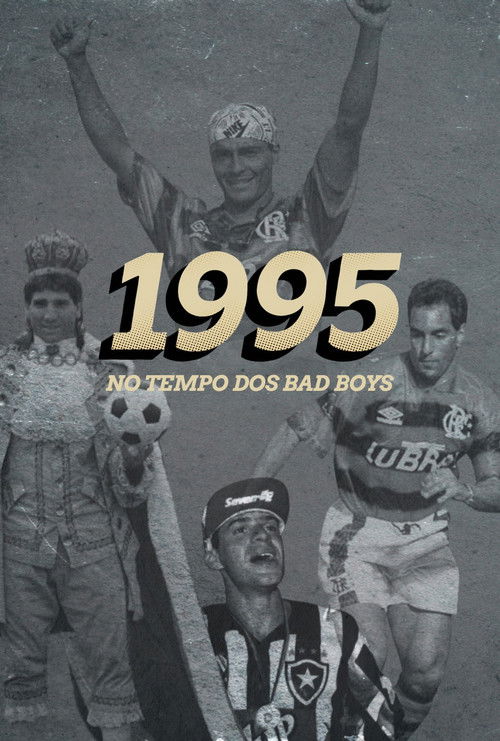
A striker who challenges the best in the world and sings that the rival fan is a fool. A footvolley duel at night, on the eve of a classic match on the sands of Ipanema. A star player who proclaims himself a god against the kings of Rio and says that his rival is a piece of shit. It all seems so distant, because it is. But those were just a few ordinary days in Rio de Janeiro football in 1995.
1995: No Tempo dos Bad Boys
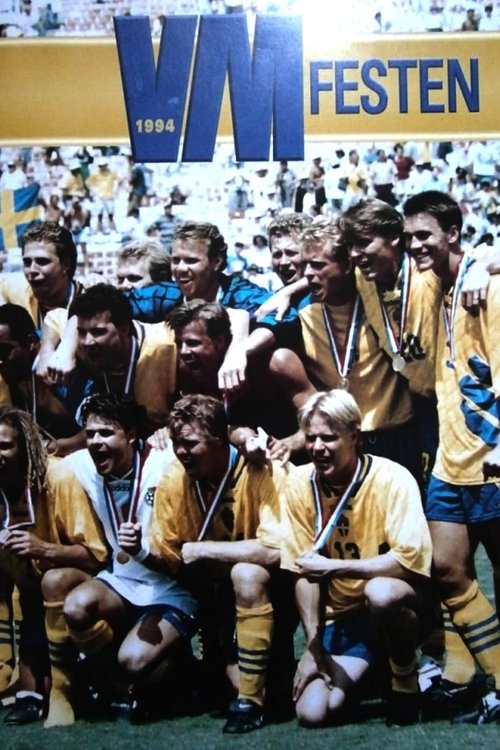
The summer of 1994, with the World Cup in the USA, became an enchanted Swedish football summer. Brolin, Dahlin, Ravelli and all the other bronze heroes created football fever throughout the country, and were celebrated at their homecoming by 50,000 people in Rålambshovsparken.
VM-krönika 1994
The history of Rio de Janeiro's biggest football rivalry: Flamengo vs Fluminense.
Fla x Flu - 40 Minutos Antes do Nada
No description available.
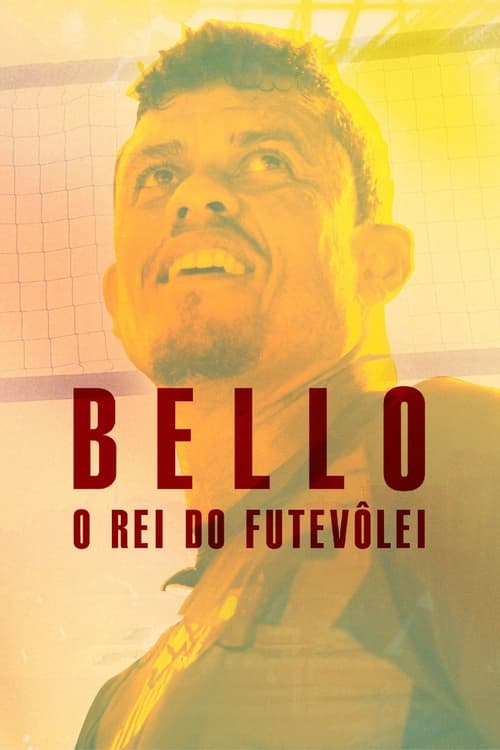
Bello: O Rei do Futevôlei
A 5-minute video where three of the most iconic soccer goals—by Maradona, Pelé, and Romário—are shown without the ball.
Arte é o Futebol Sem Bola
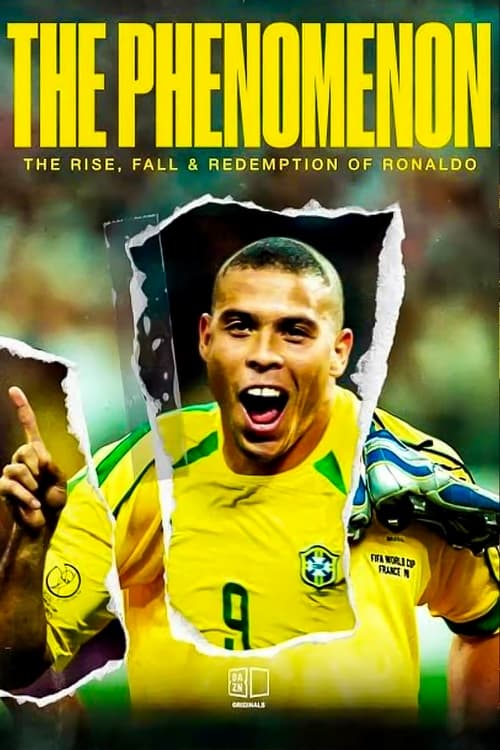
Featuring contributions from legendary team-mates and opponents, friends and family, this is the definitive story of Ronaldo, encompassing his meteoric rise, his spectacular fall (including one of football’s biggest mysteries) and the World Cup’s greatest ever redemption story.
The Phenomenon
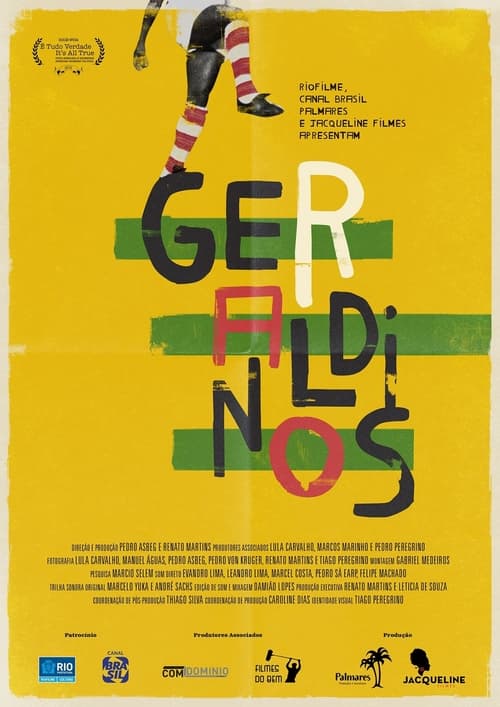
Maracanã was built for the first World Cup in Brazil in 1950. Initially, it had a democratic space called General. The record analyzes the recent works in the stadium and shows classic fans.
Geraldinos
No description available.
1995: No Tempo dos Bad Boys
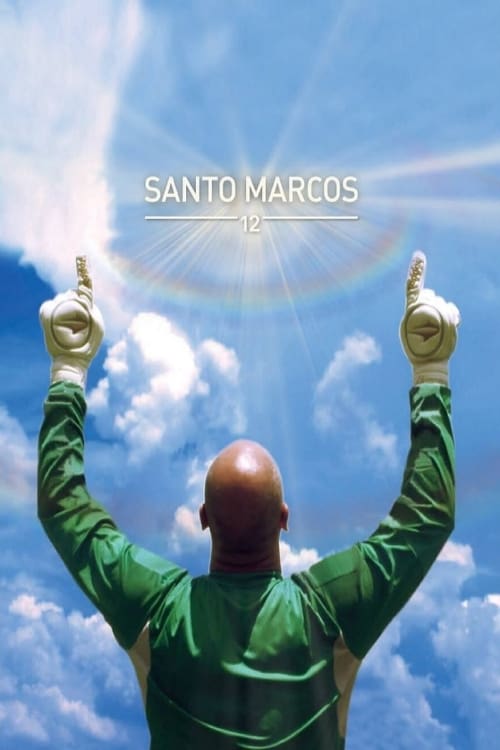
Marcos, famous goalkeeper who made history in Palmeiras and in the Brazilian NT - with which he was world champion in 2002 -, has a reputation as a saint due to the beautiful defenses he makes in capo. Players, coaches, journalists and fans praise the skills of São Marcos and pay homage to the admirable man and tireless athlete who became an idol.
Santo Marcos
No description available.
Looking for Rio
The documentary shows a little of the history of popular Brazilian football and multi-sports club Flamengo.