William Forsythe
Acting
Biography
William Forsythe is a radical innovator in choreography and dance. For more than four decades, he has redefined the syntax and praxis of his field, exerting unparalleled influence on subsequent generations of artists. Over the course of his career, he has developed an extensive repertoire of groundbreaking ballet choreographies and experimental, non-proscenium-based dance-theater works, as well as an open-access digital platform for dance analysis, notation, and improvisation. His works are featured in the repertoire of many of the world’s major ballet companies, including Paris Opera Ballet; Mariinsky Ballet, Saint Petersburg; Semperoper Ballet, Dresden, Germany; Royal Ballet, London; New York City Ballet; San Francisco Ballet; Boston Ballet; and the National Ballet of Canada. Parallel with the evolution of his choreographic performances, Forsythe has worked for more than twenty years on installations, film works, and discrete, interactive sculptures, which he calls "choreographic objects."
Known For

No description available.
Kulturplatz

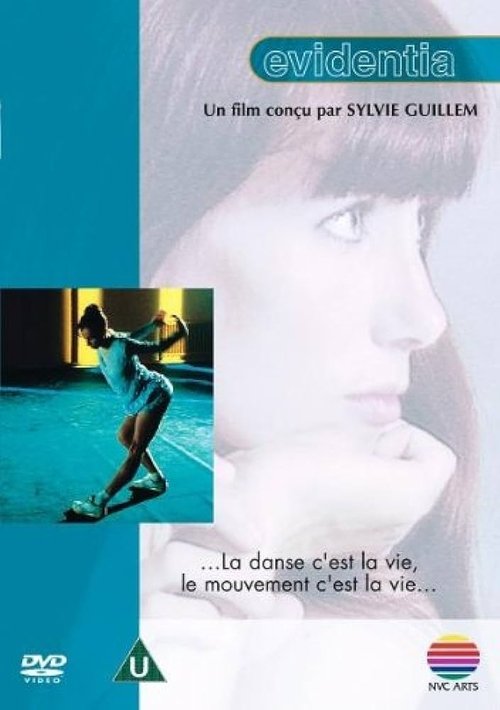
In this experimental film conceived by Sylvie Guillem, the choreographers become dancers or photographers: William Forsythe dances a superb solo and Mats Ek films his brother and Sylvie Guillem in Smoke, an oniric and sensual duet.
Evidentia

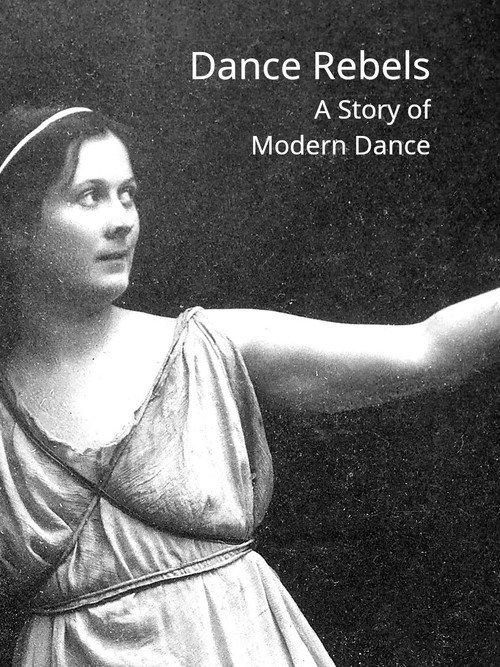
The mavericks whose radical ideas created modern dance in the 20th century.
Dance Rebels: A Story of Modern Dance
Choreographer William Forsythe suggested director Mike Figgis should join the Frankfurt Ballet company for five weeks in order to make a documentary. The film follows the creation of a new dancing piece from day one to the premiere.
William Forsythe and the Frankfurt Ballet: Just Dancing Around?

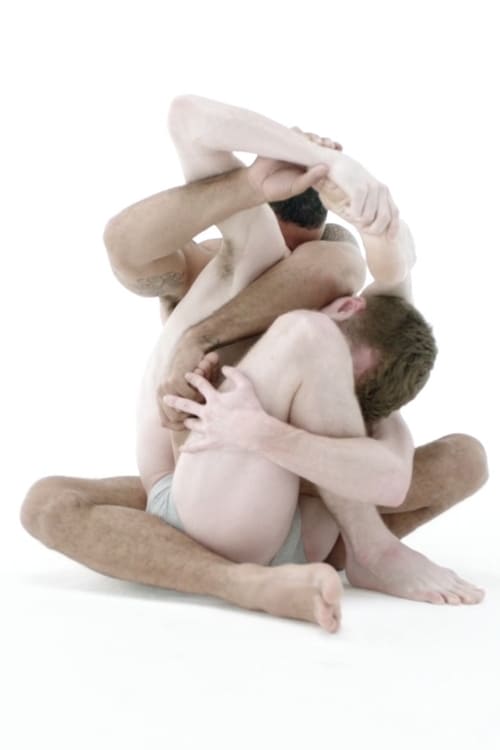
In a video installation distilled from a live performance that Forsythe choreographed and directed in 2016, dancers Rauf "Rubberlegz" Yasit and Riley Watts clasp and unclasp each other in complex configurations that make it difficult for the viewer to determine where one body ends and the other begins. This slow-motion physical and optical puzzle, which Forsythe calls an "entanglement", is a choreographic event from which the common elements typically associated with choreography—the structural development of time and space and the visual isolation of parts—have been subtracted. The complex "threading" of the dancers' bodies into their own negative spaces creates visual conundrums that defy the apparent logic of the situation. The title is a play on words that, like the human situation it describes, threads two languages together: the English word "align", which sounds like the German word "allein" (alone), is fused with the German word "Einigung" (agreement).