Writing
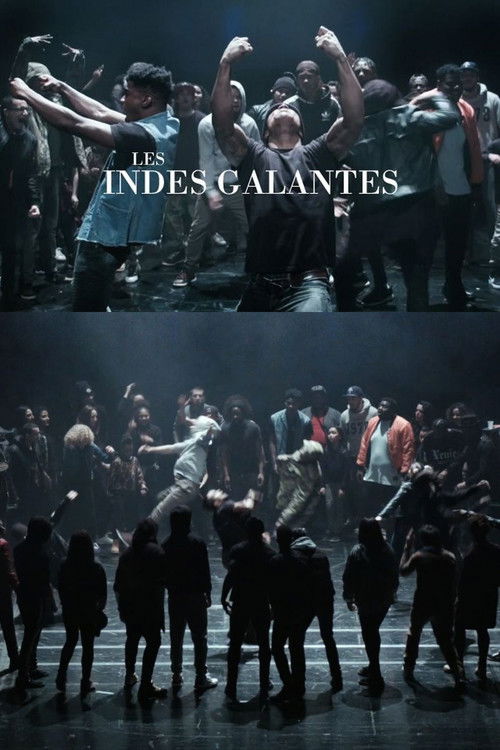
Les Indes Galantes (The amorous indies), is an opera-ballet created by Jean Philippe Rameau in 1735. He was inspired for one of the dance by tribal Indian dances of Louisiana performed by Metchigaema chiefs, in Paris in 1723. Clément Cogitore adapts a short part of the ballet by mobilizing a group of Krump dancers, an art form born in Los Angeles black ghetto in the 1990s. Its birth occurred in the aftermath of the beating up of Rodney King and the riots, as well as police repression it triggered. Amidst this coercive atmosphere, young dancers started to embody the violent tensions of the physical, social and political body. Both the tribal dance performed in Paris in 1723, and the rebelious Krump dancers of the 1990s shape a reenactment of Rameau’s original libretto, staging young people dancing on the verge of a volcano.
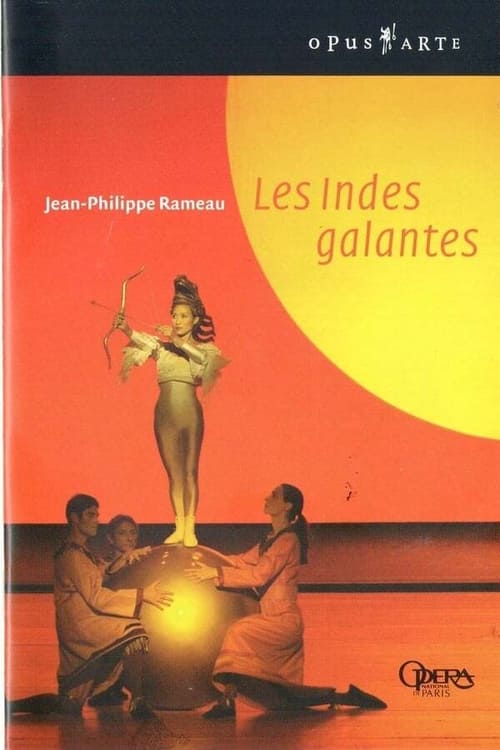
"William Christie and Les Arts Florissants propel this exuberant production of Jean-Philippe Rameau's second opera to great heights. Andrei Serban's extravagant, highly baroque staging presents the four exotic love stories vibrantly. In 'Le Turc généreux' Osman sets free his captive, Emilie, whom he loves, so that she may be reunited with her former lover, Valère; 'Les Incas de Pérou' is all about the rivalry of the Inca Huascar and the Spaniard Don Carlos, both in pursuit of Princess Phani; 'Les Fleurs' offers a Persian love intrigue, as the Sultana Fatime tries to detect whether her husband Tacmas has his eye on the lovely Atalide; and 'Les Sauvages' takes us to North America, where a Spaniard and a Frenchman compete for the love of Zima, daughter of a native chief, who prefers one of her own people." — from the DVD cover