Sylvia Morales
Directing
Biography
Sylvia Morales (born 1943 in Phoenix, Arizona) is an American film director, writer, producer, and editor. Morales is recognized as one of the first female Mexican-American filmmakers. Morales has won multiple awards for her documentaries, which portray various aspects of Hispanic American society and culture, including the farm workers struggle, Chicana feminism, and the music of Los Lobos. While the majority of her work is in the documentary film genre, Morales has also done work for television. In addition, she has published essays and photographs on Latina and feminist issues. She has lectured and taught at universities throughout Southern California.
Known For
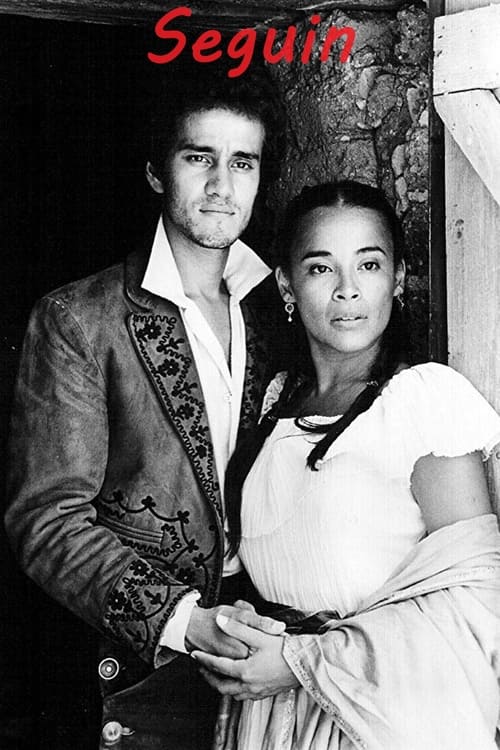
A dramatization of the life of Juan Seguin, a heroic Mexican-Texan who became entangled in the struggle between two contrasting cultures in the turbulent decade between the Texas Revolution (1836) and the Mexican-American War (1846-1847).
Seguin

Remembers an artist in the form of a somnambulistic fantasy: A filmmaker faces increasing challenges as she tries, decades later, to complete Dominican filmmaker Jean-Louis Jorge’s unfinished work.
Holy Beasts

This film is a scrambled narrative that illustrates, in soap opera fashion, life of artists in Lower Manhattan and at the same time dramatizes questions about the nature of filmic representation. Split decision is a boxing term used when the judges divide their votes in finding a winner. In this case the fight is between the two heroes of the film who are seen intermittently in a bar, negotiating a pick-up, and at home, breaking up in a domestic quarrel. The fight is also in the telling, between modes of conventional representation and modes of radical representation - between conventional continuity editing, and abstraction created through computer generated grids. The film features an appearance by Carolee Schneemann and digital imaging from before the era of personal computers.
Split Decision
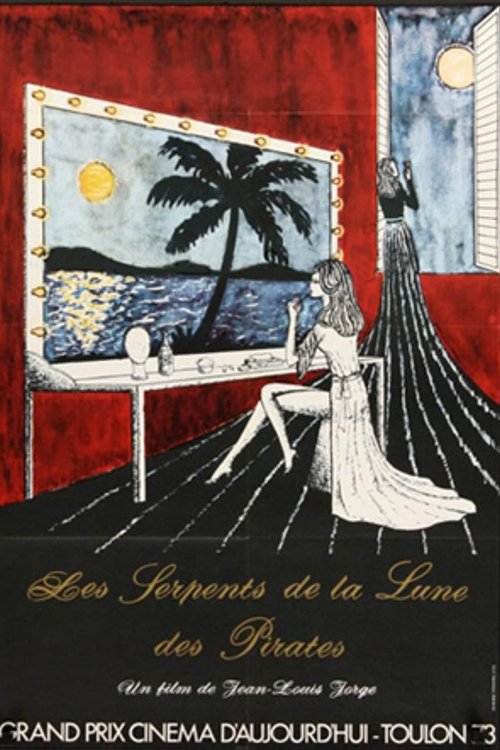
A woman who works in a night club starts having obsessive thoughts, beginning to lose her hold on reality.
Serpents of the Pirate Moon
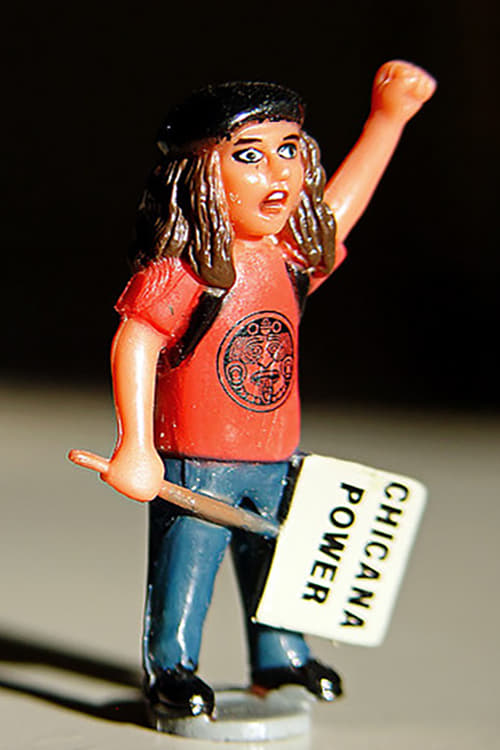
CHICANA traces the history of Chicana and Mexican women from pre-Columbian times to the present. It covers women's role in Aztec society, their participation in the 1810 struggle for Mexican independence, their involvement in the US labor strikes in 1872, their contributions to the 1910 Mexican revolution and their leadership in contemporary civil rights causes. Using murals, engravings and historical footage, CHICANA shows how women, despite their poverty, have become an active and vocal part of the political and work life in both Mexico and the United States.
Chicana
Through an initiatory and biblical journey, Kiki and Lulu meet evangelical figures as they try to sell porcelain plates with the effigy of the pope.
Les barbots

An exploration of social schizophrenia in which terrorists consult their mothers before planting bombs, and the head of the New York City bomb squad succumbs to his dominatrix.
G-Man
Three American nuns (who signed A Catholic Statement on Pluralism and Abortion), inspired by the Civil Rights Movement and encouraged by the internal reforms of Vatican II, accuse the Catholic Church of racism and sexism. A revealing portrait of a 2,000-year-old organization struggling to reconcile authority and conscience, tradition and the need for change.
Faith Even to the Fire
Sequel to Sylvia Morales' film, "Chicana," which documents how five Chicanas balance their family and work.