Jean-Pierre Beltoise
Acting
Biography
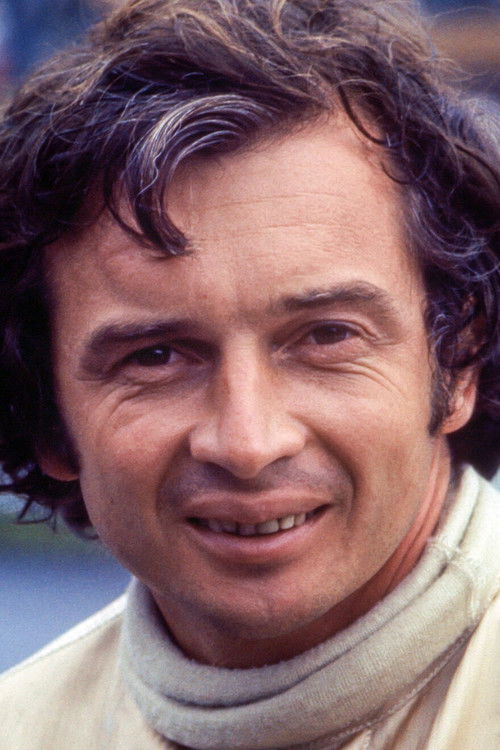
Jean-Pierre Maurice Georges Beltoise (26 April 1937 – 5 January 2015) was a French racing driver and motorcycle road racer, who competed in Grand Prix motorcycle racing from 1962 to 1964, and Formula One from 1966 to 1974. Beltoise won the 1972 Monaco Grand Prix with BRM. Beltoise competed in Formula One for Matra and BRM, finishing fifth in the 1969 World Drivers' Championship with the former. Beltoise was also a class winner at the 24 Hours of Le Mans in 1976 with Inaltéra. Beltoise won 11 French national motorcycle road racing titles in three years. He competed in international Grand Prix motorcycle racing from the 1962 to 1964 seasons in the 50, 125, 250 and 500 cc classes. His best finish was a sixth place in the 1964 50 cc World Championship. In 1964, Beltoise was racing a 1.1-litre René Bonnet sports car. His career almost ended with a huge crash in the Reims 12-hour sports car endurance race, in which he suffered a broken arm, so severely damaged that its movement was permanently restricted. However, he returned in 1965 and won the Reims Formula 3 race, after which he graduated to Formula 2 for the following season. In 1966, Beltoise drove in the German Grand Prix at the Nürburgring in a Formula Two (F2) one litre Matra MS5-Cosworth. He finished one lap down but won the F2 class. However, it was his only Grand Prix that season. In 1967 Beltoise competed in three Grands Prix with a Formula Two Matra MS7 1.6 litre Cosworth, and finished seventh at both Watkins Glen and Mexico City. He also won the 1967 Buenos Aires Grand Prix, which was not part of the World Championship calendar. In 1968, Beltoise began the season again with an F2 car but from the second race onward had Formula One machinery and finished second in the 1968 Dutch Grand Prix. In 1969, he was placed in Ken Tyrrell's Matra team, whilst the works V12 engine was developed driving alongside Jackie Stewart, and finished second in the French grand Prix. Beltoise returned to the works Matra team for both 1970 and 1971. In 1971, racing in the Matra sports car team, he was involved in the accident in which Ignazio Giunti died during the 1000 km Buenos Aires, and his international racing license was suspended, although he was allowed to compete while on appeal. For 1972, Beltoise moved to the BRM team and won what turned out to be his only and BRM's final championship-qualifying Formula One victory at the 1972 Monaco Grand Prix in heavy rain. In that same year, he won a non-championship race in the end of the F1 season, at Brands Hatch, thus marking the last two victories of the BRM make in Formula One. He spent three seasons with BRM, and finally retired from Formula 1 at the end of the 1974 season. Beltoise later did most of the testing for the Ligier F1 team, although a proposed Formula One drive for 1976 went instead to Jacques Laffite and he thereafter turned his attention to touring car racing in France, twice winning the French title for BMW before entering rallycross in an Alpine-Renault with which he won the French title. In 1981 he returned to touring cars and raced for Peugeot throughout the 1980s. He was also a regular ice racer. His two sons, Anthony and Julien, are both race drivers. ... Source: Article "Jean-Pierre Beltoise" from Wikipedia in English, licensed under CC-BY-SA.
Known For

No description available.
Champs-Elysées

No description available.
Vivement dimanche

No description available.
Sacrée soirée

Le Grand Échiquier is a French variety television program created and presented by Jacques Chancel. It aired at 8:30 pm on the first channel of the ORTF from January 12, 1972 to July 12, 1972, then on the second color channel of the ORTF from September 1972 to December 1974, and finally on Antenne 2 from January 1975 to December 21, 1989. The program returned to France 2 on December 20, 2018 and is hosted by Anne-Sophie Lapix.
Le Grand Échiquier

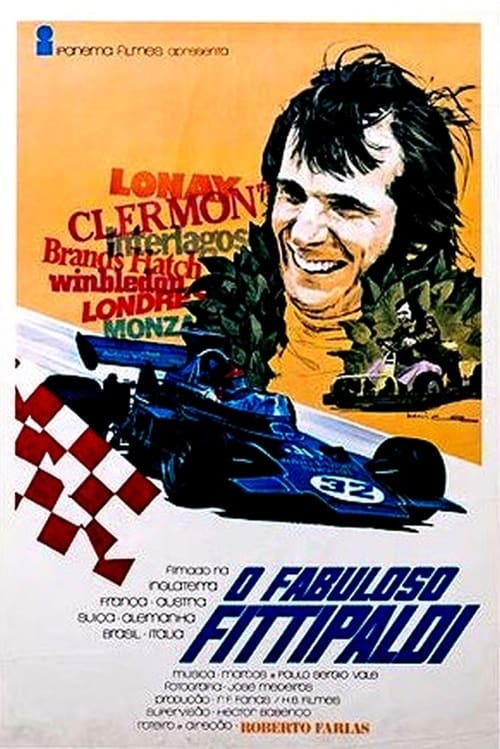
Documentary about race car driver Emerson Fittipaldi
O Fabuloso Fittipaldi

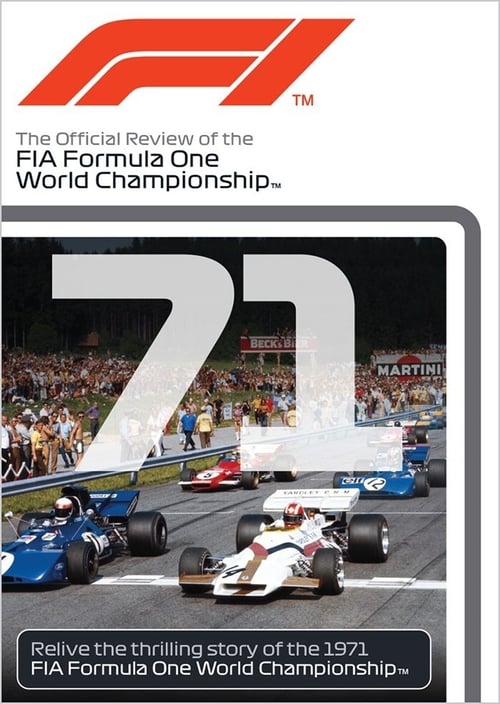
Formula One 1971 Review - Great Scot! is the DVD review of the 1971 Formula 1 season. This was the year when Jackie Stewart was crowned as F1 champion, the year of the Stewart/Tyrrell double act. At the start of the 1971 F1 season Ferrari was still the team to beat, and the brute force of the V-12 engine threatened to destroy everything in its wake. However, it was the addition of Stewart and Tyrrell into the Championship that challenged the balance of power. It made for an epic season that pitted mechanical muscle against driving skill. And as the season progressed Stewart and Tyrrell developed a magical formula that combined radical aerodynamics with Stewart’s sublime talent. It became clear that the might of the prancing horse could (and would) be tamed.
1971 FIA Formula One World Championship Season Review

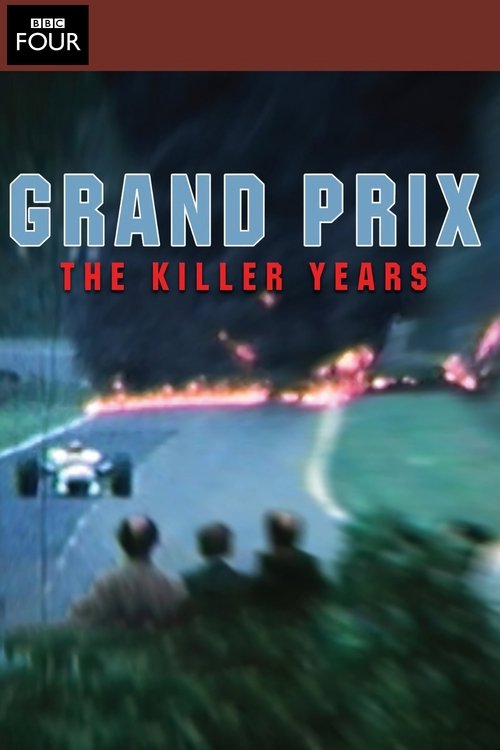
In the 60s and early 70s it was common for Grand Prix drivers to be killed while racing, often televised for millions to see. Mechanical failure, lethal track design, fire and incompetence snuffed out dozens of young drivers. They had become almost expendable as eager young wannabes queued up at the top teams' gates waiting to take their place. This is the story of when Grand Prix was out of control. Featuring many famous drivers including three times world champion Sir Jackie Stewart OBE, twice world champion Emerson Fittipaldi and John Surtees OBE, this exciting but shocking film explores how Grand Prix drivers grew sick of their closest friends being killed and finally took control of their destiny.
Grand Prix: The Killer Years

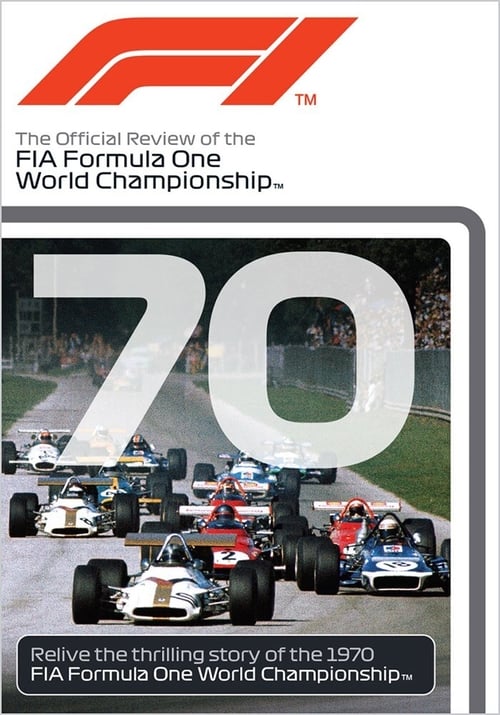
1970 was the year of transition in Grand Prix racing; the season that pitched the old guard against a feisty new breed of racers intent on pushing Formula One forward into the new decade. Nothing symbolised this battle more than the cars used by top contenders: Jacky Ickx’s Ferrari 312B relied on brute force to compensate for its outdated styling, whereas Jochen Rindt’s Lotus 72 showed that radical aerodynamics represented a brave and (potentially) faster way forward. And with the technological battles came a fascinating season’s racing. Jackie Stewart was the defending champion but took nothing for granted. When different drivers won the first four races, Stewart, and the world, knew that the Championship was wide open. Thrilling battles ensued until triumph and tragedy came together in one fatal collision: on the 5th of September 1970 Championship leader Jochen Rindt died during practice at Monza. He was to become the sport’s first posthumous champion.
1970 FIA Formula One World Championship Season Review

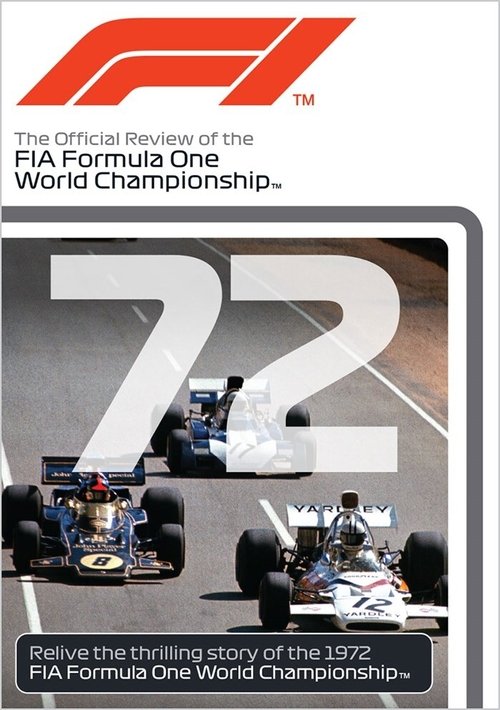
1972. All eyes were on the defending champion Jackie Stewart and expectations were high that he would repeat the total domination of the previous year. He made his intentions clear with an emphatic win in the 1st GP – cruising home half a minute ahead of the chasing pack. However, there was another driver intent on stealing his crown: Emerson Fittipaldi, a whirlwind of talent and youthful arrogance in his iconic black and gold Lotus 72. And it turned out to be a thrilling season of on-the-limit action that climaxed at Monza – Fittipaldi’s spiritual home. Stewart’s broken clutch put him out of the race, ensuring Fittipaldi’s place in the record books: at just 25 years of age, ‘Emmo’ became the youngest-ever World Champion.
1972 FIA Formula One World Championship Season Review

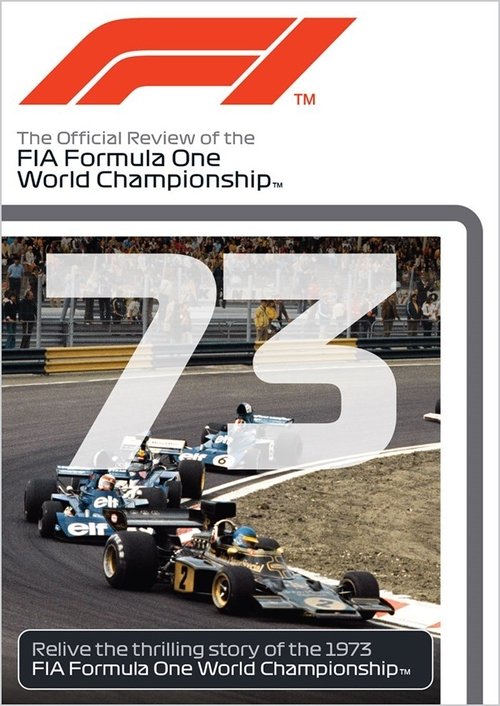
Formula One 1973 Review - Reign of Stewart is the DVD review of the 1973 Formula 1 season. This was the year when the legendary Jackie Stewart was crowned as F1 champion for the third and final time. Jackie Stewart had won the Formula One championship in 1971 but Emerson Fittipaldi was the reigning champion. At the start of the 1973 F1 season there was no question regarding his intention, Jackie Stewart wanted his title back. It was Fittipaldi who laid down the gauntlet, winning three out of the first four races. However, Stewart refused to buckle under pressure, and consistent displays of driving genius with the Tyrrell wondercar brought him right back into contention. By the halfway point of the season, Stewart led the Championship by a single point.