Acting
No description available.
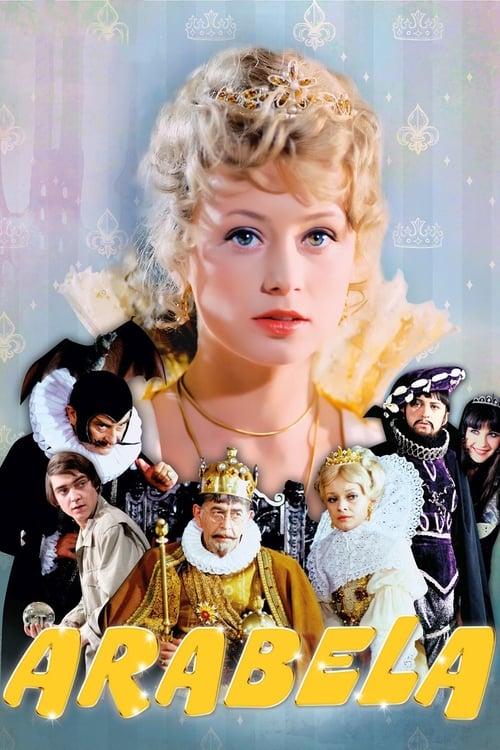
Arabela was a children's television series produced in Czechoslovakia which aired from 1979 to 1981. The series has 13 episodes and is in the Czech language.
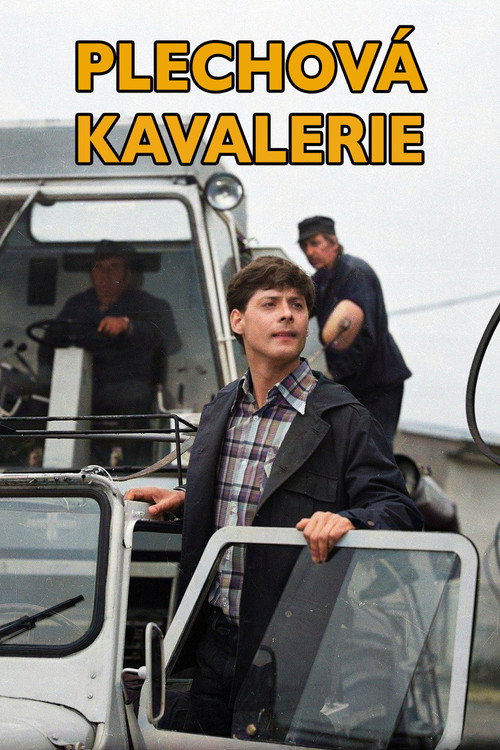
Plechová kavalérie is a Czechoslovak/Czech TV series about combine operators filmed by Jaroslav Dudek.
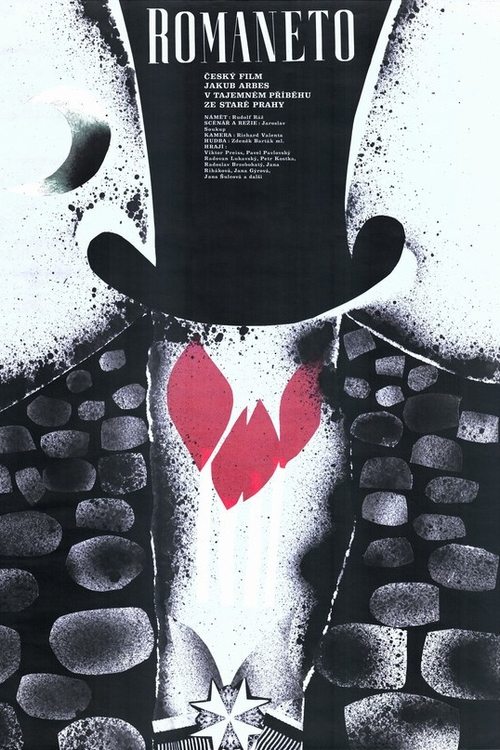
A frightening atmosphere, full of chilling dampness and darkness, follows the fate of a desperate searcher who tries in vain to unravel the supposed secret of the altarpiece...
Twenty-one years (1968 - 1989) in the life of violinist Jan, whose life and social situation forced him to make compromises and personal concessions.
The hero of the story is a forty-something intellectual, a sensitive composer of classical music. His exclusive profession, his work, which is actually incomprehensible to those around him, and his deep inner passion set him apart from the conformist milieu. Therefore, he tries to search for the "lark's silence" - a new strength, purity, truth, essence and roots of Czechism. However, on his return from the oppressive, alienated big city to his native village, to his former home, to nature, a deep disillusionment awaits him: he discovers that the once idyllic village has lost not only its face, but also any manifestation of spiritual life in its foolish attempt to resemble the city.
The theatre director encounters the disinterest and irresponsibility of the acting troupe, whose members are scheming and looking for side income. The tired and sick artist wants to finish his work at any cost.
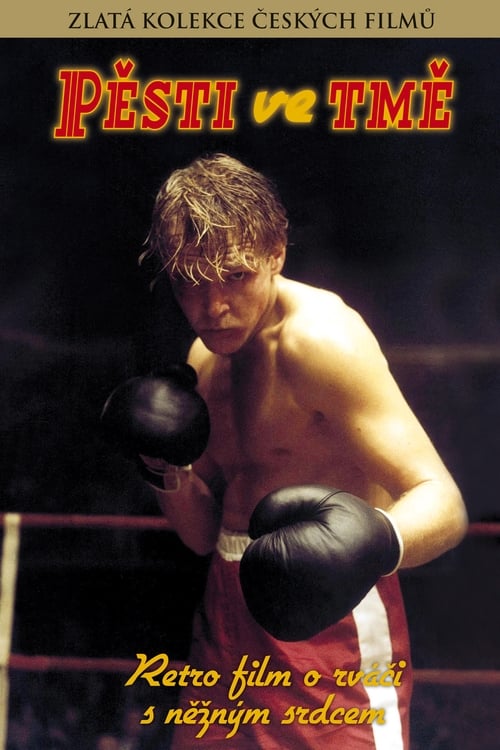
The year is 1936, the nervous atmosphere of the Nazi threat penetrates into the sport. Upgrade boxe Vilda Jakub will compete with German Kurt Schaller. The Nazis decisions are used in order to win his master even the dirtiest means. Vilda inspect their game and focus on the preparation of environmental events. The story culminates in the victory of one of the two lovers, between which Vilda tense moments in the decision.
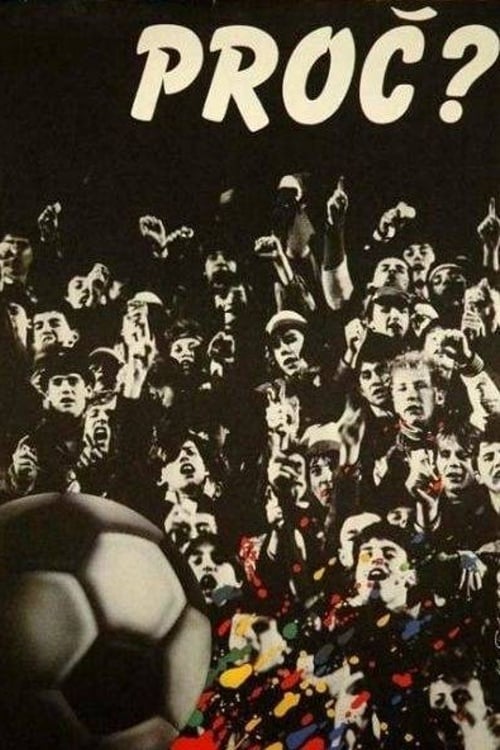
Why? (Czech: Proč?) is a 1987 Czechoslovak drama film directed by Karel Smyczek. It was screened in the Un Certain Regard section at the 1988 Cannes Film Festival. The film deals with the hooliganism in Czechoslovakia, particularly with the fans of football club Sparta from Prague, whose supporters were the pioneers of the football fan riots in Czechoslovakia, starting with hooligan actions already in the 1960s, like breaking the trains in which they travelled when they went on Sparta's away games. The film deals with one of such episodes
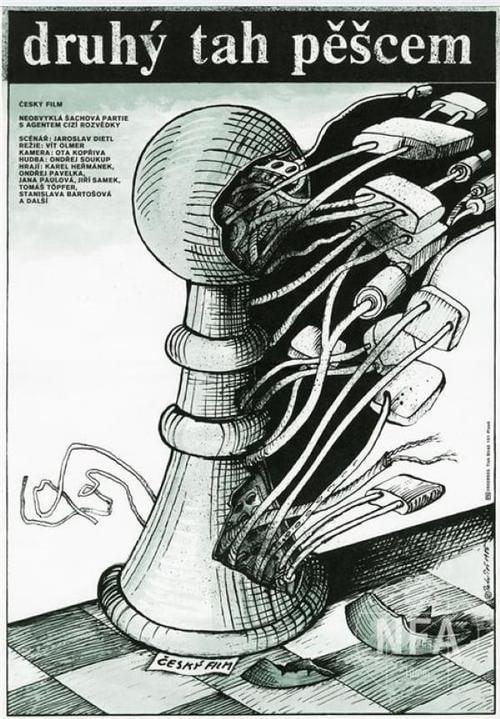
Inspired by the activities of counter-intelligence officers, Jan Prokop plays chess at every opportunity. In addition, he works with his team to uncover a resident network that attempts to recruit domestic experts to work abroad.
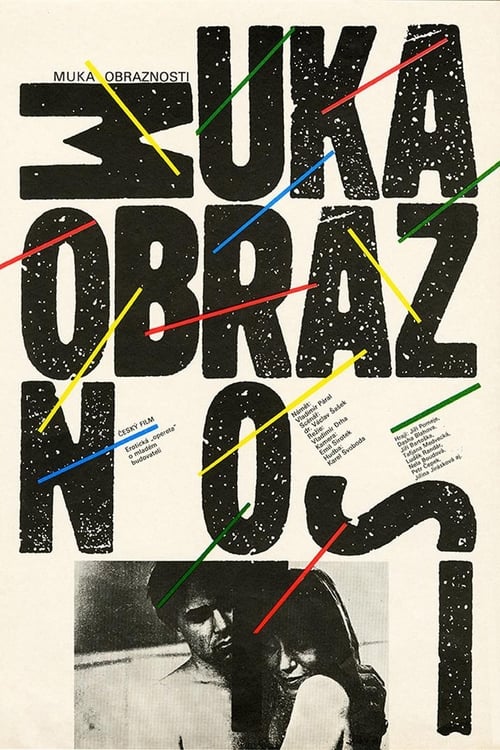
The film tells the story of an enthusiastic young man who joins a textile factory in the late 1950s and assumes that a promising career awaits him - the protagonist is therefore constantly comparing himself to his favourite literary model, the equally ambitious Julian Sorel from Stendhal's fresco The Red and the Black. The result, however, lacks the necessary conviction, the ability to draw the viewer into his world, and remains too contrived, as the chosen period has become a mere non-committal backdrop for amorous games.
The main characters of the film, inspired by director Soukup's own experiences at the Škodovka factory in Pilsen, are two inseparable friends who, after graduating from the industrial school, join a large engineering plant. Here they spend their first year of post-graduate life, where their vague ideas and ideals clash with their completely different life experience. In addition to their conflicting work experiences, Ondřej and Cyril have to deal with their own personal problems. They have big plans for the future, but their dreams are unexpectedly interrupted by a tragic event.
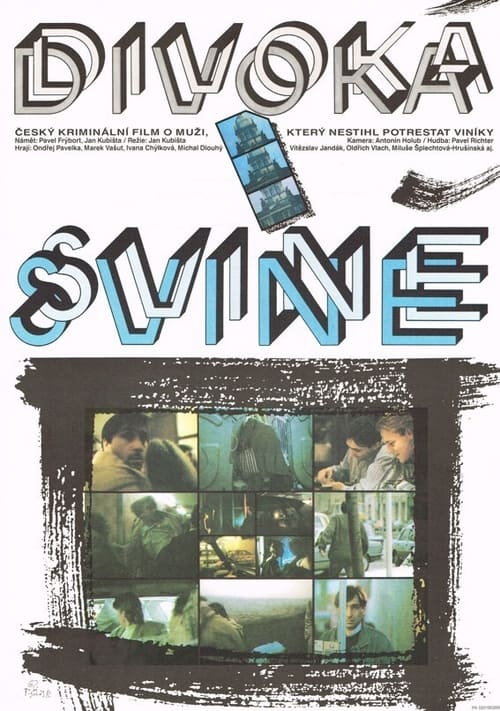
Wild Swine is actually an ironic name for the great search operation of Prague's criminologists, who in a tangle of criminal activity of various kinds were digging around like wild swine before they managed to solve a complicated case. The story takes place in a variety of social spheres, from the Roma people to the world of Prague prostitutes and bakshellers to prominent people.
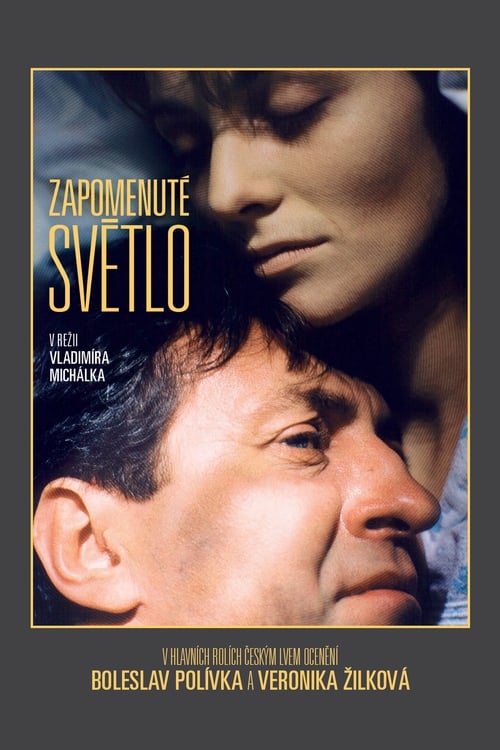
Father Holy, a village priest, battles against the state and religious bureaucracies of 1980s Czechoslovakia in his fight to raise money for a new church roof. Permeated by his love for the villagers, his encounters are marked by his good humor. In his losing battle against Church and State, Holy is ordered to be transferred away from his parish and his allies. The Czech-American, Milena Jelinek, adapted this moving story from the the novel The Forgotten Light, by the 1930s Czech writer/poet and Catholic priest Jakub Deml. (1934)
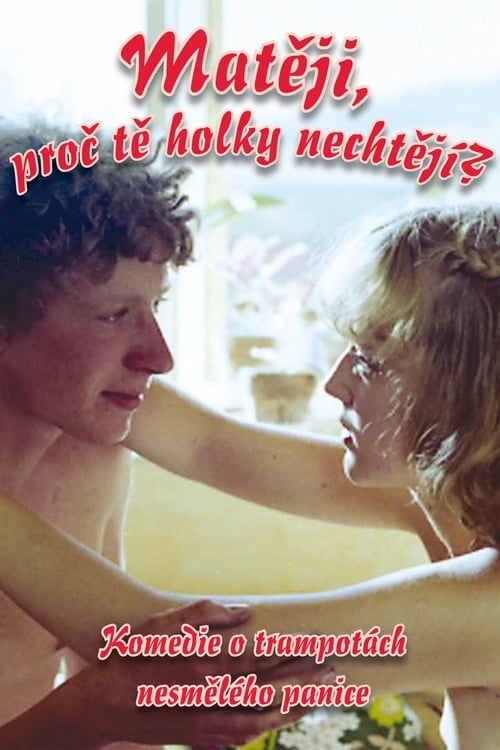
Matěj Hůrka, a teenage bricklayer's apprentice, a young man who is delicate in matters of love, lives with his grandmother in a country cottage. He struggles with love problems, but waits in vain for some advice as his vivacious grandmother remarries an equally vivacious pensioner. The enterprising eldest generation thus contrasts to some extent with the youth, which is embarrassed.
Otakar Vávra dedicated his latest film to events accompanying the devastation of the first World War. It takes place in representative centers of power, in the courts of Vienna, Berlin and Moscow. In parallel, it develops the fate of the Czech archivist, who will take part in the Serbian anti-Austrian branch.
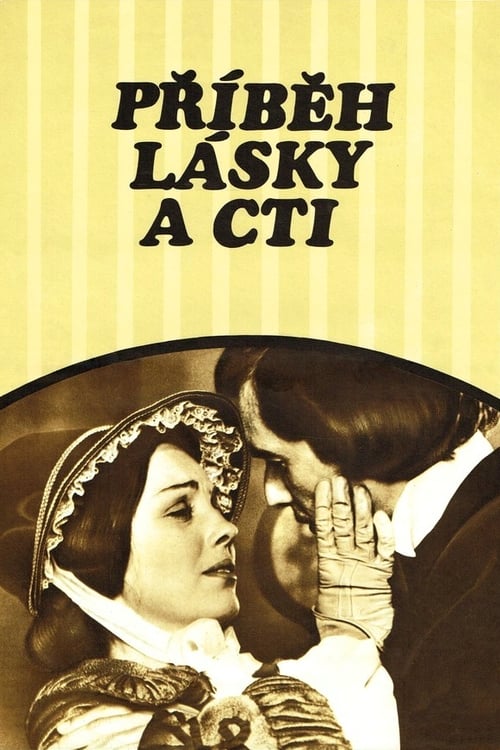
A story of love and honor that takes place during the mid-nineteenth century during revolutions, as well as economic, political, and social hypocrisy. Two extraordinary but lonely artists share a passionate love, as evidenced by the preserved letters that they exchanged.