Production
In a neighborhood where Dominicans and Puerto Ricans live in community, they must learn to put their differences aside and work together to prevent the demolition of their basketball court.
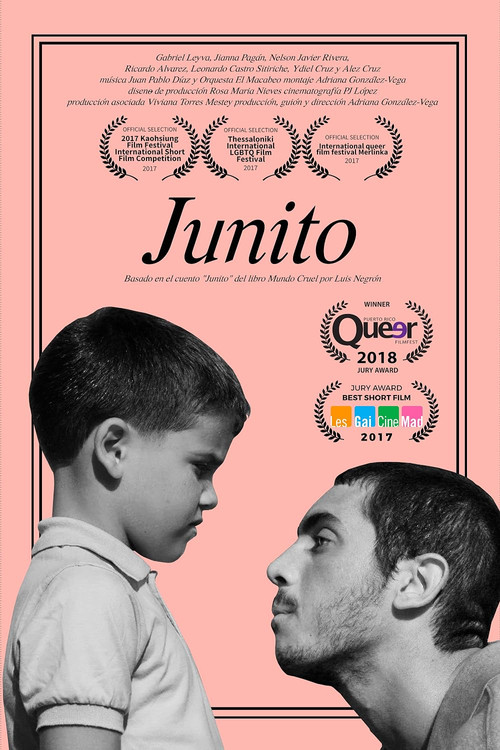
José lives with his wife and children in Santurce, Puerto Rico. As time passes José observes the mannerisms of his youngest son and perceives some homosexual tendencies. After witnessing how the community mistreats his neighbor, Junito, for being gay. Worried about his son José feels that at this moment he has to decide between staying in a conservative society or going to another country where he thinks people are liberal.
“Entre el grito y la celda” is a film adaptation of the theatrical monologue “Lolita", which has been performed locally and internationally for the past 11 years, with over 60 performances in 5 countries, 5 states in North America, and more than 40 municipalities in Puerto Rico. The story is set in late 1954, when political prisoner Lolita Lebrón had already been sentenced to 50 years in prison at the federal prison in Alderson, West Virginia, for leading an attack on the United States Congress. The film explores Lolita's life and patriotic thoughts through poetic language, intertwining her three most significant aspects: her fervent religiosity, her fight for justice from the perspective of a young woman and mother, and her patriotic bravery to risk her freedom for causes and values she firmly believed in. The movie highlights the themes of national identity and the struggles of a resilient woman who became, for many, the Mother of the Puerto Rican Nation.
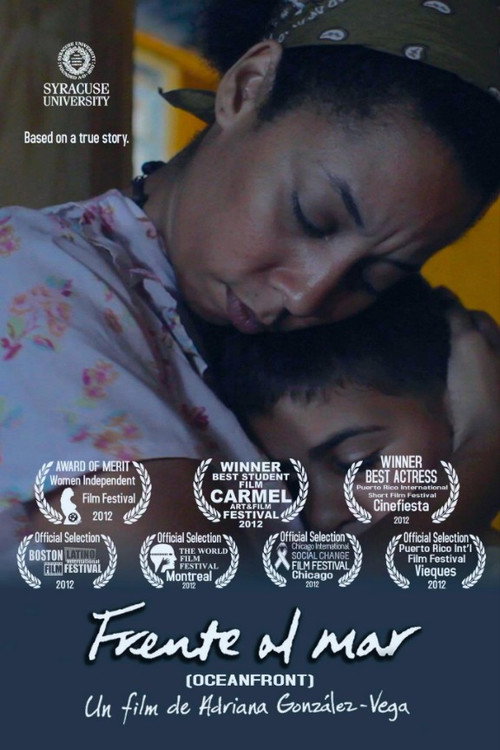
Frente al mar (Oceanfront) is about a poor family in 1980, who lives on the oceanfront of Loiza, Puerto Rico where their only support is the ocean and their surrounding. As they raise six children the family faces a problem that threatens their way of living.