Directing
No description available.
Two surgeons with contrasting objectives are asked to work together in a city hospital. While one of them strives to achieve fame and power through his work, the other wants to save human lives.
A collapsed woman, wearing white clothes, is found at a park in the early morning hours. The woman introduces herself as Byakuya. Except for her name, she doesn't remember anything else about herself. She doesn't know general stuff either, but she holds extensive medical knowledge and has a genius-like diagnostic ability. With just the smallest amount of information, she is able to diagnose any disease. She begins to work with a diagnosis team at a hospital.
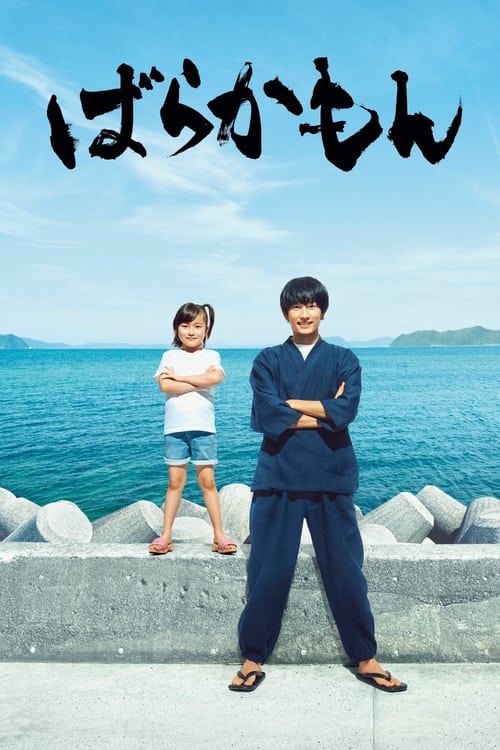
A proud young calligrapher is punished for punching a critic by being sent to a faraway island in the east coast of Japan. But as he meets and lives with the island's friendly people, his attitude begins to improve.
Set in a large company that retains an old hot-blooded constitution, the protagonist, Ren Hitomi, who is too stupid and pure, and the heroine, Naomi Mano, who struggles every day with the hope of changing the company, face the various problems of employees in the company with a unique human resources department and face the various problems of modern people".
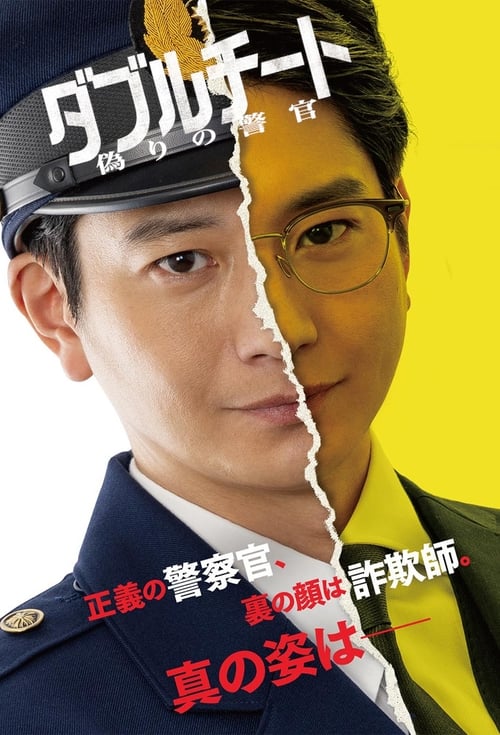
A crime entertainment drama produced by TV Tokyo and WOWOW, which deals with various scams that have increased in recent years with the spread of the Internet.
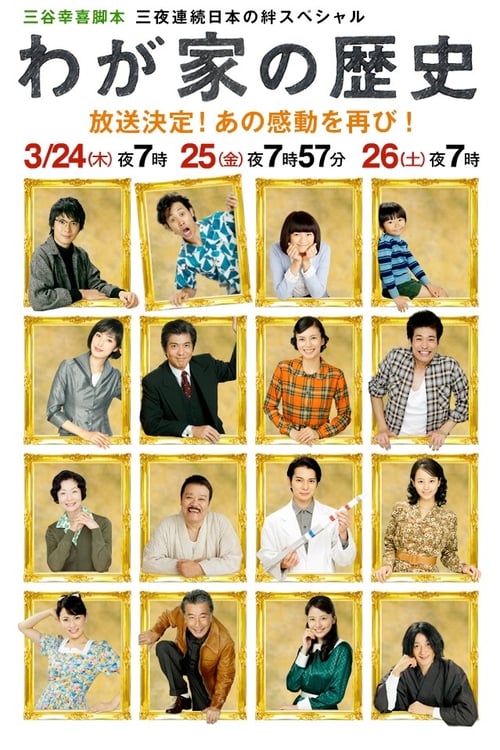
Wagaya no Rekishi is a Japanese three-part television mini-series, shown on Fuji TV from April 9, 2010 to April 11, 2010 to celebrate its 50th Anniversary. The show was known for its star-studded cast.
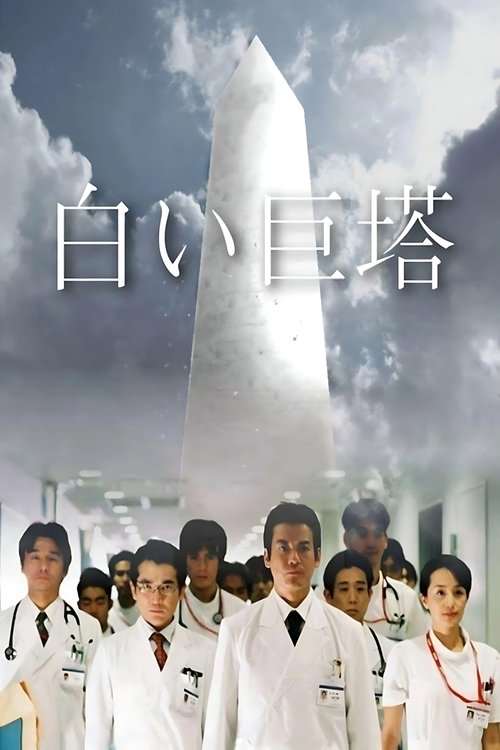
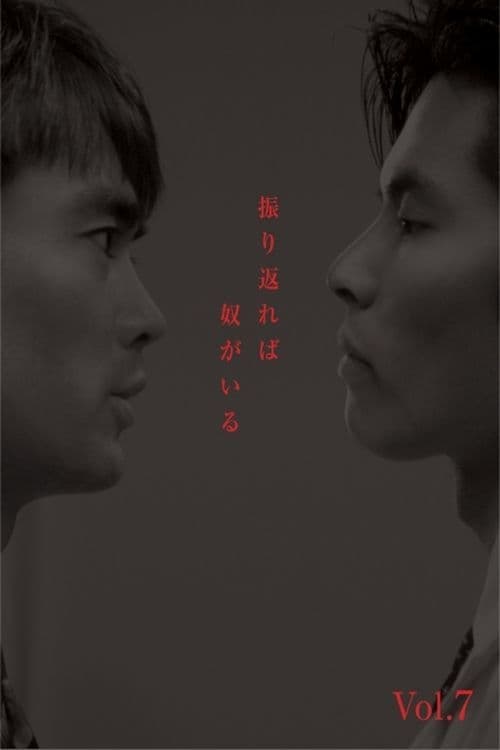
This is a story of two physicians who are complete opposites. Although he's a skilled surgeon, Dr. Shiba does not believe that every life is worth saving, but is willing to perform any surgery for the right price. On the other hand, Dr. Ishikawa is an idealist who believes that doctors should treat all patients equally and fight to protect every person's right to live. Therefore, Ishikawa quickly becomes liked by hospital staff while Shiba continues to make enemies.
Hakuro is single and works as a veterinarian. His father died when Hakuro was a child and his mother later remarried into the wealthy Yagami family. Although Hakuro was brought into the Yagami family through his mother's marriage, he does not feel like part of the Yagami family. Especially, when compared to his younger step-brother who possesses the same blood as his family. After the death of Hakuro's mother, Hakuro dropped Yagami from his name and broke off relations with that family. Hakuro has a strong sense of justice and sincerity in his actions. He is very susceptible to beautiful women. One day, he meets a woman. The woman introduces herself as the wife of his stepbrother and informs him that his stepbrother is missing. As Hakuro and the woman trace his stepbrother's whereabouts, Hakuro becomes involved in the Yagami family's fight over a three billion yen inheritance.
A legendary detective duo secretly married to each other must hide their relationship while investigating a string of murders that entangles their pasts and threatens to tear both their family and partnership apart.
Mikoto Hanamaki is a paramedic with a special psychic ability: he can see the moment at which a person’s life ends. But the talent is a curse because despite his best efforts, he can’t seem to change that fate. Can this empathic paramedic, fighting on the front lines of life and death, find a way to alter the immovable hand of fate and save the one he loves?
A program that uses a script written by Koki Mitani and is produced by a different cast and crew each time. As the narration at the beginning of the show says: "If you think you can create the same work with the same script, you don't know drama". This is a drama that clearly shows how the atmosphere of a work changes depending on the direction, making it ideal for those who aspire to become directors.
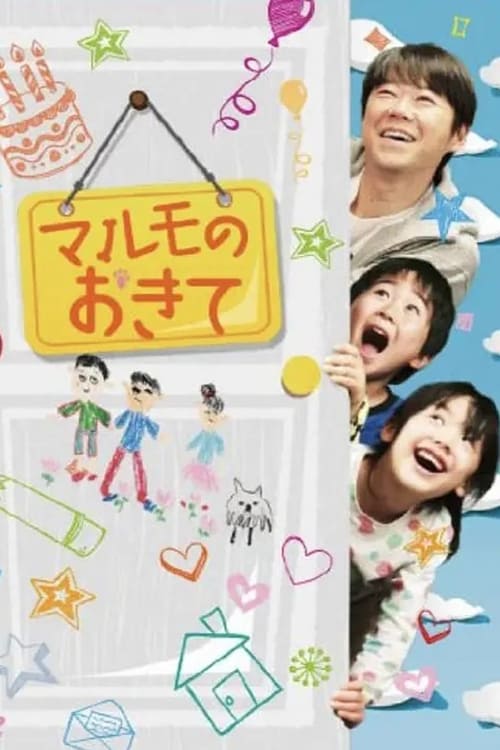
Marumo no Okite is a Japanese television series which premiered on Fuji TV on April 24, 2011. This television series stars Sadao Abe as Mamoru Takagi, a public relations officer with a stationery company. It also stars child actors Fuku Suzuki and child actress Mana Ashida as Mamoru's late friend Jun-ichiro's twin children. The television series was broadcast as part of the Fuji TV's Dramatic Sunday time slot, which airs every Sunday from 9pm to 9:54pm.
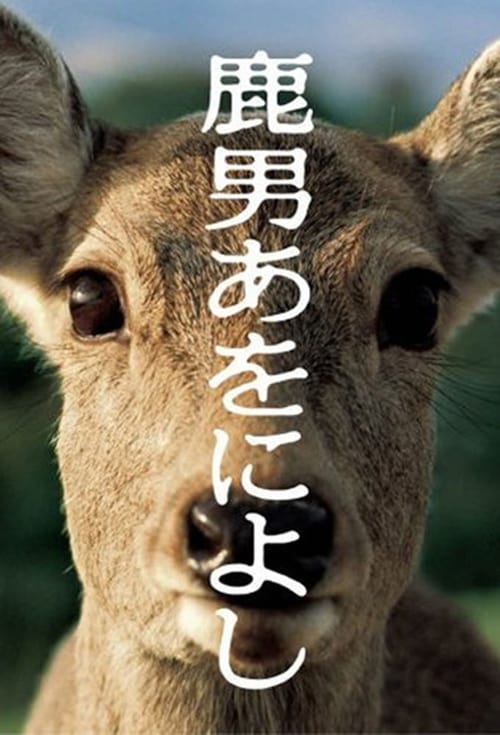
Forced out of his research group after conflicts with his colleagues, Ogawa Takanobu takes up an offer to teach at a girls' high school in Nara. When taking roll call on the first day one of his students, Hotta Ito, sneaks into class late, claiming a bogus excuse--that she got a ticket after trying to park her deer in front of the train station.
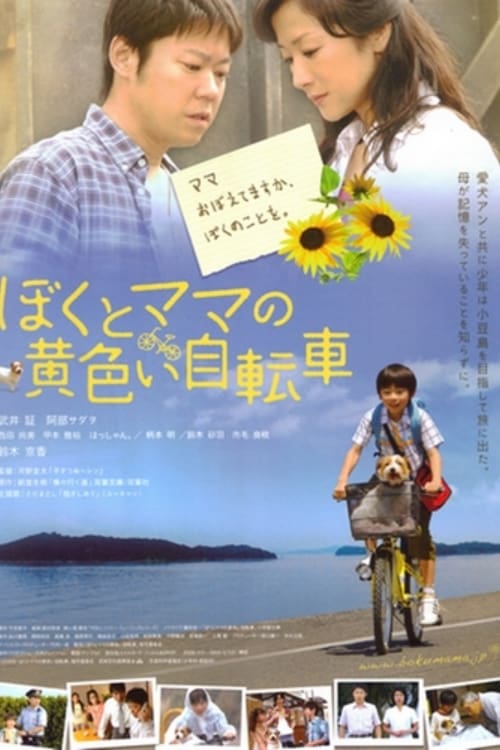
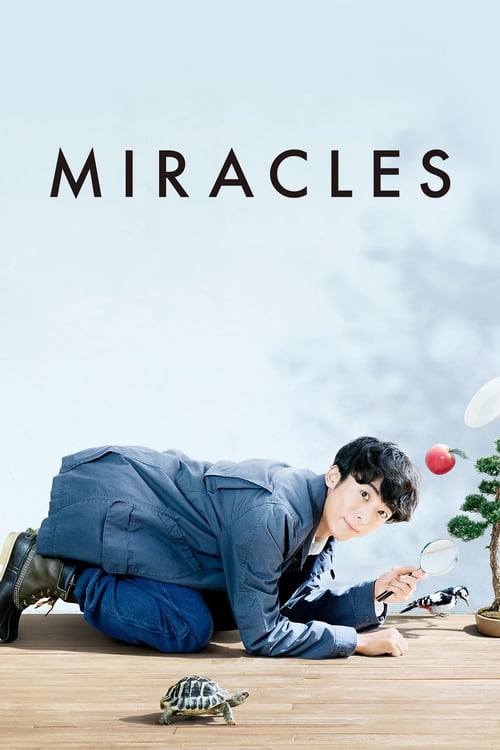
Taishi lives with his father Kazushi. His mother left home when Taishi was very young and he barely has any memories of her. He believes that his mother left home to study in Paris. His favorite moments come once a week when he receives a letter from his mother. But one day, during Taishi's summer vacation, he learns that his mother isn't in Paris but in Shodoshima, Japan. Taishi then decides to take his pet dog with him and bicycle from his hometown of Yokohama all the way to Shodoshima. On his 500 kilometers trip to Shodoshima, Taishi meets various peoples and touches their hearts, while leaving behind small miracles. What Taishi doesn't know about his mother is that she suffers from memory loss and that's why she lives apart from her family. Taishi's father Kazushi soon learns that his son has left for Shodoshima and he sets out to find his son.
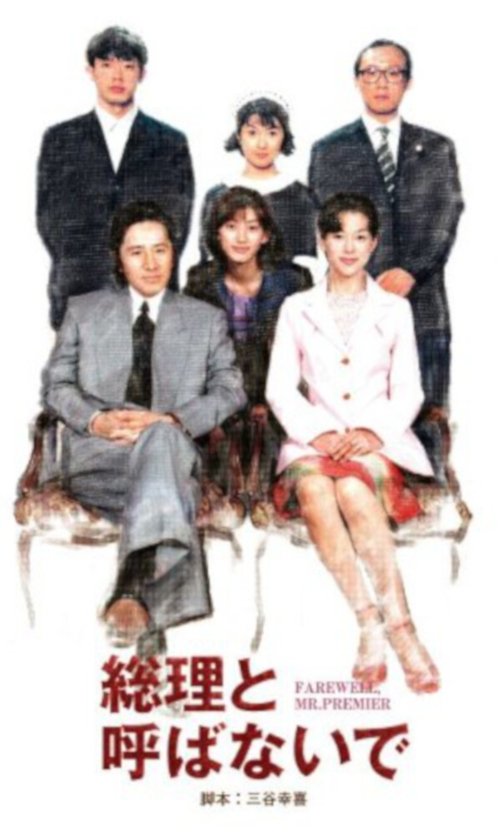
What happens when the Prime Minister of Japan suddenly has the lowest approval ratings in history? Tamura Masakazu plays an unpopular Prime Minister who faces daily protests of citizens, inside betrayals, and the decision of a new Chief Cabinet Secretary. He makes an unprecedented selection, choosing his daughter's private tutor, who is only in his 20s and not even a politician! Will the Prime Minister be able to turn his ratings around, or will he be forced to resign? This drama focuses on the government of Japan, with a comedic twist.
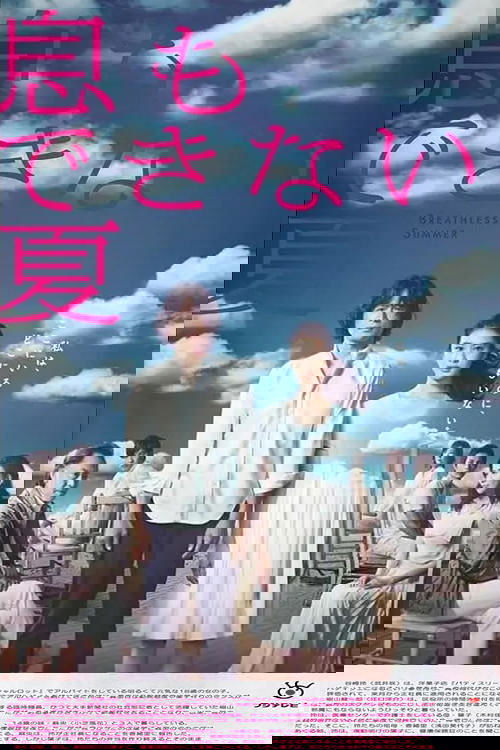
A 19-year-old girl burdened by a cruel destiny, a 41-year-old man living in atonement, and a forbidden love that cannot be accepted by the people around them. Breathless Summer is as much a social drama as it is a love story. Takei plays said girl who learns that her mother never recorded her birth in their family register. While falling into despair after finding out the secret about her birth yet wholeheartedly trying to live to regain "herself", she happens to run into a former journalist who is suffering from a deep scar in his heart himself. Although they could be father and daughter, they start to develop much stronger feelings for each other, a love forbidden by society.
A comical and heartwarming drama about a university lecturer on animal behavior who just loves all living creatures. Once he starts thinking about them, he becomes too absorbed to care about anything else! People think he is quite odd and eccentric! But gradually his attitude, free from restrictions of rigid common sense and social norms, changes the way of thinking of those around him. They can recall a time when they, too, were engrossed in something they loved.
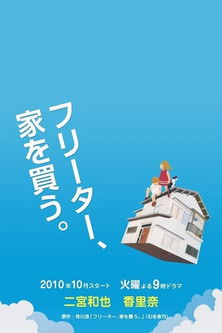
Freeter, Ie wo Kau is a Japanese television drama series that aired on Fuji Television and on Kyodo Television in 2010. The story revolves around Take Seiji, who quits his job after three months. With no dreams, no savings, and a poor relationship with his family, he becomes a hikikomori. However, after his mother falls ill with depression, he ends up having to take on a part-time job at a construction site. Because of that, he soon decides to work towards rebuilding his life: "Even though I'm just a freeter, I'm going to buy a house for the sake of my family." One of the people he meets at the construction site is Chiba Manami, who graduated from a top-class university and joined a well-known general contracting firm. Manami is the complete opposite of Seiji. But while their personalities clash at first, they gradually come to understand each other. --Tokyograph