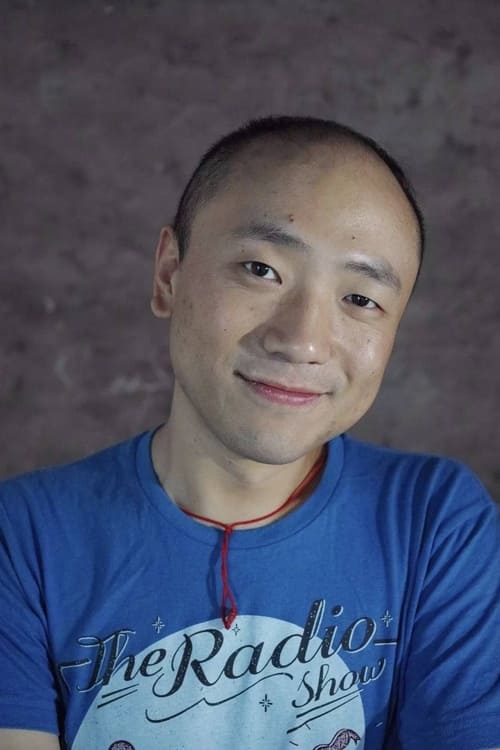
Qiu Jiongjiong
Directing
Biography
Qiu Jiongjiong (b.1977) Qiu Jiongjiong, born in Leshan, Sichuan, China in 1977, currently lives and works in Beijing, is one of the young contemporary Chinese artists. He began painting at the age of 2, and began performing Sichuan opera at the age of 3 (his grandfather is a famous Sichuan opera harlequin actor), and is now active in independent film and painting art. Qiu Jiongjiong's early works were mostly static paintings. Starting in 2007, Qiu Jiongjiong abandoned the static images he was familiar with and began to adopt dynamic video methods. During the period, he completed his debut documentary "The Moon Palace". His film works include two short films "Rehearsal" (2008) and "Huang Lao Lao" (2009), and as well as "The Moon Palace" (2007), "Auntie" (2010), "Xuan Tang Gossip Record" (2011), " Infatuation" (2015), "Jiao Ma Tang Hui" (2021) 5 feature films. From "Infatuation" to "Jiao Ma Tang Hui", he completed the transition from an early documentary film dominated by oral narration to a feature film. The family history of his hometown of Leshan in Sichuan and the family of Sichuan opera are the themes that have appeared many times in his films, and the dialogue in Sichuan dialect is also an important factor that constitutes the unique literary interest and narrative structure of his films. The uniqueness of Qiu Jiongjiong's films is closely related to his identity as a painter. There is a kind of painterly in his films. From scripts based on a large amount of text writing to highly manual production techniques, they provide a worthy sense of gaze and the warmth deserved to be watched over and over. Qiu’s early films have been selected multiple times for the top 10 films of the China Independent Film Festival. "Infatuation" was shortlisted for the 68th Locarno International Film Festival, the 15th MoMA International Documentary Festival and the 40th Hong Kong International Film Festival. As his first feature film, "Jiao Ma Tang Hui" won the CNC cash prize of the Golden Venture Capital Conference, the HUBERT BALS FUND script and development fund of Rotterdam, the Netherlands, the WHITE LIGHT post-production award of the Hong Kong Asian Film Investment Association and Later fund for the Greater Paris Area of Fra
Known For
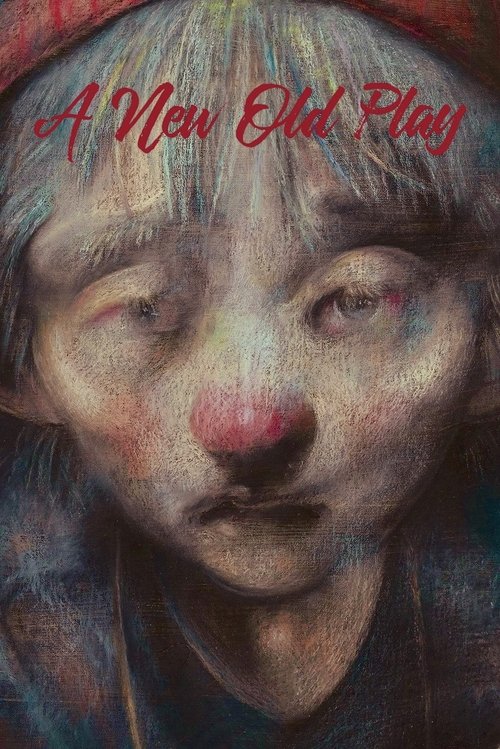
On a 1980s evening, the topmost clown-actor of the 20th century Sichuan opera, Qiu Fu passes away in an accident and half-unwillingly sets off for the Ghost City under the escort of two underworld officials. Along the way, he meets old friends. As they recall the past, a history of the living is conjured up.
A New Old Play

The film continues to blend myths, legends, literature and folktales to further expand his narrative of history and weird tales. The story, set in Sichuan cuisine, is divided into four parts: a funeral banquet more than 4,000 years ago in which a grandmother cuts off her own tail to give to her children and grandchildren; a Spring Festival more than 3,000 years ago in which an ancestor king returns in the guise of a bird and is crucified at the banquet; a Mid-Autumn feast in the 1990s in which the gods gather to pay tribute to a millennia-old poet; and a birthday banquet in which a wandering child meets the gods of the underworld .
Sichuan Culinary Chronicles: In Four Chapters
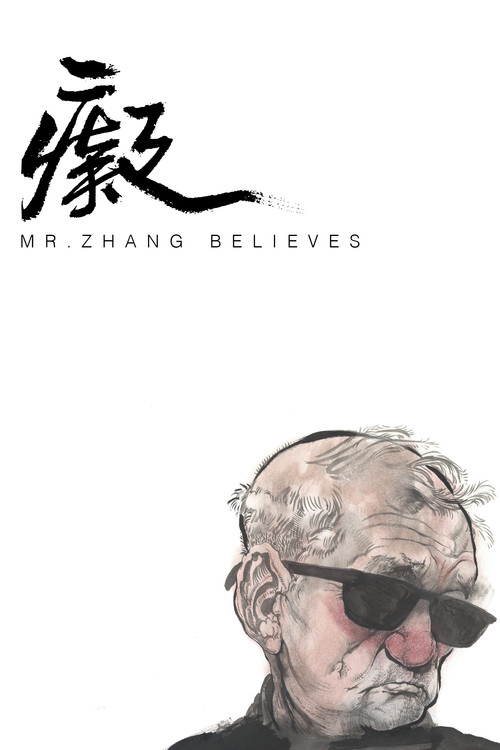
Zhang Xianchi is a man thrown into the Cultural Revolution and its afterimage, plunged into the ideological deadlocks of the era and suffering its consequences beyond it. Born into a family that supports the nationalist Kuomintang, Zhang eventually became a leftist and joined the Communist Party. But his family’s background eventually catches up with him, and in a series of bureaucratic measures, he is labelled as a Rightist, leading to a slew of irrational yet life-affecting consequences. His story is told through an exhilarating hybrid of forms, blending documentary-styled interviews and spectral theatrical displays within an ever-mutating studio-space. Hypnagogic in its imagery and ironic in attitude, Mr. Zhang Believes is a tour-de-force treatise of a man caught within dogmatic political maneuverings, which it critiques indirectly with creative and stoic fervour.
Mr. Zhang Believes
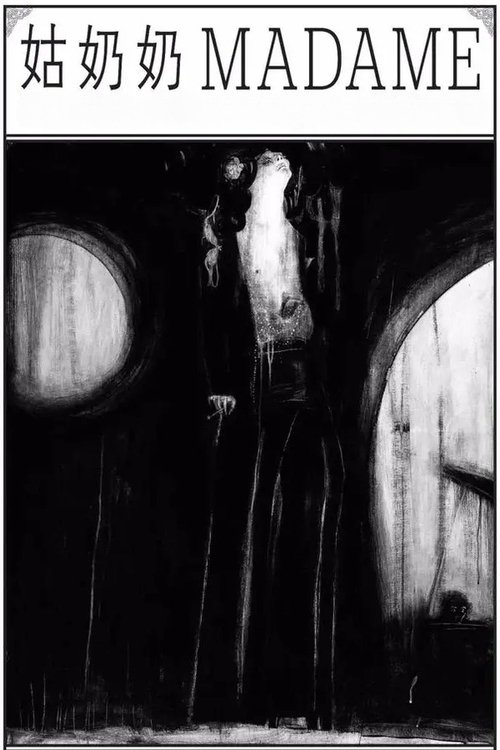
Qiu Jiongjiong's stark black-and-white series of interviews with transsexual cabaret singer Madame Bi Langda. Madame Bi's recollections of past experiences explicitly touch on how she performs her way through life, whether interacting with friends, lovers or her audience. More than a document of the increasingly complicated gender identity politics in China, it's also a poignant testimony of a life dedicated to articulating the aesthetics of living.
Madame
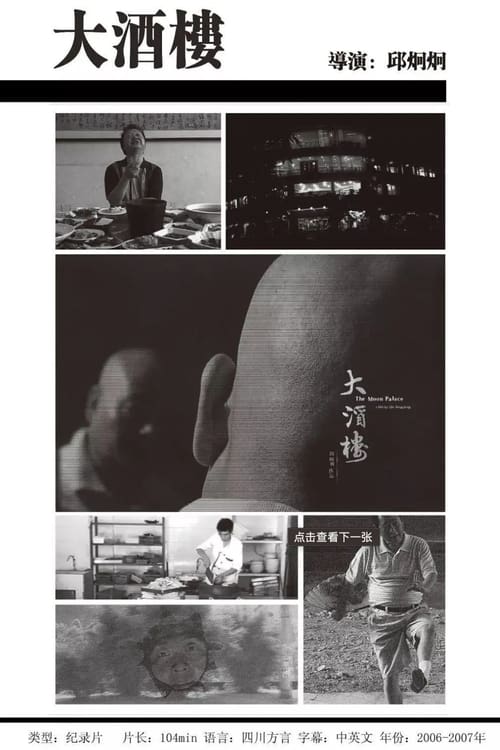
First film by director Qiu Jiongjiong -- about a restauranteur, his patrons, and the culture of art, poetry, and performance that surrounds them.
The Moon Palace
In a confined section of a psychiatric ward in Northeast China, patients of schizophrenia, mania, depression, compulsive sexual behaviour and alcohol addition receive the mandatory treatment. As soon as their heads are cleared, they try to break free but always fail. Under the control of drugs and unquestionable discipline, they begin to reflect on their souls, will, desire and thoughts.
Inmates

The mother is in her eightieth, the son is in his sixtieth, they talking about their past.
My Mother's Rhapsody
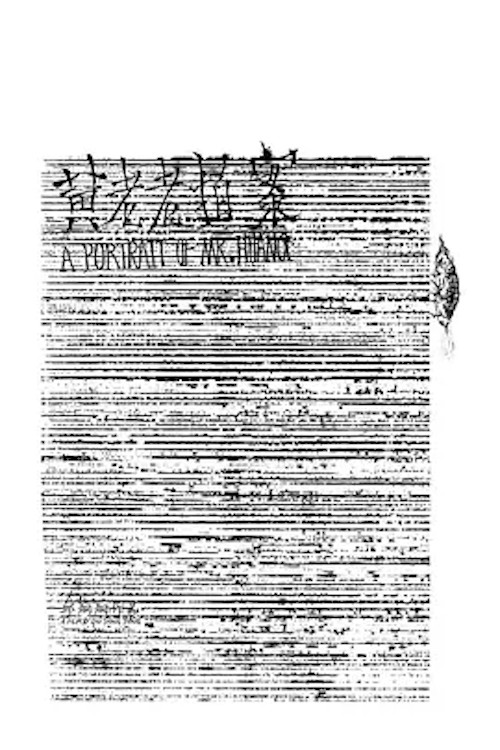
Part of Qiu Jiongjiong’s 'chatterbox' oral history trilogy, this short documentary focuses on current storyteller and ex-cop Huang Songnian. Qiu playfully splices montage cuts between Huang’s wildly entertaining, sometimes very dark stories of intrepid forensic police work (including a super queasy tale of maggots and a body, and another of rural cannibalism), and disruptive yet oddly suitable Sichuan opera excerpts, pigeon portraits, and Qiu’s charming chalk drawings.
A Portrait of Mr. Huang
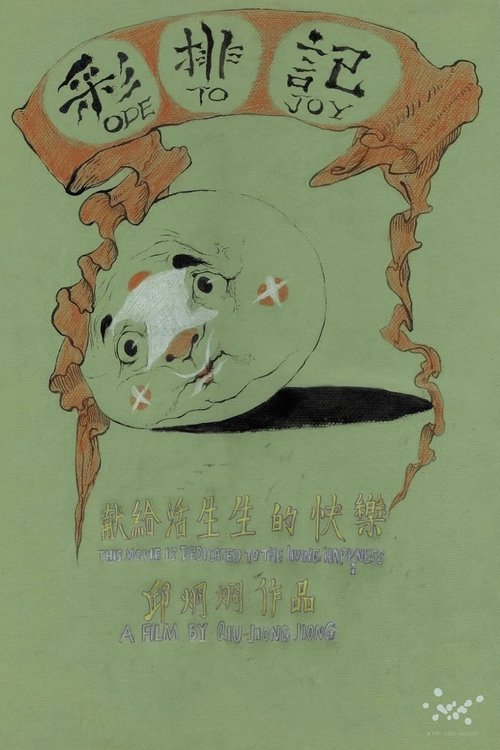
An essential background for Qiu Jiongjiong’s recent A New Old Play, this dazzlingly playful short documentary remixes a Sichuan opera company’s dress rehearsal for its tribute to Qiu Fuxin, the director’s grandfather – who was a legendary opera performer of 'clown' comedic roles, and the real-life subject of A New Old Play. This exuberant celebration of a not-yet-lost past re-activates the memories of ageing, but irrepressibly vital, stage artists.