Stephanie Turner
Acting
Known For
Play for Today is a British television anthology drama series, produced by the BBC and transmitted on BBC1 from 1970 to 1984. During the run, more than three hundred programmes, featuring original television plays, and adaptations of stage plays and novels, were transmitted. The individual episodes were between fifty and a hundred minutes in duration.
Play for Today

Crown Court is an afternoon television courtroom drama produced by Granada Television for the ITV network that ran from 1972, when the Crown Court system replaced Assize courts and Quarter sessions in the legal system of England and Wales, to 1984.
Crown Court
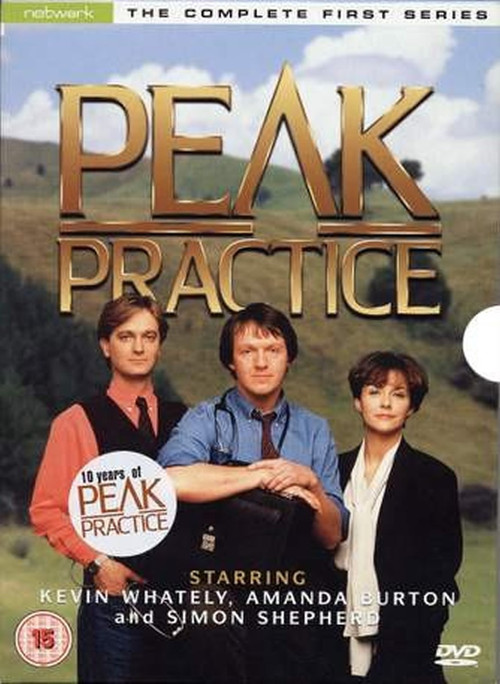
Peak Practice is a British drama series about a GP surgery in Cardale — a small fictional town in the Derbyshire Peak District — and the doctors who worked there. It ran on ITV from 10 May 1993 to 30 January 2002 and was one of their most successful series at the time. It originally starred Kevin Whately as Dr Jack Kerruish, Amanda Burton as Dr Beth Glover and Simon Shepherd as Dr Will Preston, though the roster of doctors would change many times over the course of the series. Cardale was based on the Staffordshire village of Longnor for the final series, but was previously based in the Derbyshire village of Crich, although certain scenes were filmed at other nearby Derbyshire towns and villages, most notably Matlock, Belper and Ashover.
Peak Practice

Jack Frost is a gritty, dogged and unconventional detective with sympathy for the underdog and an instinct for moral justice who attracts trouble like a magnet. Despite some animosity with his superintendent, Norman “Horn-rimmed Harry” Mullett, Frost and his ever-changing roster of assistants manage to solve cases via his clever mind, good heart, and cool touch.
A Touch of Frost
A one-hour anthology television series of one-off contemporary and classic dramas produced by the BBC.
Playhouse
ITV Playhouse is a British comedy-drama TV series that ran from 1967 to 1983, which featured contributions from playwrights such as Dennis Potter, Rhys Adrian and Alan Sharp. The series began in black and white, but was later shot in colour and was produced by various companies for the ITV network, a format that would inspire Dramarama. Actors appearing in the series included Leslie Anderson, Gwen Nelson, Ricky Alleyne, Pat Heywood, Michael Elphick, Ian Hendry, Edward Woodward, Margaret Lockwood, Jessie Matthews and Lloyd Peters.
ITV Playhouse
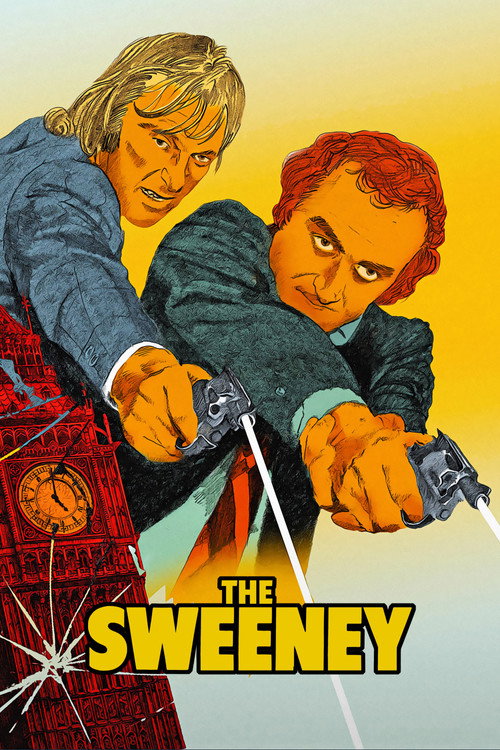
Jack Regan, an unethical officer of the Flying Squad, uses unorthodox methods to pursue criminals with the help of his partner, George Carter.
The Sweeney
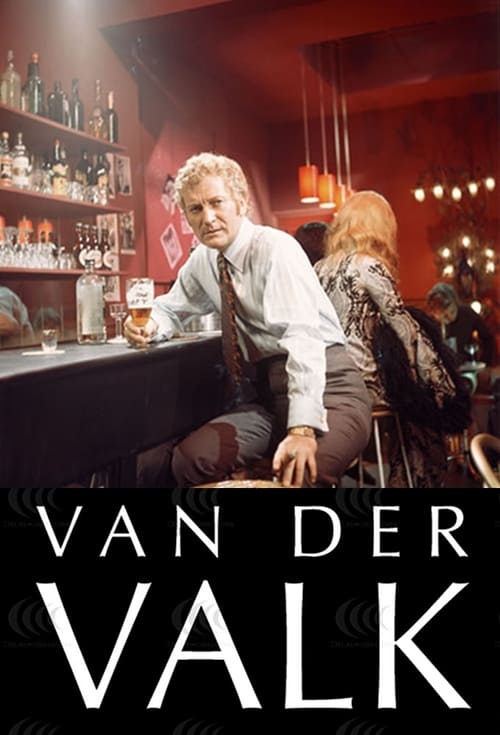
Van der Valk is a British television series that was produced by Thames Television for the ITV network. It starred Barry Foster in the title role as Dutch detective Commissaris "Piet" van der Valk. Based on the characters and atmosphere of the novels of Nicolas Freeling, the first series was shown in 1972.
Van der Valk
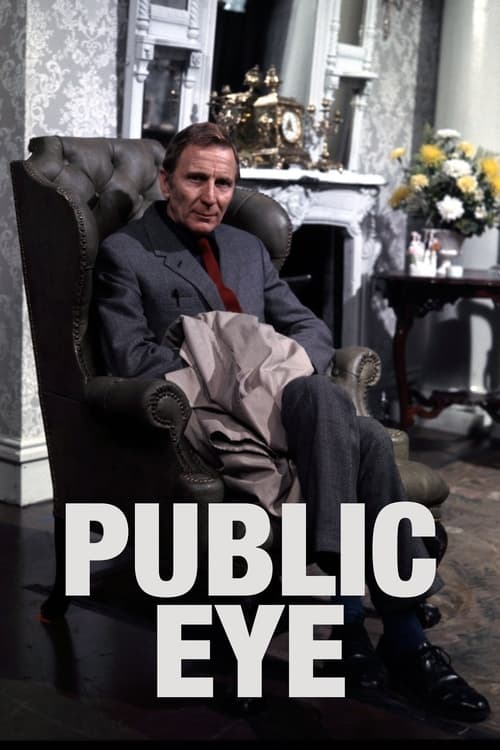
Public Eye is a British television drama broadcast from 1965 to 1975 on ITV1. Produced by ABC Television for three series, and Thames Television for a further four, the programme follows the investigations and cases handled by the unglamourous enquiry agent Frank Marker.
Public Eye
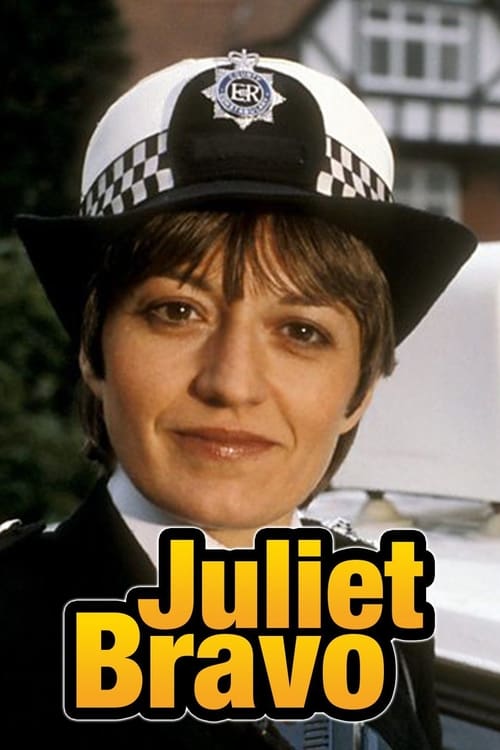
Juliet Bravo was a drama that focused on two female police inspectors, neither of whom were called Juliet Bravo! These two inspectors worked in the small fictional town of Hartley, Lancashire. Jean Darblay was on the scene first and had trouble with her sexist colleagues. However she soon managed to gain their trust and prove a woman could be a successful police officer and housewife. Jean's call sign was Juliet Bravo. When she was promoted and moved on she was replaced by Kate Longton who not only took over the patch but also the headaches that went with it.
Juliet Bravo

Whatever Happened to the Likely Lads? is a British sitcom which was broadcast between 9 January 1973 and 9 April 1974 on BBC1. It was the colour sequel to the mid-1960s hit The Likely Lads. It was created and written, as was its predecessor, by Dick Clement and Ian La Frenais. There were 26 television episodes over two series; and a subsequent 45-minute Christmas special was aired on 24 December 1974. The cast were reunited in 1975 for a BBC radio adaptation of series 1, transmitted on Radio 4 from July to October that year. In 1976, a feature film spin-off was made. Around the time of its release, however, Rodney Bewes and James Bolam fell out over a misunderstanding involving the press and have not spoken since. This long-suspected situation was finally confirmed by Bewes while promoting his autobiography in 2005. Unlike Bewes, Bolam is consistently reluctant to talk about the show, and has vetoed any attempt to revive his character.
Whatever Happened to the Likely Lads?
A series of dramas featuring staged theatre plays.
Theatre Night
From 1959 to 1961, the lives of five telephone operators in Derby.
The Hello Girls
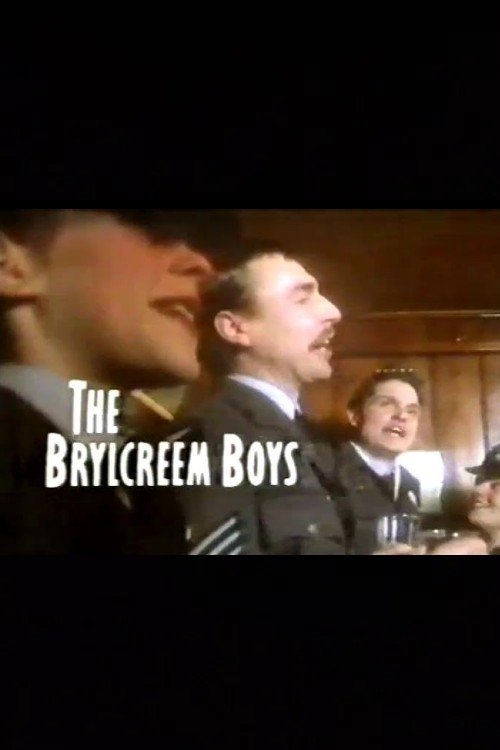
Cpl. George Hunn's sentry post is knocked over and he wakes to find he is suffering from frost bite of the face. Sent to hospital he is put on a ward with aircrew who have mental issues. He is trapped reenacting their missions at night.
The Brylcreem Boys
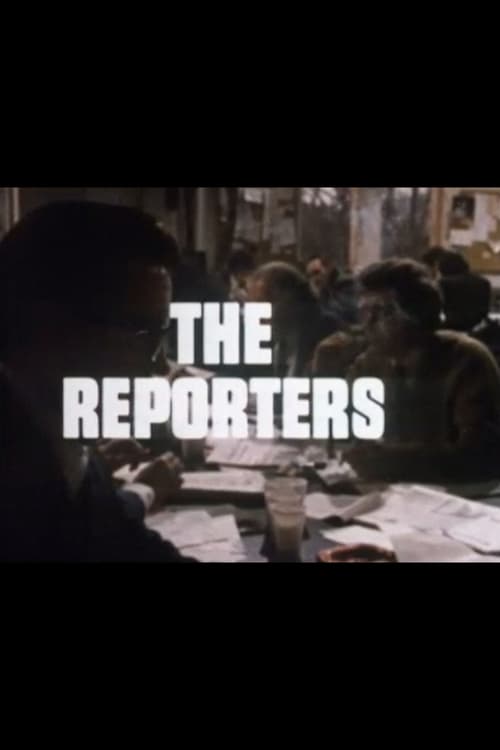
Two provincial newspaper reporters - one a young idealist starting out on his career, the other an embittered man who previously wrote for a failed national daily - swap views.
The Reporters
A small boy runs away from home for no apparent reason. The police find his body in London having died of exposure. Why did he leave home?
The Specialist

Intertwined story of the lives of two women; an Englishwoman suffering abuse from her violent husband, and a Russian poet serving hard labour because of her subversive work.
Small Zones

A man's life is turned upside down when he receives a mysterious photograph in the post.
A Photograph
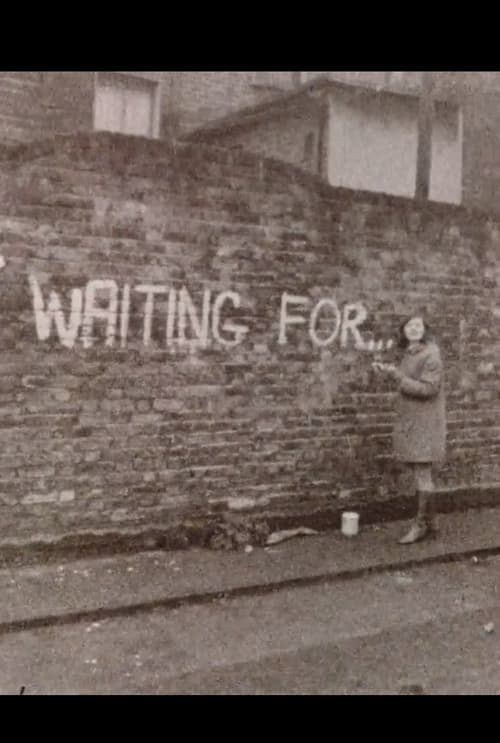
An ironic love letter to the British drama/documentary tradition.