Acting
A Fazenda is the current Brazilian version of the The Farm reality television show based on the Swedish television series of the same name that was originally created in 2001 by Strix and produced in association with Sony Entertainment and Endemol. The show is based on a group of celebrities living together twenty-four hours a day in a Farm, isolated from the outside world while having all their steps followed by cameras around-the-clock, with no privacy for three months. The contestants compete for the chance to win the grand prize by avoiding weekly eviction, until the last celebrity remains at the end of the season that can claim the grand prize. The show is presented by news reporter Britto Junior alongside actress Chris Couto and directed by Rodrigo Carelli. Record's website and a Record-owned pay-per-view channel offer round-the-clock coverage.
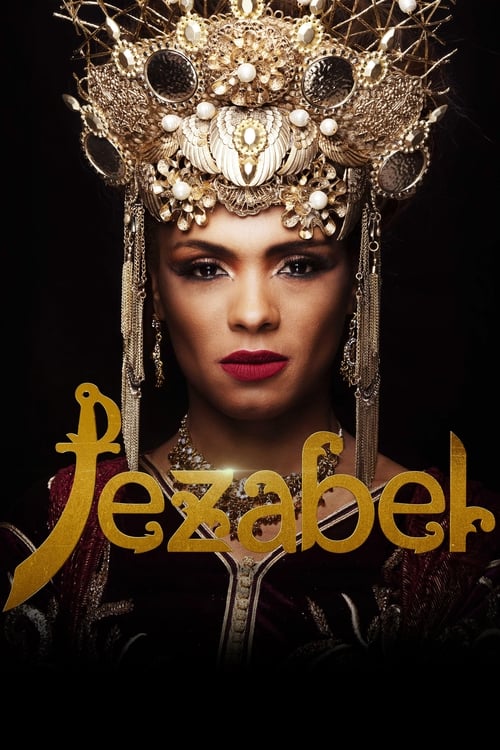
The story of Phoenician princess Jezebel, an idol worshipper who marries King Ahab and uses her beauty and wickedness to try to impose on the Israelite people the worship of her pagan gods.
No description available.
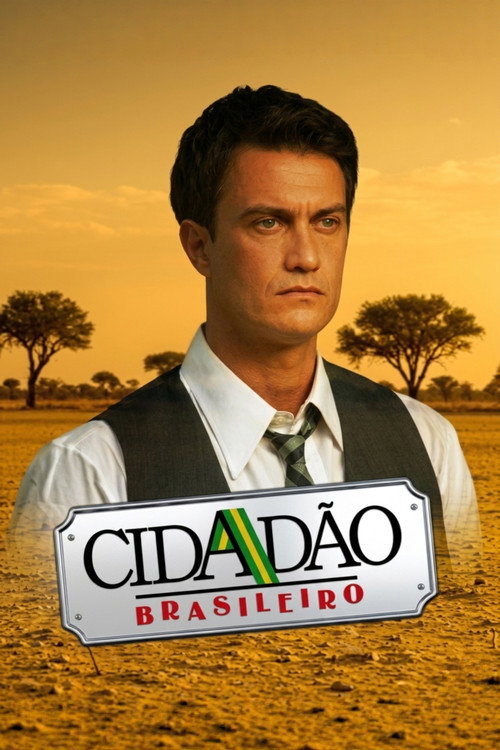
The colorful village of Santa Fé frequently has its peace disturbed by the conflicts between Colonel Epa and Pedro Falcão, an honest man involved in the city's politics.
A child star in the '80s, Samantha clings to the fringes of celebrity with hilarious harebrained schemes to launch herself back into the spotlight.
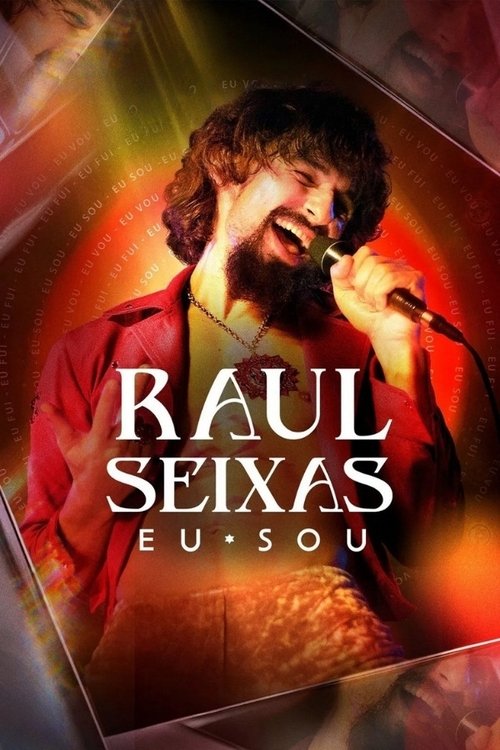
Raul Seixas abandoned his career as a music producer to become a singer, mixing rock with baião. He adopted a radical style and fell into addiction, but became a Brazilian rock icon.
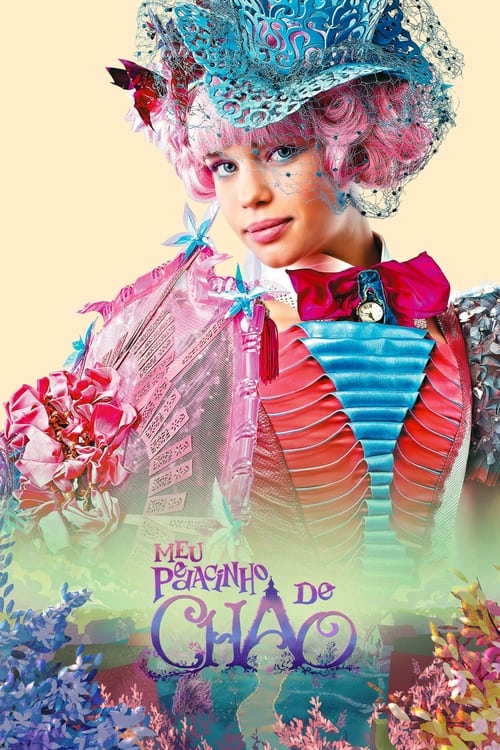
Dayse, a Brazilian playwright known as Cyclone, wants to study in Paris. Having a career in theater is unthinkable for a woman in São Paulo in 1918. But her director doesn’t want her to go, as he would lose his mistress and ghostwriter. When she becomes pregnant by him, her dream starts to fade. An artist’s struggle for self-determination in a patriarchal society, based on the true story of Daisy Pontes and modernist Oswald de Andrade.
By day, Olímpia runs the supermarket. By night, in the same space, Eraldo runs a samba school. With love and humor, they will go to great lengths to harmonize this unusual shared existence.
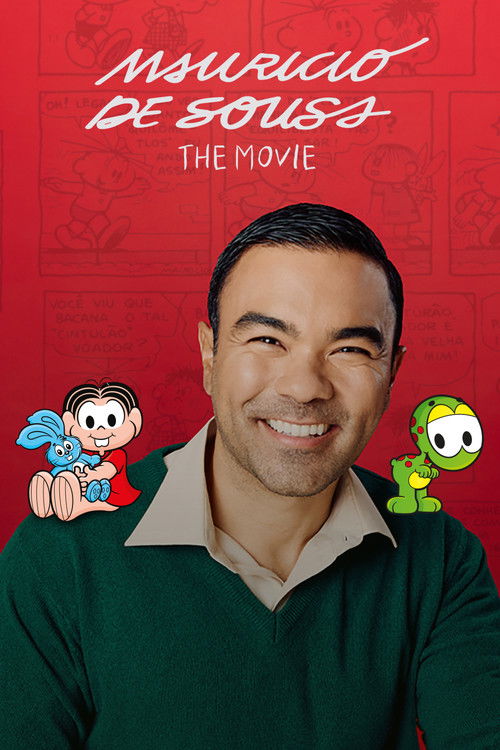
Discover the story of the father of the gang: Mauricio de Sousa, Brazil’s most important comic artist, and how he created his most famous characters. Responsible for bringing to life iconic figures that have marked generations, the film stars Mauro Sousa, the artist’s son. The production follows Mauricio’s journey from childhood, through his discovery and passion for comics, to the creation of a career once considered impossible and his adventures to make a living and achieve professional success.
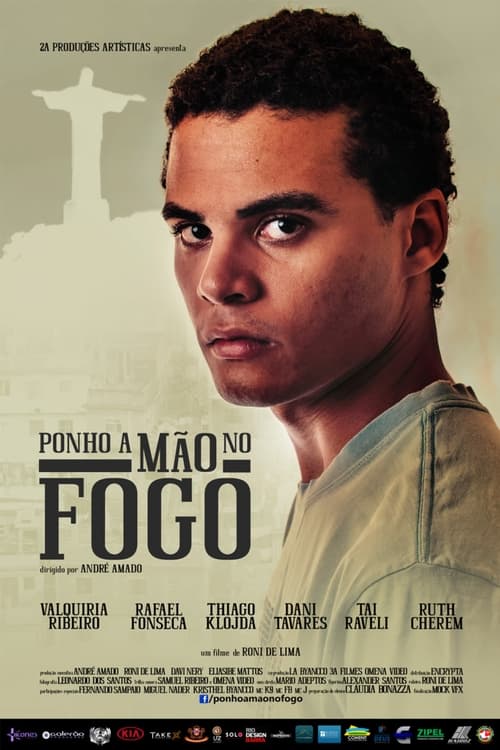
The drama recounts the need for dialogue and attention on raising children through their characters: three mothers and their children. Marcia (Dani Tavares) A high-class mother and married, who always had everything and provides the same for your child, Angela (Ruth Cherem) a single mother of middle class, which makes everything so that your daughter does not her make the same mistakes of the past and Deborah (Val Ribeiro Valquiria Ribeiro) a low-class mother abandoned by her husband, who struggles to raise your child the best possible way. What do these women have in common is the love for their children that make it able to do everything for them, but sometimes it takes more to save the family loose links. It takes great faith.
1980s. Brazilian television exploding in color and auditorium programs not so politically correct. In the middle of this fervor, Augusto Mendes, a young rising actor, seeks his place in the sun. From porn studios to soap operas, he finally finds success and fame when he becomes "Bingo", a TV host clown from one of the audience leader TV shows for children. It turns out that behind the rice powder and red nose, nobody knows who he is.
The documentary “Pagliacci” celebrates – in a poetic way – what it means to be a clown. The film addresses philosophical and symbolic questions about man’s need to laugh at himself. In a sensorial and emotional mix, the film starts from what is most human and true: laughter.
In order to recreate a picture taken in 1974, during the inauguration of São Paulo subway, Pedro meets two school friends he had not seen for 40 years. If their existential crises, ageing and (astray) ways were not enough, Pedro announces, to everyone's surprise, he intends to take his own life — even though not before he sees his soccer team win a championship.
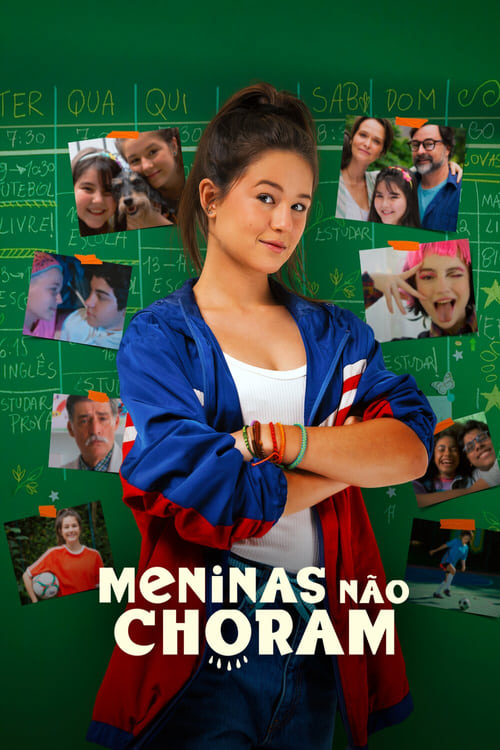
Diagnosed with leukemia, a vibrant, soccer-loving teenager enters the hospital, where she finds purpose in friendship and her example influences others.
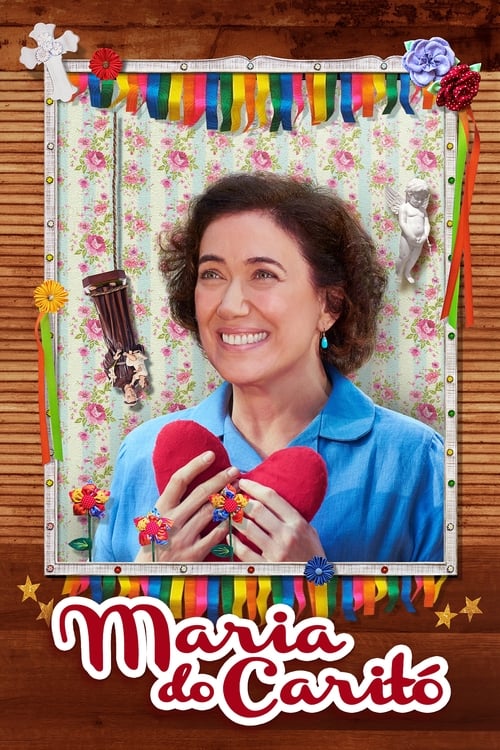
Maria, a virgin spinster, is trying magical superstitions to find a husband. In her dialogue with the marriage saint, she implores for a companion. Her father offered her as a bride to Saint Djalminha, if the saint saved her during her complicated birth which ended in the death of her mother. Since then Maria has lived this dilemma: revered and loved by the residents and pilgrims that believe she is a miracle worker; she is desperate to live a great love, with a flesh and blood prospect with real passionate desire. She asks for a sign from the heavens, a clue on how to find a crumb of love when a gypsy arrives on scene saying "someone who loves her very much, but she doesn't know will come from afar on an artists' caravan." Maria can't take the solitude she is living anymore and decides "to find Mr. Right," no matter how much it may cost.
After the sale of the Blessed school, Vitor tries to start his life over again and takes a vacation at his cousin's house. Arriving there, Vitor mysteriously disappears without leaving any trace. The residents of the house, worried, decide to look for their friend.