Ron Goldman
Writing
Known For
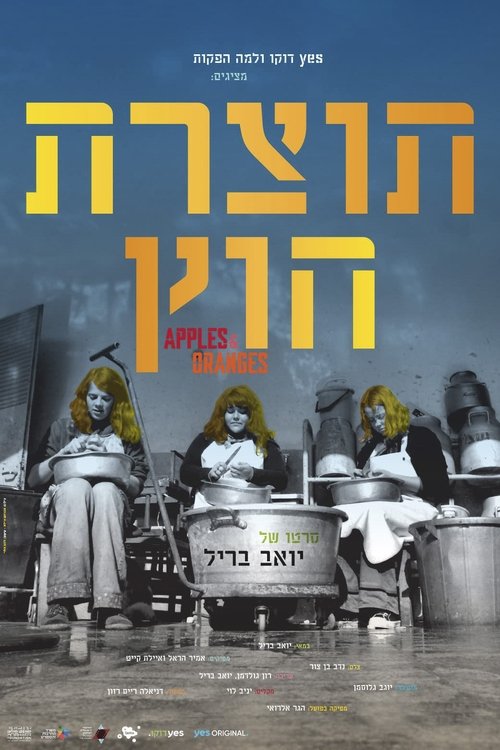
Kibbutz volunteering began in an eclipse. The idealistic and rebellious 1960s generation was charmed by the old communist ideology as it came to life in the Israeli Kibbutz. The 1967 Six-Day War attracted a wave of support for Israel that the Kibbutz Movement saw as a miracle. When travel agencies started selling “Kibbutz Volunteering” packages, it was clear that volunteering also became a profitable business. The Kibbutz found itself facing unfamiliar phenomenon – drugs, alcohol and marriage with non-Jewish volunteers.
Apples and Oranges
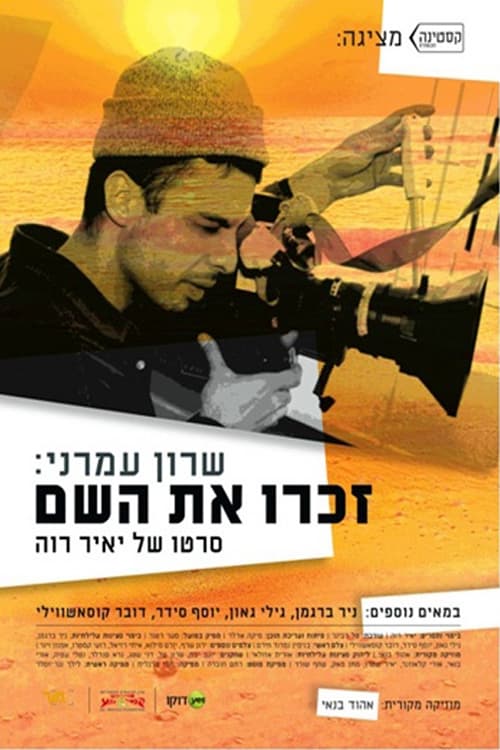
Raveh does not only document the past, he documents a future that will never be, and the films that Amrani did not live to create. Researching Amrani's documents, Raveh found several short screenplays, and sought out three directors of Amrani's generation to bring them to life. The short films are interwoven throughout the documentary - "The Boat", directed by Nir Bergman, "Albert and Ronit", directed by Dover Kosashvili, and "Sabbath Eve", directed by Joseph Cedar. The warmth, intensity and drama of family life; issues of Persian ethnicity; tradition and the desire to break away from tradition; the competition and camaraderie of boys and men; the search for love; a persistent spiritual search and a love of the sea - all these are reflected in the brief yet intriguing vignettes, imbuing the film with a sense of Amrani's vision as a filmmaker and how his presence might have influenced the Israeli film scene.
Sharon Amrani: Remember His Name
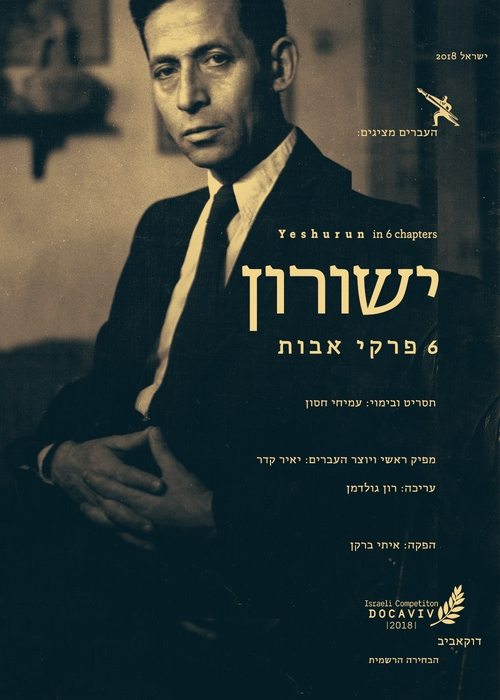
Who was Avot Yeshurun, also known as Yehi’el Perlmutter? The film travels between a biographical narrative and a portrait of his poetic life through the eyes of his daughter, Helit Yeshurun, who is joined by friends, literary critics, and poets.
Yeshurun in 6 Chapters

Jerusalem can rightfully be called the hat capital of the world. Whereas the rest of the world has allowed its hats to gather dust in the closet since the 1950s, Jerusalem still teems with hats and caps. From soldier to monk, everyone is identifiable by his hat. Director Nati Adler, who is neither religious nor a hat-wearer, explored the how and the why of the hats of Jerusalem. His colourful and personal trip takes us along the diverse headdresses of the three religions populating the city. What begins as an innocent exercise by a curious documentary filmmaker develops as it were into a Pandora's box full of stories and history lessons. Every answer evokes new questions. Why do people in Jerusalem wear so many hats, what is a shtreimel, why don't Armenian Christians use their Turkish hats in their ceremonies, and why do women actually have to cover their heads?
Hats of Jerusalem
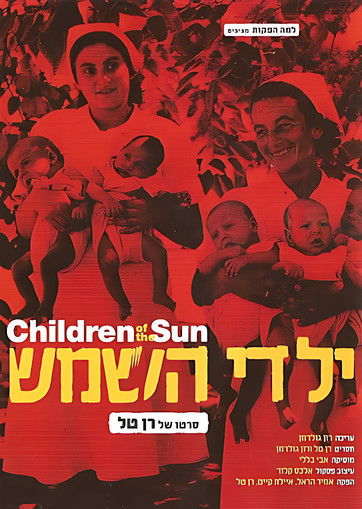
A documentary on how children are conforming to living in an Israeli kibbutz.
Children of the Sun

A stormy night in the house of persian israelis begins when their beloved cousin escapes from prison