Acting
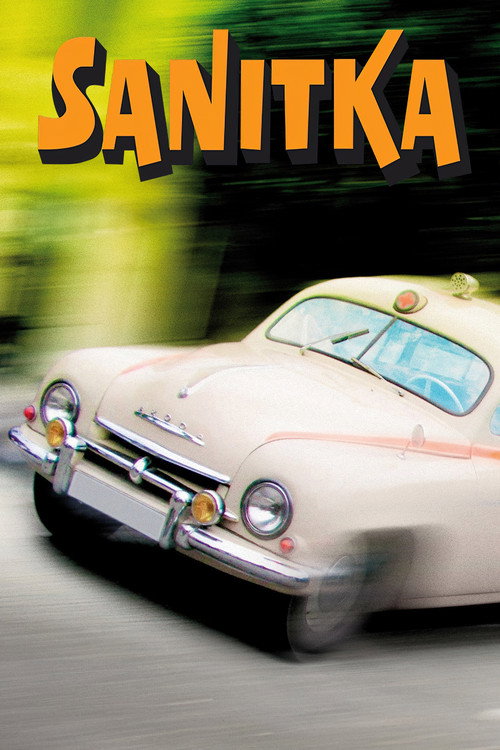
Sanitka was a Czech television, drama series, first broadcast in 1984 and eleven episodes were made. It starred Jaromír Hanzlík, Tomáš Juricka and Zlata Adamovská among others.
No description available.
A story of a little girl Verka and her life during the beginning of WWII. Based on Vera Sládková novels.
Three pensioners, three Josephs, living on a housing estate, are bored. They have nothing to do, so they make up all sorts of alliterations and tease each other. When one of them is approached by a neighbour, he asks if he can find out who is borrowing her bicycle from the carriage shop. He finds out it's a little boy who doesn't have a dad, and his mom doesn't have money for a bike. So he borrows the bike and always leaves it somewhere on the estate. The pensioners feel sorry for the boy, so one of them takes the blame and offers to be the boy's mum's surrogate grandparents.
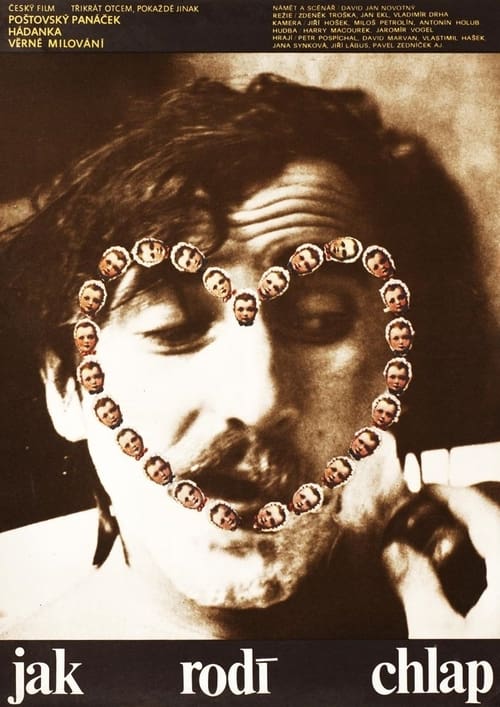
The hero of the opening story, the Postman Puppet (directed by Zdeněk Troška), works as a postman in the mountains. When his wife is taken to the maternity ward, he goes on his usual hike through the solitudes. Little Libor goes after the father of two girls (Petr Pospíchal), who longs for a son. Meanwhile, the weather on the ridges worsens sharply. An experienced mountaineer and his little friend spend the night in a makeshift shelter... The second episode of Hádanka (directed by Jan Ekl) has a criminal plot. A new father (Vlastimil Hašek) gets drunk with friends in a wine bar and the next day becomes a suspect in a murder. He doesn't remember the critical moments, but his testimony leads to the capture of the real perpetrator... The main character of the final short story True Love (directed by Vladimír Drha) is a frat boy (Pavel Zedníček) who spends whole days in pubs. He gets a harsh lesson from his wife, who refuses to let him see the baby...
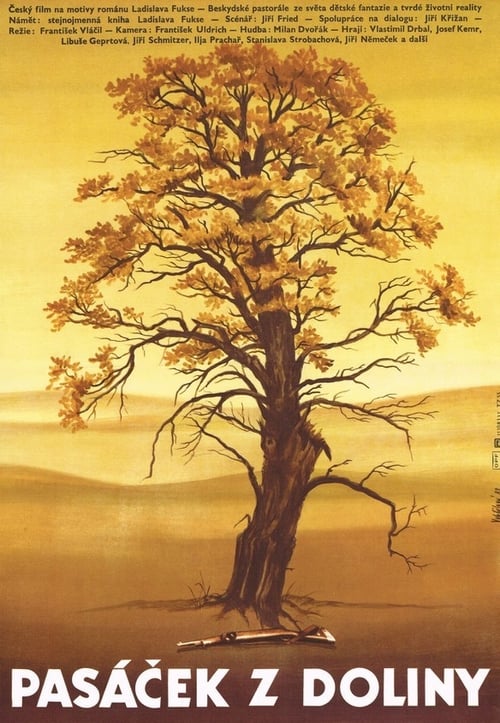
In 1947 by the Beskid mountains, the traces of war still linger, destroyed tanks dispersed throughout the farmland creating an eerie backdrop. This film follows a ten-year-old boy and the strange visions he encounters, his world of fantasy exacerbated with ample time, space, and a lack of companionship or guidance. We see the adults that influence and dominate his life, for better or for worse. Surreal and packed with an excellent study of human emotions and motivations compounded by their rural, isolated vacuum of a town, this is a timeless and severely underrated film from a brilliant Czech director.
Getting out of prison doesn't mean being free. After the bloody suppression of the Prague Revolution in 1848, one of its participants, the writer František Vinický, spent eight years in prison. Returning to Prague in 1857, he tries to make contact with his former friends. The main one is his former comrade-in-arms Antoš. Of course, the man's steps also lead him to his former love Ida, who has been married to the councillor Mayer for several years. Vinicky is followed at practically every turn by the secret police, who will not allow him to get a decent job, let alone publish his new book. Police Councillor Berger makes it clear to the writer that a lot could be arranged if Vinicky would commit to cooperating...
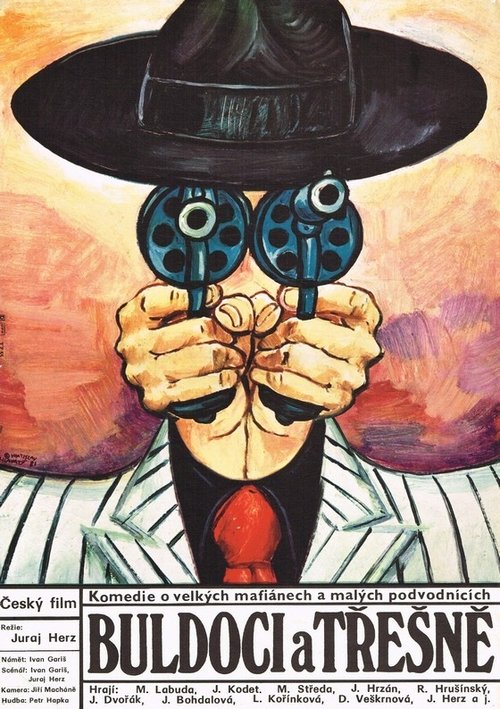
The dreaded Italian mafioso, Marian Labuda, will also be convinced. Mafioso Carmello was guilty of the principles of his organization when he tried to fool the boss and earned a death sentence. The convict runs away from the killer through Vienna to Prague, which his Austrian colleague in crime recommended as a safe hiding place. None of them knows that the Czechs learned so much tricks under real socialism that a seasoned Italian professional is not enough to watch.
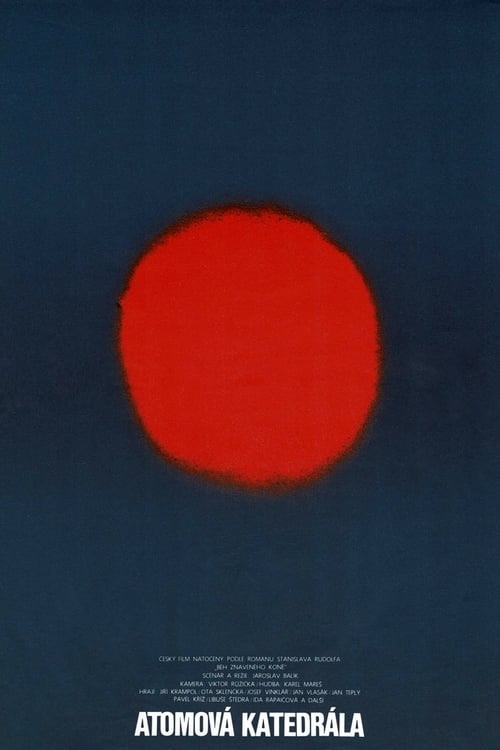
The construction of a gigantic facility such as the Dukovany nuclear power plant requires only the most capable experts. Such is the engineer Hlaváč, who has been involved in the project from the very beginning as a construction manager. He has to deal with many problems, especially the lack of manpower. He is unfairly demoted to a lower position due to the intrigues of his subordinates and the alibi of the management, but time proves him right and by the time the plant is inaugurated, he is once again the main manager. But the demanding job takes its toll, his heart cannot withstand the frantic pace of work...
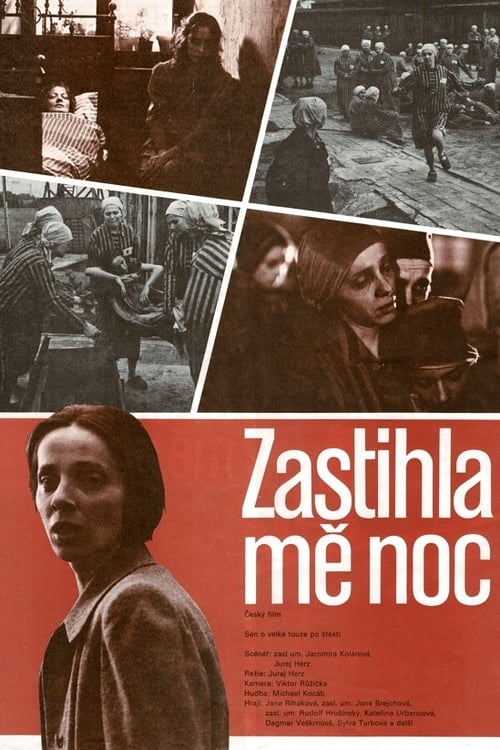
A communist journalist from Prague is sent to Ravensbruck concentration camp.
The historical television play was written based on Vančura's Pictures from the History of the Czech Nation and takes place against the backdrop of the European situation at the beginning of the thirteenth century. Přemysl Otakar I., father of Agnes of Přemyslid, sought recognition of the Czech lands as a hereditary kingdom. And what about his love and fickleness? The story will answer this, in which poetry and truth diverge only in the degree of emotional movements, in the tremors of souls, which lead to love as well as to hatred.
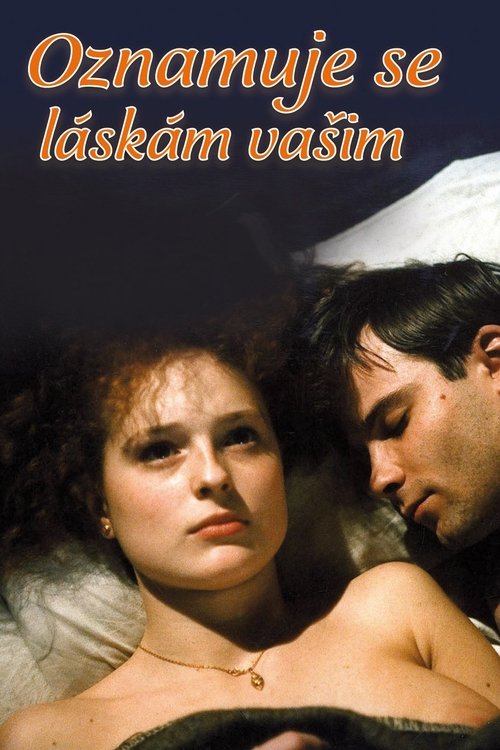
A sad story about love between Czech boy and German girl during 1944.
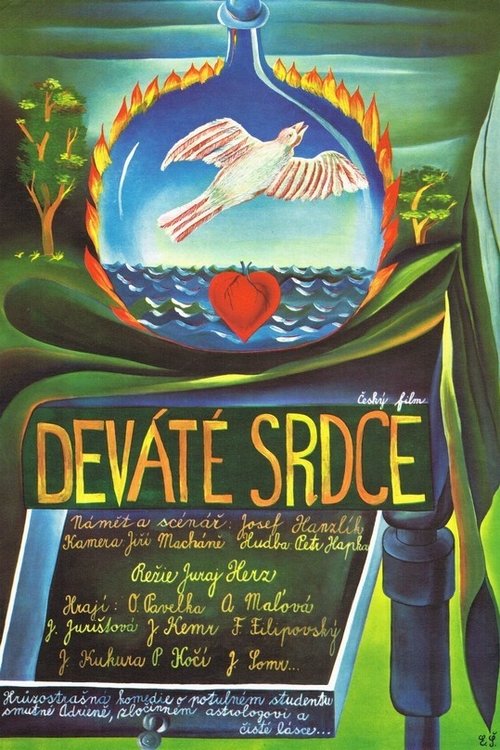
Martin, a poor student, volunteers to go on a quest to find a cure for the princess Adriana, who is stricken with a strange illness. Unknown to Martin or anyone else, the princess is actually under the spell of the powerful magician Andlobrandini, who is preparing a rejuvenating elixir made from the blood of nine men's hearts.
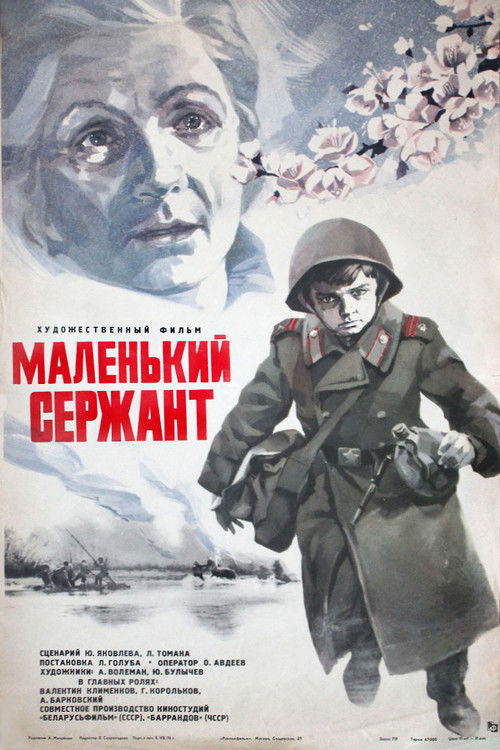
The ten-year-old orphan Borisek is fathered by the entire military unit. The boy serves there with determination as a medic. When he and the soldiers reach Bohemia, he meets the mother of the soldier he saw die, but for a long time he does not find the courage to tell her the cruel truth...
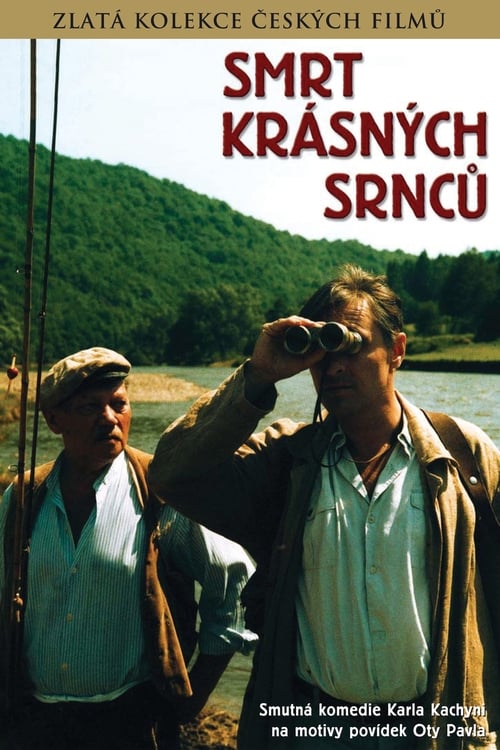
Leo Popper is a happy family man living in rural Bohemia in the years preceding the Nazi invasion. Out of economic necessity he moves with his family to the big city and becomes an enterprising vacuum cleaner salesman. There he embarks on a series of adulterous adventures, has encounters with boxing pros and famous portrait artists, and schemes to purchase the perfect pond to fulfill his passion for fishing. When the Nazis gain control, the comedy turns sour - he loses his lake, his job, and finally, his family.
In the second half of the 1980s, so-called critical films began to emerge, but they were afraid to make a sharper statement, moving on the basis of an engaged morality that wanted to improve the existing conditions cosmetically at best. The theme of the search for a new anchor in life becomes a central element: the protagonist, after returning from the war, does not want to devote himself to the constraints of elite sports, he rejects the dubious business of a friend. Most of all, he would be attracted to a perfectly ordinary job in a bakery. The dance clip inserts, however, make it difficult to navigate the already rather confusing narrative.
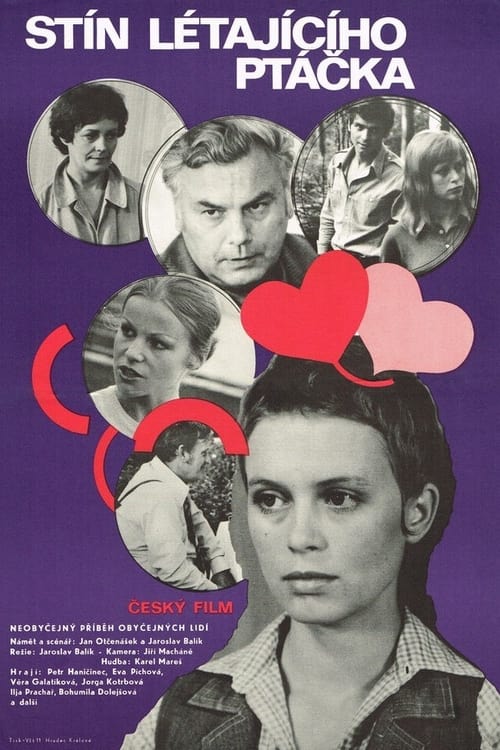
It doesn't help to have an exacerbated situation like a family losing their only son - killed in a motorcycle accident. His parents, however, don't know the girl who survived, now being treated at a local hospital. Especially the honest and principled father, presented as a model worker and responsible official, cannot come to terms with her superficiality and carelessness, with her dubious life values...