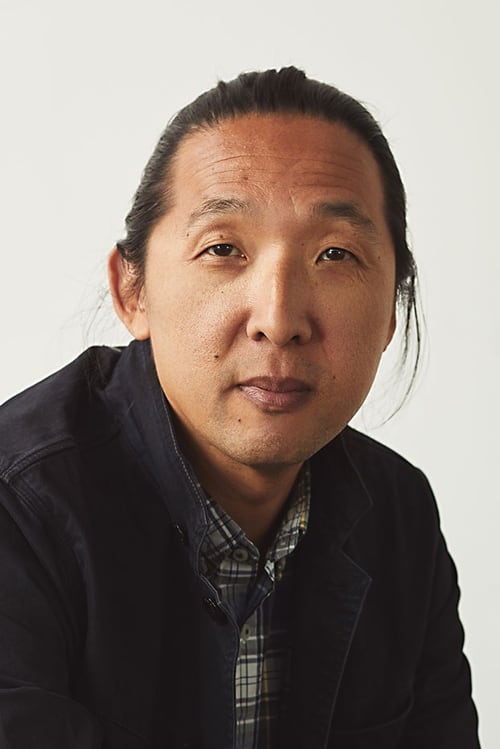
Kogonada
Directing
Biography
Park Joong Eun (Korean: 박중은), known professionally as Kogonada, is a South Korean-born American filmmaker. He is known for his video essays that analyze the content, form, and structure of various films and television series. The essays frequently use narration and editing as lenses and highlight a director's aesthetic. Kogonada regularly contributes to Sight & Sound and is often commissioned by The Criterion Collection to create supplemental videos for its home video releases. He has also written, directed and edited the feature films Columbus (2017) and After Yang (2021). He also directed two episodes of the Star Wars Disney+ series The Acolyte (2024).
Known For
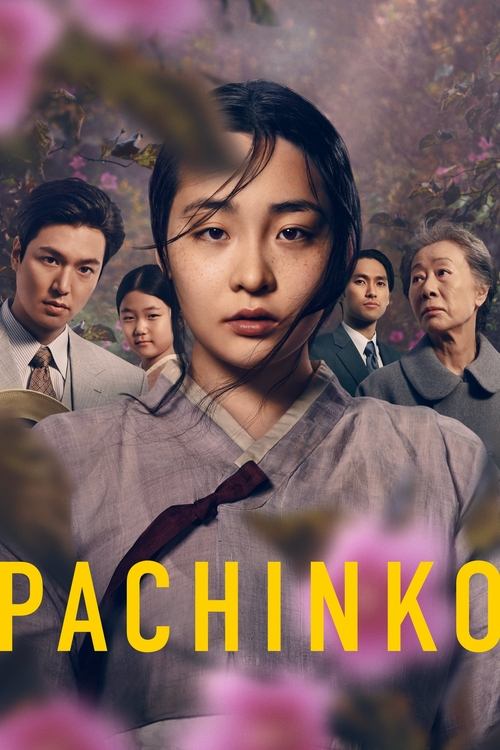
This sweeping saga chronicles the hopes and dreams of a Korean immigrant family across four generations as they leave their homeland in an indomitable quest to survive and thrive.
Pachinko
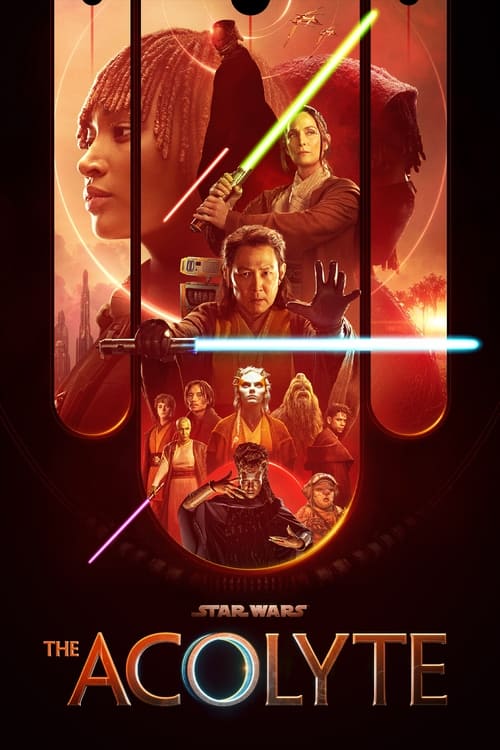
A hundred years before the rise of the Empire, the Jedi Order and the Galactic Republic have prospered for centuries without war. During this time, an investigation into a shocking crime spree pits a Jedi Master against a dangerous warrior from his past.
The Acolyte
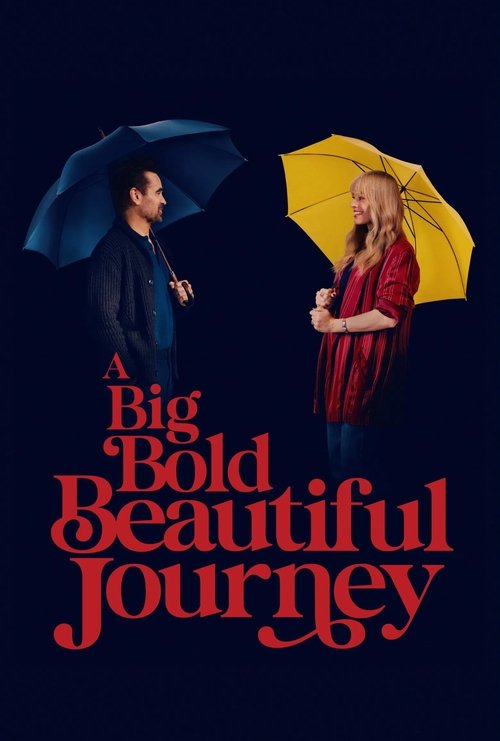
Sarah and David are single strangers who meet at a mutual friend’s wedding and soon, through a surprising twist of fate, find themselves on a funny, fantastical, sweeping adventure together where they get to re-live important moments from their respective pasts, illuminating how they got to where they are in the present... and possibly getting a chance to alter their futures.
A Big Bold Beautiful Journey
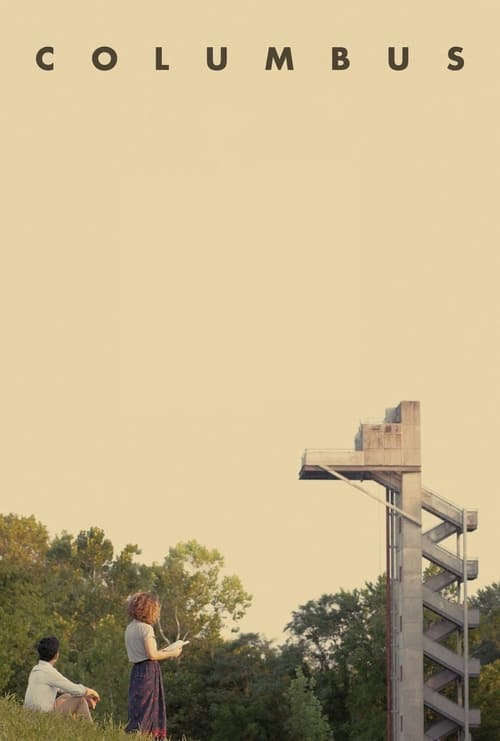
When a renowned architecture scholar falls suddenly ill during a speaking tour, his son Jin finds himself stranded in Columbus, Indiana - a small Midwestern city celebrated for its many significant modernist buildings. Jin strikes up a friendship with Casey, a young architecture enthusiast who works at the local library.
Columbus
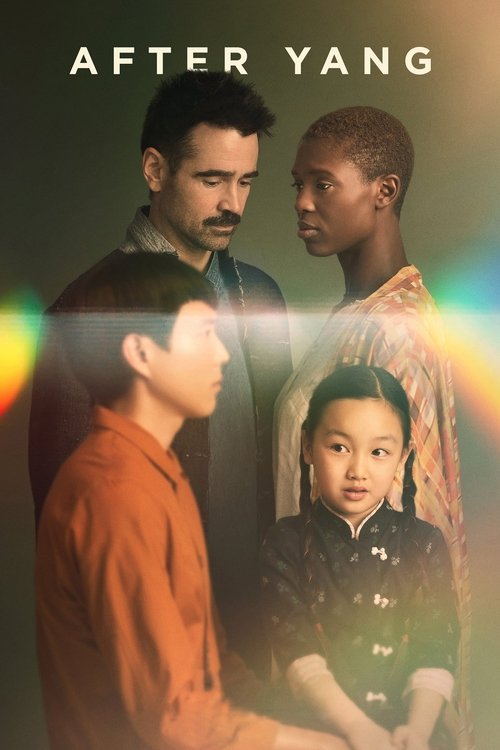
When his young daughter's beloved companion — an android named Yang — malfunctions, Jake searches for a way to repair him. In the process, Jake discovers the life that has been passing in front of him, reconnecting with his wife and daughter across a distance he didn't know was there.
After Yang
Video Essay on King of the Hill
Against Tyranny: Video Essay on King of the Hill
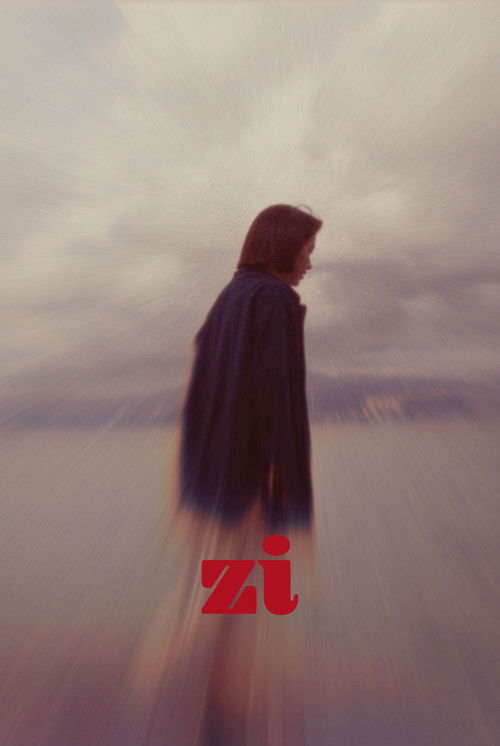
In Hong Kong, a young woman haunted by visions of her future self meets a stranger who changes the course of her night -- and possibly her life.
Zi
Founded by Richard Linklater in 1985 as a screening series dedicated to bringing experimental and art cinema to the city of Austin, Texas, the Austin Film Society has grown into a cornerstone of the city's creative community - while remaining true to its edgy, eclectic roots.
Art-House America: Austin Film Society
If cinema is the art of time, Linklater is one of its most thoughtful and engaged directors. Unlike other filmmakers identified as auteurs, Linklater’s distinction is not found on the surface of his films, in a visual style or signature shot, but rather in their DNA, as ongoing conversations with cinema, which is to say, with time itself. A visual essay produced by Sight and Sound.
Linklater: On Cinema and Time
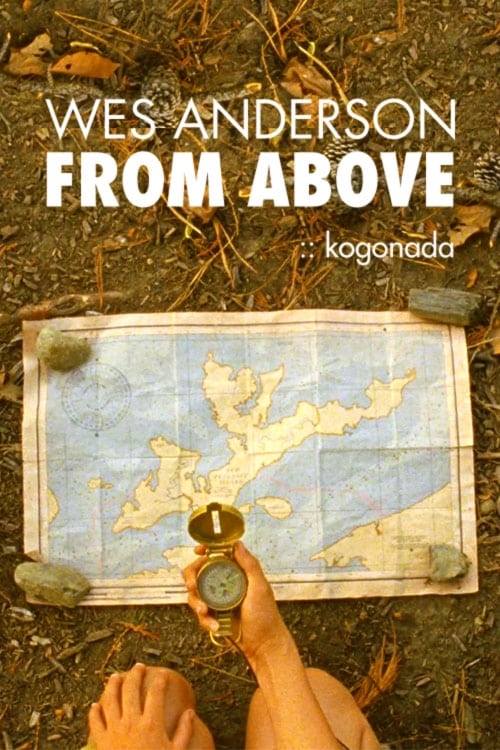
A visual essay that highlights top-down shots from Wes Anderson's filmography.
Wes Anderson: From Above
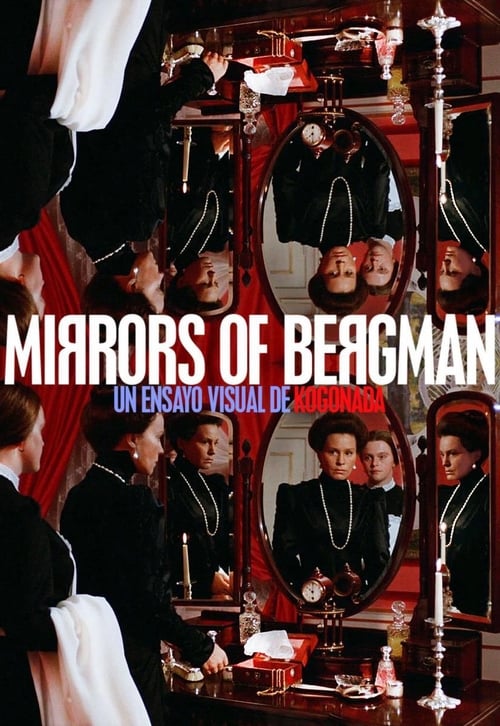
Filmmaker Kogonada reflects on women and mirrors in the films of Ingmar Bergman.
Mirrors of Bergman
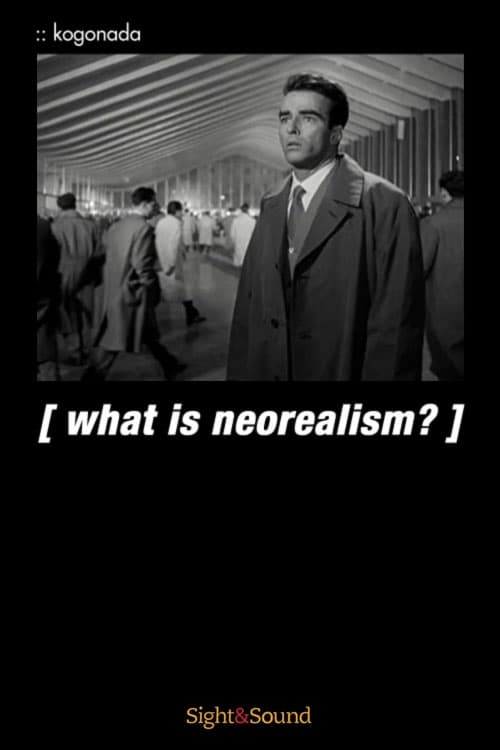
Filmmaker Kogonada unpicks what defines the Golden Age of Italian cinema with a side-by-side comparison of two edits of the same film, one according to Italian director Vittorio De Sica, and the other according to Hollywood producer David O. Selznick.
What Is Neorealism?
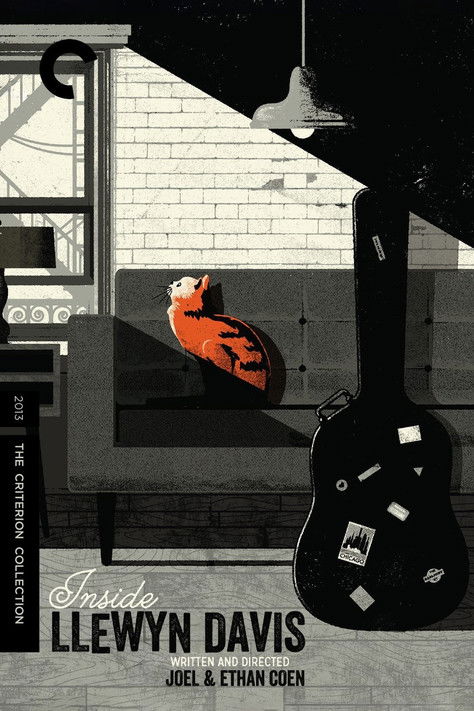
In this brand new featurette, executive producer T Bone Burnett and the Coen brothers discuss the history of some of the songs that heard in Inside Llywin Davies and possible origin of the stories they tells, the folk movement during the 1960s and the social and cultural ideas that it represented, the authenticity and the identity of folk music and the balance between the two, the future of folk music, etc. Included with the featurette are illustrations by Drew Christie. The featurette was created exclusively for Criterion in 2015.
The Way of Folk
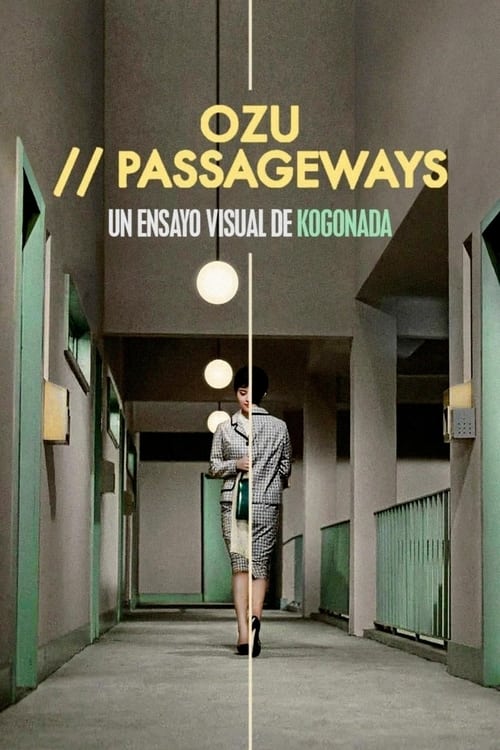
People constantly appear walking through passageways in the films of Japanese filmmaker Yasujirō Ozu (1903-63). His art resides in the in-between spaces of modern life, in the transitory: alleys are no longer dark and threatening traps where suspense is born, but simple places of passage.
Ozu: Passageways
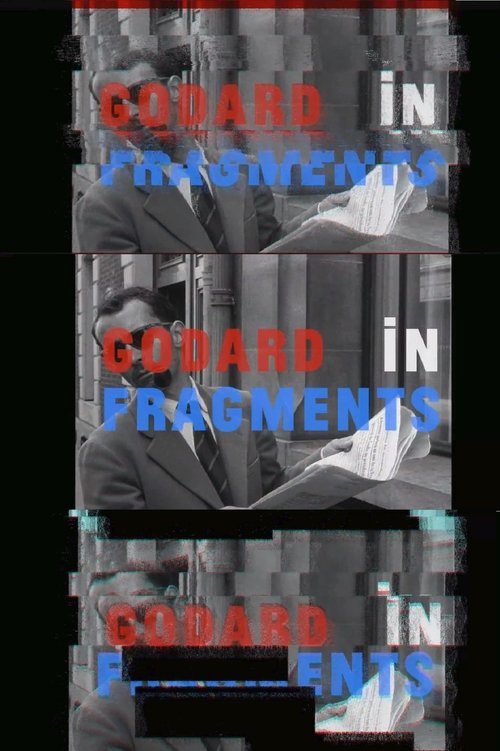
In the 1960s, pioneering French New Wave filmmaker Jean-Luc Godard introduced the world to a new cinematic lexicon, generated from his innovative, auteurist style. Between 1960 and 1967 alone, he made fifteen features (beginning with his groundbreaking début, Breathless)—and it’s this period that regular Criterion Collection contributor Kogonada explores in a new video essay highlighting the iconic director’s signature themes and devices.
Godard in Fragments
40,000 years in the making: Kogonada's video essay created for The Connected Series.
Elemental
Kogonada's video essay made in conjunction with the release of Criterion Designs, a 300-page book, which features highlights from cover art commissioned by the Criterion Collection, including never-before-seen sketches and concept art.
Criterion Designs
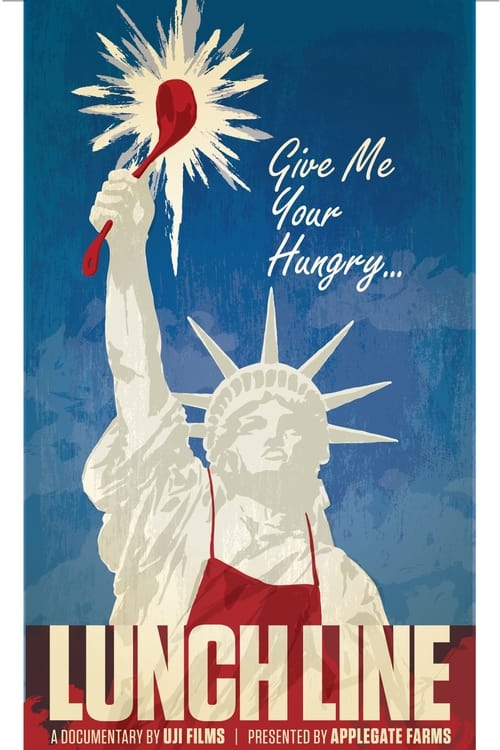
Reframes the school lunch debate through an examination of the program's surprising past, uncertain present, and possible future. Six kids from one of the toughest neighborhoods in Chicago set out to fix school lunch and end up at the White House. Their unlikely journey parallels the dramatic transformation of school lunch from a weak patchwork of local anti-hunger efforts to a robust national feeding program. The film tracks key moments in school food and child nutrition from 1940s, 1960s, and 1980s to the present – revealing political twists, surprising alliances, and more common ground than people realize.
Lunch Line
In 1993, the original negatives of Satyajit Ray’s The Apu Trilogy were burned in a massive nitrate fire at a laboratory in London. Even though there were no technologies available at the time capable of fully restoring such badly damaged film elements, the Academy Film Archive held on to them. And now times have changed.
Restoring the Apu Trilogy
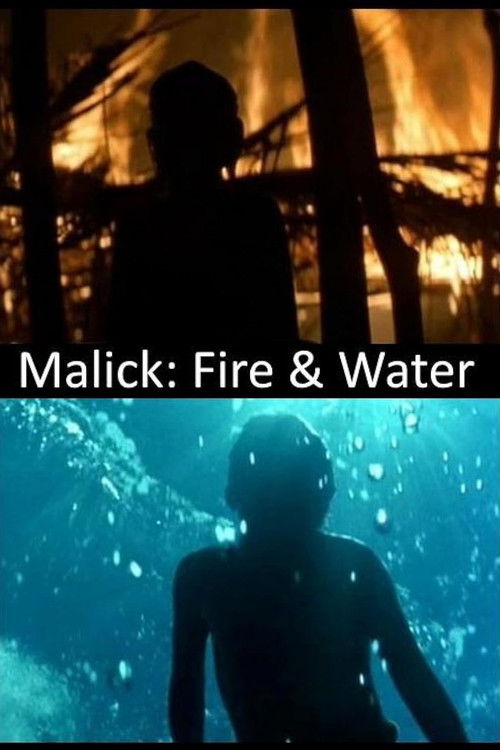
Of all the recurring signatures of Malick, his use of fire and water might be the most telling, in part because there’s a significant shift between early Malick (Badlands & Days of Heaven) and later Malick (The Thin Red Line, The New World, The Tree of Life & To the Wonder). Early Malick favors fire. Later Malick favors water. In To the Wonder, Malick forgoes fire altogether for the first time in his career. Water reigns.