Acting
No description available.
Helena is an independendent woman with strong emotions. More than a dedicated mother, she is also a friend to her daughter. Her daughter is experiencing difficulties in her marriage with Marcelo because of his renewed interest in a formoe girlfriend. Marcelo‘s mother deslikes Helena and would like nothing better to see her son‘s marriage destroyed. Helena starts her life over again when she falls in love at first sight with Atilio, whom she marries. Although of poor health, her daughter wants to have a baby, believing that by fulfiling her husband‘s dream, she can save her marriage. As fate would have it, mother and daughter fall pregnant at the same time, each giving birth to a boy.
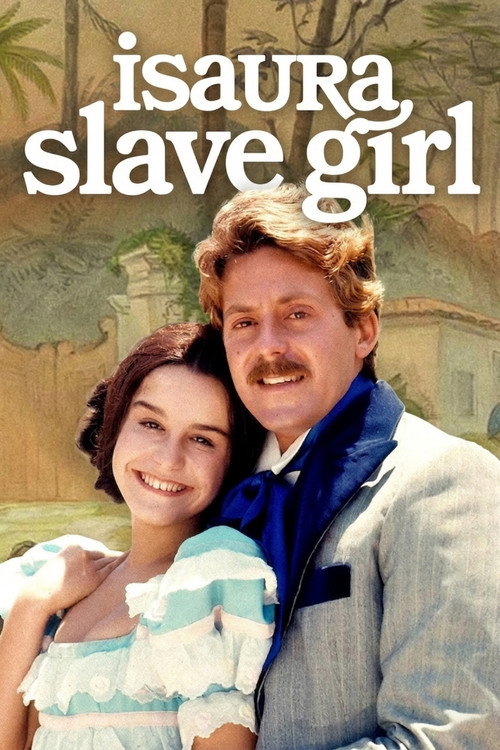
Set in 19th-century Brazil during the waning years of slavery, Escrava Isaura tells the story of Isaura, a white-skinned enslaved woman raised with the manners and education of a noble lady. Though treated with affection by her mistress, Isaura remains legally enslaved and becomes the object of obsessive desire by Leôncio Almeida, the cruel heir to the plantation. After the death of her protector, Isaura falls under Leôncio’s control. Despite his attempts to seduce and dominate her, she resists, determined to preserve her dignity and freedom. Her father, Miguel, helps her escape to Recife, where she adopts a new identity and meets Álvaro, a wealthy and principled abolitionist who falls in love with her. Leôncio eventually tracks her down, leading to dramatic confrontations. In the end, Álvaro rescues Isaura by purchasing Leôncio’s debts, securing her freedom and affirming the story’s central themes of justice, love, and resistance against oppression.
Childhood friends Cidinha and Leda follow opposite paths, but envy the life the other has chosen. Belo's love and custody of their daughter lead them into a competition.
A down-on-her-luck former inmate tries to reconnect with her daughter--to the objections of her sister who raised the girl, meets a millionaire, and transforms into a strong woman, returning to society at Dancin' Days nightclub's opening.
Romantic and dreamy, Eliana works at a five-star hotel and becomes involved with unrequited love, a bumbling gang, and a complex police story.
Monarchists and republicans meet in Araruna, a small fictional town in the interior of São Paulo, in 1886. The novel portrays the love story of the beautiful and wealthy Sinhá Moça - daughter of the slave, Barão Ferreira de Araruna, and sweet and submissive Mother Candida - , with the young abolitionist lawyer Dr. Rodolfo Fontes - son of Dr. Fontes, and the housewife Inêz. Together, they face the difficulties in the campaign for the abolition of slaves.
Brasil República, 1918. Luís Jerônimo is a rich young man. Womanizer, spends all night on the street drinking and having fun with prostitutes, the boy finds out that he has an injury to his right lung. Advised by Edmundo Esteves, his doctor, he decides to spend a season at a cousin's farm in the small town of Vila da Mata in Espírito Santo, in search of fresh air, to prevent the disease from developing into tuberculosis.
In São Francisco das Formigas, women led by Léo challenge the power of Mayor Juca Tigre to emancipate the village and achieve economic and social autonomy.
Set in Poços de Caldas, Minas Gerais, the story shows how Pardal and Bebel, young people newly arrived in the city, fall in love. However, each hides their true identity from the other.
Antônio is on his deathbed after helping a Black man escape his own father's plantation. Before dying, Antônio asks his father, Judge Queiroz Antunes, to raise the young enslaved boy, Bento, as his own son.
Stahlkammer Zürich is a German television series. Polish composer Joanna Bruzdowicz together with her husband, Horst-Jürgen Tittel, former top advisor to the president of the European Commission. Together, they created this 36-episode series. Bruzdowicz wrote over 15 hours of music for this series.
The miniseries addresses the struggle of Pedro Arcanjo, guided by Magé Bassã, his holy mother, to protect African culture and integrate it into Brazilian society, creating a new culture. The plot takes place in the Bahian setting filled with the stories of the characters who intersect in Arcanjo's struggle: the friendship with Mestre Lídio, shaken when Rosa de Oxalá, his wife, falls in love with Archanjo; loves prohibited by the incompatibility of saints; the fight against the intolerance and racial prejudice of those in power.
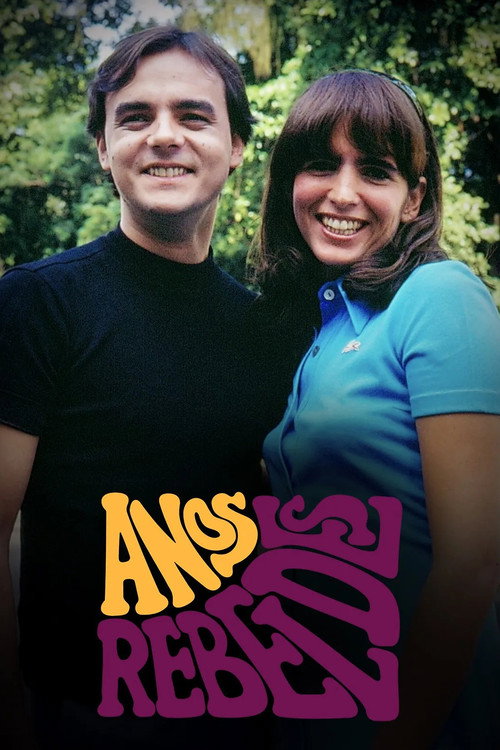
Mini series about the 1960s in Rio de Janeiro, when a politically engaged student falls in love with a left wing journalist's daughter who doesn't care for politics. The romance follows 15 years of Brazilian history, since President João Goulart deposition by military reactionary forces, until the first signs of restoration of democracy, in the 1980s.
A Brazilian theatre group that through talent, irony and humour confronted the Brazilian violent dictatorship in the 1970s revolutionising the gay movement worldwide and changing theatre and dance language to an entire generation.
The story begins when the police find a murdered young woman and link the crime to the activities of a drug gang. One of the central characters of this gang is Lucien, protagonist of the miniseries. He is one of the main mafia leaders in the country and the son of the powerful boss of União Corsa. Lucien disputes authority within the organization with Lorenzo, his antagonist. Still in the first chapter, Lucien meets the model Heloísa. The young woman comes from a middle-class family and dreams of social mobility. He falls madly in love with her, and the two begin a rapturous romance.
Three young Brazilian try to help a terminally ill woman who lives in the slums of Rio de Janeiro. Their youthful idealism is shattered with the cruel reality of police brutality.