Jerome Hiler
Directing
Biography
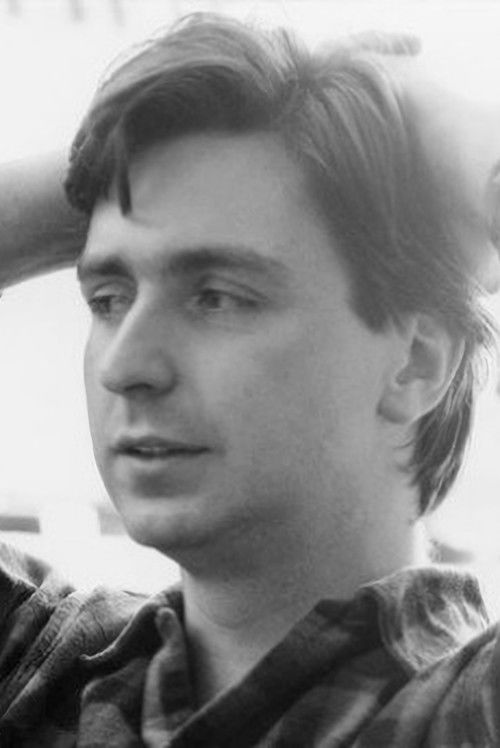
Jerome Hiler began his creative life as a painter and was a student of Natalia Pohrebinska at Pratt Institute. Within a few years, Mr. Hiler became enthralled with the visual and poetic possibilities of 16mm experimental film. In particular, his encounter with the films of Marie Menken, Gregory Markopoulos and Stan Brakhage deeply affected his own artistic path. It completely changed the focus of his creative energies and led to decades of work as a filmmaker. For most of his life, Mr. Hiler only screened his work among his circle of friends. However, from 1995 on, his work has been seen more publicly. He has shown his films at London's LUX film series, the San Francisco Film Festival, many seasons at the New York Film Festival, the London Film Festival and was selected by the Whitney Museum of American Art to participate in the 2012 Biennial for a week of screenings. Throughout his career, Mr. Hiler has also worked on feature films and documentaries. In the documentary field, he has worked either as photographer, editor or director and, occasionally, all three. Mr Hiler also works in the field of stained glass, which he considers a sister-art to film. Under the title CINEMA BEFORE 1300, he has presented slide lectures on medieval glass, culled from his extensive collection of photographs on the subject at the Yerba Buena Center for the Arts, Princeton University and The Art Gallery of Toronto. Mr. Hiler brought his love of classical music together with film in working as co-director on MUSIC MAKES A CITY.
Known For
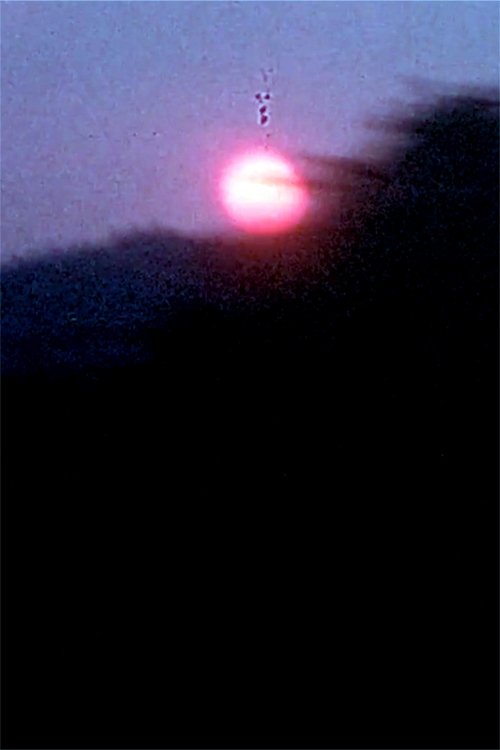
Stoned people, music, movement, fields.
Letter to D.H. in Paris
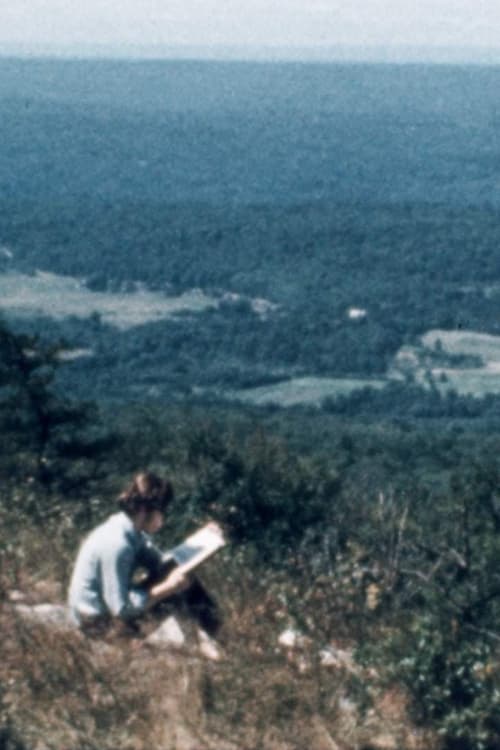
Initially titled "Books for all". A moving institutional commission in which the filmmakers lovingly portray New Jersey's public library system.
Library
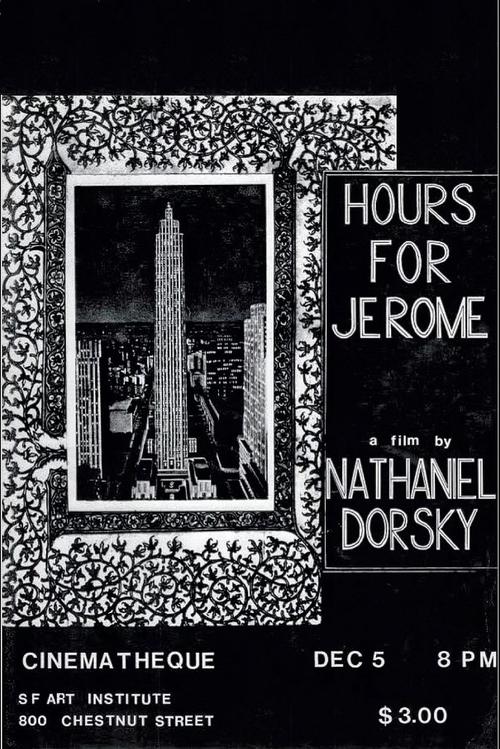
The recording of the daily events of Dorsky and his partner, artist Jerome Hiler, around Lake Owassa in New Jersey and in Manhattan. The two parts of the films revolve around the four seasons with the first part revolving around spring through summer, while the second part revolves around fall through winter.
Hours for Jerome
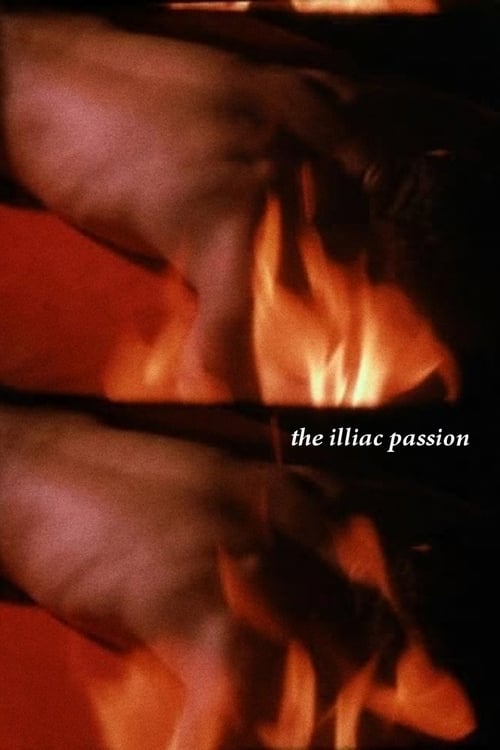
Prometheus, on an Odyssean journey, crosses the Brooklyn Bridge in search of the characters of his imagination. After meeting the Muse, he proceeds to the "forest." There, under an apple tree, he communes with his selves, represented by celebrated personages from the New York "underground scene" who appear as modern correlatives to the figures of Greek mythology. The filmmaker, who narrates the situations with a translation of Aeschylus' Prometheus Bound, finds the personalities of his characters to have a timeless universality.
The Illiac Passion

“For one thing, this was my first film using negative stock after a lifetime of shooting color reversal. This was a time when I had to open up to a greater freshness of purpose. I had to go forward into the unknown without a plan” (Jerome Hiler).
Ruling Star
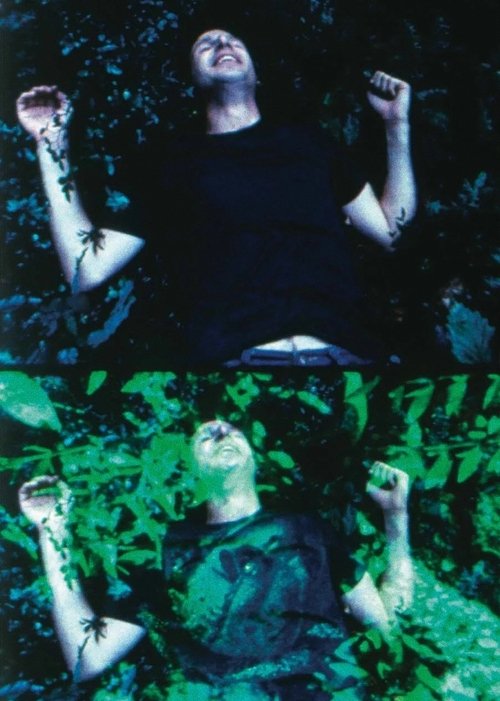
In the Stone House records and recollects a period of life of four years in rural New Jersey. In the latter 1960s, two young guys with monastic leanings leave the clatter of Manhattan’s art and film scene to catch the wave of higher consciousness that was about to change the world forever to find themselves washed ashore in a place only slightly updated from Way Down East. The monastic retreat quickly turned into the weekend getaway for a host of extravagant Manhattanites seeking films and fun. We learned from hitch-hiking guests that the police referred to our haven as “the stone house.” —Jerome Hiler
In the Stone House
“Misplacement” focuses on a social event — it looks like a funeral — with an implied but withheld story. The people Mr. Hiler films are familiar and yet elusive, animated by light and gone too soon.
Misplacement

More than eight hundred years ago, a confluence of technological, philosophical, and financial upswellings converged to create the most advanced form of mass media the world had known: stained glass. Jerome Hiler’s passion for medieval stained glass impacted his filmmaking practice and led to a fascinating evolving lecture, “Cinema Before 1300”
Cinema Before 1300
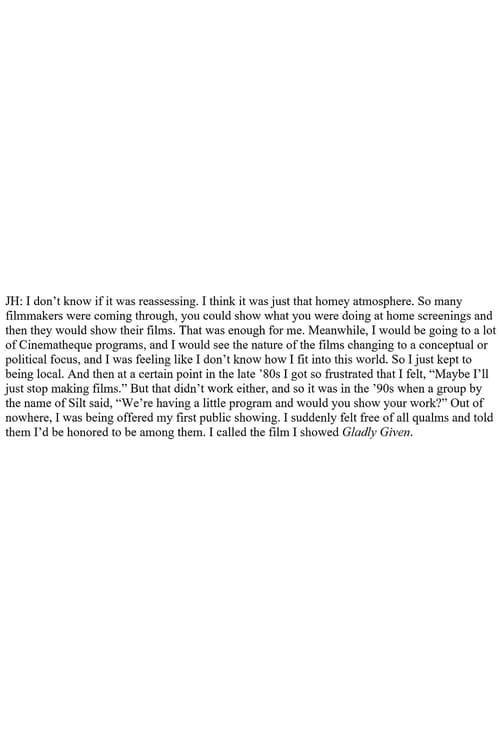
“Illuminated leaves from the sub rosa oeuvre of Jerome Hiler. Although the title is tinged with irony, this film is in fact a gift and a work of gifted seeing made perceptible. Fragile and challenging in its seeming simplicity, GLADLY GIVEN unfolds and bristles with the delicacy of a Japanese Floating World painting while being gravitationally drawn into the containments and accidents of the everyday.” –Mark McElhatten
Gladly Given
The fourth of the “cinematic songs,” followed by two new works “made by someone closer to passing on, by someone whose sense of life and sense of cinema have become inseparable in a very real way.”
Intimations
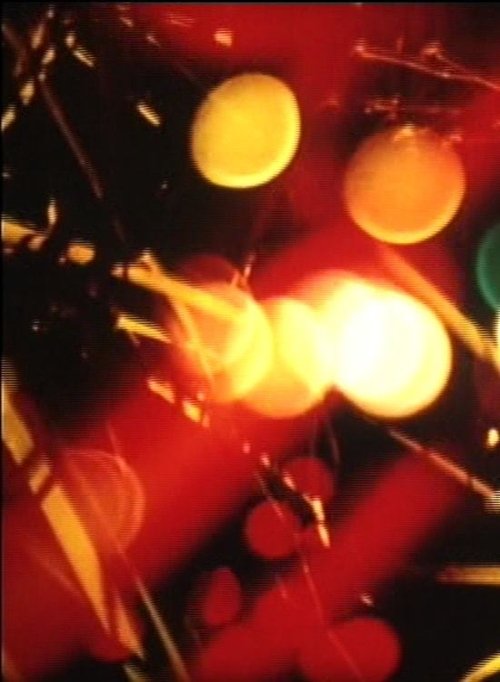
Words of Mercury is a silent film projected at 18fps. It has many layers of super-impositions which were all shot in the camera. It moves from a stark wintery world and slowly develops into a place of overgrowth and richness that is almost suffocating and re-invites death.
Words of Mercury
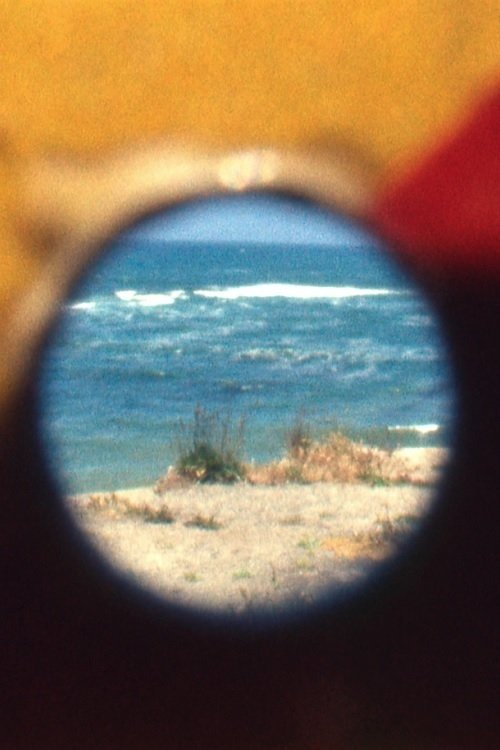
NEW SHORES is a sister film to IN THE STONE HOUSE in many ways. Like the latter film, it consists of earlier footage edited in recent years. It could be seen as a sequel to IN THE STONE HOUSE especially since it begins with a cross-country journey to the West Coast, where I settled, and concludes with a visit, in 1987, to the “stone house” in rural New Jersey. Even though there is some sort of time line that can be imagined, the film stands on its own. It is simply a series of episodes that touch upon facets of living in a new area with new weather, new people, new identities and stubborn old fears. The Bolex camera goes to work across landscapes and living areas, workplaces and gatherings. A dance of images: can beauty partner with dread and death? It’s a film of the coexistences that percolate beneath the surface of ordinary events. A film of useless hopes and baseless fears.
New Shores
"My only film shot in color negative… and its been a challenge, this sort of stock. […] The film is, to me, some kind of a rhapsody about California."
Facades
Experimental short subject preserved by the Academy Film Archive, in partnership with Estate Project for Artists with AIDS, in 1998.
Holiday
"Shot in early 1990 on outdated Ektachrome reversal stock, Acid Rock exists only in the original (that is, Hiler has never made a print of it), and consists of three 100' reels of film unedited, a 9-minute film of dazzling beauty and incandescent imagery. What Jerome Hiler accomplishes with this brief film is little short of alchemy. Everyday objects, places, thing, and people are transformed into integers of light, creating a sinuous tapestry of restless imagistic construction. Acid Rock (so named because a huge rock with the word "acid" emblazoned on it drifts briefly past the camera during the opening moments of the film) displays the best qualities of abstract expressionist experimental cinema in that it transmutes perceptual reality into a zone of ineluctable transcendence, causing the images to perceptibly burst forth from the surface of the screen." - WWD
Acid Rock
Warren Sonbert described Divided Loyalties as a film 'about art vs. industry and their various crossovers.' According to film critic Amy Taubin, "There is a clear analogy between the filmmaker and the dancers, acrobats and skilled workers who make up so much of his subject matter." -- Jon Gartenberg. Preserved by the Academy Film Archive in partnership with Estate Project for Artists with AIDS in 1998.
Divided Loyalties
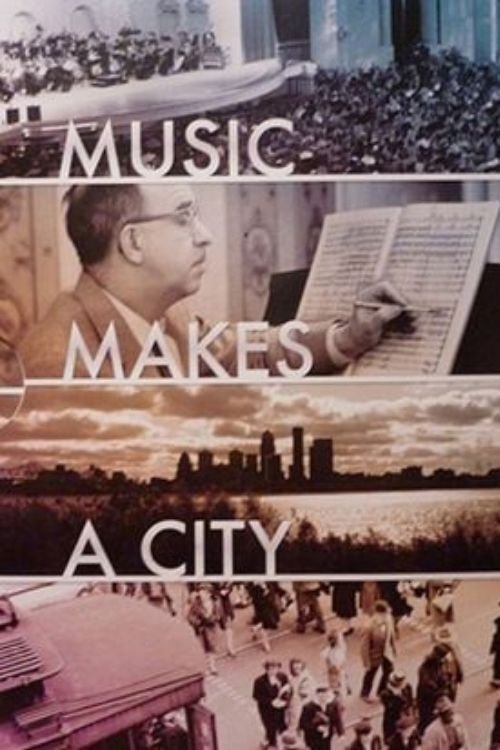
In 1948, a small, struggling, semi-professional orchestra in Louisville, Kentucky began a novel project to commission new works from contemporary composers around the world.
Music Makes a City: A Louisville Orchestra Story
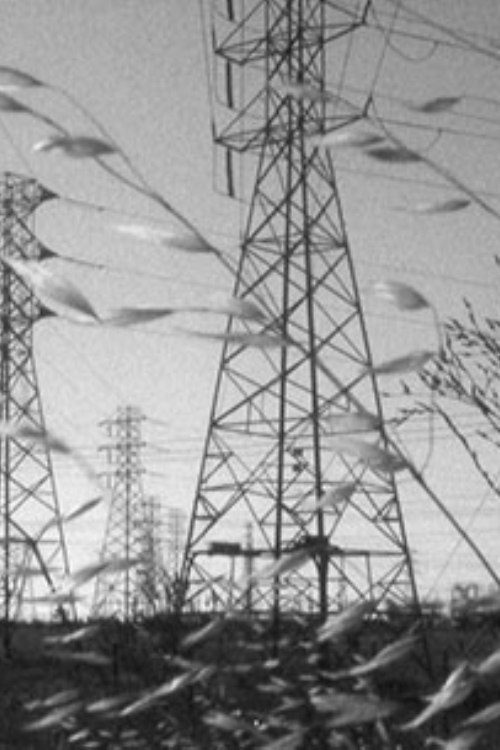
This film is to be projected at silent speed: 18 frames per second. Although "Marginalia" has no story, it reflects my concern with the feel of society at a time of ecological stress and cultural change. As usual, I have super-impositions which were shot in-camera as well as abrasions on the film surface which reflect the cursive waves of marginal notation and, also, situates hand-writing as a vanishing form of communication.
Marginalia
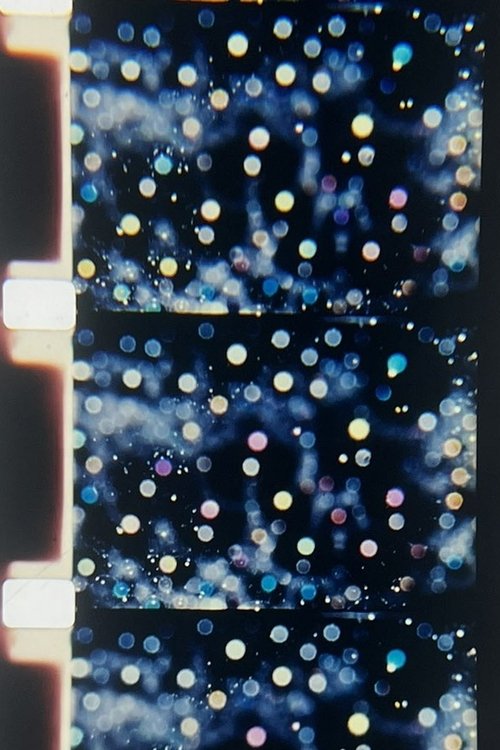
“Now that I’m in motion again, I look forward to the passage from this life to future wanderings in unknown places. My film alludes to and appreciates the encounters that flow without ceasing as we move through our personal version of reality” (Jerome Hiler).
Careless Passage
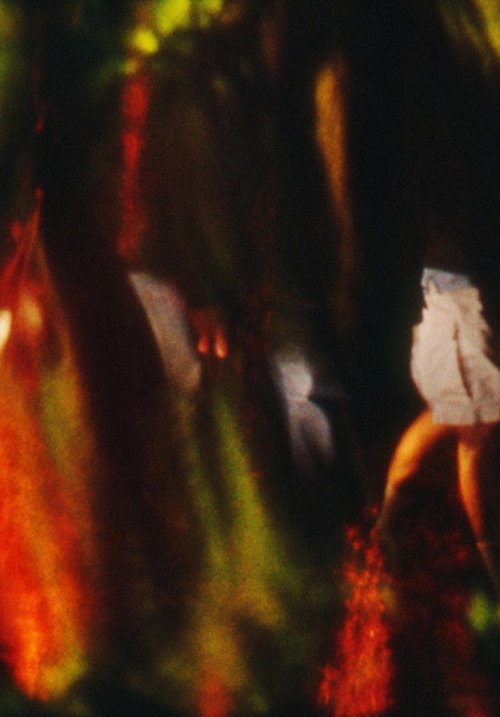
“With Bagatelle II, I seem to have come full circle by returning to the so-called polyvalent style of my earliest film endeavors from 50 years ago. The film actually includes material from all the intervening decades. It’s both up to the moment yet life-spanning, with a thread of deep affection for the special characteristics of 16mm film.” —Jerome Hiler