
Giorgos Sevastikoglou
Writing
Biography
Giorgos Sevastikoglou (Istanbul 1913 - Athens 1990) was a Greek playwright, translator and director. He actively participated in the National Resistance. Sevastikoglou was born in Fanari, Constantinople in 1913. The following year his family settled in Athens. He studied at the Law School of the University of Athens. He was a founding member of the Art Theatre and first appeared in the literature with the translation of the play Swanepoel by August Strindberg, directed by Karolos Koun in 1942. The following year, the Art Theatre "Karolos Koun" staged the play Constantine and Helen with which he began his dual artistic activity, as a director and translator. He was responsible for the B' department of the United Artists Troupe, which was a pole of attraction for left-wing playwrights and actors from 1945. He was in charge of the film crew of the Democratic Army in Grammos. After the end of the civil war, he went into self-exile in the Soviet Union, first in Tashkent and then in Moscow. He studied at the Moscow Theater Academy and became known as a director and translator. His play Angelos, translated into Russian, was staged by eighteen Soviet stages, including the Vakhtangov Theater. In 1965 he returned to Greece. He collaborated as a director with the Alexandrakis-Georgoulis troupe, while Karolos Koun staged his play Angelos. After the imposition of the dictatorship of the colonels in Greece, he fled again, this time with his wife Alki Zei to Paris. There he taught at the Sorbonne University and the Paris Conservatory and also founded the Praxis troupe. He returned to Greece in 1974 where he was active in the fields of directing and translation. In 1981 he settled in Athens. In 1985 he directed at the National Theatre the play Death of the Royal Commissioner, which he had written thirty years earlier. He translated works by George Bernard Shaw, Erskine Caldwell, Claude André Pizet and directed ancient classics, Fyodor Dostoevsky, William Shakespeare, Alexei Arbuzov, etc. He died in 1991.
Known For
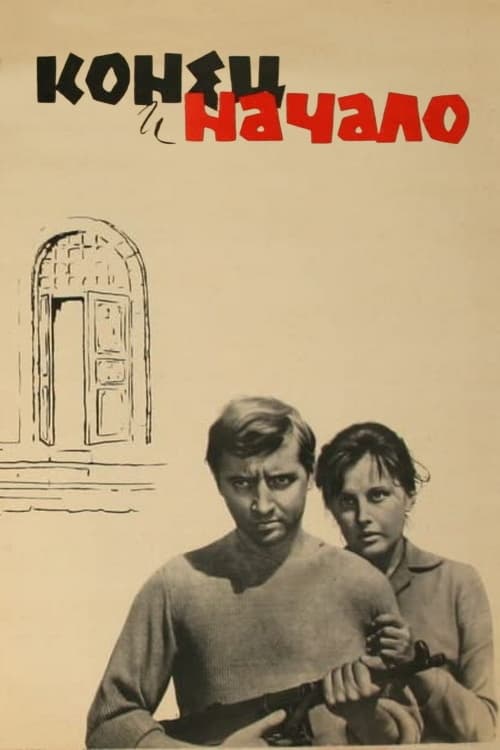
The story of Greek patriots' struggle against the Nazi invaders in May 1941, when German troops landed on the island of Crete. Fleeing the Germans, seven people, completely different in their views and personalities, come together: communist Memos, who has escaped from prison; military doctor Kimon, fleeing from the hospital; nurse Alika and nurse Krinjo, a gendarme; and two soldiers—a Greek and a New Zealander who has fallen behind.
The End and the Beginning
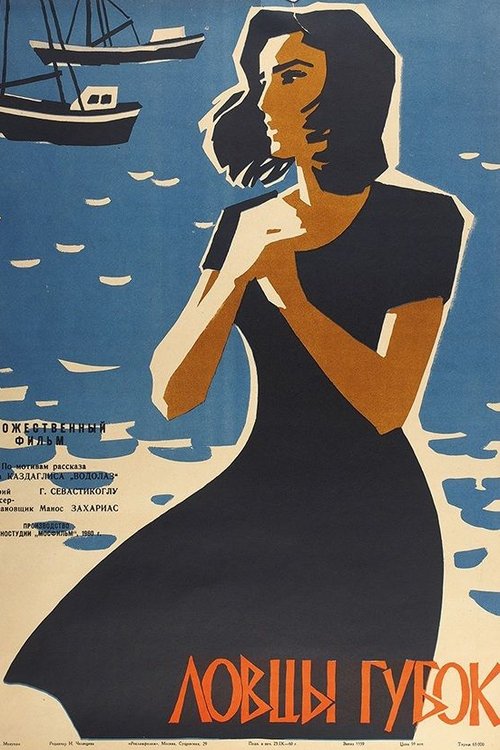
The young man Nikolos is forced to engage in the fishing of sea sponges in order to get the hand of the beautiful Lenio. This work makes him a cripple, and marriage to his beloved does not bring happiness.
Sponge Catchers
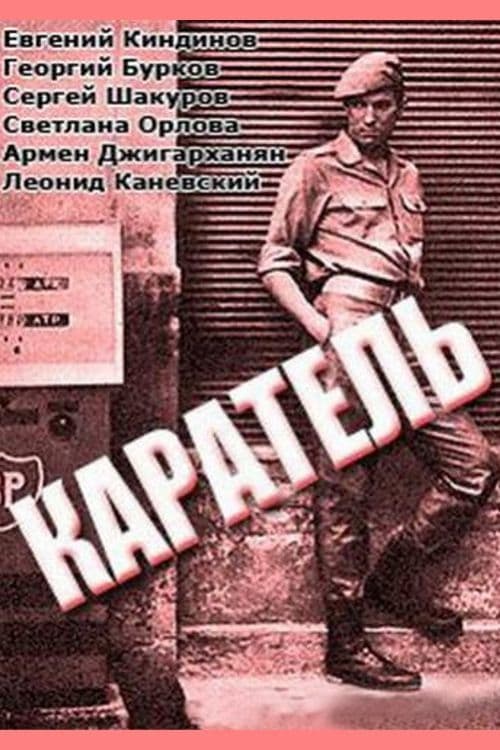
A sad story about a series of tragic events which happened in Greece during the seventies.
Punisher
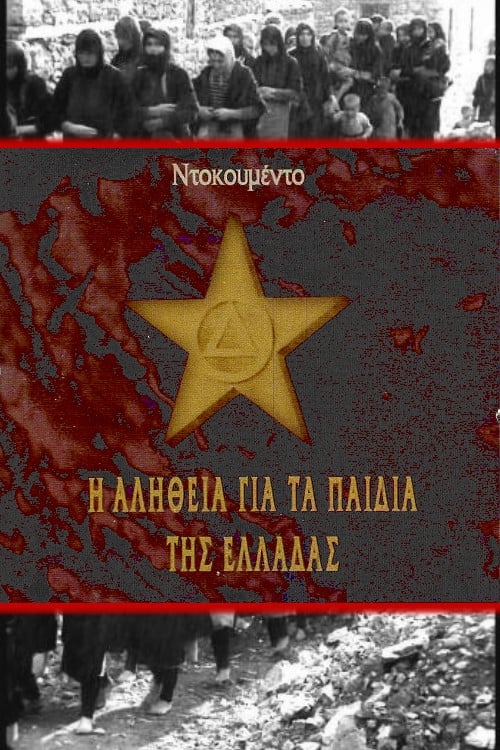
The film was shot by the DSE (Democratic Army of Greece) in 1948. The filming took place in Grammos and Vitsi, an area that the DSE had under its control during most of the Civil War (the so-called "Free Greece") and in the adjacent communist countries, Hungary and Czechoslovakia. It was first shown in Hungary and then in the other member countries of the "communist Paradise". The original film, which was considered lost for many years, was located in Hungary a few years ago. The subject of the film is "Child-Rescue" (or "Child-Rescue" as the KKE calls it).