Manos Zacharias
Directing
Biography
Emmanuel "Manos" Zacharias (Greek: Εμμανουήλ «Μάνος» Ζαχαρίας; born 9 July 1922) is a Greek film director, cinematographer and actor, who was active in Greek and Soviet cinema. Determined to become a cinematographer, he enrolled in IDHEC (Institut des Hautes Etudes Cinematographiques) and at the same time studied History of Art at the Sorbonne. In 1947, the decision was made by the KKE to centrally collect cinematographic and photographic equipment and to allocate it accordingly to cover the political-military needs of the time. In the spring of 1948, with two wind-up cinematographic cameras, a 35 mm and a 16 "Payar", as well as boxes of film, he crossed the Yugoslav border and entered Greece illegally. Thus, in 1948, the photo-film crew was founded and joined the force of the Enlightenment Department of the General Headquarters of the DSE. Their meeting took place in Pefkofyto in eastern Gramos. The team was charged with filming newsreels and taking photographs of the life and activities of the DSE. The films were transported abroad for technical processing with the aim of their distribution. After Gramos, in October 1949, Manos Zacharias found himself a political refugee in Tashkent where he studied at the State Theater Institute. His dream, however, remained cinema. He took part in a pan-Soviet competition for cinema studies, qualified - as the only non-Soviet citizen - and ended up in Moscow and the Mecca of Soviet cinema, "Mosfilm". His teachers were some of the leading figures of Soviet cinema, such as Mikhail Rom, Alexander Dovzhenko and Sergei Yutkevich. After completing the school, he stayed at the "Mosfilm" studios and made 10 films. In parallel with his career on the film sets, he also stood out for his administrative skills, which were highlighted through responsible and creative positions. He initially started as an assistant to Mikhail Rom and after the death of his teacher, he succeeded him as the artistic director of the Third Studio of Mosfilm. In 1979, he returned to Greece and in 1982, following a proposal by Melina Mercouri, he undertook to reform the operating framework of Greek cinema. From 1982 and for the next seven years he served as a Cinematography Advisor to the Ministry of Culture and from 1987 as President of the Greek Cinema Center. After his resignation, he was involved in film productions ("Balada gia ena daemona" by Nikos Koundouros, "Tera Incognita" by Yannis Typaldos). In 1994 he took over as head of the European Programs Monitoring Office of ERT S.A., while in the following years, he was an advisor to the President of ERT on cinematography issues.
Known For

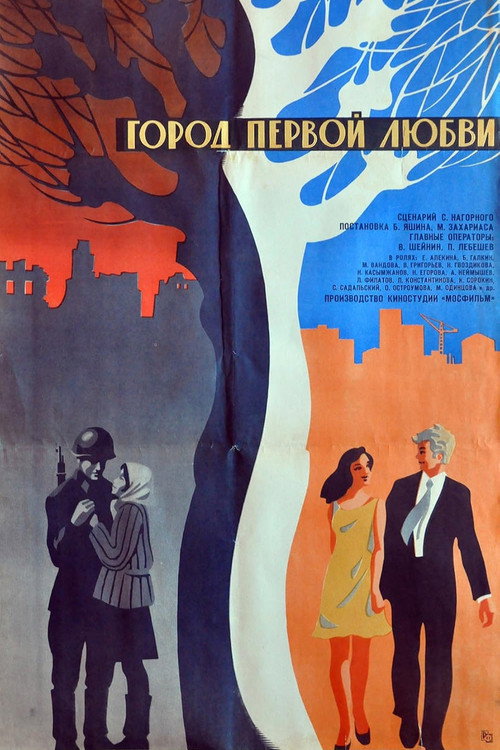
The film tells about the inhabitants of the Russian city of Tsaritsyn-Stalingrad-Volgograd. The film consists of three novellas, united by the theme of love and the scene - a city on the Volga.
The City of First Love

A comic tale. The issue of film education has been a Gordian link for many years in Greece. Starting from the time of Stavrakos in 1950, the documentary reaches up to the present day, exploring this issue through a dialogue between the people who dealt and are dealing. Among them Theodoros Angelopoulos, Pantelis Voulgaris, Dinos Katsouridis, Nikos Koundouros, Manos Zacharias, Werner Herzog, Emir Kustouritsa, Fatih Akin.
Champions: A Comic Tale

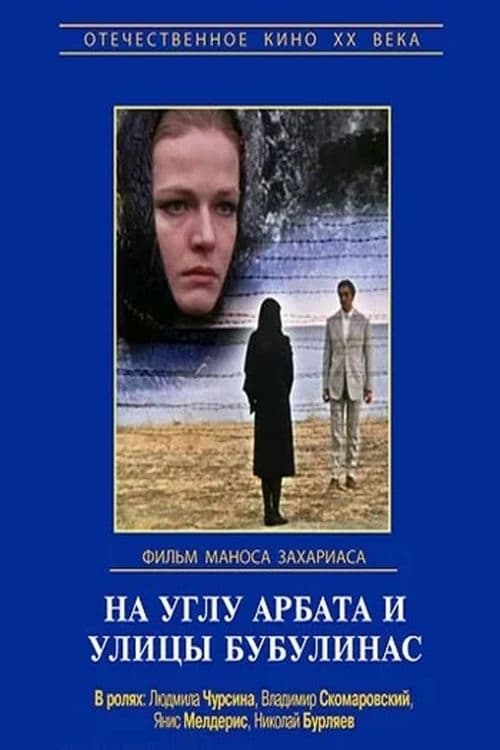
Soviet journalist Ksenia Troitskaya meets Greek film director Memos Yanidis in Moscow, where he is working on an anti-fascist film. As they stroll along the Arbat, they dream of one day meeting again at the corner of Arbat and Bouboulina Street in Athens. But upon returning to his homeland, Memos is imprisoned.
At the Corner of Arbat and Bouboulina

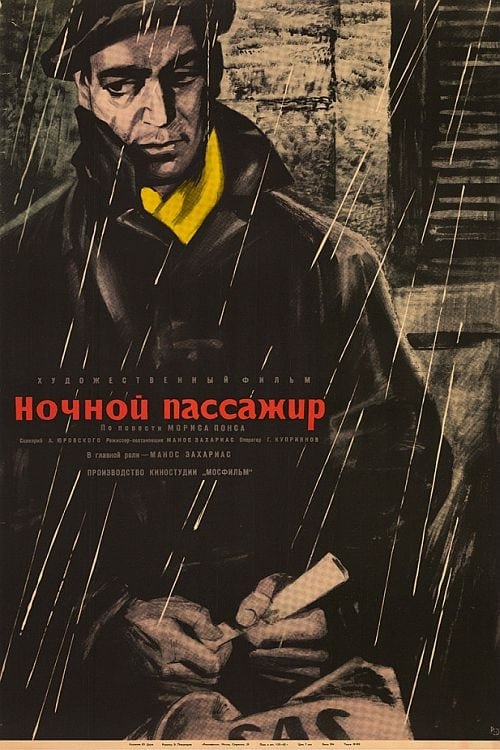
Georges Pradier, a Parisian journalist on his way to make a movie, agrees to give an Algerian man a ride in his car at the request of an acquaintance. He discovers that the bag his passenger is carrying contains forty-four million francs collected for a fund to help the struggling Algeria.
Night Passenger

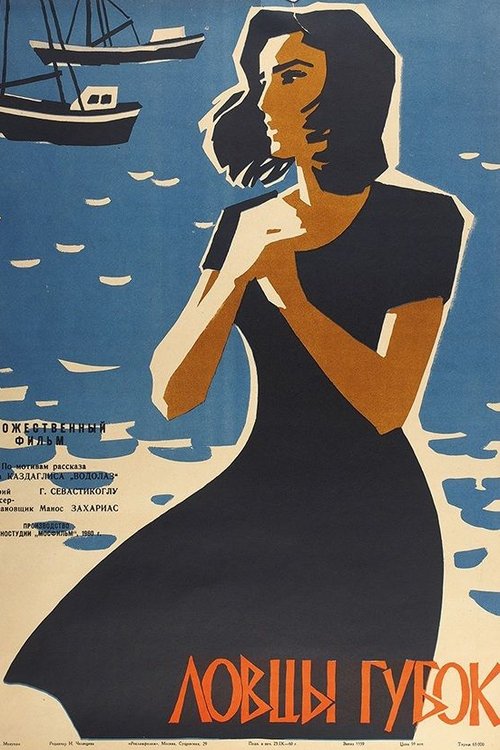
The young man Nikolos is forced to engage in the fishing of sea sponges in order to get the hand of the beautiful Lenio. This work makes him a cripple, and marriage to his beloved does not bring happiness.
Sponge Catchers

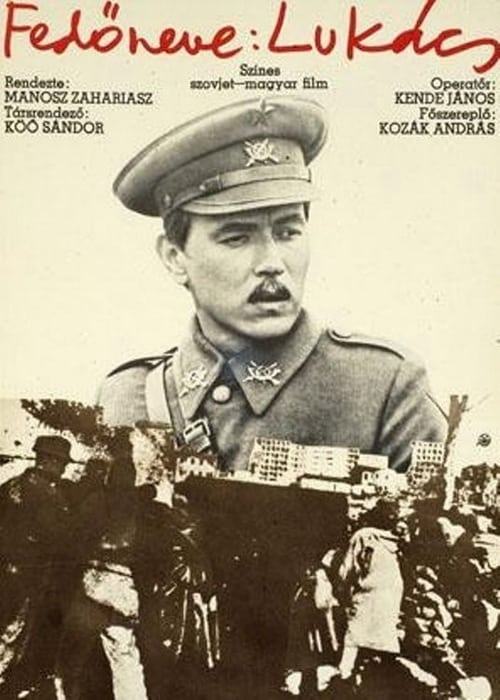
Bela Frankl, a young Hungarian, is taken prisoner by Russia during the First World War, defects to the side of the revolution and some time later, under the pseudonym Mate Zalka, becomes a famous Soviet writer. In 1936, having arrived as a volunteer in Spain, he becomes General Lukacs, forms the 12th International Brigade of non-professional fighters and takes the first heavy battles with Franco's cadre formations...
Fedneve: Lukács

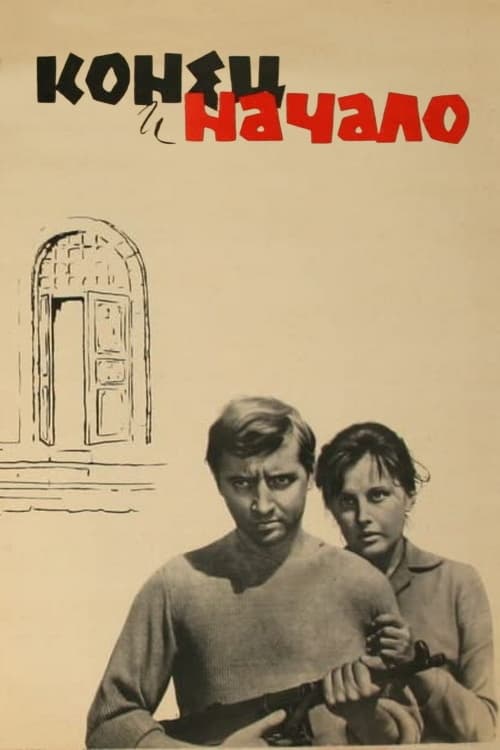
The story of Greek patriots' struggle against the Nazi invaders in May 1941, when German troops landed on the island of Crete. Fleeing the Germans, seven people, completely different in their views and personalities, come together: communist Memos, who has escaped from prison; military doctor Kimon, fleeing from the hospital; nurse Alika and nurse Krinjo, a gendarme; and two soldiers—a Greek and a New Zealander who has fallen behind.
The End and the Beginning

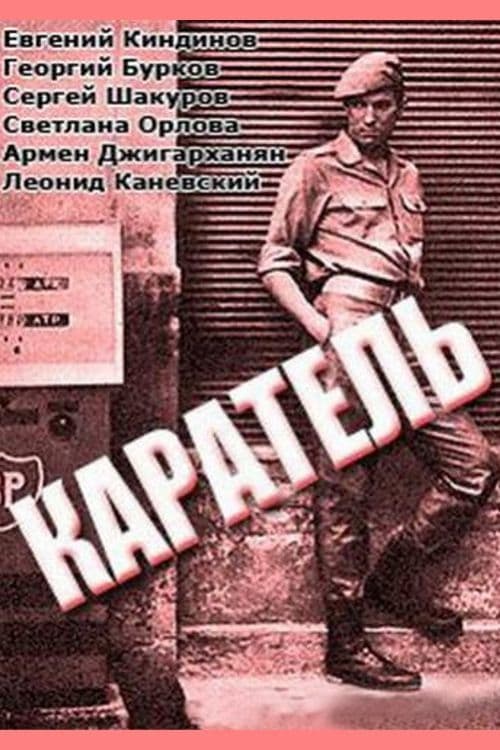
A sad story about a series of tragic events which happened in Greece during the seventies.
Punisher
No description available.
See You Tomorrow...

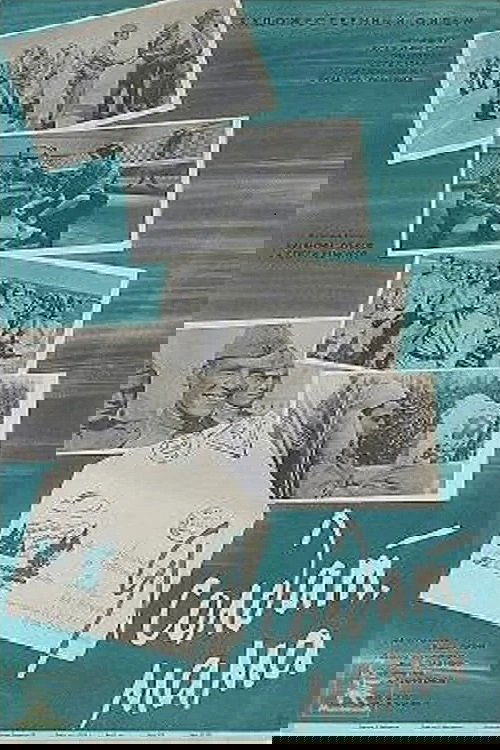
A young, stubborn and undisciplined man goes to serve in the army, where he will understand the need for military service...
I'm a Soldier Mom

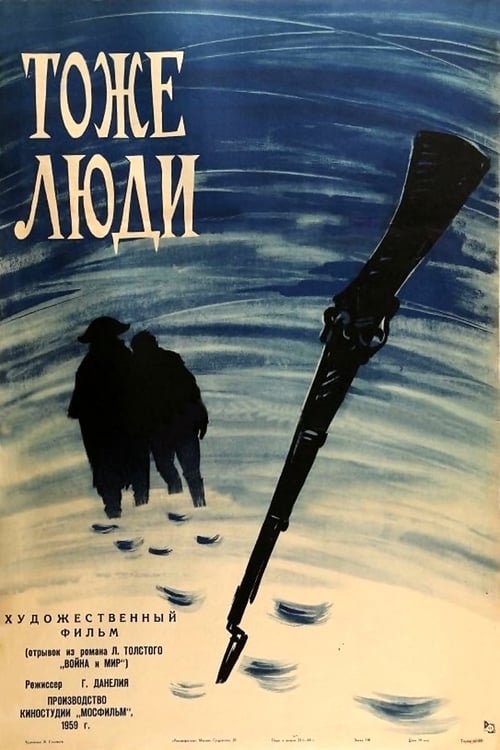
Based on an excerpt from the novel by L.N.Tolstoy "War and Peace." The war of 1812. The defeated Napoleonic army is retreating. Three Russian soldiers settled in a snowy forest near a fire: a young (Zaletayev), an elderly and a middle-aged one. Zaletayev fantasizes — as if he had captured Napoleon. The soldiers laugh good-naturedly at him. After dinner, they fall asleep... Two Frenchmen go to the clearing — an officer and a soldier. Russian soldiers wake up and, seeing that the officer is barely standing on his feet from cold and hunger, take him to the colonel. The French soldier sits down to the fire. The Russians give him porridge and vodka. The soldier, encouraged, sings a french song. Zaletayev echoes him. A tired Frenchman falls asleep on Zaletayev’s shoulder. The soldiers carefully shelter him. “Also people,” an elderly soldier says with a sigh.
Also People

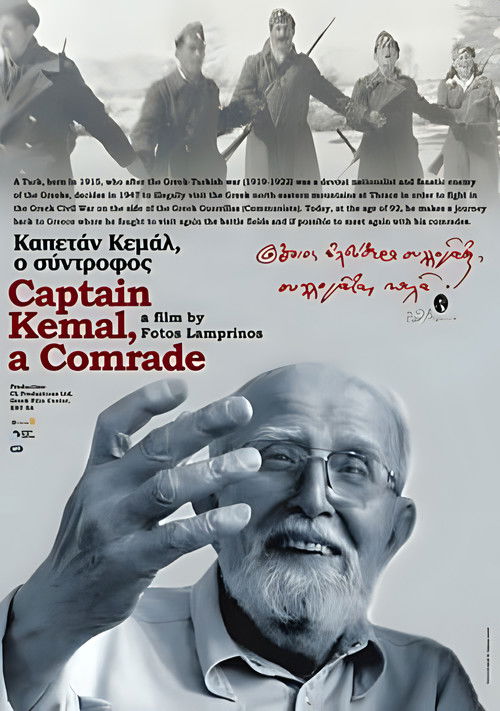
A Turkish man decides in 1947 to illegally visit the Greek north-eastern mountains at Thrace in order to fight in the Greek Civil War on the side of the Greek Guerrillas (Communists). Today, at the age of 92, he makes a journey back to Greece where he fought to visit again the battle fields.
Captain Kemal, A Comrade

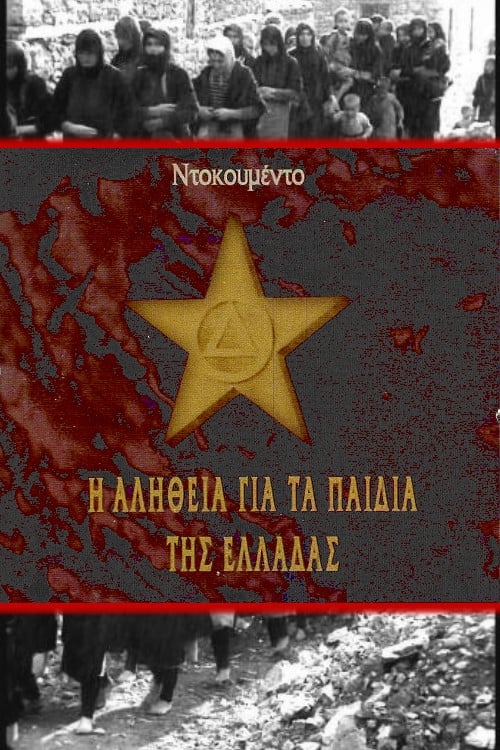
The film was shot by the DSE (Democratic Army of Greece) in 1948. The filming took place in Grammos and Vitsi, an area that the DSE had under its control during most of the Civil War (the so-called "Free Greece") and in the adjacent communist countries, Hungary and Czechoslovakia. It was first shown in Hungary and then in the other member countries of the "communist Paradise". The original film, which was considered lost for many years, was located in Hungary a few years ago. The subject of the film is "Child-Rescue" (or "Child-Rescue" as the KKE calls it).
The truth about the children of Greece
No description available.