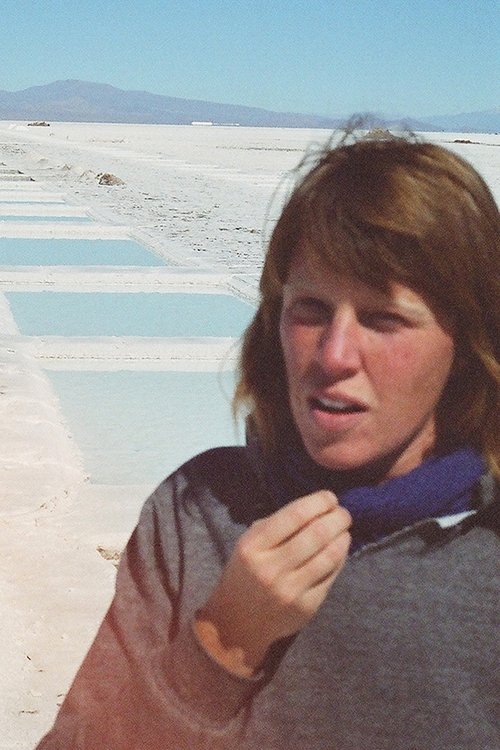
Brigid McCaffrey
Directing
Biography
Brigid McCaffrey is a Los Angeles-based filmmaker whose work focuses on environments and people in states of flux and precarity.
Known For
As the pressures of daily life mount in a rapidly changing city, some residents turn to dance roller skating as an activity for release, creating a style unique to Los Angeles.
L.A. Roll
Trance dance and water implosion, a line drawn between secular freak-outs and religious phenomena. Shot in a single-take at a sacred site on the Upper Suriname River, the minor secrets of an animist are revealed as time itself is undone. Rites are the new Trypps, embodiment is our eternal everything.
River Rites

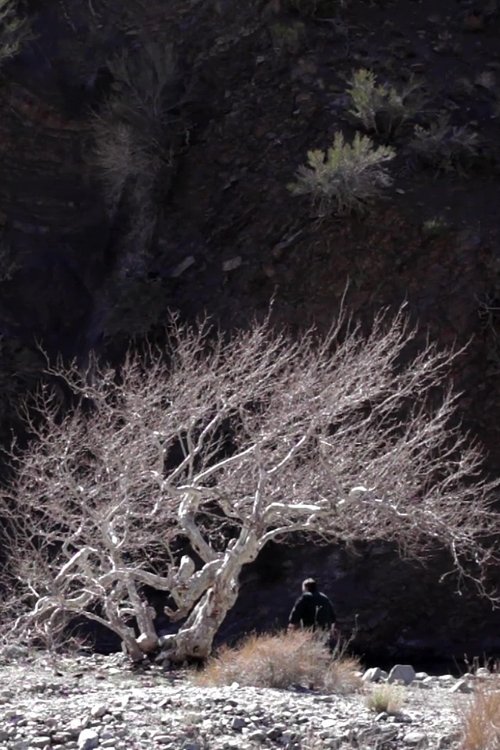
Five years of traveling through and living within the Mojave Desert have instilled in geologist Ren Lallatin intimate relations to its geological formations. She studies the desert, tracing its volcanic and seismic actualities, locates water sources and the relics of previous inhabitants and identifies landscape features that will conceal her mobile shelter from public view. The film follows the geologist as she describes her interactions with the natural world, while declaring her rejection of land regulation and privatization.
Paradise Springs

Through softly textured 16mm photography and regional iconography, Silva offers a modernist reflection on two of upstate New York’s most storied 19th century touchstones—the landscape painters of the Hudson River School and the legend of Rip Van Winkle—nodding to a few musical heroes along the way.
Ride Like Lightning, Crash Like Thunder
Off hours spent wandering a ghost town theme park in the Mojave Desert; a young Sikh man considers his recent relocation.
AM/PM
An experimental ethnography recorded in the jungle village of Bendekondre, Suriname at the start of 2007. Composed of community-generated performances, re-enactments and extemporaneous recordings, this film functions doubly as an examination of a rapidly changing material culture in the present and as a historical document for the future. Whether the resultant record is directed towards its subjects, its temporary residents (filmmakers), or its Western viewers is a question proposed via the combination of long takes, materialist approaches, selective subtitling, and a focus on various forms of cultural labor.
Tjúba Tén / The Wet Season

Geologist Ren Lallatin has moved into a small housing complex located between a rail yard and the interstate. Desert vistas are replaced with an arsenal of tactile pursuits, while the situation of the house becomes unstable. Free falling from a fixed point, the perimeter is ornamented for security. Desert winds animate aluminum mobiles and seismic vibrations serenade the home.
Bad Mama, Who Cares
A remote camp of treasure seekers in the Mojave Desert devote themselves to the pursuit of a legendary underground river of gold. They survey the land for Spanish treasure signs and pour over film footage, affidavits, topographical renderings, amateur drawings, land and mineral claims. The gold, as yet unfound, remains an elusive material and calls forth the determination and delusion of yearning predecessors and future speculators.
Sun Metal Shadow Signs
Taking its course, the camera drifts in to the coves and surveys the shorelines of a multi-use reservoir to unearth fragments of its young history and consider a series of possible relationships to this artificial environment. Visits are filled with a sense of potentials and the unseen, the lake’s surface separating what is buried and what is to come. Municipal orchestrations, recreational episodes, and small pageants trace this body’s perimeter.
Castaic Lake

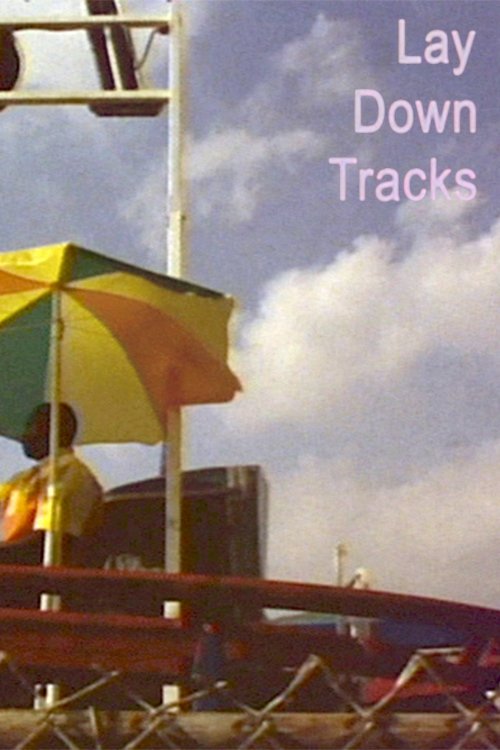
Following five American travelers, this film journeys though the shifting surroundings of a retired carnival worker, young woman trucker, railroad executive, chimney sweep/surfer, and a nun/riverboat pilot. Each reflects on their work and the worlds they traverse, the fleeting and familiar elements of a life in motion and the delicate contract between desire and necessity.
Lay Down Tracks

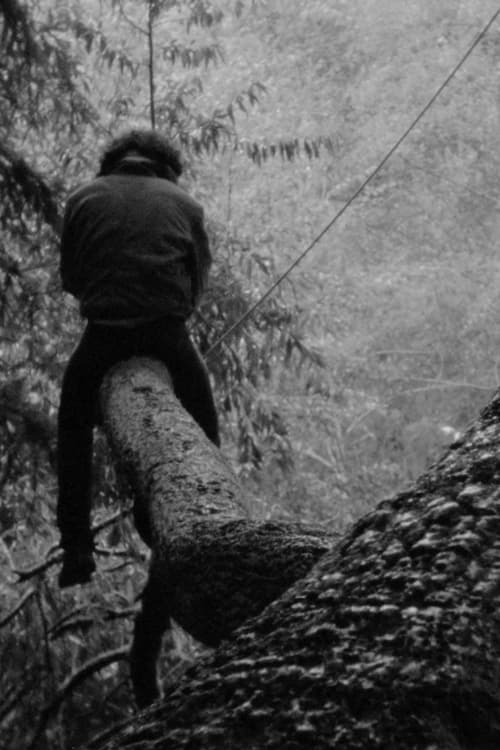
Sanctuary Station traces a series of encounters with women and youth who have cultivated intrinsic attachments to the various life forms inhabiting the redwood forests and remote terrains of northwestern California. Oscillations between the desire for solitude and the need for collaboration recur through an album-like progression of personal stories and actions. These encounters are framed through the poems of Mary Norbert Korte (1934-2022), an ex-nun who built her own cabin deep in the forest, adjacent to a former logging railroad. Korte’s life and work bear witness to the daily phenomena of internal and external experience. Depictions of ongoing forest defense movements, collective and personal rites of mourning, and intimate everyday routines evoke cycles of life unfolding within this intricately interwoven environment.