André Valli
Acting
Known For

Brava Gente was a television series aired by TV Globo in Brazil between 2000 and 2003, initially as a special year-end. The program was adapted from stories and national stories, and plays by famous playwrights, screenwriters and signed by a number represented by several actors and actresses. The genres of the stories varied each week with the style of each director or author. Brava Gente in the stories ranged from comedies and dramas. In all 53 episodes were shown, broadcast on Tuesday nights.
Brava Gente

No description available.
Cidadão Brasileiro

Carlão is a taxi driver who experiences a drama of conscience after fleeing bank robbers leave a suitcase with stolen money in his car: he doesn't know whether to hand it over to the police, running the risk of being accused of being an accomplice in the robbery, or whether to use the money to solve his problems.
Pecado Capital

Set in the 19th century, the novel tells the story of an impossible romance. Inácio, a young man from a traditional family, falls in love with Esther, the owner of the most famous brothel in the Court.
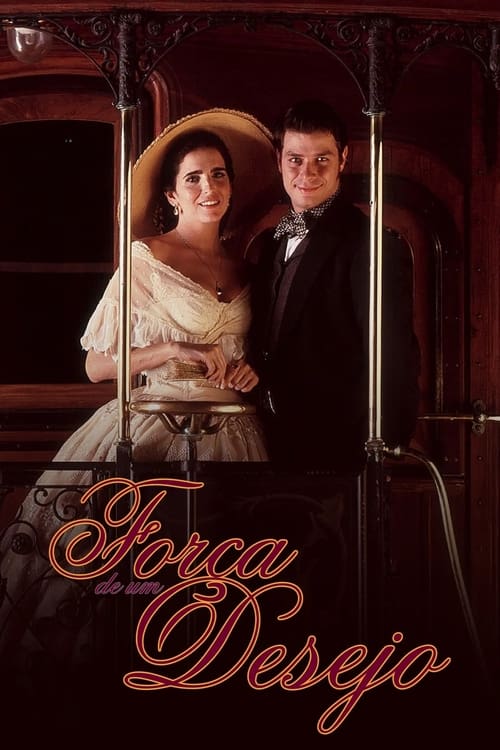
Força de um Desejo

No description available.
Zazá

A mature and successful woman, Helena becomes involved with Edu, who is twenty years her junior. She battles prejudice in order to live her love, but their romance fizzles out when she realizes that her daughter Camila has also fallen in love with him. Her dilemma grows even worse when she discovers that the girl has leukemia. Helena must disclose the real identity of Camila‘s father in order to try and find a compatible bone marrow donor. In order to save her, she decides to give up her new love and have another baby with her daughter‘s father.
Family Ties

After an unjust imprisonment, friends return to the town of Remanso, facing betrayals and lost loves, while battling a corrupt lawyer.
Despedida de Solteiro

Carlão is an honest but hot-tempered taxi driver who discovers a suitcase containing two million reais in his car, the proceeds of a bank robbery. This is the second version of the telenovela, originally aired in 1975.
Pecado Capital

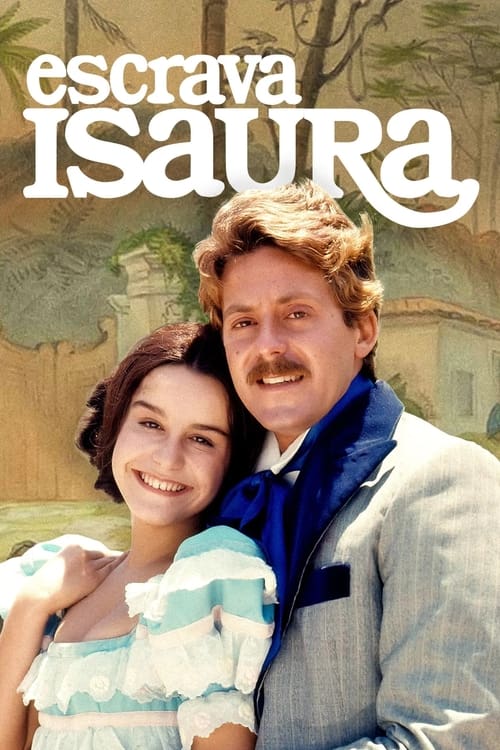
Set in 19th-century Brazil during the waning years of slavery, Escrava Isaura tells the story of Isaura, a white-skinned enslaved woman raised with the manners and education of a noble lady. Though treated with affection by her mistress, Isaura remains legally enslaved and becomes the object of obsessive desire by Leôncio Almeida, the cruel heir to the plantation. After the death of her protector, Isaura falls under Leôncio’s control. Despite his attempts to seduce and dominate her, she resists, determined to preserve her dignity and freedom. Her father, Miguel, helps her escape to Recife, where she adopts a new identity and meets Álvaro, a wealthy and principled abolitionist who falls in love with her. Leôncio eventually tracks her down, leading to dramatic confrontations. In the end, Álvaro rescues Isaura by purchasing Leôncio’s debts, securing her freedom and affirming the story’s central themes of justice, love, and resistance against oppression.
Escrava Isaura

Opposite Lives tells the story of Miguel (Leo Rosa), a young rich man of a traditional family, and Joana (Maytê Piragibe), a student and tourist guide who lives in a slum. Although dating an elegant and rich fashion designer, Erínia (Lavínia Vlasak), Miguel and Joana fall in love for each other and they decide to get married.
Opposite Lives

No description available.
Escalada

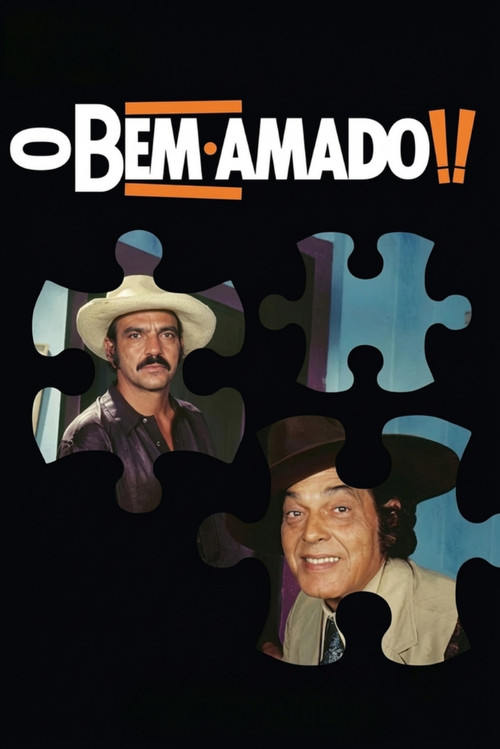
O Bem-Amado is a Brazilian telenovela that first aired on Rede Globo in 1973. It is based on a play by Dias Gomes called Odorico, o Bem-Amado ou Os Mistérios do Amor e da Morte, written in 1962. It was the first Brazilian color telenovela. It was shot in Rio de Janeiro. Broadcast by Rede Globo between January 22 and October 3, 1973.
O Bem-Amado

No description available.
O Cafona

No description available.
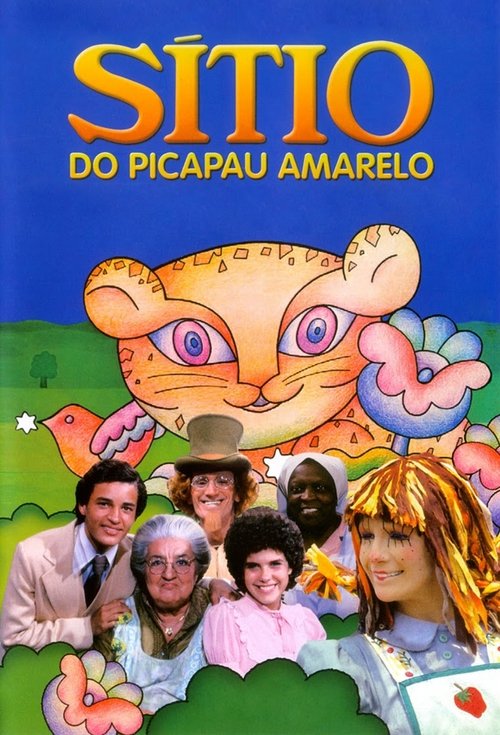
Sítio do Pica-Pau Amarelo

Cristiano Vilhena is a young man from the countryside who dreams of high society, risking his happiness alongside Simone.
Selva de Pedra

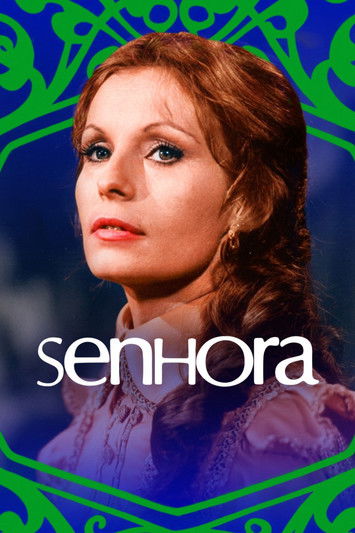
The soap opera follows the story of young Aurélia Camargo (Norma Blum), a girl who falls in love with the ambitious young journalist Fernando Seixas (Cláudio Marzo), who also falls in love with her, but rejects her when he receives an invitation to marry Adelaide (Fátima Freire), the daughter of Tavares do Amaral (Felipe Wagner), a wealthy banker. Feeling abandoned by her great love, Aurélia dreams of one day having him back. Until, when she turns 18, she is surprised with an inheritance from her grandfather, and becomes a very rich woman, allowing her to create her own rules for her life. However, for the society of the time, it was not good form for a woman to enjoy such independence. For this reason, Aurélia begins to rely on a distant relative, Dona Firmina Mascarenhas (Zilka Sallaberry), to act as her mother, and on the administrator Mr. Lemos (Alberto Perez), to guide her in business. So, she sees a great opportunity to have Fernando in her life again.
Senhora

No description available.
Gente Fina

No description available.
Salomé

Juca Campos Lara dreams of poetry, but pressured by reality, he trades art for the sake of supporting his family. The struggle between making ends meet and his dream unfolds in four significant phases.
O Feijão e o Sonho

Arriving in Lisbon from London, Basílio falls in love with his cousin Luísa, but he must go to Brazil, promising he will eventually marry her. As time goes by, he sends her a letter ending the relationship and she marries Jorge, an engineer. One of Jorge's rich aunts dies, leaving him a small fortune and her former maid Juliana. Juliana gets hold of love letters between Luísa and Basílio and starts to blackmail her employer.