Stephen Partridge
Directing
Known For

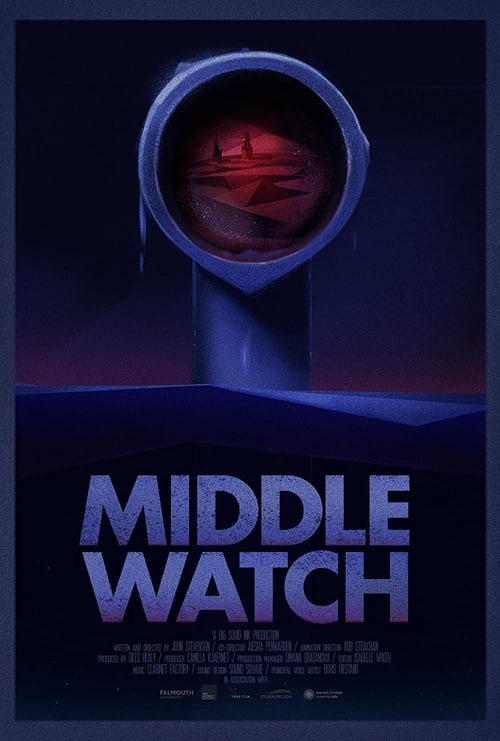
As World War Two draws to a close, a sailor aboard ship in the Indian Ocean must do his duty. Watch must be kept, the horizon scanned for enemy craft and the bubble trails of deadly torpedoes fired from stealthy submarines. Haunted and scarred by conflict and the loss of fellow shipmates, our sailor's task is the Middle Watch, or the graveyard watch, as old mariners call it. But, as he goes about his duties, in the small hours of the morning, his routine is shattered by an encounter that could tip the balance of his delicate state of mind.
Middle Watch

Jim Moir (aka Vic Reeves) explores Video Art, revealing how different generations ‘hacked’ the tools of television to pioneer new ways of creating art that can be beautiful, bewildering and wildly experimental.
Kill Your TV: Jim Moir’s Weird World of Video Art

Art film part of the REWIND + PLAY, An Anthology of Early British Video Art box-set.
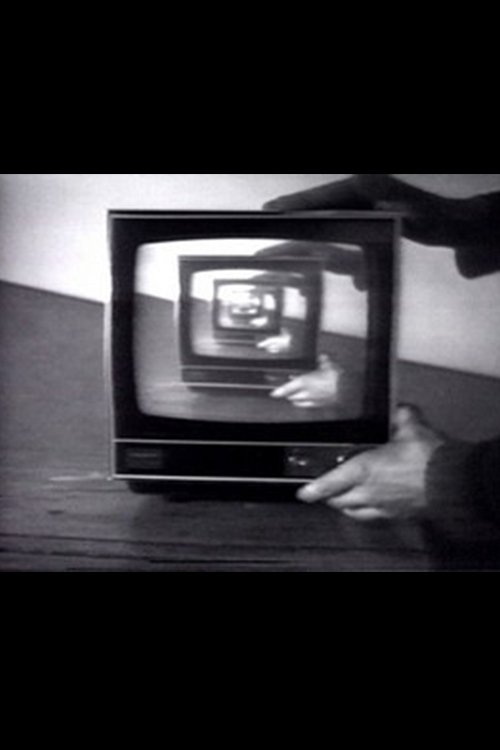
Monitor

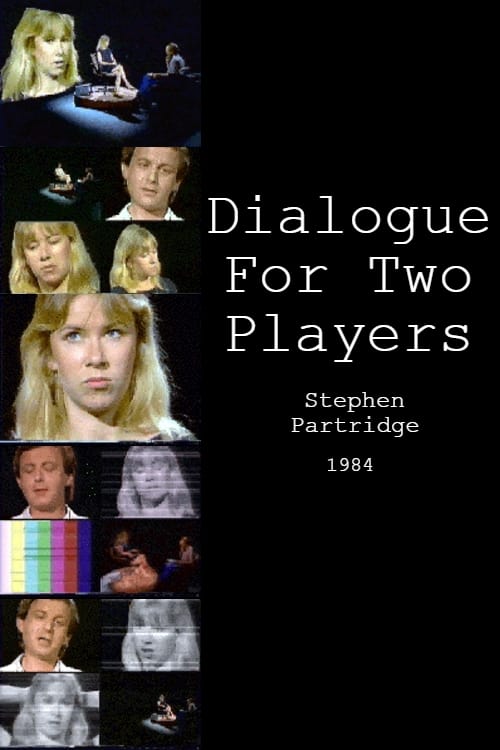
"The tellingly titled Dialogue for Two Players, also 1984, moves into quasi-dramatic space, in which the seemingly spontaneous relationships, are revealed not just as a construct but also as a complex puzzle. It implicitly comments on and critiques the 'confessional' modes of video and its illusion of real presence. It thus rejects that was at the time a dominant style in artist's video, turning on its head the simpler versions of the slogan that 'the personal is political'. At the same time it is a political work in a different sense, questioning the popular TV format of the in-depth personal interview which it ironizes. As such, and with Partridge himself playing the part of interviewer/director, it is his most overt 'intervention' into documentary drama even as he subverts it." - Al Rees
Dialogue for Two Players

A four-minute video intervention by Steve Partridge, commissioned for Channel 4's Television Interventions during Glasgow’s year as European Capital of Culture. Blending close-up visuals, spoken word, and animated text, the work deconstructs the TV trope of the talking head to explore language, communication, and identity through a gendered and distinctly Scottish lens.