Takaji Fukui
Acting
Known For
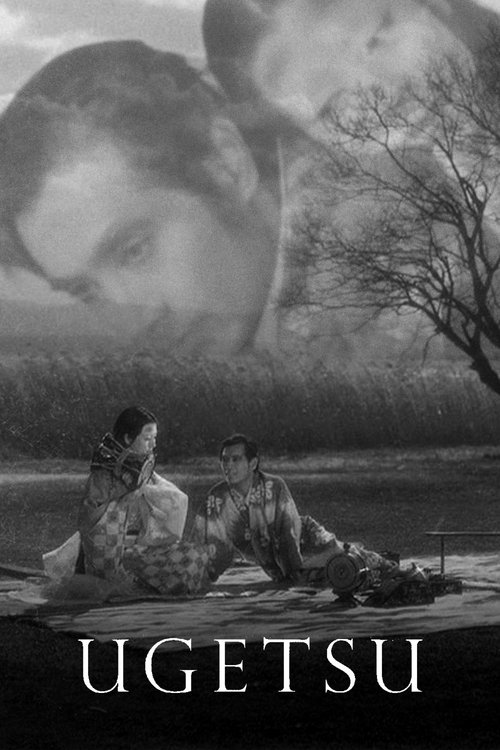
In 16th century Japan, peasants Genjuro and Tobei sell their earthenware pots to a group of soldiers in a nearby village, in defiance of a local sage's warning against seeking to profit from warfare. Genjuro's pursuit of both riches and the mysterious Lady Wakasa, as well as Tobei's desire to become a samurai, run the risk of destroying both themselves and their wives, Miyagi and Ohama.
Ugetsu

When the wife of a 17th-century Kyoto scrollmaker is falsely accused of having an affair with his best employee, the pair flee the city and find themselves truly falling for one another.
Chikamatsu Monogatari
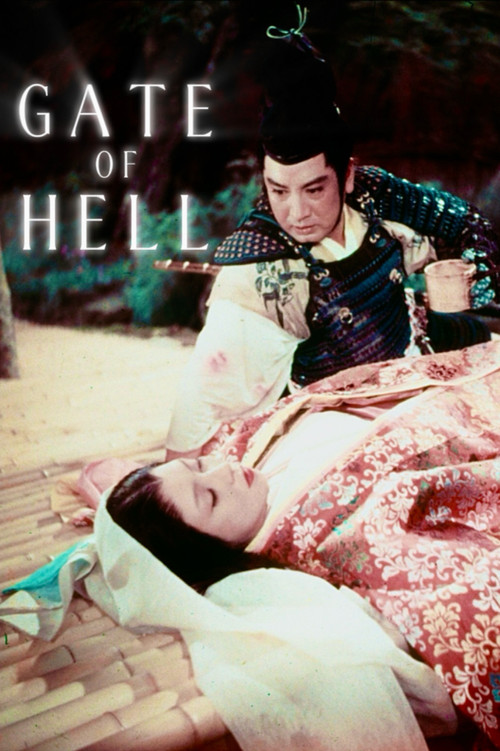
Japan, 1159. Moritō, a brave samurai, performs a heroic act by rescuing the lovely Kesa during a violent uprising. Moritō falls in love with her, but becomes distraught when he finds out that she is married.
Gate of Hell
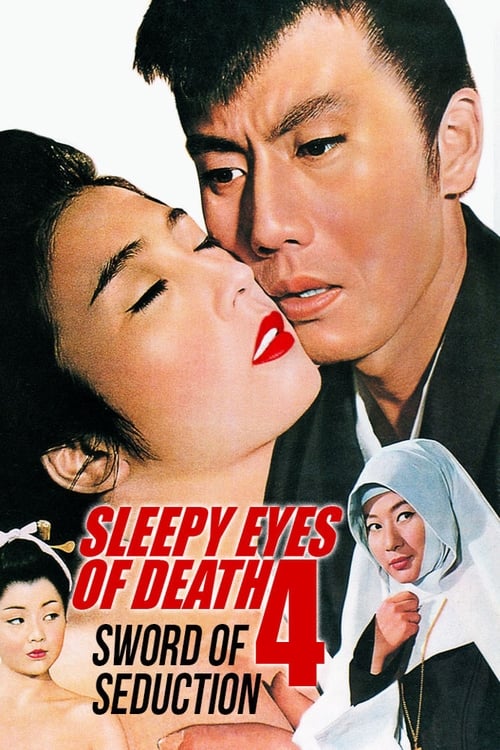
A fugitive christian "saint" (female, of course!) and a sadistic drug-addled princess both have their eye on Kyoshiro. The fact that a bunch of ruthless smugglers also want him dead is the least of his problems!
Sleepy Eyes of Death 4: Sword of Seduction
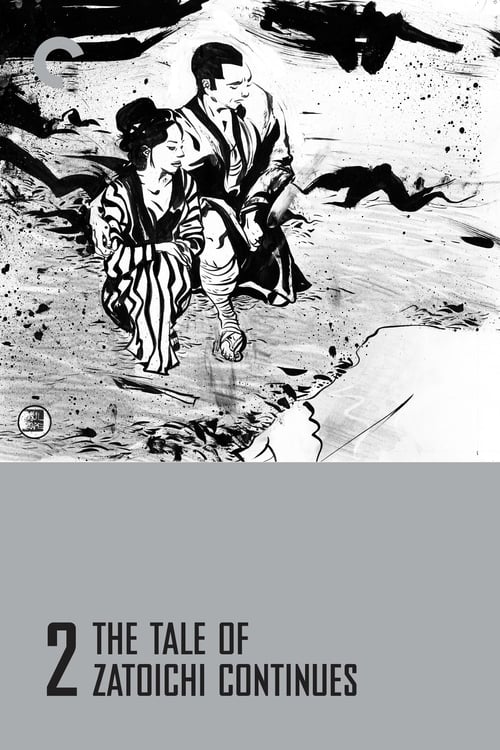
Returning to the village where a year before he had killed Hirate, a much-admired opponent, Zatoichi encounters another swordsman and former rival in love.
The Tale of Zatoichi Continues

Zatoichi, the famed blind swordsman, returns to his home village for the first time in many years. He is befriended by Omiyo, who had the same wet-nurse as Zatoichi. He also encounters a boyhood friend, Shinbei, who is now wealthy and appears not to remember Zatoichi. Shinbei seems to be interested in repaying the villagers' debts, but is, in reality, manipulating the ownership of a now valuable rock quarry. Zatoichi learns of the subterfuge and confronts his old friend, who has a score of yakuza swordsmen backing his play.
Zatoichi's Conspiracy
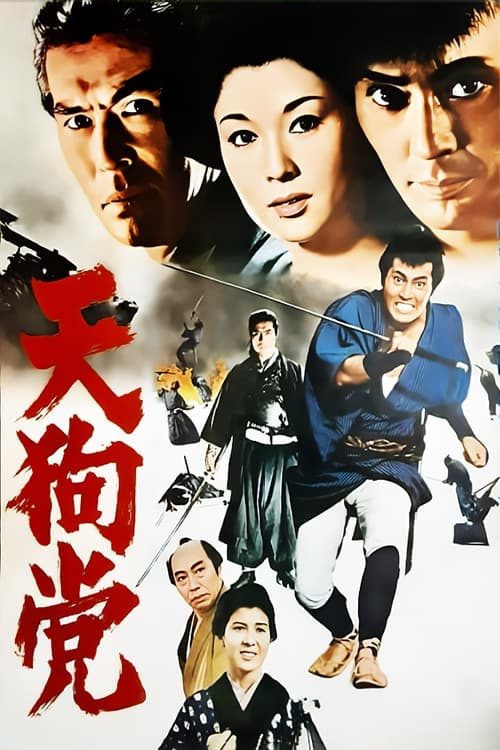
Sentaro is been severely beaten for his defiance of the government and the high taxes during a time of famine. He is befriended by Kada Gentaro, a leader in the Mito Tengu group, which plans to overthrow the shogunate.
Blood End
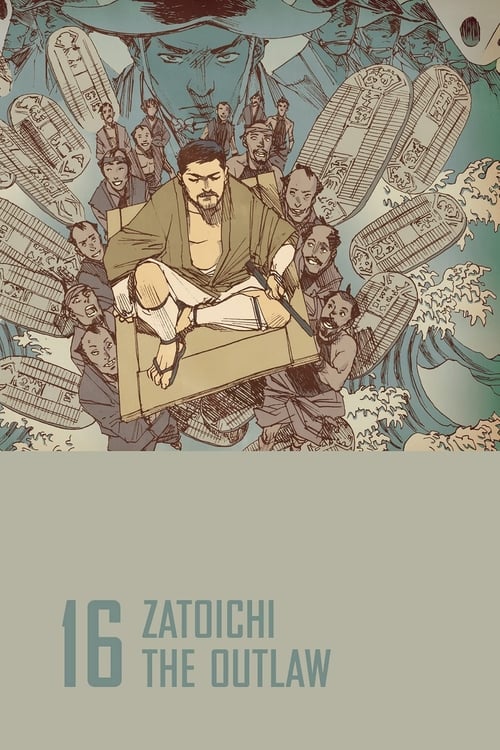
When a local gambling house kidnaps some peasants because they failed to pay their debts, a rival gambling house pays their debts and sets them free.
Zatoichi the Outlaw

A story loosely based on the affair between Empress Kōken-Shōtoku and the monk Dōkyō, set during the Nara period (710–794 A.D.).
Bronze Magician
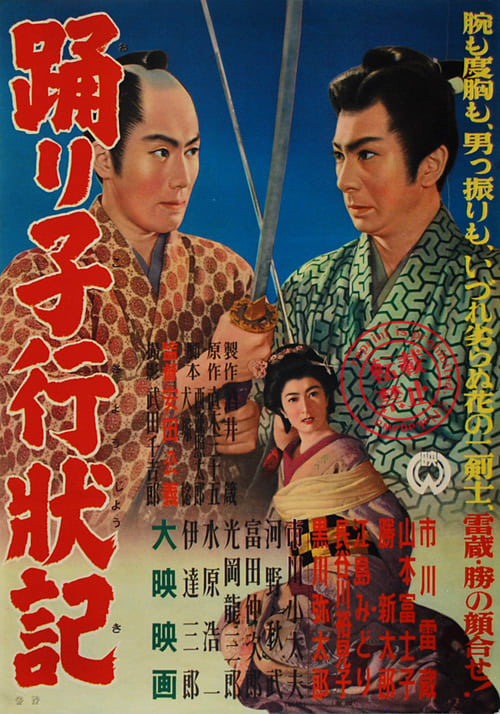
No description available.
The Dancer and Two Warriors
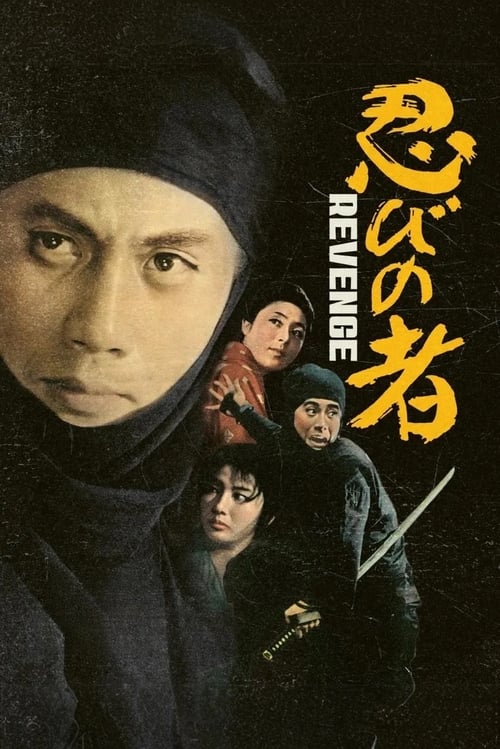
[Period covered: 1582-1594]. As the film opens, the warlod Nobunaga Oda rides to Iga Ayanokuni shrine. He is asked if he thinks he has destroyed all the ninja who opposed him and answers that he suspects that there may be more. A servant brings water and tests it first. The paige dies and we hear gunshots as two ninja flee the scene. His suspicions confirmed, Nobunaga oversees the execution of captured ninja and decides that, in the future, he needs a much crueler method of execution. The daimyo Hideyoshi comes to visit.
Shinobi no Mono 2: Vengeance

After accidentally causing the death of an old lady, Zatoichi tries to do right by buying the lady’s daughter’s freedom from a brothel - but this causes more problems than solves them.
Zatoichi in Desperation
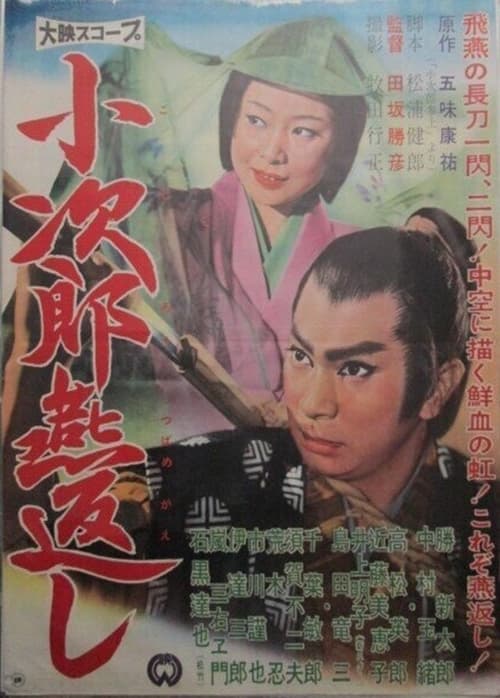
The story of Sasaki Kojiro, a young swordsman, and his quest to train under master Seigen and develop his own style.
Kojiro's Turning Swallow Cut
No description available.
Meiji no kyōdai
No description available.
風来物語任侠篇
No description available.
Izayoi kaidō

No description available.
Mangorō Tengu
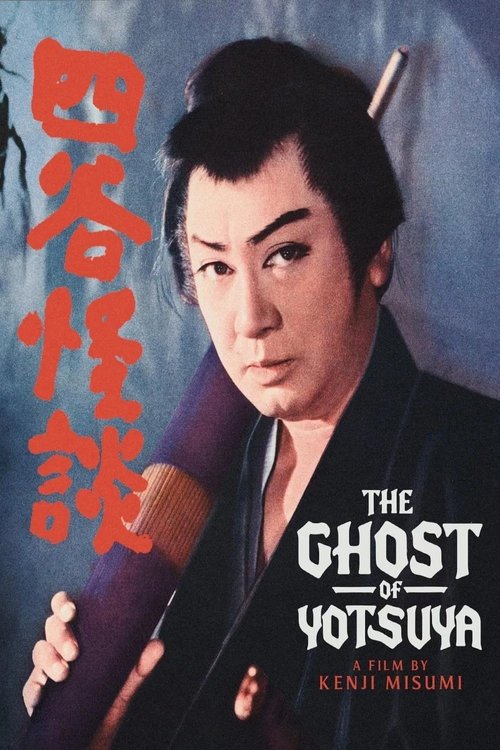
In one of Japan's most frequently-told ghost stories, a murdered wife returns in an act of vengeance.
The Ghost of Yotsuya
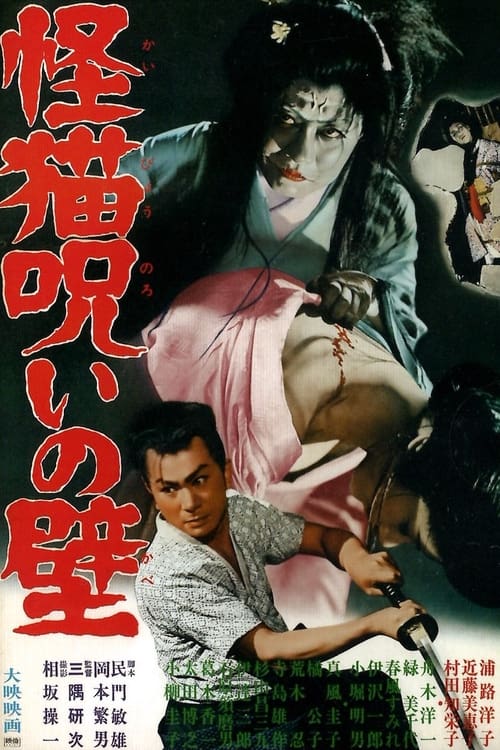
When a nobleman finds a woman to be an obstacle to his growing political influence, he kills her and her cat and has their bodies immured in a wall. Shortly afterwards, a catlike demon begins to haunt the castle.
The Ghost-Cat Cursed Wall
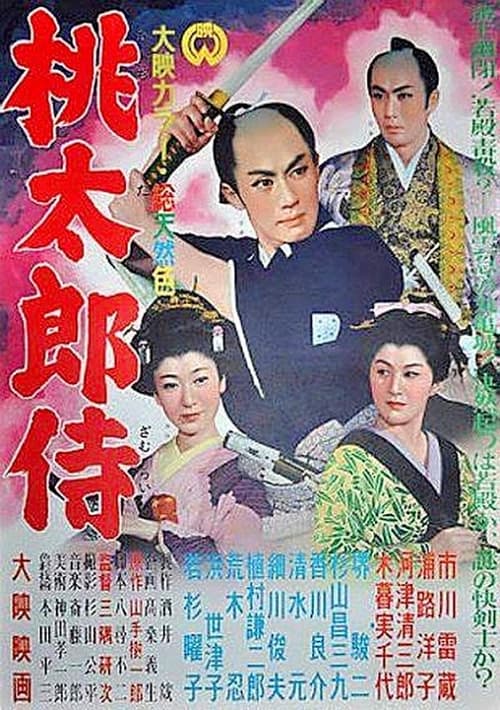
One of Japanese folklore's most popular characters is brought to life on the silver screen in this terrific version of legendary Demon slaying Peach Boy.