Acting
Nobuko Sendo is a Japanese actress and singer from Nagoya.
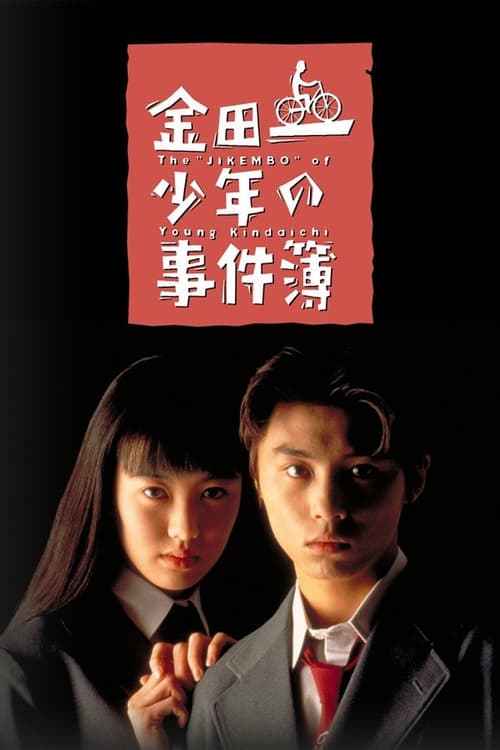
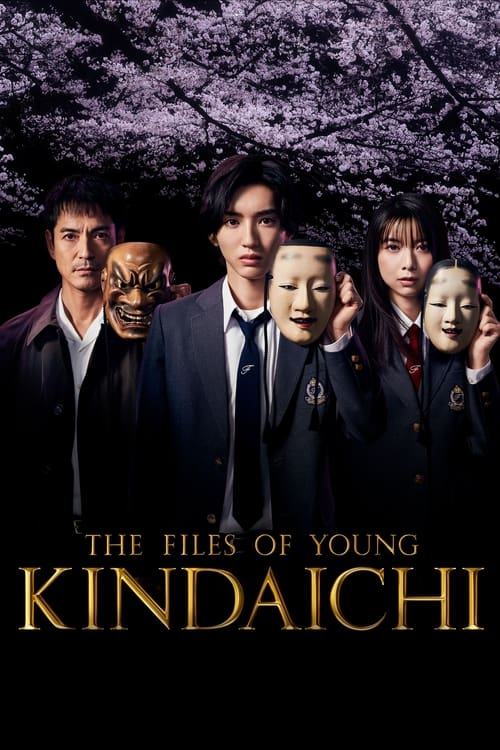
A young man who showed little promise while a high school student becomes a master detective, just like his grandfather.
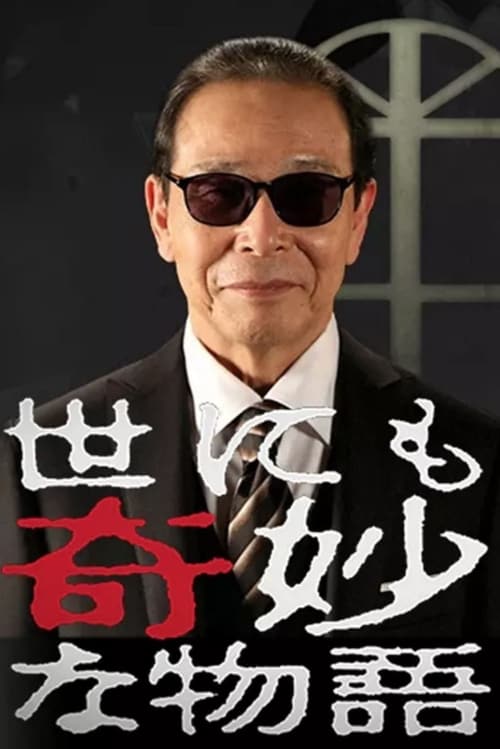
Inspired by American TV movies like "Hitchcock Theater" and "The Twilight Zone," the show features multiple works with Tamori as the storyteller and actors as the main characters. While horror and supernatural themes are predominant, a variety of genres like comedy and drama are also produced. Most episodes, however, have a bad ending.
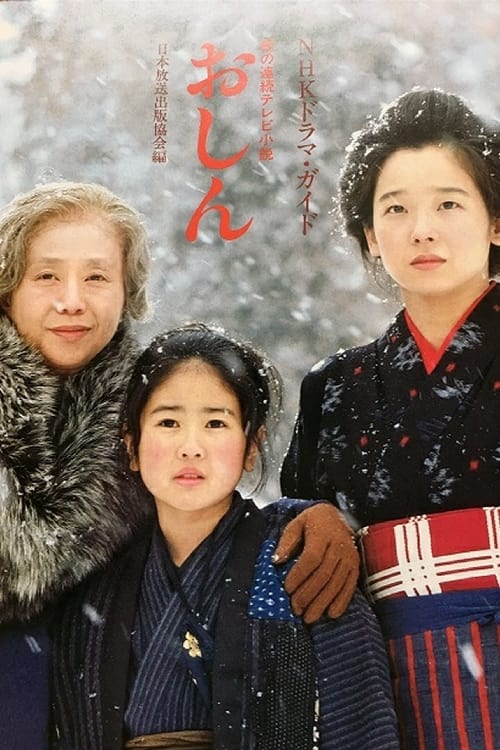
Oshin is a Japanese serialized morning television drama, which aired on broadcaster NHK from April 4, 1983 to March 31, 1984. The series follows the life of Shin Tanokura during the Meiji period up to the early 1980s. Shin was called "Oshin", which is an archaic Japanese cognomen.
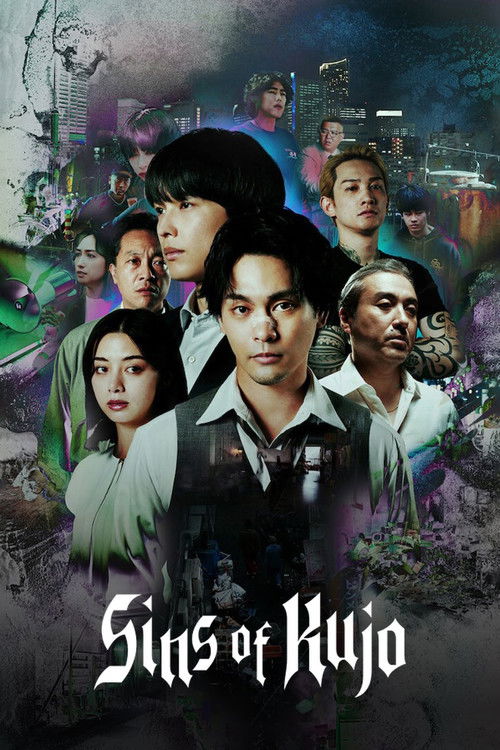
From thugs to yakuza, Taiza Kujo wields the law to defend society's worst. Fellow lawyer, Karasuma doubts his ethics but joins him in facing the abyss.
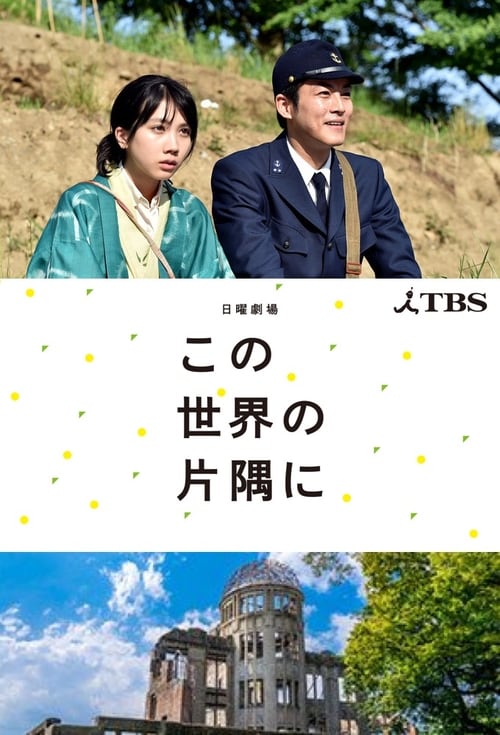
18-year-old Urano Suzu marries Hojo Shusaku and moves from Eba City to Kure City in Hiroshima Prefecture in the middle of the Pacific War. As Japan slides into a war it cannot get out of, the townspeople go on with their “ordinary” lives. Supplies are short, and family and friends get sent to the battlefield. Suzu and the Hojo family battle such anxieties as they try to live positively.
Kindaichi Hajime is a high school student and a private detective with an IQ of 180. He solves murder cases that are riddled with difficult clues. Kindaichi Hajime works with his childhood friend Nanase Miyuki and Kenmochi Isamu. Kenmochi Isamu is now the chief inspector of the Tokyo Metropolitan Police Department.
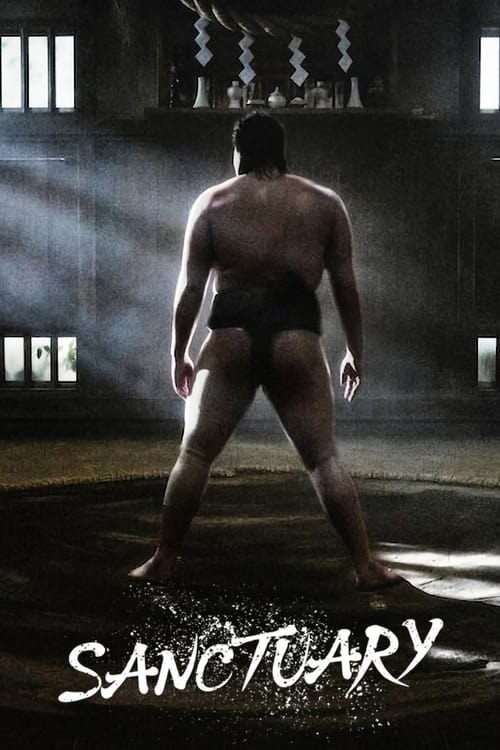
A tough, desperate kid becomes a sumo wrestler, captivating fans with his cocky attitude — and upsetting an industry steeped in tradition.
After her ex-cop father is murdered on Christmas Eve, Komugi finds a letter hinting at a dark conspiracy and teams up with a lawyer to uncover the truth.
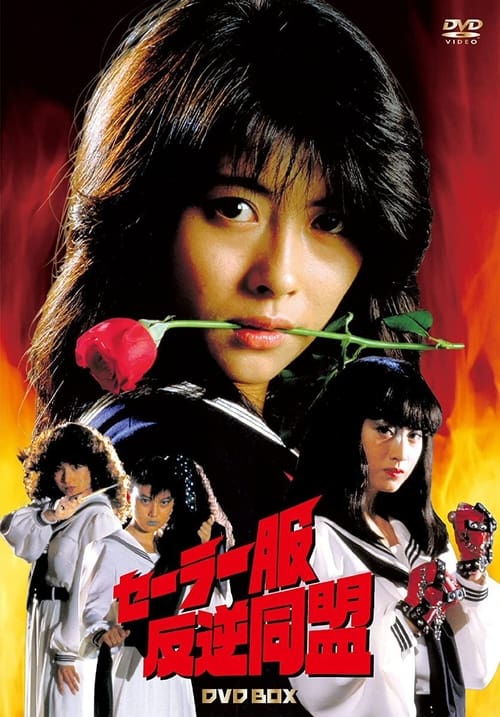
Kokuchou Academy used to be an elite school but it is now a nest of evil. Accordingly, spunky schoolgirls Miho, Yumi, Ruri and Kei form the Sailor Suit Rebel Alliance to eliminate wrongdoers from the school premises, wearing heavy makeup in order to keep their identities hidden.
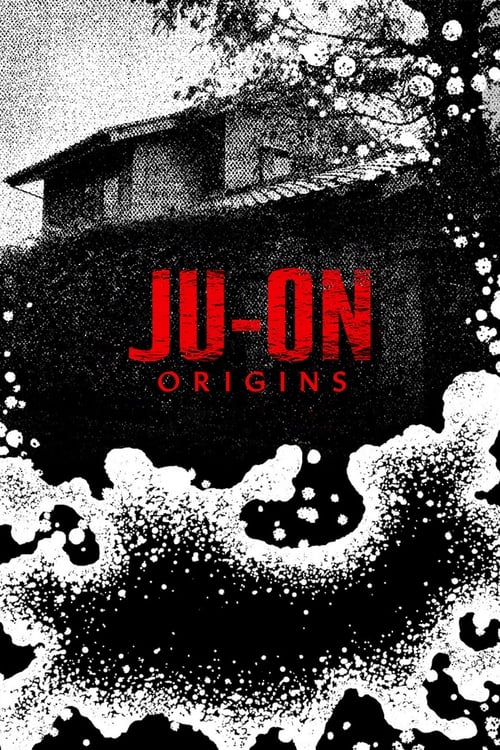
A paranormal researcher searches obsessively for a cursed home where something terrible happened to a mother and her child long ago.
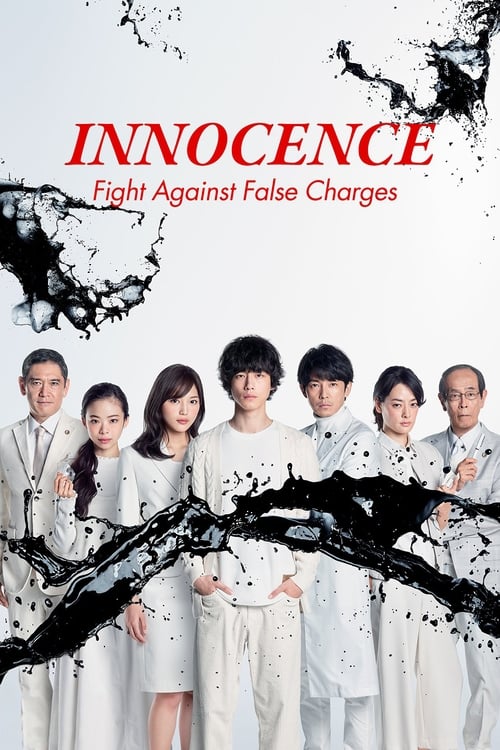
This work is a human drama that attorney, Taku Kurokawa challenges reversal play with weapons, passion, and science as a weapon to cause "miracle" to clear false charges. Kurokawa who plays Sakaguchi actively opposes fake crime defense, which is said to be impossible, reproduces the events that occurred on the scene in an experiment and tries to elucidate the incident. In addition, Naoki Fujiki appears as a new American lawyer, Kazuaki Wakakura who is swayed by the pioneer, Haruna Kawaguchi , a scientist who lends power to Taku, Kyoichiro Akiro .
Two brothers become police officers to hunt down their parents' killer, who escaped justice by just two days before the statute of limitations was abolished.
The suspense story begins when Jin Saeki, a policeman in Yamanashi Prefecture, arrives at a prominent estate residence in response to a tip, and finds the skeletal remains of 13 children, as well as a mysterious marking. Jūzō Haikawa, the long-missing owner of the estate, immediately becomes the prime suspect. Saeki collaborates with a woman named Kanon Hasumi, who has a connection to Haikawa, and together they search for the truth behind the case. In a parallel story set in Tokyo seven years after the case, a girl with a connection to the mark left on the Haikawa estate runs away from home.
During the heyday of women's pro wrestling in bubble-era Japan, Dump Matsumoto bursts into the ring, shattering norms and turning the nation against her.
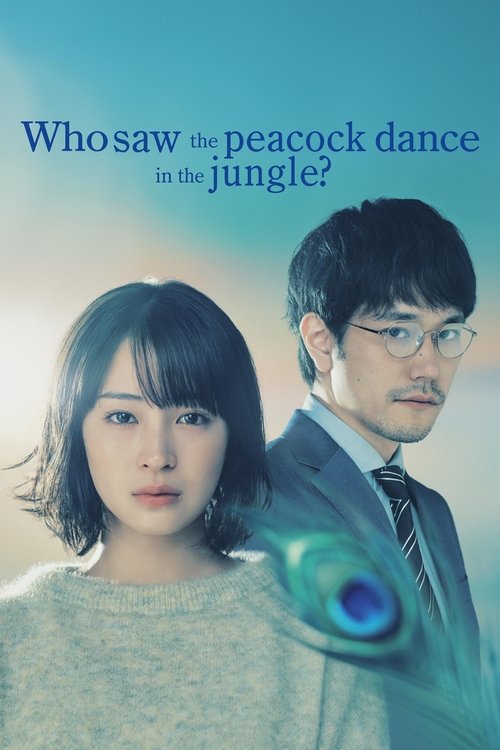
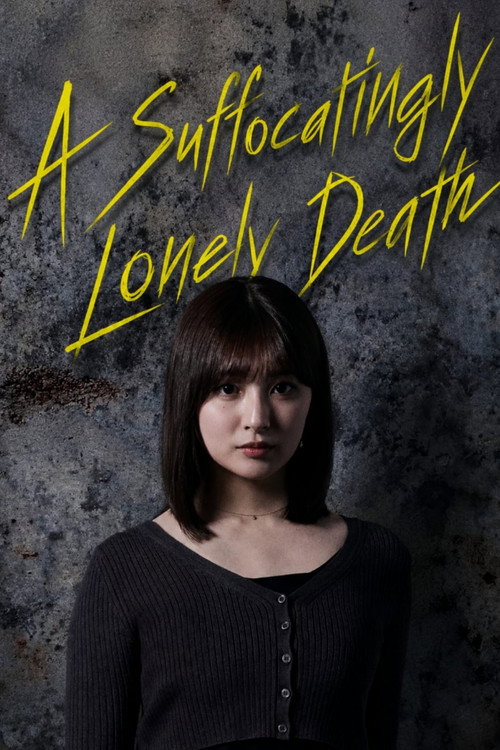
Realizing that a violent killer could be someone she went to high school with, a gossip reporter reconnects with her past to uncover the truth.
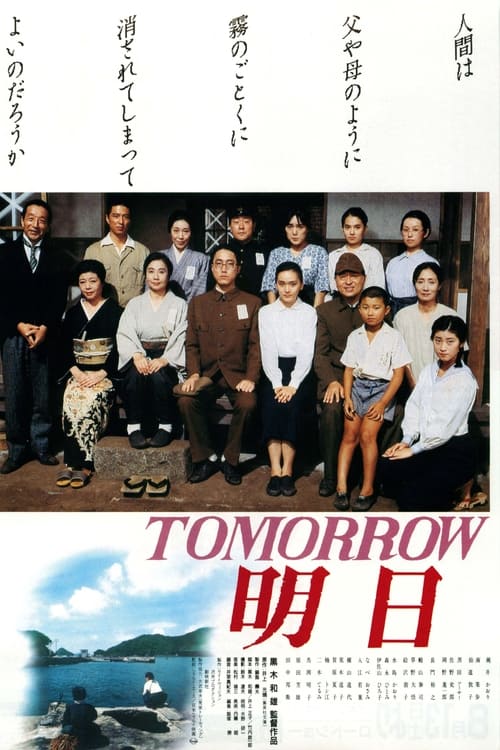
On August 9, 1945, the Americans dropped an atomic bomb on Nagasaki. This film, based on a story by Mitsukaru Inoue, describes the daily life of people in Nagasaki the day before that fateful event. It presents the human drama of people's lives, and their feelings of joy and sadness. These include a newlywed couple, an expectant mother, and lovers who must say farewell because the boy is called to serve in the army. Each of these people, like others in the city, hoped to live with their dreams for ‘tomorrow’. But tomorrow never comes for them, as their lives are brought to an abrupt and unexpected end. Knowing how the story ends, in this case, doesn't detract from it at all; rather, it enhances the emotional impact, which is further heightened by the poignant musical score from Teizo Matsumura. 'Ashita' is the first film in Kazuo Kuroki's 'War Requiem Trilogy,' which also includes 'Utsukushii Natsu Kirishima' (2002) and 'Chichi to Kuraseba' (2004).
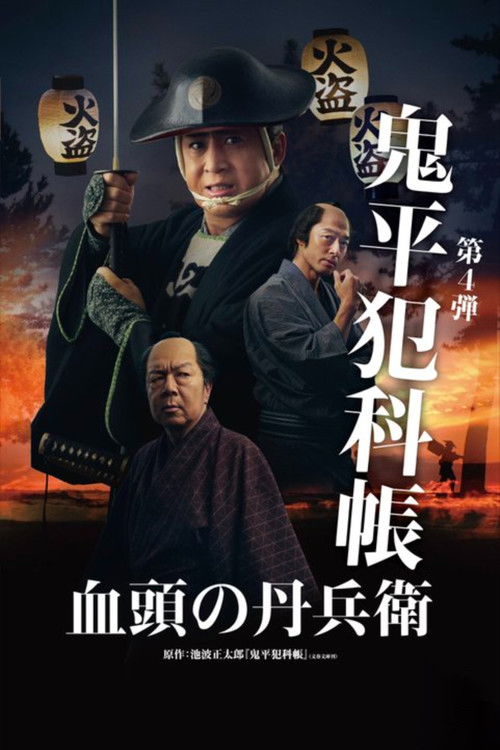
The story follows detective Heizo, played by Koshiro Matsumoto, who investigates Tanbei Chigashira, a notorious thief. Kumehachi, a former member of Tanbei's gang, claims that their former leader is an impostor. The real Tanbei Chigashira followed three strict rules: do not kill, do not rape women, and do not steal from the poor.
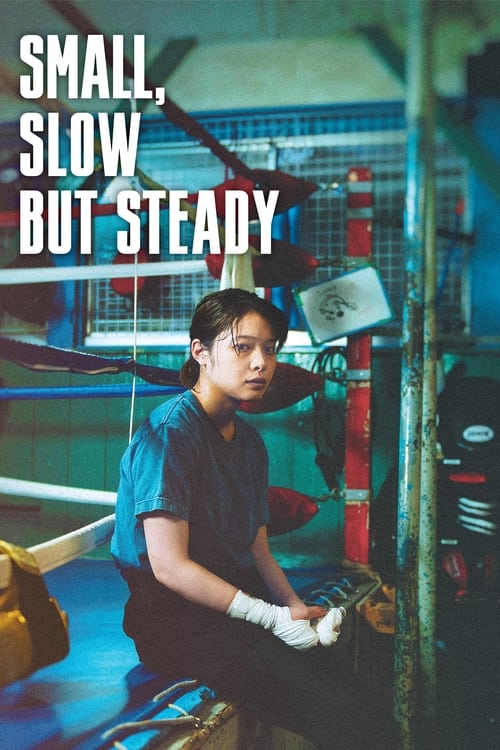
Keiko surprises everyone when she overcomes adversity to win her first two boxing fights. But when an unexpected incident threatens the closure of her gym, she is pushed further than she thought possible.
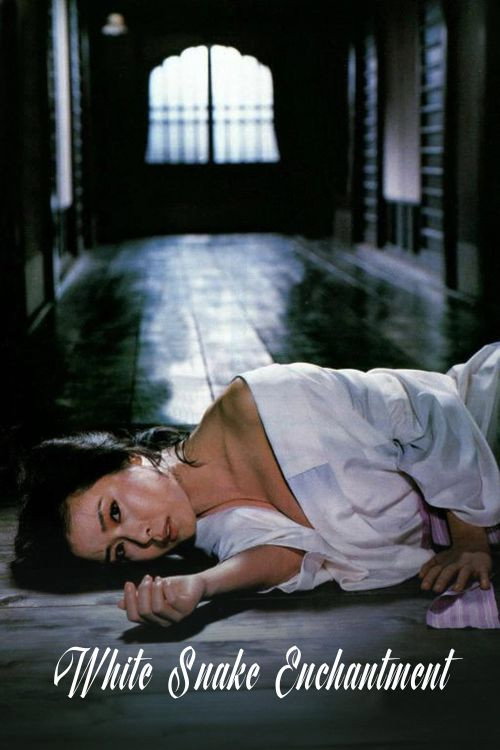
Uta married a priest who saved her when she tried to commit suicide at a waterfall. The love triangle between a lustful priest, his second wife and his son Masao.
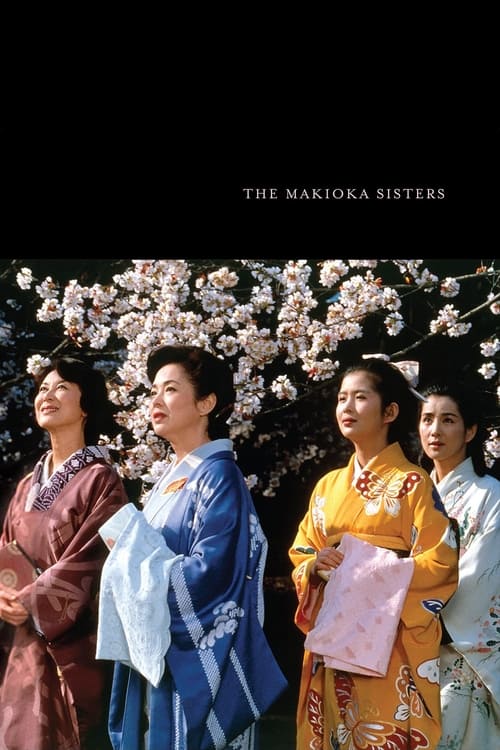
This sensuously beautiful film chronicles the activities of four sisters who gather in Kyoto every year to view the cherry blossoms. It paints a vivid portrait of the pre-war lifestyle of the wealthy Makioka family from Osaka, and draws a parallel between their activities and the seasonal variations in Japan.