Stijn Deconinck
Editing
Known For
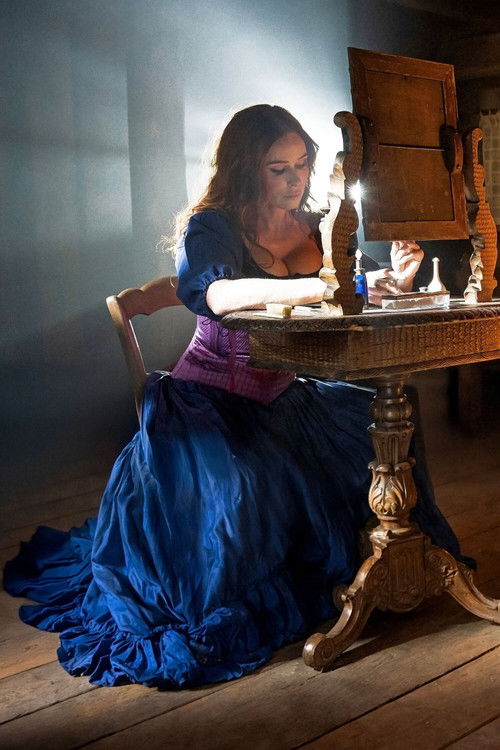
No description available.
The Countess of Monte Cristo
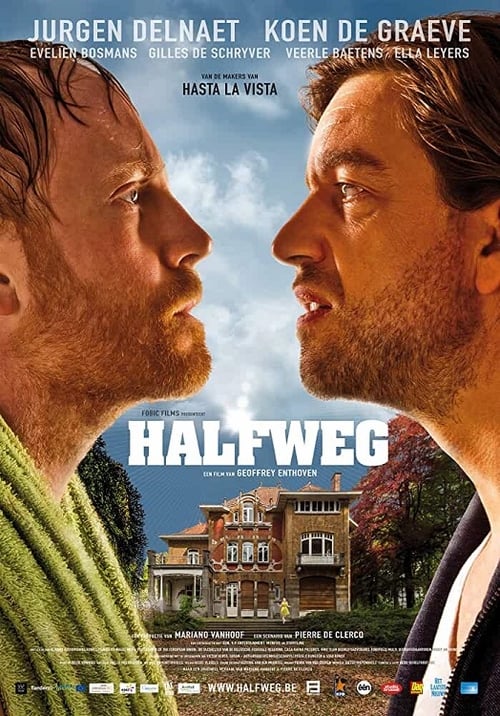
Stef moved to a new home, but there is another man in his home, Theo. Theo is the previous owner of the house, he died a few years ago. Stef seems to be the only one who can see him.
Halfway
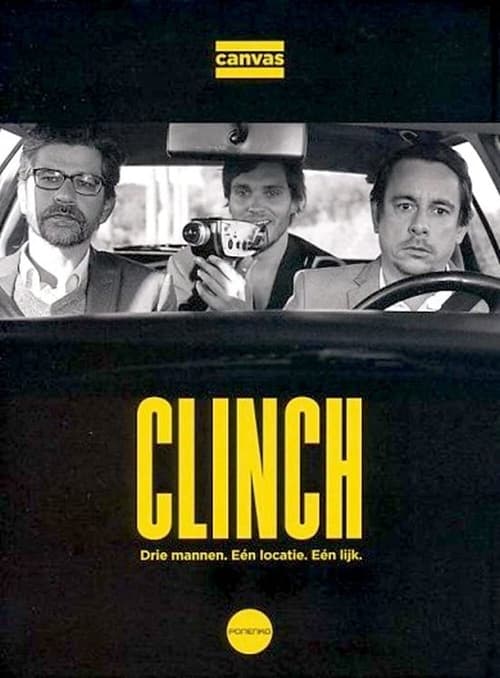
A six-part series that revolves around the ultimate confrontation of three archetypal main characters who brazenly smash into each other's lives. In each episode, the three meet each other for the first time. Fate brings them together in a precarious situation where they are completely dependent on each other. Each episode revolves around one location, one situation: a car accident , a tour of a master house that is for sale, too long a driving lesson, too great a hospital room, a lift attached and detached as a springboard to escape reality .
Clinch
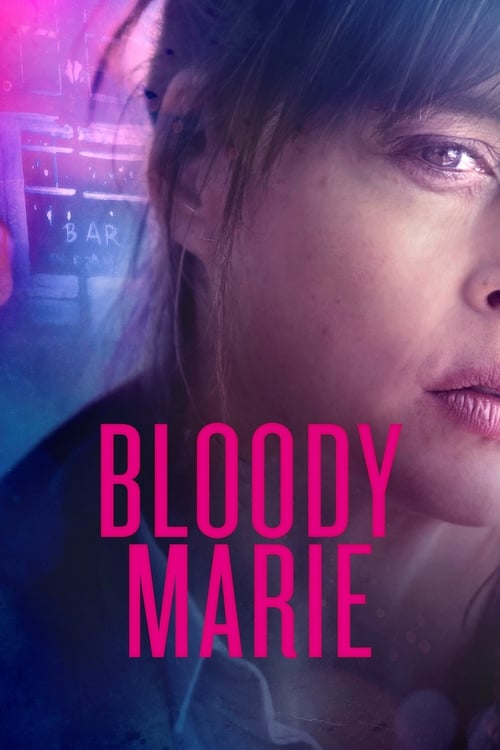
Marie Wankelmut, once successful comic artist, lives among the prostitutes in Amsterdam's Red Light District. Nowadays drunken and bold, she gets into one conflict after another. A gruesome sobering event at her neighbors, forces her to take action.
Bloody Marie
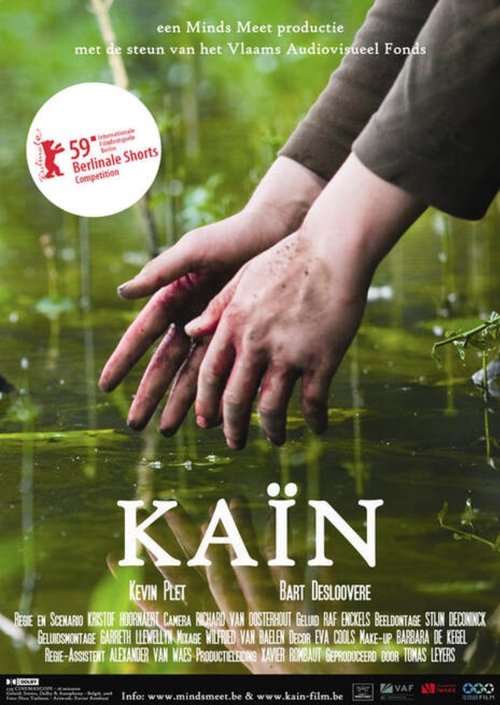
Kain reflects in a contemplative way on our human condition. It's an audiovisual meditation on the cruelty and suffering of our tragic humanity. A short film about guilt and the birth of conscience. - Berlinale Short Competition 2009
Kaïn
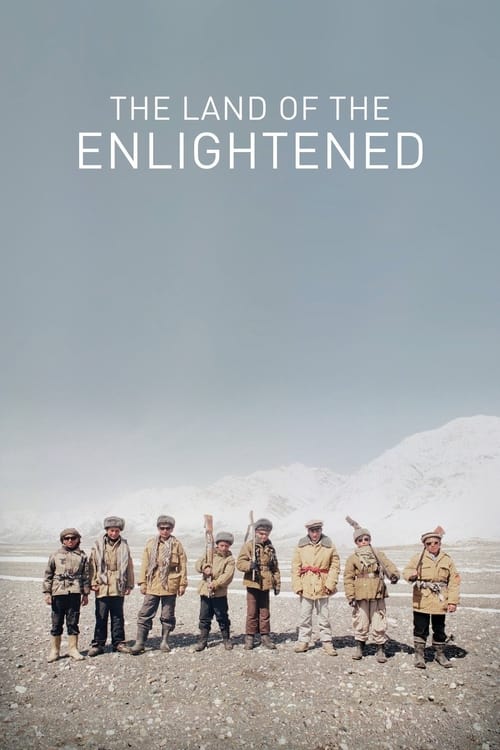
A group of Kuchi children are living in a minefield around Bagram airfield, Afghanistan. They dig out anti-personal mines in order to sell the explosives to child workers mining in a Lappis Lazulli mine. The trajectory of the blue precious stones goes towards Tajikistan and China, through an area controlled by child soldiers. When they are not waging their own mini-wars in the daily madness of life in Afghanistan, the children are fleeing away in their personal fantasies and dreams, while the American soldiers are planning their retreat...
The Land of the Enlightened
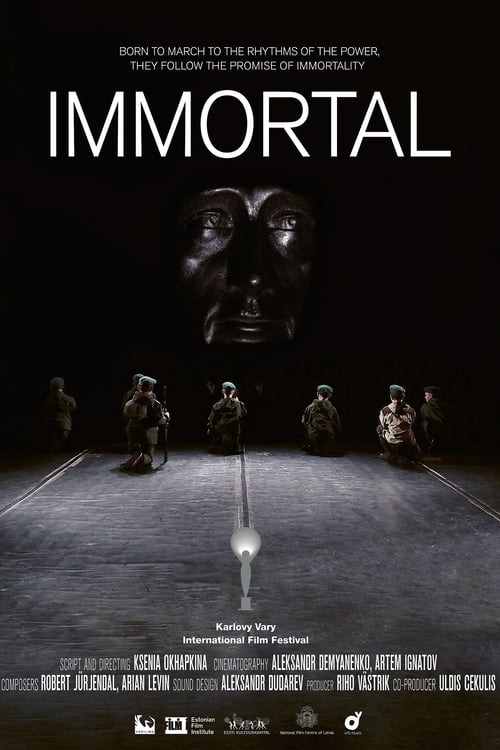
Apatity, a far-north industrial town in Russia, first came into being as a USSR concentration camp. Although its environment is at the brink of ecological disaster, the people here still believe in the state’s promise of immortality that can be gained through sacrificial service to the fatherland. This is how the elite in a totalitarian state buy a person’s will, strength, talent and, indeed, life, turning the human being into another resource that is as faceless as a grey lump of ore. ‘I cannot fight big corporations or state structures with a film. But I hope that there is someone in the darkness of the cinema whose heart will get a bit warmer after seeing it,’ says the director. The larger part of the film was shot during the polar night.
Immortal
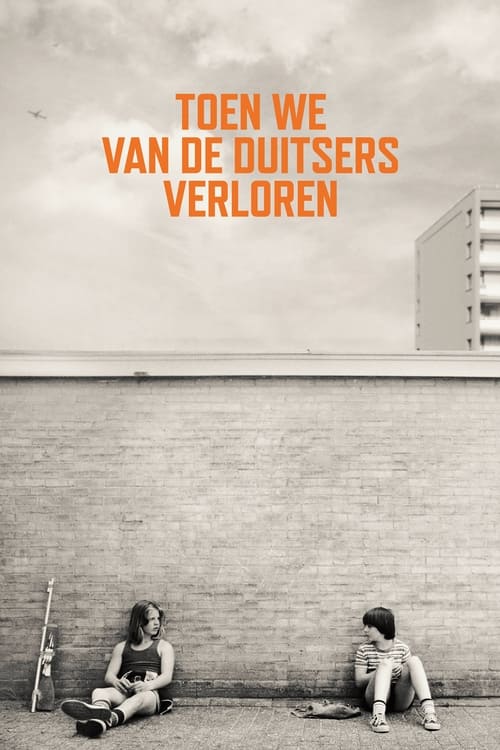
After the lost final against Germany, everyone is hungover; in the summer town it remains quiet. Jonas and Dan bump into each other and decide to explore the neighbourhood to see if there is anything going on. Meanwhile, the realisation sinks in that their classmate Catootje has been missing for five days - could she still be alive?
When We Lost to the Germans
When Bob finds himself in the student room of his deceased son Jonah, the fifty-something finds himself unable to leave. He dives into his son's unfinished student life where unexpected encounters and discoveries await.
Jonah Was Here
At night, a man stands in the middle of the road. He paints the white markings black. His mind gradually slips back into a faraway realm created by his illness. Some time later, at the mental institution, as he tries to retain a fragile grip on reality, the delusional account of his past begins to unravel. Losing his sense of reality disturbed his life, but at the same time creates an opening for a possible recovery and new hope.
Aperture
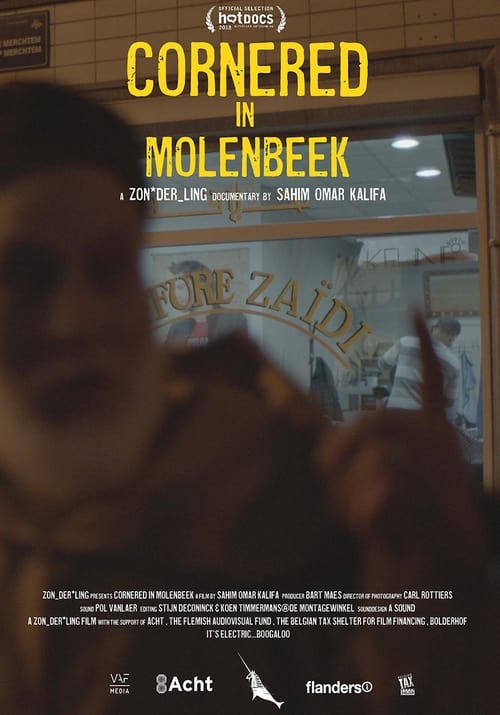
Mainstream media have described the Brussels district of Molenbeek as the "jihad capital of Europe," after several suspects in the terrorist attacks on France and Belgium were revealed to have been recruited from its large Muslim community. In the heart of this troubled neighbourhood, Coiffure Zaïdi, a barber shop sitting just opposite a mosque, serves as a meeting place for locals of all ages. This is where award-winning director Sahim Omar Kalifa installed his camera, capturing casual conversations between clients of North African origins. As shocked and dismayed by recent events as anyone else, they discuss unemployment and failed integration, immigration policies and government surveillance. With a fly-on-the-wall approach to these animated debates, and a keen, humanizing eye for the most significant details, Kalifa composes a charming and vivid tableau of a population continually stigmatized and circumscribed by media stereotypes.
Cornered in Molenbeek
As the world attempts to grapple with the strange new reality precipitated by COVID-19, essential workers are risking their lives daily. This guerilla documentary, shot in Brussels Erasmus University Hospital during the first few months of the lockdown, tells their story.