Acting
No description available.
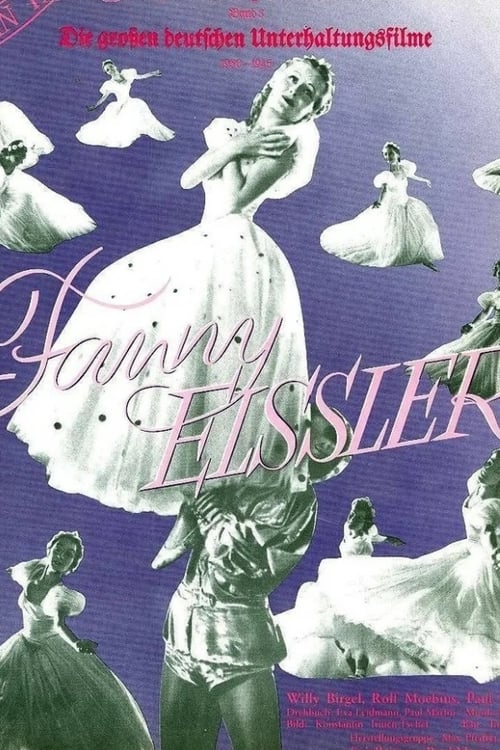
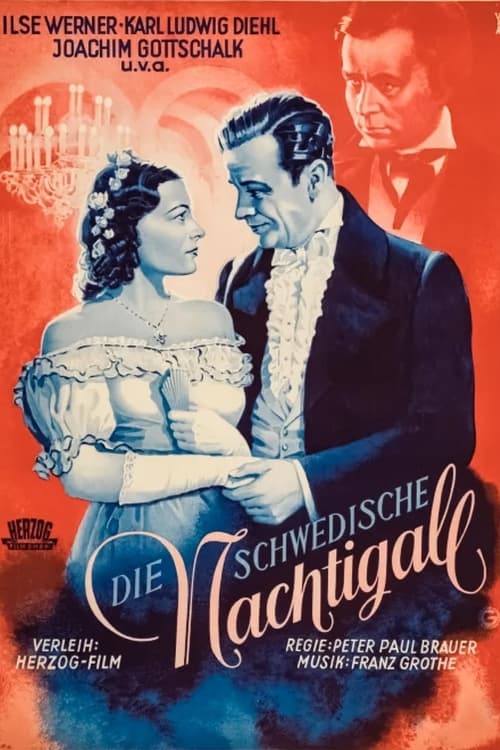
Prince Klemens von Metternich orders Friedrich Gentz, one of his aides, to keep the Duke of Reichstadt---Napoleon Francois Joseph Charles---son of Napoleon and heir to the French throne, from thinking about French politics. Gentz enlists the help of ballerina Fanny Elsser, all the rage in several European capitals, to keep the Duke distracted.
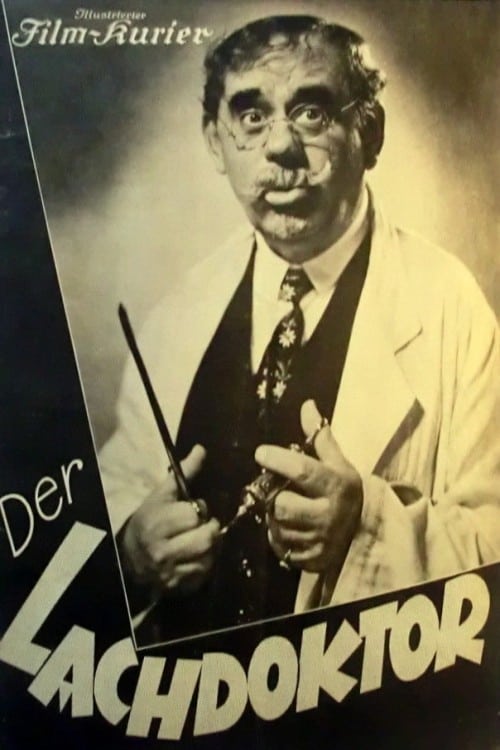
Because the soulful county doctor in a small spa town in the mountains has interfered with the business of selling "healing waters", he incurs the enmity of the local shopkeepers. And for that reason, his candidacy for the post of District Medical Officer is thwarted.
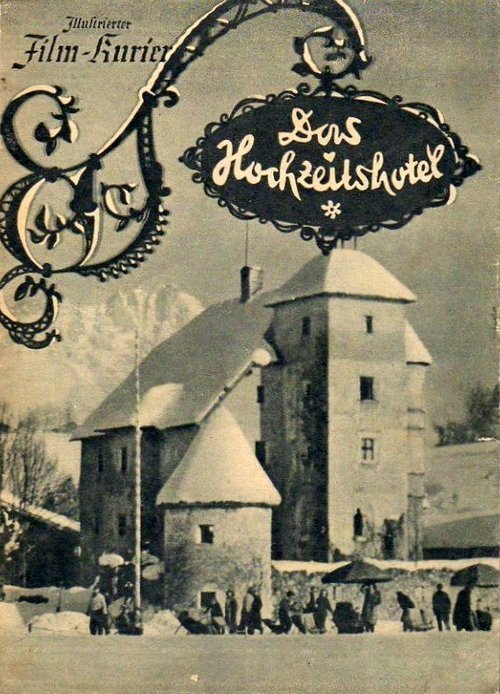
A group of artists and journalists enjoy a series of romantic entanglements in a country hotel. An author, Vera von Eichberg "of whom no photo exists," has mentioned the hotel in her work, boosting its notoriety. When another female guest arrives, everyone assumes she is the author, despite her repeated assertions to the contrary.
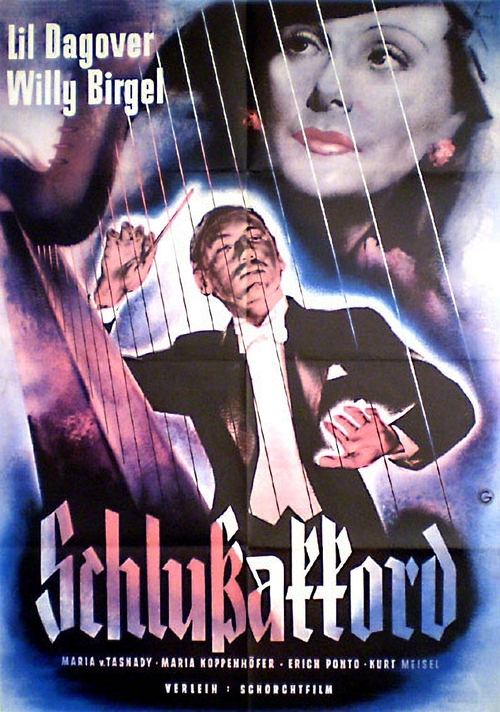
After her husband dies, a German woman who gave up her infant for adoption to emigrate to America returns to Germany, discovering that her child is being raised by a married orchestra conductor.
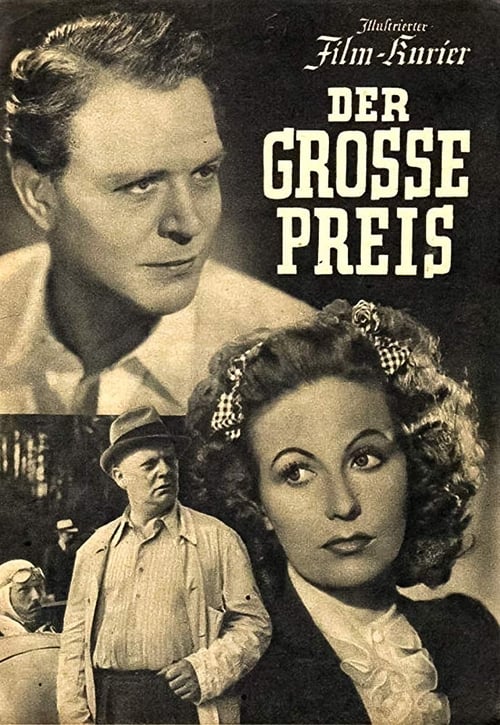
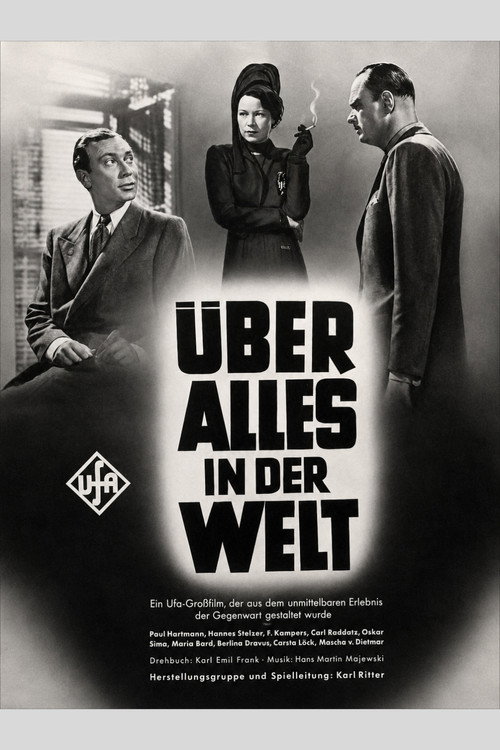
The moral is simple: keep your mouth shut, especially when you're working during the wartime in a factory, which produces racing cars only, or someone can (or even must) get murdered. Not a good movie, not a bad either. The ending is abrupt and artificial, which seems to be a common plague of Third Reich's crime movies. Gustav Fröhlich could never get rid of his silent era mannerisms and overacting. But on the other side, this film is not boring and has to offer some decent plot turns and acting.
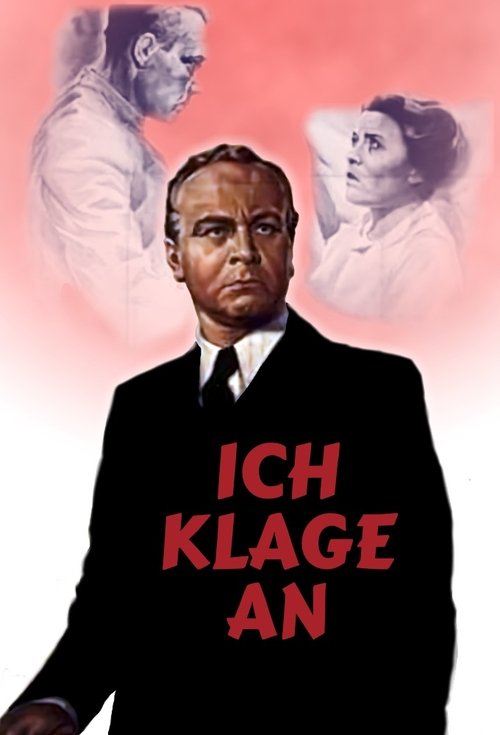
In this film, the wife of a renowned doctor becomes ill with multiple sclerosis. Trying to spare her beloved husband the ordeal, the woman turns to a family friend, Dr. Lang, to help end her life. When this doctor declines to help with the assisted suicide, however, she is forced to turn to her husband. After much soul-searching, Dr. Heyt, her husband, assists in her suicide. The act, however, is witnessed by a chambermaid, who reports him to the police. Dr. Heyt is put on trial for murder and, at first, Dr. Lang testifies against him in court. Soon, however, Dr. Lang is faced with a similar case in his professional practice and this, along with Dr. Heyt’s impassioned performance in court, convinces Dr. Lang that, in some instances, mercy killing may be the right thing to do.
Helena's mirror, a valuable piece of jewelry, has been stolen from a museum in Bremen and is to be smuggled across the Alps to the border. Alex Roscher, the border guard, catches the smugglers but gets caught up in a shootout.
A doctor goes to meet a beautiful girl at a park bench near a wooded area. When he arrives, he finds her battered body lying next to a stream! He then finds himself to be the prime suspect. Who's the killer?
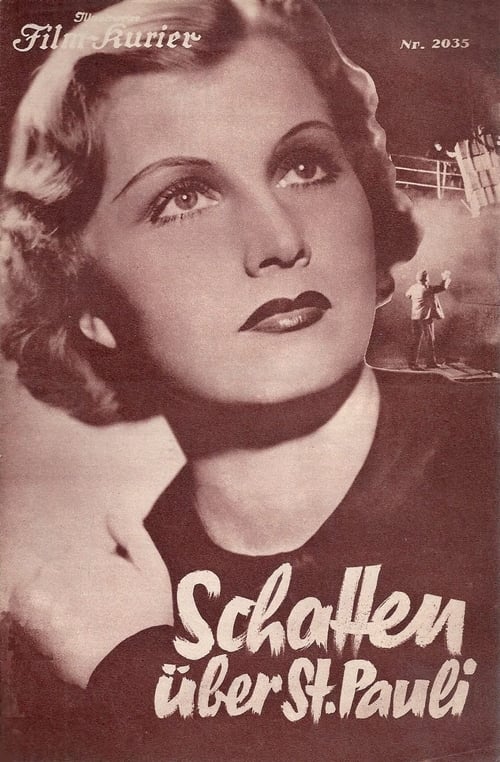
Old John Carstens sells his marine‐equipment firm to Lafrenz, unaware it’s now a fuel‐smuggling front. Living above the showroom with daughter Hanna and son Jochen, he resists Lafrenz’s pressure. When Hanna falls for bargeman Oschi Rasmus, Lafrenz demands John either give up Hanna or settle his debts. John defies him and dies. Oschi clears John’s debts, but Lafrenz soon plots against the young couple.
Germany in the fall of 1918: Accompanied by the Archduke Karl Maria, Princess Henriette von Battenstein makes an inspection tour of hospitals. During these inspections, she meets Lieutenant Rainer, the former conductor of the State Opera. When she later makes music with him in the Archduke's castle, she becomes the unwilling witness to a secret cease fire negotiation.
Nazi propaganda film chronicling the plight of Germans caught by the outbreak of war in 1939 and their frantic attempts to return to the Fatherland to join the battle.
This is the directorial debut of Artur Pohl and tells the story of war refugees as they try to settle in a small town in Germany.